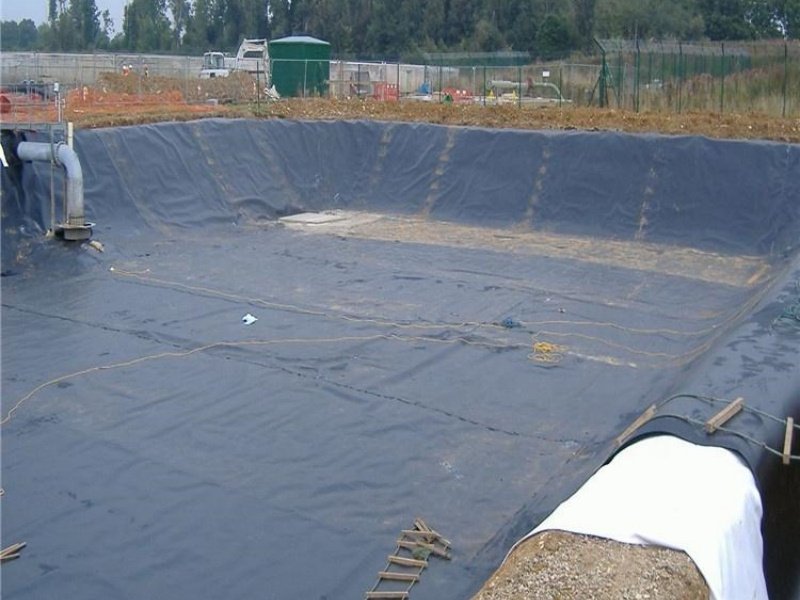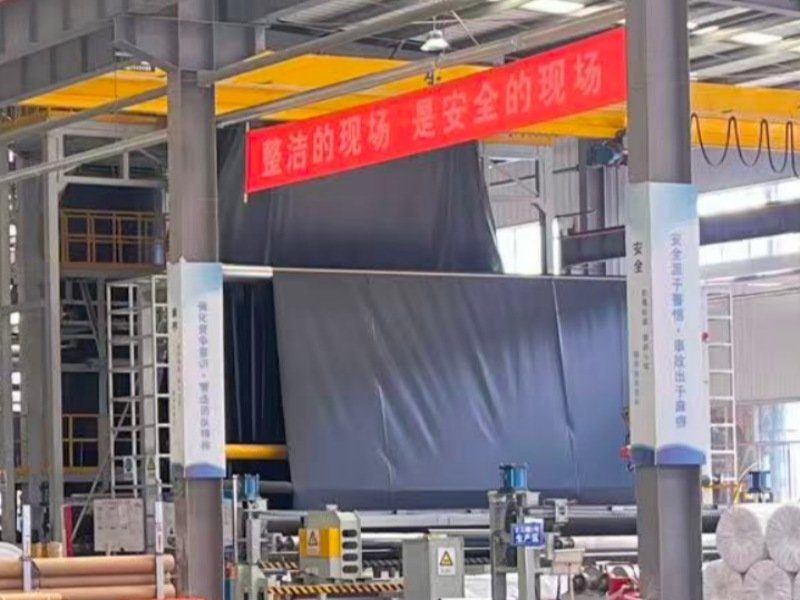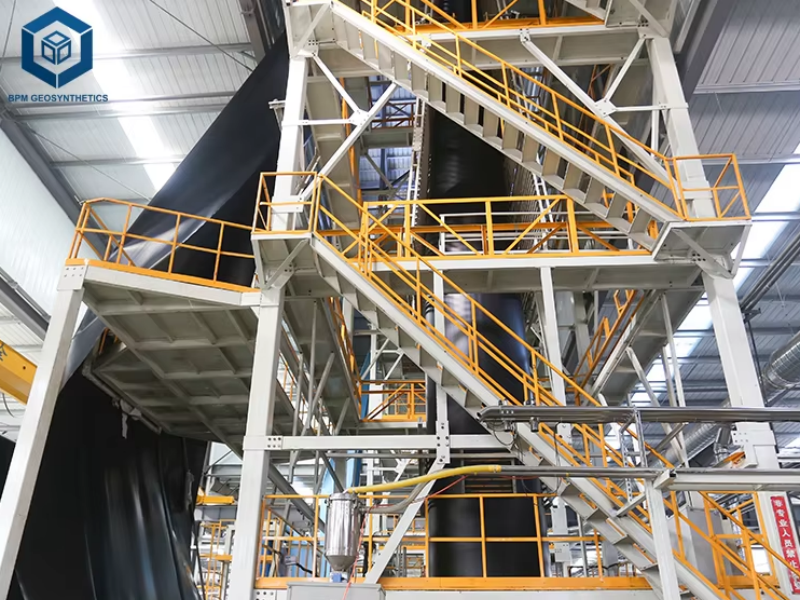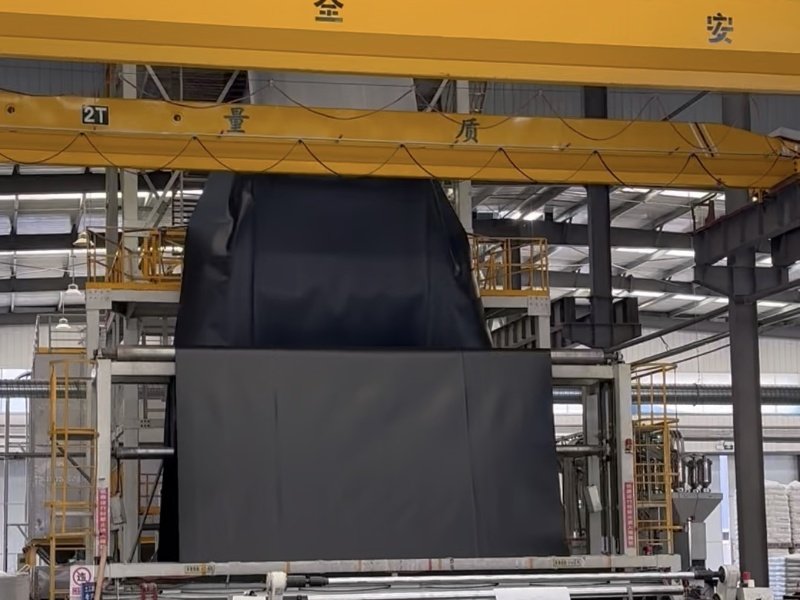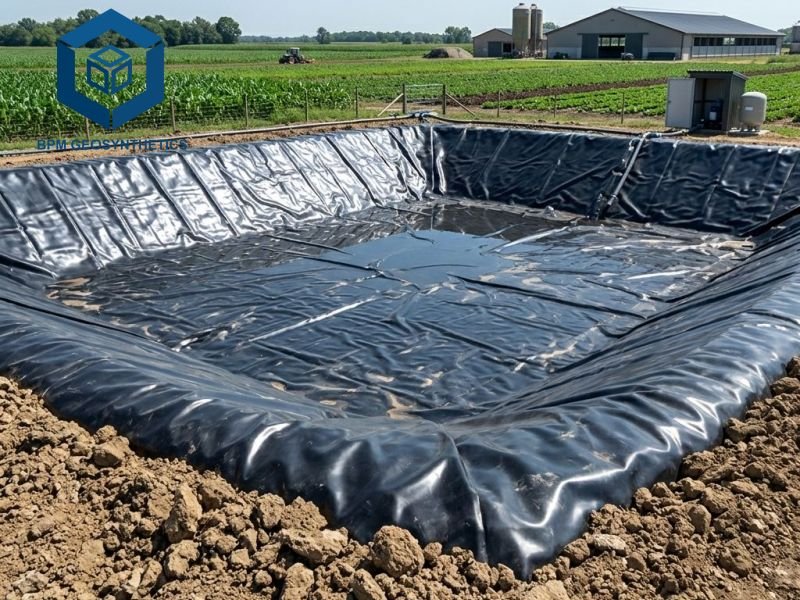
Dam liners, also known as reservoir liners or geomembrane dam liners, are critical impermeable barriers used to prevent seepage, retain water, and protect the structural integrity of dams, reservoirs, canals, and large water storage facilities. These synthetic membranes—most commonly manufactured from high-density polyethylene (HDPE), linear low-density polyethylene (LLDPE), or other polymeric materials—provide long-term waterproofing in civil engineering, irrigation, hydropower, and environmental projects. One of the most frequent questions from engineers, project managers, contractors, and asset owners is: How much do dam liners cost?
In 2026, the material cost of dam liners typically ranges from $0.50 to $3.50 per square meter (approximately $0.05 to $0.32 per square foot), depending on material type, thickness, surface finish, order volume, and quality. Installed system costs can rise to $2.00–$7.50 per square meter or higher once site preparation, welding, protection layers, and testing are included. This comprehensive guide systematically analyzes dam liner pricing from a manufacturer’s perspective. Whether you are lining a small irrigation reservoir or a large dam face, the following sections provide detailed specifications, cost breakdowns, and practical guidance. For accurate project quotations, contact The Best Project Material Co., Ltd. (BPM Geosynthetics).
1. What Are Dam Liners?
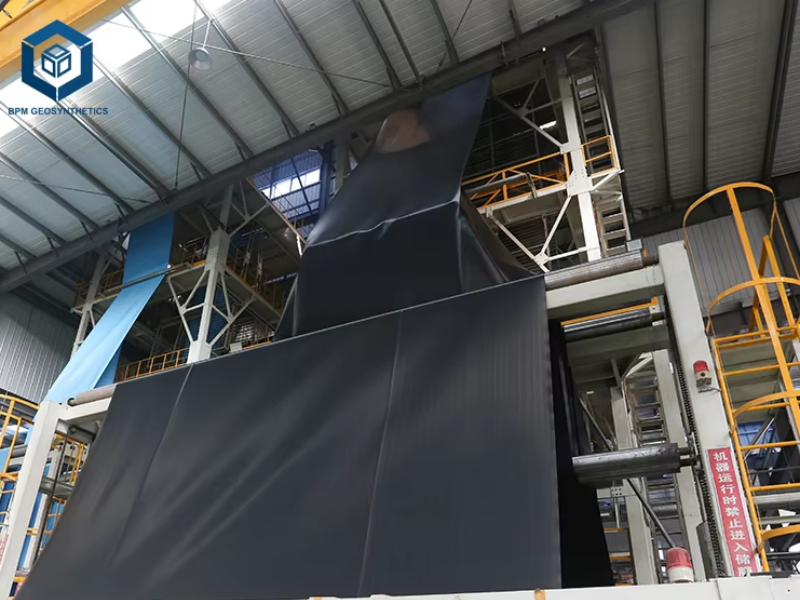
Dam liners are flexible or semi-rigid synthetic geomembrane sheets designed to control water seepage and protect embankments or concrete structures. They are typically produced from high-density polyethylene (HDPE) or linear low-density polyethylene (LLDPE) resins and formulated with carbon black and antioxidants for long-term UV and chemical resistance.
Common applications include:
- Embankment and concrete dam face waterproofing
- Reservoir and lagoon lining
- Canal and irrigation channel lining
- Hydropower and pumped-storage facilities
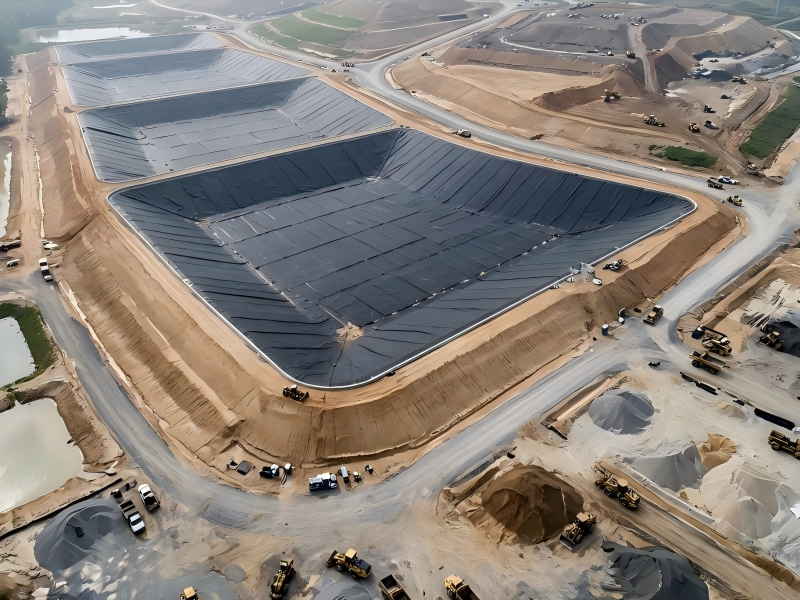
- Tailings and process-water containment associated with mining dams
- Agricultural and municipal water storage
Key technical specifications typically include:
- Thickness: 0.5–3.0 mm (20–120 mil)
- Tensile strength: 15–45 kN/m (ASTM D6693)
- Puncture resistance: 1.5–8 kN or higher
- Roll widths: commonly 5–8 m (wider rolls reduce field seams)
- Design life: 40–100 years in properly protected or buried conditions; shorter when continuously exposed
- Permeability: ≤ 1 × 10⁻¹³ cm/s for high-quality HDPE
These properties make geomembrane dam liners essential for water conservation, structural protection, and environmental compliance, but unit cost is influenced by multiple technical and commercial factors.
2. How Much Do Dam Liners Cost?
The material cost of dam liners typically ranges from $0.50 to $3.50 per square meter. For example, a 0.75 mm liner for a small agricultural reservoir may cost $0.90–$1.80 per square meter, while a 2.0 mm textured HDPE liner for a large dam or mining facility may reach $2.30–$3.50 per square meter. Installation, geotextile protection, transportation, and quality assurance can add 30–50% or more to the total. Below we examine the primary factors that determine dam liner cost.
2.1 Dam Liner Cost – Material Type
The polymer selected has a major impact on both performance and price.
2.1.1 High-Density Polyethylene (HDPE)
- Cost: $0.50–$2.80 per square meter (material)
- Properties: High tensile strength, excellent chemical resistance, strong UV stability when properly formulated.
- Applications: Large reservoirs, dam faces, mining containment, long-term water storage.
- Advantage: Most durable option for permanent installations, with design lives of 40–100 years when protected or buried.
- Example: BPM Geosynthetics’ GRI-GM13 compliant HDPE liners, produced with high-quality virgin resin, typically fall in the $1.00–$2.50 per square meter range for 1.5–2.0 mm thickness depending on volume and specifications.
2.1.2 Linear Low-Density Polyethylene (LLDPE)
- Cost: $0.60–$2.50 per square meter
- Properties: Greater flexibility and elongation, good conformability to irregular surfaces.
- Applications: Reservoirs with complex geometry, canals, and sites requiring higher flexibility.
- Advantage: Easier installation on uneven subgrades; typical service life 20–50 years.
2.1.3 Other Materials (PVC, EPDM)
- PVC and EPDM are occasionally used for smaller or specialized water features but are less common for large dam or reservoir projects due to lower long-term durability or higher cost in thick sections. Prices generally range from $0.60–$2.50 per square meter depending on thickness and formulation.
HDPE remains the preferred and most cost-effective material for the majority of permanent dam and reservoir lining projects.
2.2 Dam Liner Cost – Thickness
Thickness is the strongest single driver of material price because it directly determines resin consumption and mechanical performance.
Thickness | Typical Material Price (USD/m²) | Common Dam / Reservoir Applications |
0.5–0.75 mm | $0.50 – $1.80 | Small agricultural reservoirs, canals |
1.0 mm | $1.10 – $2.20 | Medium reservoirs, secondary containment |
1.5 mm | $1.50 – $2.80 | Large reservoirs, many dam face applications |
2.0 mm | $2.30 – $3.50 | High-stress dam linings, mining facilities |
2.5–3.0 mm | $3.00 – $4.50+ | Critical or high-load permanent structures |
Each additional 0.5 mm of thickness typically increases material cost by 20–40%. Thicker liners provide higher puncture resistance and longer service life, making them cost-effective for permanent dam applications.
2.3 Dam Liner Cost – Surface Type
- Smooth HDPE: Lower unit price, suitable for flat or gently sloping reservoir floors.
- Textured HDPE(single- or double-sided): 10–35% higher price due to additional manufacturing steps. Provides improved interface friction for steeper dam faces and embankments, reducing the risk of sliding.
2.4 Dam Liner Cost – Project Size and Scale
Economies of scale significantly affect the price per square meter:
- Small projects (<10,000 m²): Higher unit prices ($1.00–$3.50/m²) due to setup costs and lower volume.
- Medium projects (10,000–50,000 m²): Moderate pricing with 5–15% volume discounts.
- Large projects (>50,000 m²): Lowest unit prices ($0.50–$2.50/m²) and preferential logistics. Bulk discounts of 10–25% are common.
Wide rolls (6–8 m) further reduce installed cost by minimizing the number of field seams on large dam or reservoir surfaces.
2.5 Dam Liner Cost – Installation and Labor
Installation typically accounts for 20–50% of total project cost:
- Hot-wedge or extrusion welding by skilled crews: $0.30–$0.80 per square meter depending on region and complexity
- Subgrade preparation and nonwoven geotextile protection layers: additional $0.20–$0.60 per square meter
- Non-destructive and destructive seam testing: required for quality assurance on critical dam projects
Improper installation can significantly reduce liner life, making experienced crews essential for dam applications.
2.6 Dam Liner Cost – Raw Material Quality
- Virgin HDPE resin: Higher initial cost but superior consistency, stress-crack resistance, and service life (40–100 years). Strongly recommended for permanent dam and reservoir projects.
- Recycled or blended resin: Lower unit price but reduced long-term performance and higher risk of premature failure. Generally unsuitable for critical water-retaining structures.
BPM Geosynthetics focuses on high-quality virgin resin formulations that meet or exceed GRI-GM13 requirements.
2.7 Transportation, Logistics, and Lifetime Costs
Large rolls require careful handling. Shipping can add $0.10–$0.40 per square meter depending on destination. Full-container loads reduce unit logistics costs.
Lifetime cost considerations are equally important:
- High-quality virgin HDPE dam liners require minimal maintenance over decades.
- Periodic inspections for large facilities may cost several thousand dollars annually.
- Failure of a low-quality liner can result in water loss, structural risk, and expensive remediation far exceeding the original material investment.
3. How to Choose the Right Dam Liner
3.1 Match Thickness and Surface to the Application
- Small agricultural reservoirs: 0.75–1.0 mm smooth
- Large water storage reservoirs: 1.5 mm
- Steep dam faces or high-stress applications: 1.5–2.0 mm textured
3.2 Prioritize Virgin Resin and Certified Quality
Specify virgin HDPE meeting GRI-GM13 or equivalent standards. Request full laboratory test reports for thickness, tensile properties, puncture resistance, carbon black content, and oxidative induction time.
3.3 Optimize Order Volume and Roll Dimensions
Larger orders and wider rolls reduce both material unit price and field seaming costs on large dam surfaces.
3.4 Evaluate Total Installed Cost
Compare complete system prices (membrane + protection geotextile + installation + testing) rather than material unit price alone.
3.5 Work with Experienced Suppliers
Choose manufacturers that provide technical support, consistent quality, and transparent quotations. The Best Project Material Co., Ltd. (BPM Geosynthetics) offers competitive factory pricing, wide-roll production, and full documentation for international dam and reservoir projects.
4. Practical Cost Examples
- Small irrigation reservoir (5,000 m² of 1.0 mm smooth HDPE): material cost approximately $5,500–$11,000
- Medium municipal reservoir (25,000 m² of 1.5 mm HDPE): material cost approximately $37,500–$70,000
- Large dam or mining facility (100,000 m² of 2.0 mm textured HDPE): volume pricing can achieve $2.00–$3.20 per square meter before installation
5. Conclusion
Dam liner cost in 2026 typically ranges from $0.50 to $3.50 per square meter for material, with total installed costs higher depending on site conditions and quality of workmanship. The dominant price drivers are thickness, resin quality (virgin versus recycled), surface type, order volume, and logistics. Specifying the correct thickness of virgin-resin HDPE from a reliable manufacturer delivers the best long-term value through superior durability, water retention performance, and minimized risk of costly seepage or structural issues.
For detailed technical data sheets, samples, and competitive quotations based on your required thickness, quantity, and project location, contact The Best Project Material Co., Ltd. (BPM Geosynthetics). Their team can help you select the optimal dam liner specification and provide accurate pricing to support effective budgeting and successful long-term water containment performance.