500 micron plastic sheets (equivalent to 0.5 mm or 20 mil thickness) are versatile low-permeability polymeric membranes widely used in agriculture, aquaculture, construction, packaging, environmental containment, and industrial applications. Manufactured primarily from high-density polyethylene (HDPE), low-density polyethylene (LDPE), linear low-density polyethylene (LLDPE), or PVC, these sheets provide effective barriers against moisture, chemicals, and seepage. According to industry data, demand for mid-thickness plastic sheets continues to grow with expanding agricultural and infrastructure projects. One of the most frequent questions from project managers, farmers, contractors, and procurement specialists is: How much is a 500 micron plastic sheet price? Understanding the full cost structure is essential for accurate budgeting and successful project execution.
At its core, the material cost of 500 micron plastic sheets typically ranges from $0.10 to $1.50 per square foot ($1.08–$16.15 per square meter), depending on polymer type, resin quality (virgin versus recycled), surface finish, additives, project scale, and order volume. Installation, seaming, transportation, and site preparation can add 20–50 percent or more to the total project cost. In this comprehensive guide, we systematically analyze 500 micron plastic sheet pricing from a manufacturer’s perspective, drawing on current market data and insights from industry leaders such as The Best Project Material Co., Ltd (BPM Geosynthetics). Whether you are lining a fish pond, covering a greenhouse, or creating a vapor barrier, this article provides detailed specifications, parameters, and practical advice to support informed purchasing decisions.
1. What Are 500 Micron Plastic Sheets?
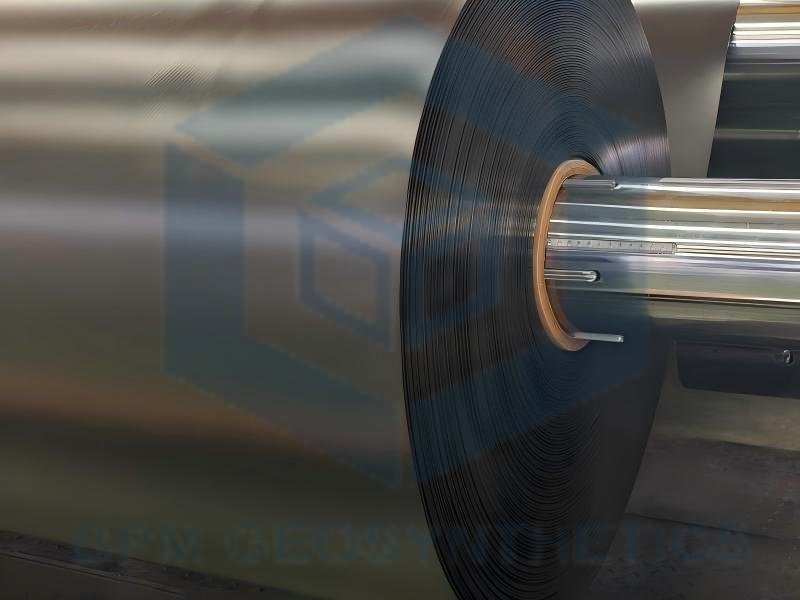
500 micron plastic sheets are flexible or semi-rigid synthetic membranes engineered at a nominal thickness of 0.5 mm. They are produced by extrusion processes from polyethylene or PVC resins and are often formulated with carbon black (2–3 percent) for ultraviolet protection and other stabilizers for long-term durability. These sheets serve as impermeable or semi-impermeable barriers in a wide range of applications.
Common applications include:
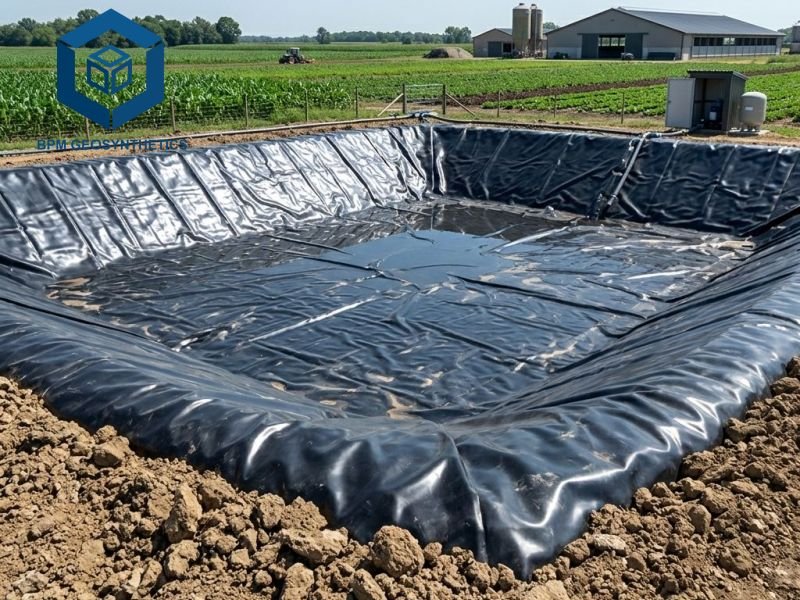
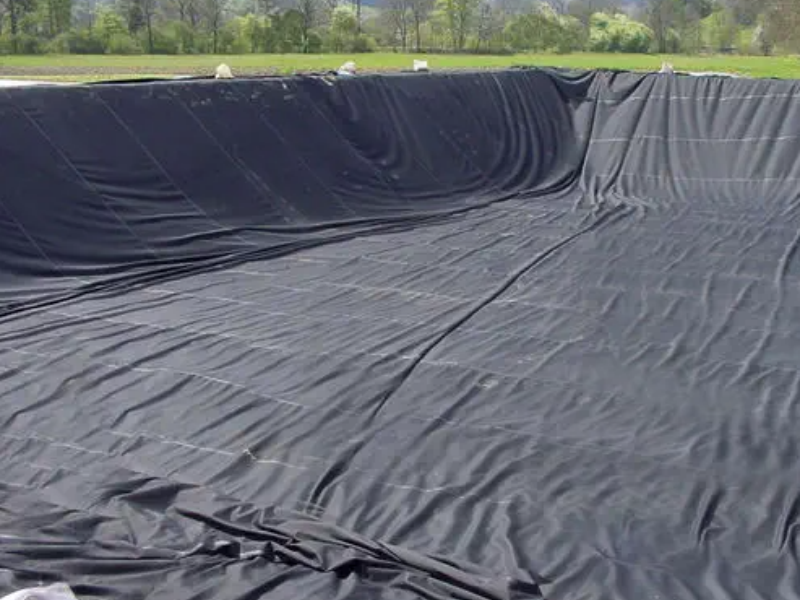
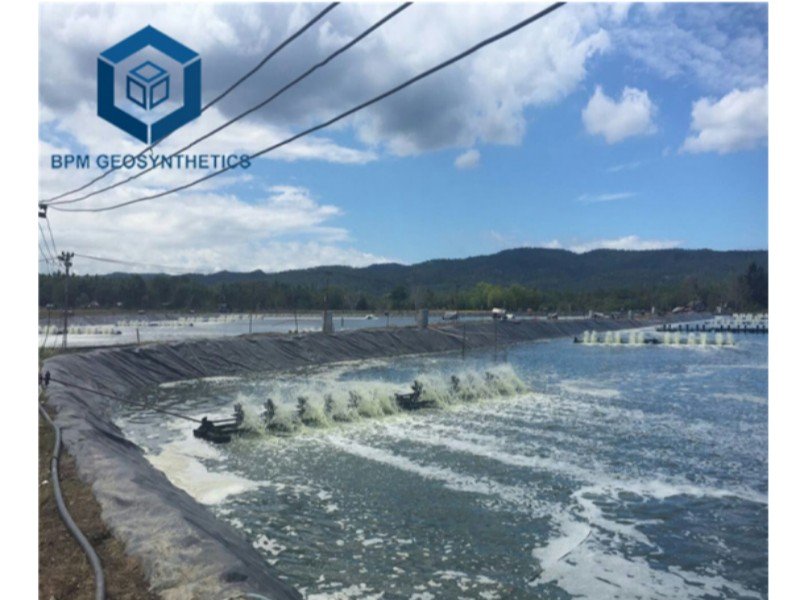
- Aquaculture and fish/shrimp pond liners
- Agricultural water reservoirs, irrigation canals, and greenhouse covers
- Temporary or permanent vapor and moisture barriers in construction
- Packaging and protective sheeting for industrial goods
- Secondary containment for chemicals and hydrocarbons
- Landscaping and decorative water features
- Temporary erosion control and soil covers
Key technical specifications for standard 500 micron (0.5 mm) plastic sheets include:
- Thickness: 500 micron ± tolerance (typically ±5–10 percent)
- Tensile strength: 15–35 MPa or 15–30 kN/m depending on polymer (ASTM D882 / D6693)
- Puncture resistance: 300–800 N or higher (ASTM D4833)
- Elongation at break: 100–700 percent (higher for LDPE/LLDPE)
- Carbon black content (for UV grades): 2–3 percent
- Service life: 5–20 years exposed (with UV stabilization); 10–40+ years when buried or protected
- Roll widths: commonly 2–8 m; lengths 50–200 m or custom
These properties make 500 micron sheets a cost-effective choice for moderate-duty containment and protection applications. Their cost is influenced by multiple interrelated factors, which are examined in detail below.
2. How Much Is a 500 Micron Plastic Sheet Price?
The material cost of a 500 micron plastic sheet typically ranges from $0.10 to $1.50 per square foot, excluding installation and ancillary services. For example, a basic LDPE sheet for packaging or temporary use may cost $0.10–$0.50 per square foot, while a virgin HDPE geomembrane-grade sheet for pond lining can reach $0.20–$0.80 per square foot or higher. Total installed costs commonly rise by 20–50 percent depending on project complexity. Below we break down the primary factors that determine 500 micron plastic sheet pricing, supported by current industry data.
2.1 500 Micron Plastic Sheet Price – Material Type
The choice of polymer significantly affects both cost and performance.
2.1.1 High-Density Polyethylene (HDPE)
- Cost: $0.20–$0.80 per square foot ($2.15–$8.61 per m²)
- Properties: Higher tensile strength (20–35 MPa), excellent chemical resistance, good puncture resistance, and long-term durability when formulated with carbon black.
- Applications: Pond liners, reservoirs, secondary containment, and moderate-duty geomembrane uses.
- Advantage: Best balance of strength and longevity for agricultural and environmental projects; service life 10–40 years when buried.
- Example: BPM Geosynthetics’ virgin HDPE 500 micron sheets, produced to relevant quality standards, typically fall in the $0.30–$0.70 per square foot bulk range and are widely used for aquaculture and irrigation ponds.
2.1.2 Low-Density Polyethylene (LDPE)
- Cost: $0.10–$0.50 per square foot ($1.08–$5.38 per m²)
- Properties: High flexibility and elongation (up to 500–700 percent), good impact resistance, lower stiffness.
- Applications: Packaging, temporary covers, greenhouse films, and light-duty barriers.
- Advantage: Lower cost and easier handling on irregular surfaces; service life typically 5–15 years depending on UV exposure.
2.1.3 Linear Low-Density Polyethylene (LLDPE)
- Cost: $0.15–$0.60 per square foot
- Properties: Improved toughness and puncture resistance compared with standard LDPE, good flexibility.
- Applications: Agricultural mulching, flexible pond liners, and applications requiring conformability.
- Advantage: Better mechanical performance than LDPE at a moderate cost premium.
2.1.4 Polyvinyl Chloride (PVC)
- Cost: $0.10–$0.50 per square foot for basic grades; higher for reinforced or coated versions
- Properties: High flexibility, easy seaming, but generally lower UV and chemical resistance unless specially formulated.
- Applications: Signage, packaging, smaller decorative ponds, and temporary barriers.
- Advantage: Cost-effective for short- to medium-term non-critical uses.
HDPE is the preferred choice for most containment applications requiring durability, while LDPE and LLDPE dominate cost-sensitive flexible uses.
2.2 500 Micron Plastic Sheet Price – Thickness Consistency and Surface Finish
Although nominal thickness is fixed at 500 micron, actual measured thickness, tolerance control, and surface finish influence pricing:
- Smooth surface: Baseline pricing; easiest to weld and handle for flat applications.
- Textured (single- or double-sided): Typically adds 15–30 percent due to additional processing; improves interface friction on slopes.
- Colored or printed sheets: May carry a 10–20 percent premium for aesthetic or identification purposes.
- Tight thickness tolerance and certified gauge: Higher-quality production adds modest cost but ensures consistent performance.
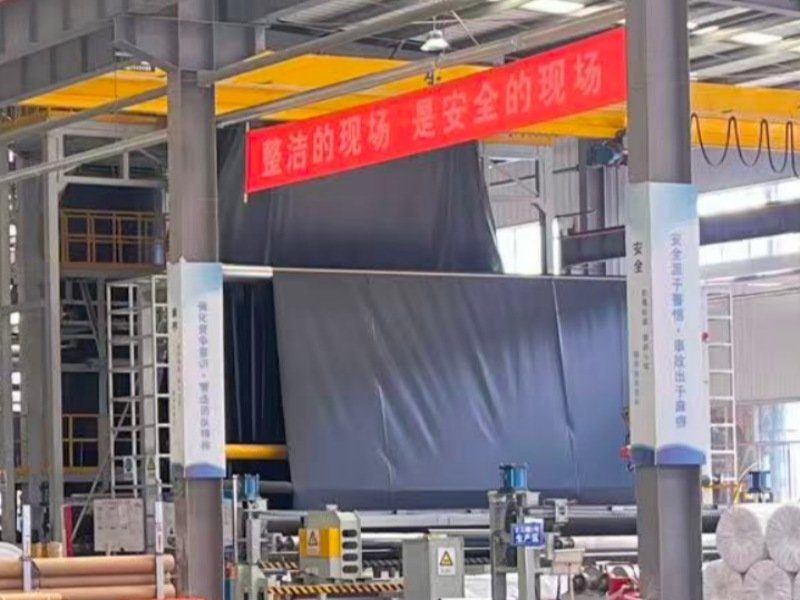
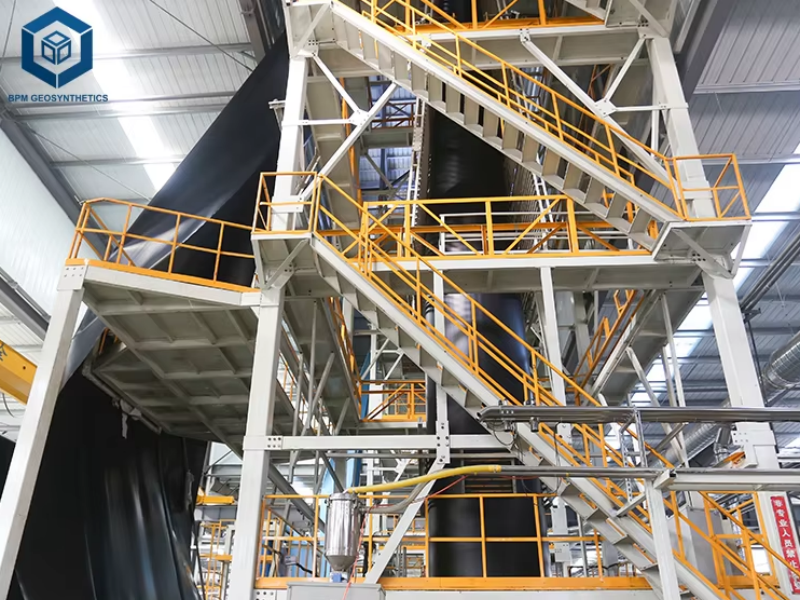
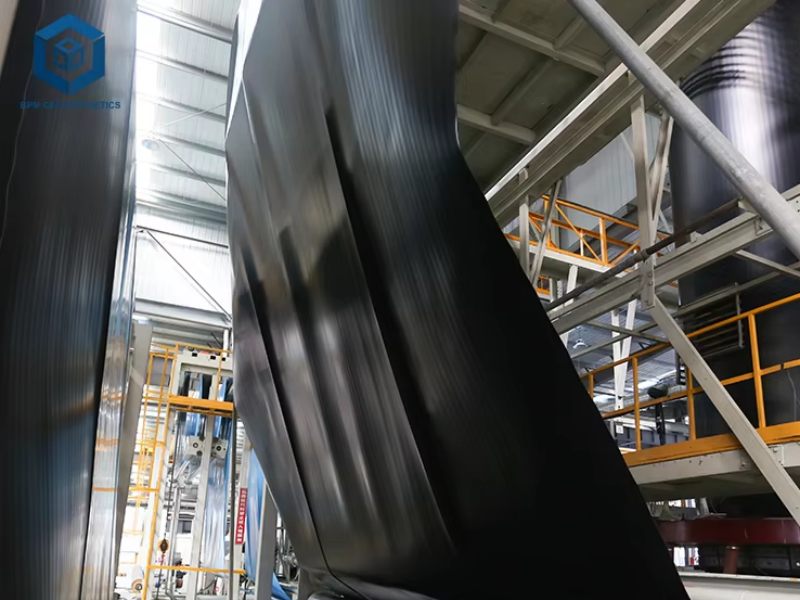
BPM Geosynthetics maintains strict thickness control on its 500 micron production lines, delivering reliable performance for pond and containment projects.
2.3 500 Micron Plastic Sheet Price – Project Size and Scale
Economies of scale strongly affect unit pricing:
- Small projects (<5,000–10,000 square feet): Higher per-square-foot costs ($0.40–$1.50) due to fixed setup, cutting, and minimum-order considerations.
- Medium projects (10,000–50,000 square feet): Improving efficiency and moderate volume discounts.
- Large projects (>50,000 square feet): Lower unit costs ($0.15–$0.60 for standard grades) through continuous production runs, bulk resin purchasing, and optimized logistics. Discounts of 15–25 percent are common for container-load orders.
Custom widths or short runs increase costs by 5–15 percent due to changeover and waste. A 50,000-square-foot aquaculture project using 500 micron HDPE can achieve material pricing toward the lower end of the published ranges.
2.4 500 Micron Plastic Sheet Price – Installation Method and Labor
Installation frequently accounts for 20–50 percent of total project cost:
- Seaming methods: Hot-wedge or extrusion welding for HDPE produces high-integrity seams and typically costs $0.10–$0.50 per square foot for labor and equipment. Adhesive or tape methods for lighter films are less expensive but less durable.
- Labor rates: Vary significantly by region ($10–$50 per hour). Skilled welding crews command higher rates but reduce long-term leakage risk.
- Site conditions: Uneven subgrades, slopes, or the need for geotextile underlay and ballast increase placement costs. Remote locations raise mobilization expenses.
- Overlaps and waste: Standard practice requires 300–600 mm overlaps; waste factors of 5–15 percent are common.
A fully installed 500 micron HDPE pond liner system commonly ranges from $0.40–$1.80 per square foot total, depending on site complexity and labor markets.
2.5 500 Micron Plastic Sheet Price – Raw Material Quality
Resin quality is fundamental to both initial price and lifetime value:
- Virgin resin: Provides consistent mechanical properties, superior stress-crack resistance, and longer service life. It commands a 15–30 percent premium over recycled content but reduces failure risk.
- Recycled-content resin: Lowers initial cost but typically limits durability and may not meet stringent environmental or food-contact standards.
- Additives: UV stabilizers, antioxidants, and precise carbon-black dispersion add 5–15 percent to material cost yet significantly extend outdoor service life.
BPM Geosynthetics prioritizes high-quality virgin polyethylene formulations for its 500 micron sheets intended for containment applications, ensuring compliance with relevant performance standards and delivering reliable long-term results.
2.6 Transportation and Logistics
500 micron sheets are supplied in large rolls. Logistics costs include:
- Freight mode and distance: Ocean shipping plus inland transport can add $0.05–$0.25 per square foot depending on destination.
- Packaging and handling: Protective wrapping and specialized equipment add a small percentage.
- Geographic variation: Factory-gate prices are generally lower in major manufacturing regions; delivered prices in North America, Europe, and remote markets reflect higher freight components.
Manufacturers with efficient production and export logistics, such as BPM Geosynthetics, help minimize landed cost for international buyers.
2.7 Maintenance and Lifetime Costs
Initial material price is only part of the economic equation. Lifetime costs determine true value:
- Service life: Properly installed and protected 500 micron virgin HDPE sheets commonly last 10–40 years; exposed or lower-quality sheets may require replacement in 5–15 years.
- Maintenance: High-quality sheets require minimal intervention. Puncture or seam repairs cost $500–$5,000 per incident depending on accessibility.
- Performance benefits: Effective containment reduces water loss, chemical leakage, and maintenance of underlying structures, often offsetting higher initial sheet cost through operational savings.
When total cost of ownership is considered, selecting virgin-resin 500 micron HDPE for critical applications consistently delivers the lowest long-term expenditure.
3. Practical Pricing Examples and Project Considerations
For a 5,000-square-foot aquaculture pond using 500 micron smooth HDPE, material costs may range from $1,000–$4,000 before freight and installation. Total installed cost commonly falls between $2,000 and $9,000 depending on site preparation and labor. A 20,000-square-foot greenhouse or reservoir project can see material costs of $4,000–$16,000, with volume pricing improving unit rates. Large agricultural or industrial projects benefit most from bulk factory supply.
Additional factors influencing final quotations include required certifications (e.g., fish-safe, GRI-related standards where applicable), roll dimensions, surface texture, and any project-specific testing or documentation.
Conclusion
The price of a 500 micron plastic sheet is determined by polymer type (HDPE, LDPE, LLDPE, or PVC), resin quality, surface finish, order volume, logistics, and installation requirements. Current material prices generally range from $0.10 to $1.50 per square foot, with total installed costs rising by 20–50 percent or more. Selecting the appropriate polymer and quality grade matched to the project’s mechanical, chemical, and durability demands consistently provides the best balance of performance and lifecycle economy.