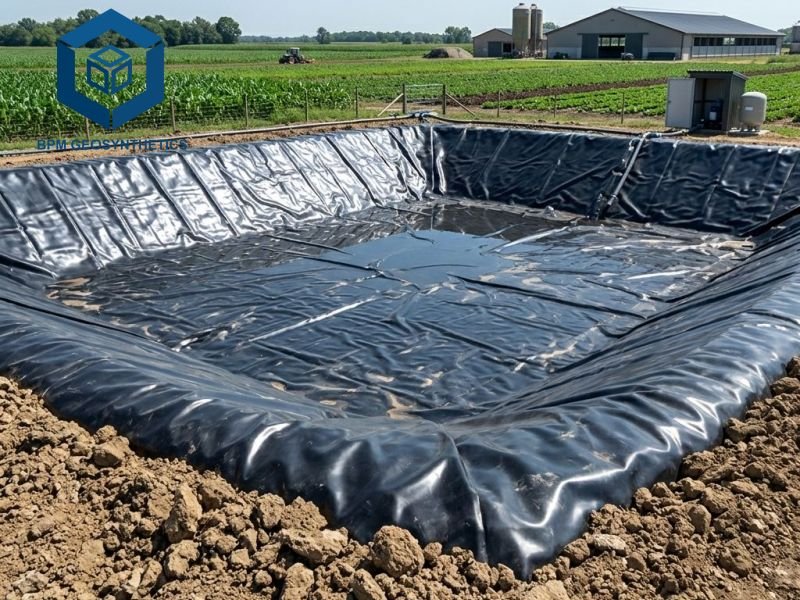
Pond liners are specialized low-permeability synthetic membranes designed to create reliable water barriers for agricultural irrigation ponds, aquaculture facilities, ornamental water gardens, livestock watering systems, stormwater retention, and recreational features. The most widely used materials are high-density polyethylene (HDPE), polyvinyl chloride (PVC), and ethylene propylene diene monomer (EPDM) rubber. Each offers distinct performance characteristics that directly influence both initial price and long-term value.
In 2025–2026, pond liner material prices typically range from approximately $0.28 to $3.00 per square foot, depending on polymer type, thickness, resin quality, surface finish, and order volume. Installation, underlayment, site preparation, and logistics can add 20–50% or more to the total project cost. Whether you are a farmer, aquaculture operator, landscape contractor, or property owner, common questions include:
- What is a pond liner and how does it work?
- How much does a pond liner cost per square foot?
- How do HDPE, PVC, and EPDM compare in price and performance?
- What factors drive the final price?
- Who is a reliable supplier for quality pond liners?
As a professional geosynthetics manufacturer and supplier, The Best Project Material Co., Ltd (BPM Geosynthetics) produces high-quality HDPE and related geomembrane pond liners that meet international standards. This comprehensive guide analyzes pond liner price per square foot from a manufacturer’s and project perspective, with detailed comparisons of HDPE, PVC, and EPDM, quantifiable data, and practical selection advice to support informed decisions.
1. What Are Pond Liners?
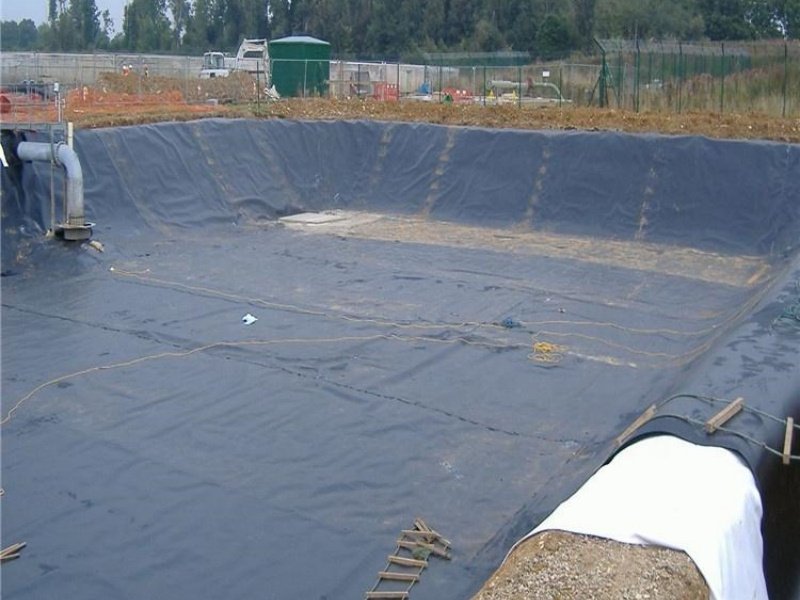
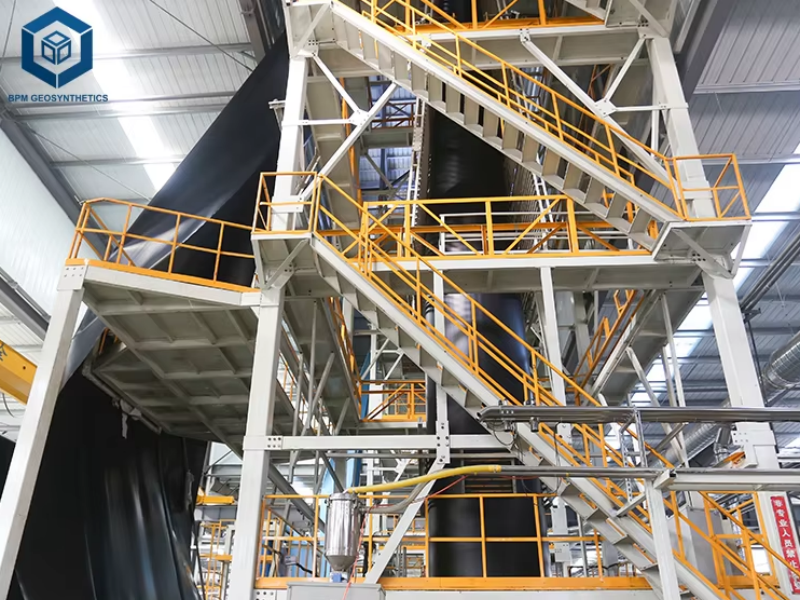
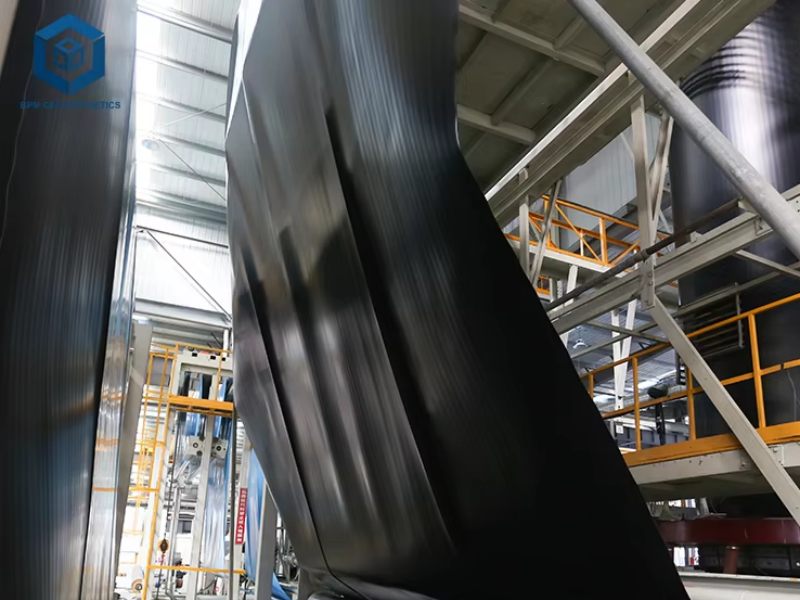
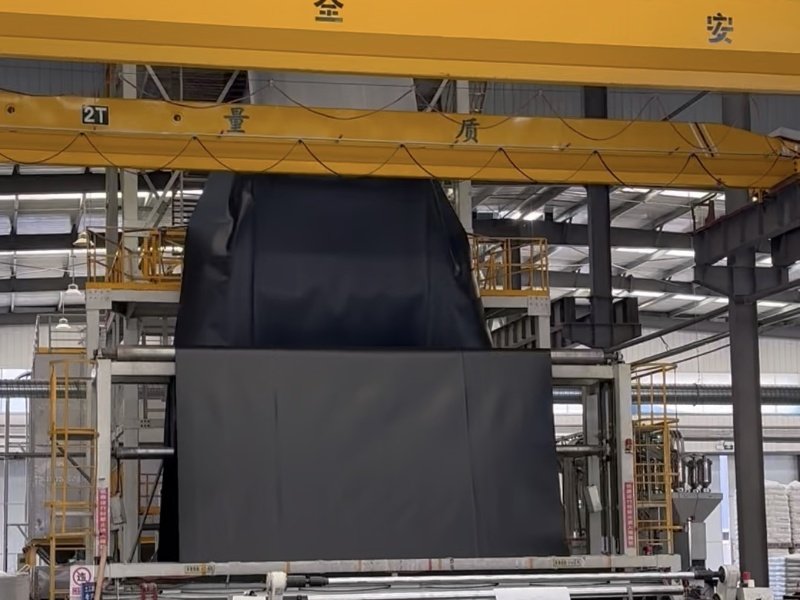
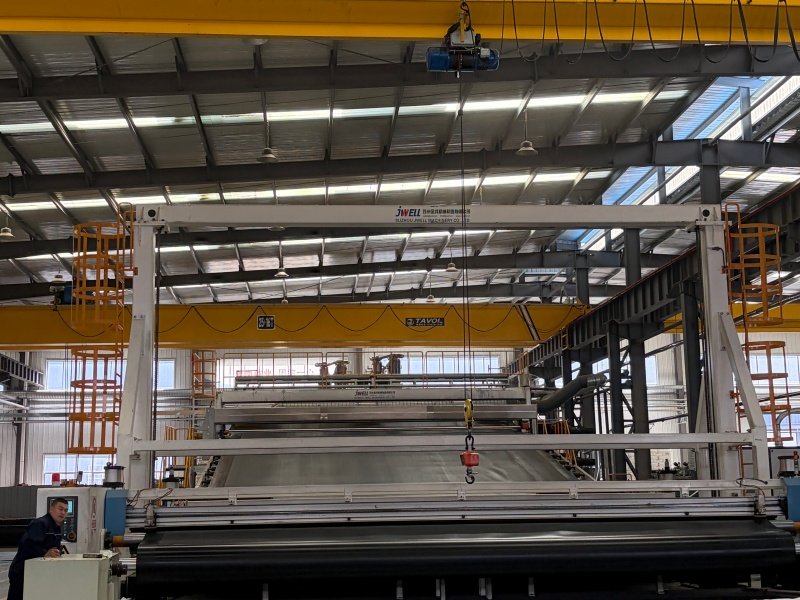
Pond liners are flexible or semi-flexible polymeric sheets engineered to prevent seepage and maintain consistent water levels. They are manufactured primarily from polyethylene (HDPE or LLDPE), PVC, or EPDM through extrusion or calendering processes and supplied in large rolls. Panels are joined in the field by thermal welding (for polyethylene) or adhesive/seaming methods (for some rubber and PVC products) to form a continuous barrier.
Key applications include:
- Agricultural and irrigation storage ponds
- Aquaculture and fish farming systems
- Ornamental and koi ponds
- Livestock watering facilities
- Stormwater and wastewater retention
- Recreational and landscape water features
Typical technical specifications that influence both performance and price include:
- Thickness: commonly 0.5 mm to 1.5 mm (20–60 mil) for most pond applications; heavier gauges for high-stress sites
- Tensile strength and elongation: vary significantly by polymer
- Puncture resistance: critical for rocky or irregular subgrades
- UV and chemical resistance
- Expected service life: 15–60+ years depending on material, thickness, exposure, and installation quality
- Fish-safe formulations available for aquaculture and ornamental use
Proper subgrade preparation, protective geotextile underlayment where needed, and correct seaming are essential for long-term performance. The choice among HDPE, PVC, and EPDM determines both the unit price per square foot and the total cost of ownership.
2. How Much Is A Pond Liner Price Per Square Foot?
Pond liner material costs in 2025–2026 generally fall between $0.28 and $3.00 per square foot. A basic thin PVC or light HDPE product for a small decorative pond may sit at the lower end, while thicker EPDM or high-performance HDPE for larger or more demanding applications reaches the higher end. Fully installed costs are higher once labor, underlayment, overlaps, and logistics are included. Below is a detailed breakdown of the key price drivers, with focused comparisons of HDPE, PVC, and EPDM.
2.1 Pond Liner Price Per Square Foot – Material Type (HDPE vs PVC vs EPDM)
Material selection is the single largest determinant of both unit price and long-term value.
High-Density Polyethylene (HDPE)
- Typical material price range: $0.40–$1.30 per square foot for common pond thicknesses; up to $0.50–$3.00 per square foot for thicker or textured grades.
- Key properties: High tensile strength (often 15–40 kN/m), excellent chemical resistance, good UV stability when formulated with carbon black, density approximately 0.94 g/cm³, and very low permeability.
- Primary advantages: Outstanding durability and longevity (frequently 20–60 years when buried or protected), cost-effectiveness for larger projects, weldable seams of high strength, and suitability for agricultural and aquaculture use.
- Best suited for: Farm ponds, irrigation reservoirs, large aquaculture systems, and projects prioritizing long service life and value.
- Limitations: Lower flexibility than EPDM or PVC; more care required on highly irregular subgrades.
HDPE dominates many commercial and agricultural applications because it delivers reliable containment at a competitive price per square foot when specified at appropriate thickness.
Polyvinyl Chloride (PVC)
- Typical material price range: $0.30–$1.50 per square foot; often $0.35–$1.00 for standard grades.
- Key properties: High flexibility and elongation, relatively easy field seaming in many formulations, lighter weight.
- Primary advantages: Lowest initial material cost among the three main options, good conformability to complex shapes, and availability in fish-safe versions for some products.
- Best suited for: Small decorative ponds, temporary installations, and budget-sensitive projects where long-term UV exposure is limited.
- Limitations: Generally shorter service life (often 8–15 or up to 20 years when fully protected), lower puncture and UV resistance compared with HDPE or EPDM, and many formulations require covering or underlayment for durability. Not all PVC is fish-safe.
PVC is frequently chosen when upfront material cost is the primary constraint and the pond is small or can be fully protected from prolonged sunlight.
Ethylene Propylene Diene Monomer (EPDM)
- Typical material price range: $0.70–$2.30 per square foot; commonly $0.75–$2.00 for quality 45–60 mil products.
- Key properties: Excellent flexibility and elongation (often 300–600%), strong UV and ozone resistance, good puncture resistance in thicker grades, and widely available fish-safe formulations.
- Primary advantages: Superior conformability to irregular shapes and contours, ease of installation on complex sites, proven performance in ornamental and koi ponds, and long service life (frequently 20–50 years with proper installation).
- Best suited for: Ornamental ponds, koi and wildlife ponds, sites with uneven subgrades, and projects where flexibility and fish safety are priorities.
- Limitations: Higher material cost per square foot than PVC or basic HDPE; heavier weight can increase shipping costs.
EPDM commands a premium price because of its flexibility and durability in exposed or semi-exposed conditions, making it popular for high-visibility residential and landscape applications.
Comparative Overview (Approximate 2025–2026 Material Ranges)
Parameter | HDPE | PVC | EPDM |
Typical Price/sq ft | $0.40–$1.30 (up to $3.00) | $0.30–$1.50 | $0.70–$2.30 |
Common Thickness | 0.5–1.5 mm (20–60 mil) | 0.5–1.0 mm (20–40 mil) | 0.75–1.5 mm (30–60 mil) |
Lifespan (typical) | 20–60 years | 8–20 years | 20–50 years |
Flexibility | Moderate | High | Very High |
Best Primary Use | Large/agricultural | Small/decorative | Ornamental/koi |
These ranges are approximate bulk or project pricing and vary with thickness, quality, and volume.
2.2 Pond Liner Price Per Square Foot – Thickness
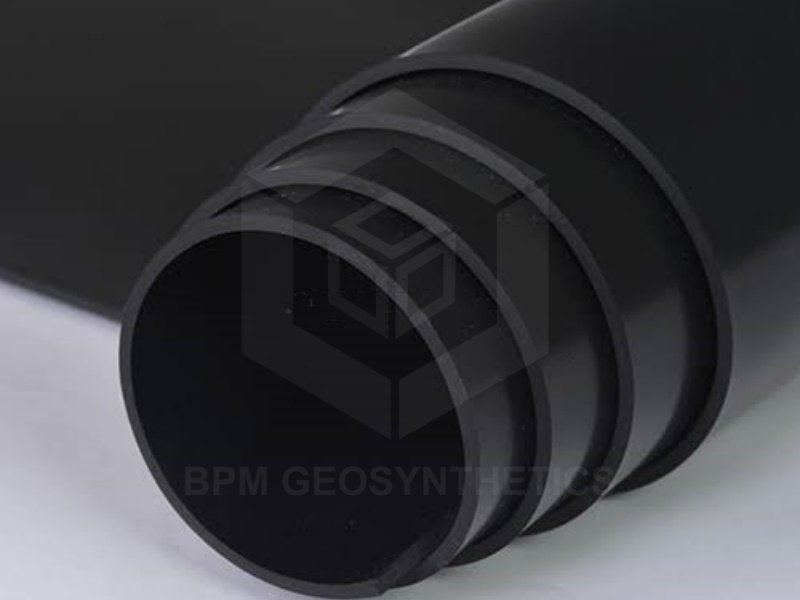
Thickness is a major price driver because resin consumption increases nearly linearly with gauge while mechanical performance improves.
Approximate relationships for quality materials:
- 5 mm (20 mil): Lowest cost bracket; suitable for low-stress or temporary ponds.
- 75–1.0 mm (30–40 mil): Common mid-range for many agricultural and medium ponds; balances cost and durability.
- 14–1.5 mm (45–60 mil): Higher cost; preferred for EPDM ornamental ponds and more demanding HDPE applications.
- Thicker gauges (above 1.5 mm): Used for high-load or high-risk sites and carry correspondingly higher prices.
Moving up one major thickness step often increases material cost by 30–60% or more while delivering measurable gains in puncture resistance and expected service life. Project specifications should select the minimum thickness that still meets design requirements.
2.3 Pond Liner Price Per Square Foot – Project Size and Scale
Economies of scale significantly affect unit pricing.
- Small projects (under 1,000–5,000 sq ft): Higher per-square-foot prices due to setup, custom cutting, and limited volume leverage. Retail or small-quantity purchases can be 50–150% higher than bulk.
- Medium to large projects (10,000+ sq ft): Lower unit costs through bulk production and reduced overhead. Volume discounts of 10–30% are common.
- Custom shapes or non-standard dimensions: Can increase effective cost by 10–25% due to additional cutting, welding, and waste.
Large agricultural or aquaculture ponds benefit most from scale efficiencies when using HDPE.
2.4 Pond Liner Price Per Square Foot – Installation Method and Labor
Installation often accounts for 20–50% of total project cost and is critical to performance.
- Welding (HDPE/LLDPE): Hot-wedge or extrusion welding produces high-strength seams and typically costs $0.30–$0.75 per square foot including skilled labor and equipment.
- Adhesive or tape seaming (common with EPDM and some PVC): Can be simpler on irregular shapes but requires careful execution.
- Site conditions: Rocky or uneven subgrades increase preparation time and the need for underlayment. Remote access or cold weather can further raise costs.
- Labor rates: Vary by region; skilled crews reduce the risk of damage and ensure proper overlaps and anchoring.
Poor installation can shorten effective service life substantially, making qualified labor a worthwhile investment.
2.5 Pond Liner Price Per Square Foot – Raw Material Quality
Resin or polymer quality directly influences both initial price and lifetime cost.
- Virgin resin: Higher initial price but superior mechanical properties, consistency, and longevity. Preferred for permanent installations and regulatory projects.
- Recycled content: Lower initial price but generally reduced performance and shorter service life. Suitable mainly for temporary or non-critical uses.
- Additives: UV stabilizers, antioxidants, and carbon black add a modest percentage to cost while extending service life under exposure.
- Fish-safe formulations: Important for aquaculture and ornamental ponds; may carry a small premium.
Certified products that meet recognized standards reduce the risk of premature failure and associated remediation expenses.
2.6 Transportation and Logistics
Pond liner rolls are bulky. Logistics costs depend on distance, mode of transport, packaging, and order volume. Shipping can add $0.05–$0.30 per square foot or more depending on destination and weight (EPDM is typically heavier). Manufacturers with efficient production locations and logistics networks help control delivered cost. Bulk orders and consolidated shipments improve efficiency.
2.7 Maintenance and Lifetime Costs
Initial material price is only part of the total cost of ownership.
- High-quality HDPE and EPDM liners typically require minimal routine maintenance beyond inspection.
- Repair costs for punctures or seam issues can range from hundreds to several thousand dollars per incident.
- Service life differences are substantial: quality HDPE or EPDM can last decades longer than basic PVC under similar conditions.
- Failure consequences include water loss, operational disruption, and potential environmental or regulatory issues.
Evaluating pond liner price on a lifetime basis consistently favors properly specified, higher-quality materials for permanent installations.
3. Additional Factors Influencing Pond Liner Price Per Square Foot
Other variables include surface finish (smooth versus textured), required certifications and testing, custom formulations, current resin market conditions, currency fluctuations, and local regulations. Protective geotextile underlayment, while adding to initial cost, often reduces the risk of puncture and can lower long-term expenses. Overlaps and waste typically require 10–20% extra material beyond the calculated pond surface area.
4. How to Choose the Right Pond Liner and Optimize Cost
- Define the primary use (agriculture, aquaculture, ornamental, temporary), expected design life, subgrade conditions, and any fish or environmental requirements.
- Calculate the true liner area needed, including depth, side slopes, and anchoring overlap.
- Select the polymer and minimum thickness that meet performance needs without unnecessary over-specification.
- Prioritize virgin-resin or high-quality formulations with relevant test data for permanent ponds.
- Request quotations based on total delivered and installed cost rather than unit price alone.
- Factor installation quality, underlayment, and long-term maintenance into the evaluation.
- Partner with experienced manufacturers that provide technical support, consistent quality, and complete documentation.
For most large or agricultural ponds, HDPE often delivers the best balance of price per square foot and long-term value. For highly contoured ornamental or koi ponds, EPDM’s flexibility frequently justifies its higher unit price. PVC remains a budget option for smaller, protected applications.
For accurate, project-specific pricing on HDPE and related geomembrane pond liners, contact The Best Project Material Co., Ltd (BPM Geosynthetics). Provide details of pond dimensions, preferred thickness, polymer type, application, and delivery location to receive a tailored quotation and expert technical assistance.
Conclusion
How Much Is A Pond Liner Price Per Square Foot? In 2025–2026, material prices typically range from approximately $0.28 to $3.00 per square foot. HDPE generally offers the most competitive price and strongest long-term value for agricultural and large-scale applications ($0.40–$1.30 per square foot for common thicknesses). PVC provides the lowest initial cost for small or temporary ponds ($0.30–$1.50 per square foot) but with shorter expected service life. EPDM commands a premium ($0.70–$2.30 per square foot) for its superior flexibility and performance in ornamental and fish ponds.
By carefully matching material and thickness to project requirements, prioritizing quality resin, leveraging volume purchasing where possible, and working with reliable manufacturers, buyers can achieve dependable water containment at the lowest reasonable total cost of ownership. A properly selected and installed pond liner protects the water resource, supports the intended use, and delivers decades of reliable service.
For current pricing, technical data, and customized recommendations, contact The Best Project Material Co., Ltd (BPM Geosynthetics) today. Share your project details to receive a detailed quotation and professional support.