1. What Is a 500 Micron Pond Liner?
A 500 micron pond liner is a synthetic waterproofing membrane made from high-density polyethylene (HDPE). Manufacturers measure liner thickness in microns, and 500 microns equals 0.5mm. This thickness hits a sweet spot for many pond owners: it offers enough strength to resist punctures while remaining flexible and affordable. Consequently, 500 micron pond liners have become increasingly popular for small to medium-sized water features.
1.1 Understanding Pond Liner Thickness Measurements
Thickness determines a liner’s strength, durability, and cost. The industry uses several units, including microns, millimeters, and mils. One micron equals 0.001 mm, so 500 microns equals 0.5mm or approximately 20 mils. Therefore, when you compare products, always convert measurements to the same unit to avoid confusion.
1.2 What Does 500 Micron Mean in Practical Terms?
In practical terms, a 500 micron liner feels similar to a heavy-duty tarp but performs far better. It withstands foot traffic during installation, resists root penetration, and handles normal water pressure without stretching. However, it weighs less than thicker alternatives, which makes handling and installation easier for DIY enthusiasts and contractors alike.
1.3 HDPE vs. Other Materials for 500 Micron Pond Liners
HDPE dominates the 500 micron market, yet other materials exist. Let’s compare them:
Material | Thickness | UV Resistance | Chemical Resistance | Lifespan | Best Use |
HDPE | 500 microns | Excellent | Excellent | 20+ years | Fish ponds, irrigation, water storage |
PVC | 500 microns | Moderate | Good | 10–15 years | Small garden ponds |
EPDM | 500 microns | Good | Moderate | 15–20 years | Decorative ponds |
LDPE | 500 microns | Fair | Moderate | 5–10 years | Temporary projects |
HDPE wins on durability and chemical resistance. Therefore, most professionals recommend HDPE for long-term installations.
2. Why Choose a 500 Micron Pond Liner?
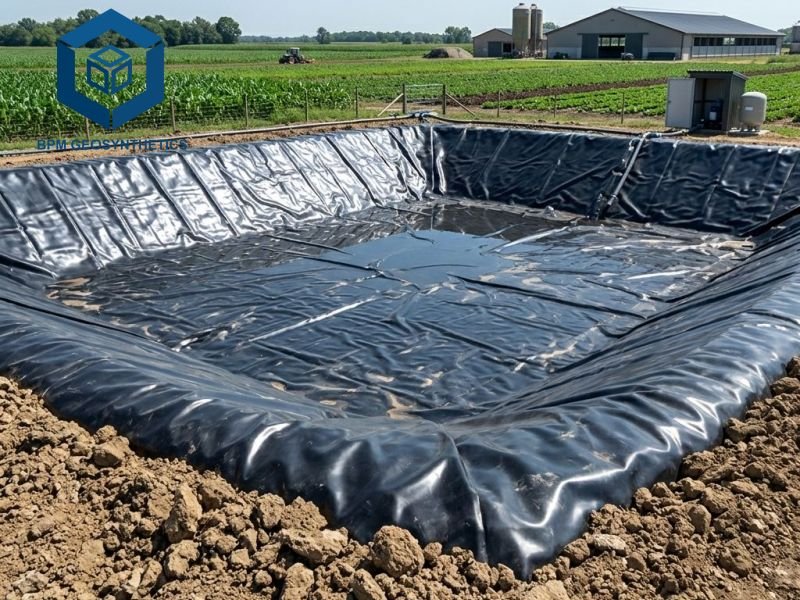
Pond owners choose 500 micron HDPE liners for several compelling reasons. The material balances performance, price, and ease of installation better than most alternatives.
2.1 Key Benefits of 500 Micron HDPE Geomembrane
First, HDPE geomembrane delivers exceptional tensile strength, so it resists tearing during installation and service. Second, it provides outstanding puncture resistance against rocks, roots, and sharp debris. Third, it remains flexible enough to conform to uneven pond bottoms. Moreover, it resists a wide range of chemicals, which makes it suitable for agricultural and industrial applications.
2.2 Durability and Lifespan Expectations
A properly installed 500 micron HDPE liner typically lasts 20 years or more. Sun exposure, chemical contact, and physical damage affect lifespan, but HDPE outperforms most competitors. Furthermore, manufacturers add carbon black to the polymer, which blocks UV radiation and prevents degradation.
2.3 Chemical and UV Resistance Performance
HDPE resists acids, bases, oils, and salts exceptionally well. Consequently, it works in harsh environments where other liners fail. Additionally, its UV resistance allows exposed sections to withstand sunlight without cracking or weakening.
2.4 Cost-Effectiveness for Small to Medium Ponds
A 500 micron liner costs less than thicker 1.0mm or 1.5mm options. For small to medium ponds, it provides sufficient strength at a lower price point. Therefore, budget-conscious buyers get excellent value without sacrificing quality.
3. Where Can You Use a 500 Micron Pond Liner?
You can apply a 500 micron pond liner across many applications. Its versatility makes it a favorite among farmers, landscapers, and homeowners.
3.1 Fish and Shrimp Ponds
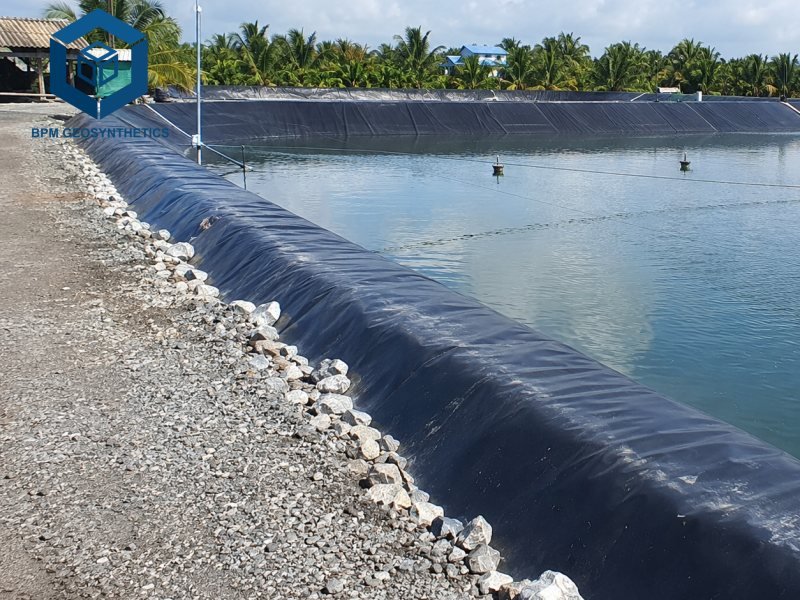
Fish and shrimp farmers choose 500 micron HDPE liners because the material is non-toxic and safe for aquatic life. The smooth surface prevents injury to fish, and the impermeable barrier keeps water clean and contained.
3.2 Garden and Decorative Water Features
Homeowners use 500 micron liners for garden ponds, waterfalls, and fountains. The material conforms to curved shapes, so it suits creative landscape designs. Additionally, it prevents water loss and reduces maintenance costs.
3.3 Agricultural Irrigation Reservoirs
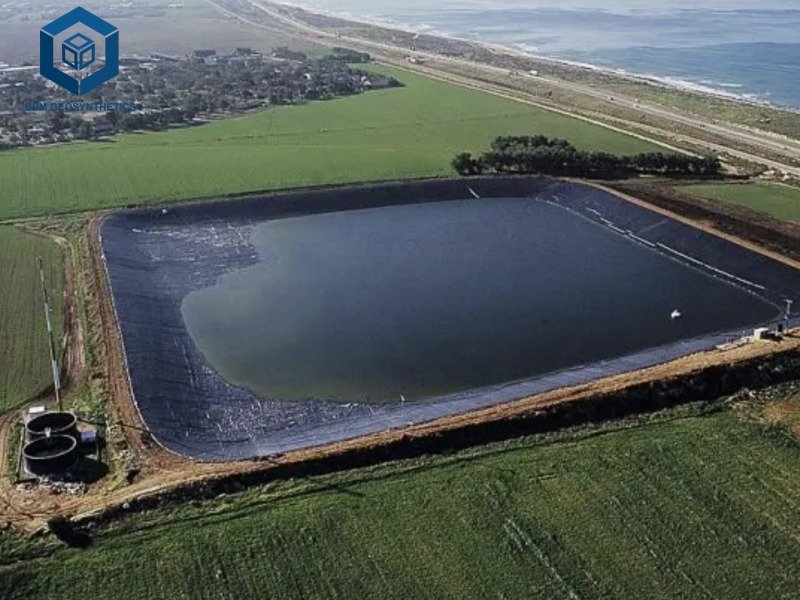
Farmers rely on 500 micron liners to store irrigation water. The liner prevents seepage, which conserves water and reduces pumping costs. Moreover, it resists fertilizer and pesticide residues that might degrade other materials.
3.4 Small Water Storage and Drainage Ponds
Construction sites and industrial facilities use 500 micron liners for temporary water storage and drainage control. The liner installs quickly and withstands heavy use during project timelines.
4. Key Specifications of a 500 Micron Pond Liner
Before you buy, review the technical specifications carefully. These details determine whether the liner meets your project requirements.
4.1 Thickness, Width, and Length Options
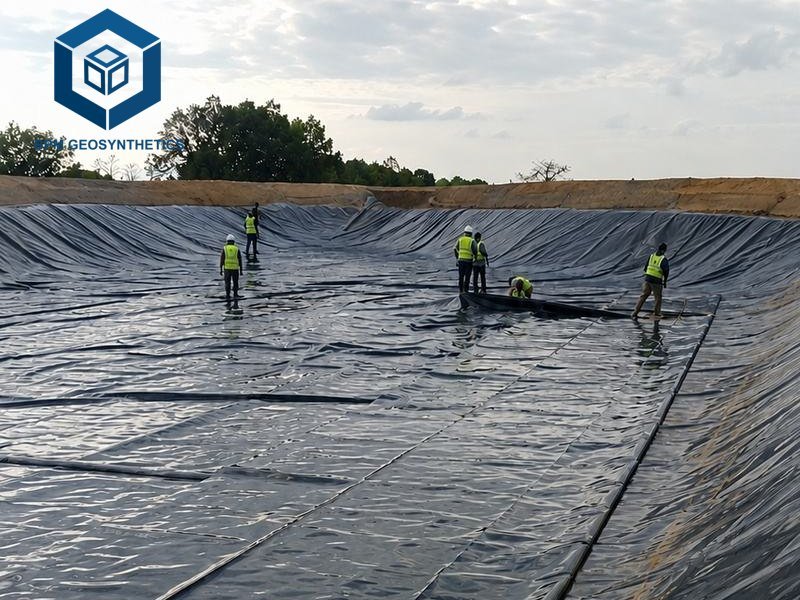
A 500 micron liner typically comes in rolls measuring 1m to 10m wide and 30m to 210m long. Manufacturers can customize dimensions for specific projects. Therefore, you can minimize waste and reduce seams by ordering the right size.
4.2 Tensile Strength and Puncture Resistance
Tensile strength measures how much pulling force the liner withstands before tearing. Puncture resistance measures its ability to resist sharp objects. Both properties matter for long-term performance. Consequently, always request test data before purchasing.
4.3 Standards and Certifications to Look For
Reputable manufacturers follow GB and GRI-GM13 standards. These standards specify testing methods and performance requirements. Additionally, ISO 9001 certification indicates a commitment to quality management.
4.4 Customization Options for Specific Projects
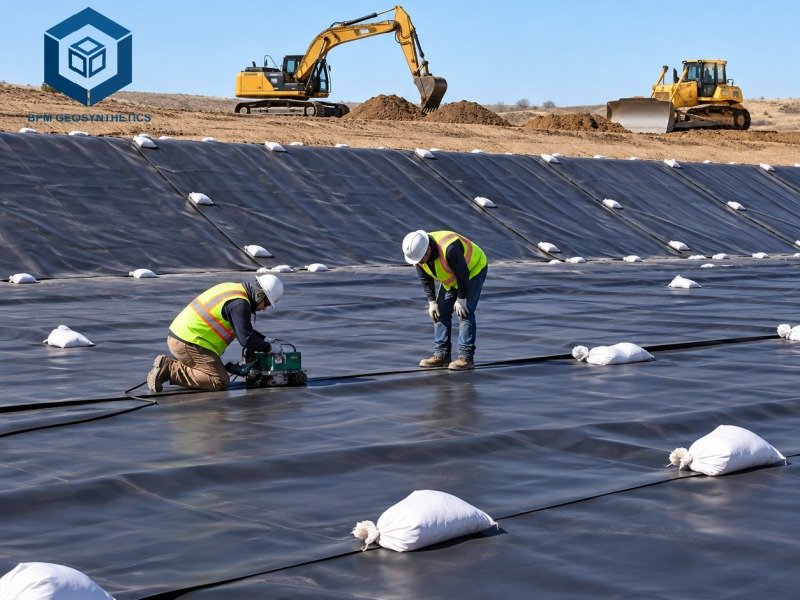
Many suppliers offer custom fabrication, including cut-to-size panels and factory-sealed seams. Customization reduces on-site installation time and improves quality control. Therefore, discuss your project needs with your supplier early.
5. How to Choose the Right 500 Micron Pond Liner Supplier
Selecting the right supplier matters as much as choosing the right product. A reliable partner delivers quality products, technical support, and timely service.
5.1 Check Product Quality and Testing Reports
Request detailed test reports for tensile strength, elongation, puncture resistance, and UV stability. Third-party laboratory results provide independent verification. Furthermore, ask for batch-specific data to ensure consistency.
5.2 Evaluate Production Capacity and Lead Time
Confirm the supplier’s monthly production capacity and current order backlog. Ask for realistic lead times based on your order quantity. A supplier with adequate capacity meets deadlines without compromising quality.
5.3 Compare Pricing and After-Sales Support
Compare total costs, including product, shipping, and any additional fees. Additionally, evaluate after-sales support, such as technical guidance, warranty terms, and responsiveness. A slightly higher price often pays off through better service.
5.4 Why BPM Geosynthetics Stands Out
BPM Geosynthetics (The Best Project Material Co., Ltd) has manufactured HDPE geomembrane since 2007. The company operates a 36,000-square-meter facility and serves customers in over 120 countries. Moreover, BPM holds ISO 9001, ISO 14001, and OHSAS 18001 certifications. They offer one-stop geosynthetic solutions, custom fabrication, and free technical consultation. Therefore, BPM Geosynthetics provides a dependable choice for your 500 micron pond liner.
Conclusion
Choosing the right 500 micron pond liner involves understanding thickness measurements, evaluating material options, and selecting a trustworthy supplier. HDPE geomembrane delivers superior durability, chemical resistance, and UV stability at a competitive price. You can use it for fish ponds, garden features, irrigation reservoirs, and water storage. By reviewing specifications, requesting test reports, and partnering with an experienced manufacturer like BPM Geosynthetics, you ensure long-lasting performance. Ultimately, a 500 micron HDPE pond liner protects your water resources and delivers value for decades.