BPM Geosynthetics leads China’s geotextile industry. We have over 18 years of production and export experience. We operate multiple production lines. This article introduces both geotextile types. We share characteristics, examples, and applications. Our knowledge comes from extensive manufacturing experience.
1.Types of geotextiles
1.1 What is filament geotextile?
BPM produces filament continuous geotextile. This material uses continuous synthetic filaments. These filaments include polyester and polypropylene. Manufacturers design it for strength and durability. It provides excellent filtration properties. Engineers use it in construction projects. “Continuous” means the filaments run uninterrupted.
1.2 What is staple fiber geotextile?
BPM makes staple fiber geotextiles too. These use discrete cut fibers. Manufacturers cut them to specific lengths. Materials include polyester and polypropylene. This represents the most common geotextile type. Geotextile factories produce it worldwide.
2. The difference between two geotextiles
2.1 Differences in raw materials between filament and staple fiber geotextile
First, fiber length differs significantly. Staple fibers range from millimeters to centimeters. Manufacturers cut them for specific applications. This length determines structure and characteristics. Filament fibers run continuously without breaks.
Second, fiber diameter varies between types. Filament geotextile uses fine fibers. These range from micrometers to hundreds of micrometers. Finer diameter improves filtration performance. It also enhances soil retention capacity.
Third, fiber density affects performance. Filament geotextile has higher fiber density. This provides greater strength and stability. Therefore it suits heavy load applications.
2.2 Differences between filament and staple fiber geotextile in physical characteristics
- Fiber Interlocking:
Filament geotextile offers superior fiber interlocking. Continuous fibers create this natural interlocking. Consequently strength and stability increase significantly.
Staple fiber geotextile has less inherent interlocking. Short fibers create random orientations. However manufacturing creates mechanical entanglement. This process improves their overall stability.
- Strength and Stiffness:
Filament geotextile exhibits higher strength overall. Continuous parallel fiber arrangement causes this. It withstands heavier loads effectively. Additionally it provides structural support.
Staple fiber geotextile may have lower strength. Random fiber orientation reduces stiffness. Nonetheless it offers sufficient strength. Many geotechnical applications work well.
- Filtration and Permeability:
Filament geotextile has smaller pore sizes. Therefore filtration efficiency improves significantly. It retains fine particles effectively. Meanwhile water passes through freely.
Staple fiber geotextile may have larger pores. Random orientation creates this structure. Consequently permeability becomes relatively higher. Water flows through more easily.
- Construction and installation:
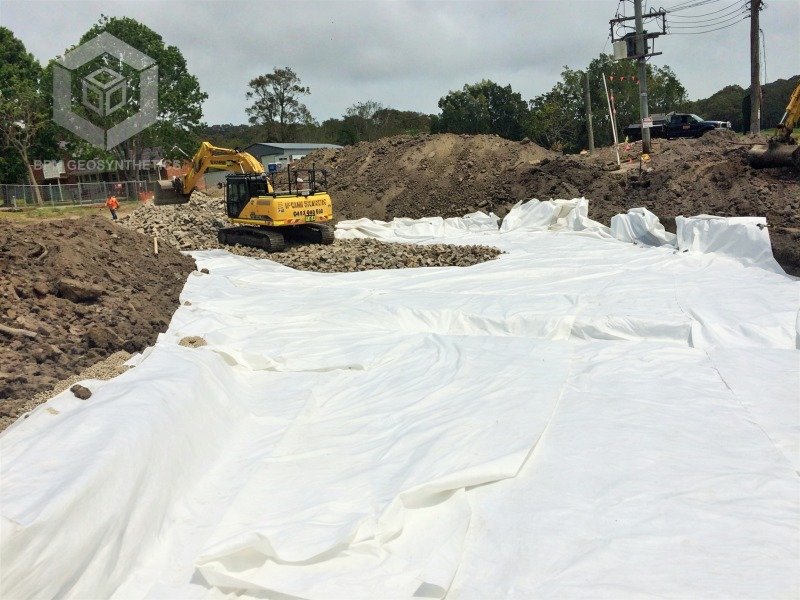
Filament geotextiles handle easily during installation. Continuous fiber characteristics enable this. Workers lay and fix them simply.
Staple fiber geotextiles may face challenges. Short fiber length creates potential issues. Fracture or separation might occur. Installation requires more careful handling.
3. Similarities between filament and staple fiber geotextile
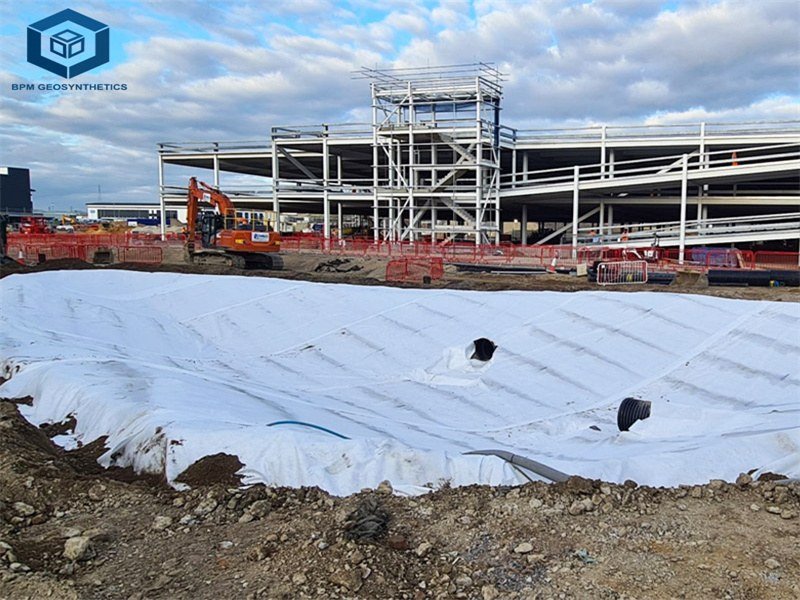
Both geotextile types serve civil engineering applications. They enhance structural stability and durability. Both provide multiple important functions. Separation and filtration are primary roles. Reinforcement and erosion prevention also matter. They improve project performance significantly.
Both geotextiles work in road construction. Slope stability projects benefit greatly. Drainage systems require their properties. Landfills depend on their functions. Coastal protection uses both types. Soil reinforcement needs their strength.
Installation methods remain quite similar. Workers unroll and place them. They prepare the surface first. Then they use mechanical fixation. Nails and pins secure them.
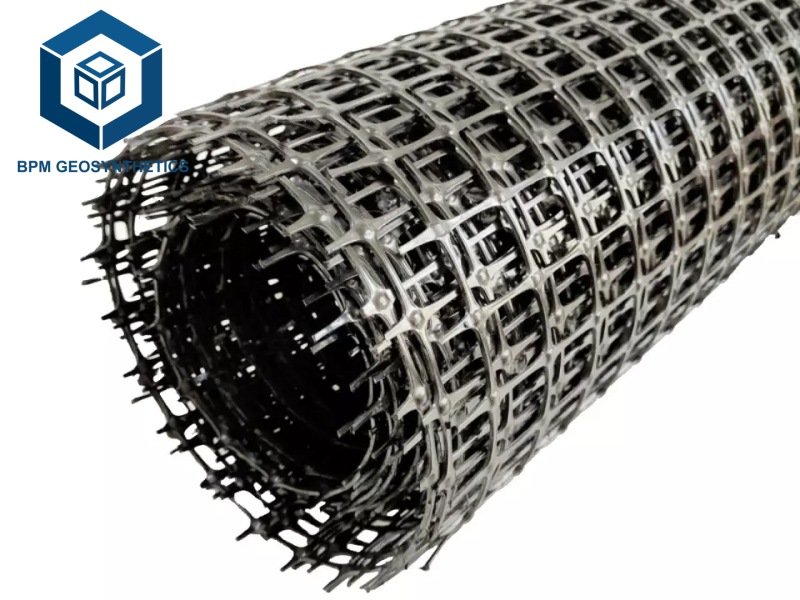
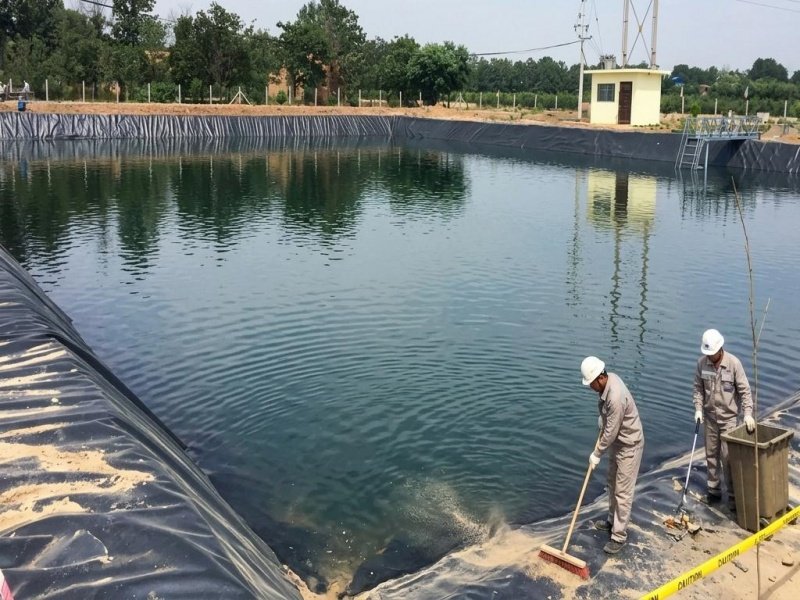
Both combine with other geosynthetics. Geomembranes work well together. Geogrids complement their functions. Additional functionality results from the combination. Overall system performance improves.
4. Differences between filament and staple fiber geotextile in recyclability
Recyclability differs significantly between types. This represents a key distinction.
- Filament Fiber Geotextile:
Filament geotextiles use continuous unbroken fibers. These fibers resist individual separation. Therefore recycling becomes quite difficult. Limited recyclability characterizes this type. Landfill disposal happens most often. Incineration occurs after useful life.
- Staple Fiber Geotextile:
Staple fiber geotextiles use shorter fibers. Random arrangement holds them loosely. Consequently separation becomes much easier. Recycling processes work effectively. Mechanical processing separates fibers easily. Chemical methods also work well. Manufacturers reuse these recycled fibers. New geotextile products emerge. Other applications also benefit.
5. Differences between filament and staple fiber geotextile in production methods
Production methods differ significantly. These differences affect final properties.
- Filament geotextile:
Filament geotextile uses continuous fibers. Spinning equipment extrudes them directly. The process melts synthetic polymers. Polyester or polypropylene works best. Extrusion occurs through spinning pores. Continuous fibers form immediately.
- Staple fiber geotextile:
Staple fiber production differs completely. Manufacturers cut continuous fibers first. They create shorter specific lengths. Then they open and arrange fibers. A network or felt forms. Mechanical methods fix them together. Needle punching works effectively. Thermal bonding also helps.

6. What are the similarities and differences between filament and staple fiber geotextiles in terms of their function?
- Same effect:
Soil separation works for both types. They separate different soil layers effectively. They prevent mixing between particles. Consequently soil stability maintains well. Engineering integrity stays protected.
Soil filtration functions similarly. Both retain solid particles well. Meanwhile water passes through freely. They prevent soil particle movement. Water remains relatively clean.
Erosion prevention matters for both. They control soil loss effectively. They stabilize soil surfaces well. Water flow cannot erode easily. Wind erosion has reduced significantly.
- Different effects:
Strength differs considerably between types. Filament geotextile offers high tensile strength. Continuous fibers create this advantage. Staple fiber provides good strength. However filament outperforms it generally.
Filtration performance varies too. Filament structure may limit filtration. Very small particles might pass through. Staple fiber filters more effectively. Tighter entanglement catches small particles.
Construction adaptability differs significantly. Staple fiber length adjusts easily. Manufacturers customize for specific needs. Filament has a uniform length. Therefore adjustment becomes difficult.
7. Applications of filament and staple fiber geotextile
- Filament geotextile:
River protection uses filament geotextile. Bank slope protection works well. Beach protection prevents erosion. River restoration benefits greatly. Water erosion reduces significantly. Wave impact decreases substantially. Soil stability increases notably.
Artificial wetlands need filament geotextile. Wetland filters function effectively. Vegetation restoration succeeds better. Water quality is maintained properly. Ecosystems receive good protection. Filtration works excellently.
Mine reclamation projects use it. Soil structure restoration happens. Vegetation recovery improves greatly. Soil erosion has reduced significantly. Environmental pollution decreases. Mining areas recover faster.
Soil conservation employs filament geotextile. Slope management becomes effective. Vegetation restoration succeeds. Water flow velocity reduces. Infiltration increases substantially. Soil water retention improves. Water resource loss decreases.
- Staple fiber geotextile:
Landfills use staple fiber extensively. Covering systems need its properties. Leachate flow controls effectively. Pollutant diffusion is prevented completely. Isolation functions work well. Filtration performs adequately. Anti-seepage protects groundwater. The surrounding environment stays safe.
Pipeline protection uses this material. Corrosion prevention works effectively. Damage protection matters greatly. Protective layers surround pipes. Soil movement reduces significantly. External environment impact decreases.
Green walls need staple fiber geotextile. Green roof systems benefit greatly. Plant growth improves noticeably. Soil moisture maintains well. Support and protection help roots. Ecological environment improves. Plants grow firmly.
Roadbed reinforcement uses this type. Stability increases substantially. Bearing capacity improves greatly. Soil settlement reduces effectively. Lateral displacement minimizes. Road durability enhances. Safety improves significantly.
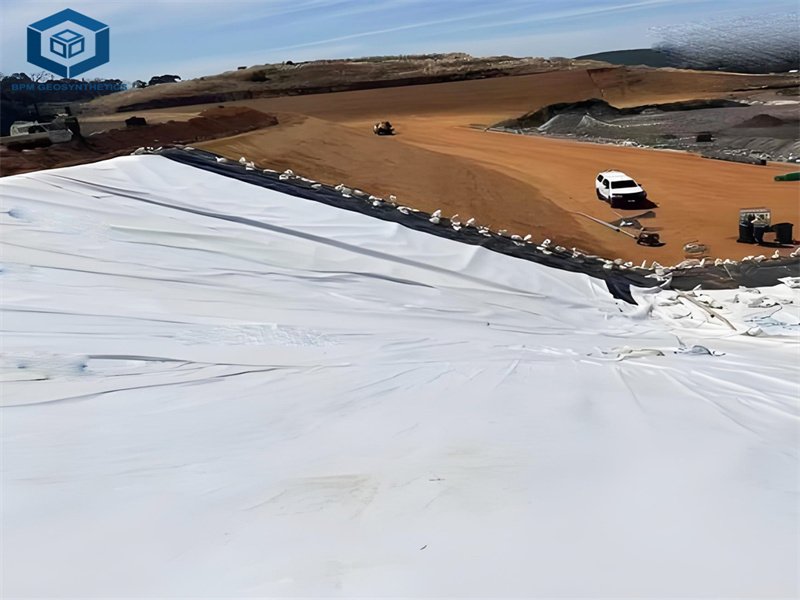
Overall selection depends on requirements. Filament suits large engineering projects. High strength projects need it. Durability demands favor filament. Impermeability requirements match filament. Staple fiber fits small projects. Filtration functions suit it. Drainage applications work well. Soil conservation needs it. Vegetation restoration benefits greatly. Choose based on specific needs. Consider soil conditions carefully. Budget matters in selection. Contact BPM Geosynthetics for guidance. We provide professional advice.