1.Introduction
High-density polyethylene (HDPE) geomembranes are widely used for containment applications in waste management, mining, water resources, and environmental protection. Among the available thicknesses, 60 mil (1.52 mm) HDPE liners strike a balance between economy and performance. This article outlines the primary advantages of using 60 mil HDPE liners, explains suitable applications, and summarizes practical considerations for design, installation, and long-term performance.
2.Key Advantages
2.1Improved Mechanical Strength
- Puncture and Tear Resistance: A 60 mil HDPE liner offers greater resistance to puncture and tear compared with thinner liners (e.g., 30–40 mil). The extra material thickness helps absorb and distribute localized loads from sharp objects, rock fragments, or construction traffic.
- Tensile and Impact Strength: Thicker sheets exhibit higher tensile strength and better resistance to mechanical impacts during installation and service life, reducing the risk of failures caused by handling or unexpected stresses.
2.2Enhanced Chemical and Corrosion Resistance
- Chemical Compatibility: HDPE has excellent resistance to a wide range of chemicals, including many acids, alkalis, and organic solvents. The 60 mil thickness provides a larger safety margin against permeation and potential chemical degradation, particularly in aggressive or unknown leachates.
- Long-Term Durability: Increased thickness slows down any through-thickness degradation processes, improving the liner’s ability to maintain integrity over extended service lives in chemically challenging environments.
2.3Better Resistance to Environmental Stress Cracking (ESC)
- Lower ESC Susceptibility: Environmental stress cracking is a primary failure mode for polyethylene geomembranes. A thicker HDPE liner reduces localized stress concentrations and provides more material to resist crack initiation and propagation.
- Increased Service Life: The reduction in ESC risk contributes to longer functional life under fluctuating mechanical loads and temperature cycles.
2.4Improved UV and Weathering Performance
- UV Exposure Tolerance: While HDPE resins used for geomembranes are typically stabilized with carbon black and antioxidants, increased thickness offers additional buffer against gradual UV-related degradation, especially in exposed applications.
- Weathering Durability: The 60 mil product can better tolerate surface weathering and minor abrasion without immediate loss of performance.
2.5Enhanced Leak Detection and Repair Tolerance
- Easier Leak Location: Thicker liners can produce more distinct signals in some leak-detection systems (e.g., electrical leak location methods), improving detectability of defects.
- Repair Robustness: When repairs are required, larger-thickness material provides more margin for creating secure seams and patches with robust heat-welded repairs that restore mechanical integrity.
2.6Better Performance under Settlement and Differential Movement
- Flexibility vs. Stiffness Balance: A 60 mil HDPE liner maintains enough flexibility to accommodate minor differential settlement while providing stiffness that resists deformation under load. This balance helps prevent wrinkles that can cause stress concentrations and subsequent failures.
- Resilience to Load Cycling: In applications with repetitive loading (e.g., vehicle traffic, fluctuating water levels), thicker liners resist fatigue and retain sealing performance longer.
2.7Economical for Medium- to Long-Term Projects
- Lifecycle Value: Although thicker geomembranes cost more per square foot than thinner options, the improved durability, reduced repair frequency, and lower risk of costly leakage events often yield better lifecycle economics for medium- and long-term projects.
- Reduced Maintenance Costs: Fewer failures and longer intervals between maintenance or replacement translate to lower operational expenses over the project lifetime.
3.Common Applications Suited to 60 mil HDPE Liner
- Municipal and industrial landfill liners and caps (secondary containment)
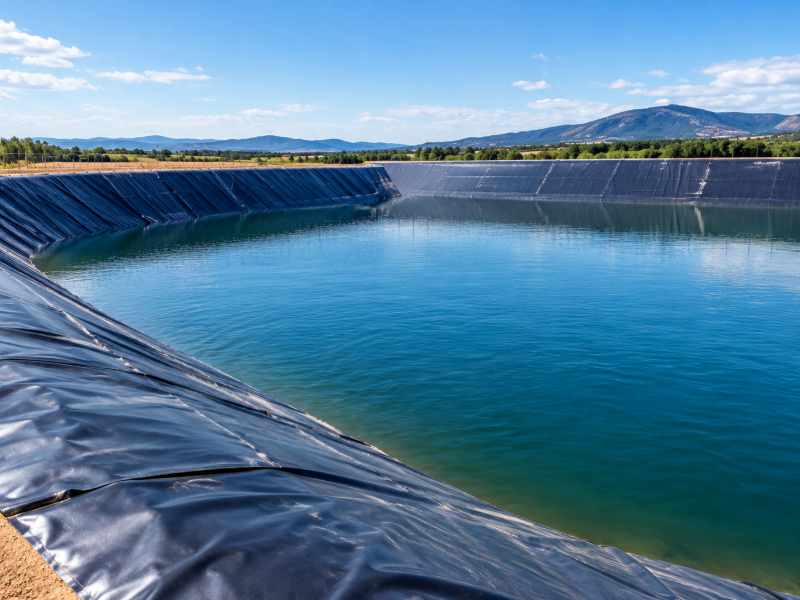
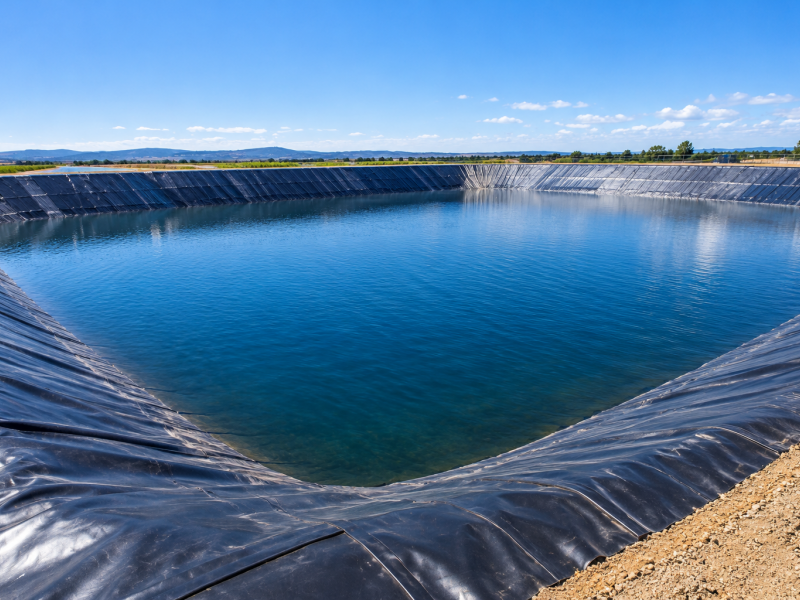
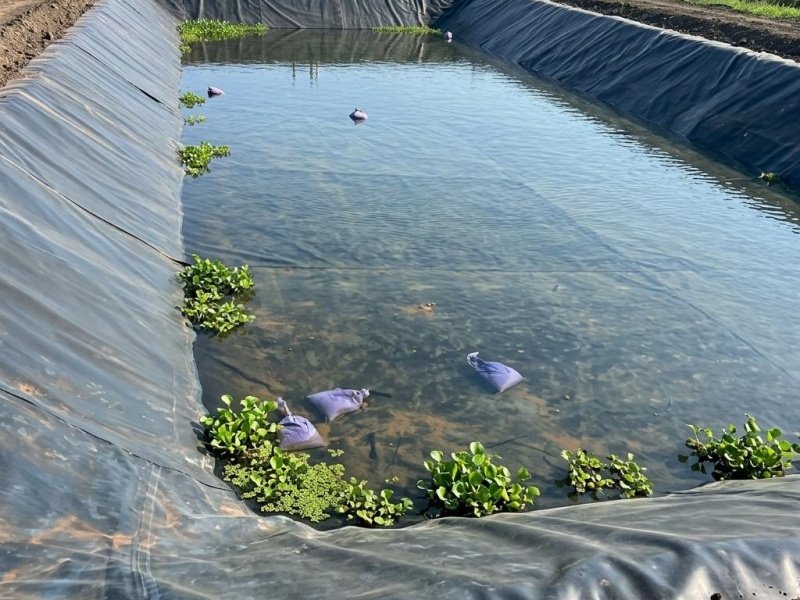
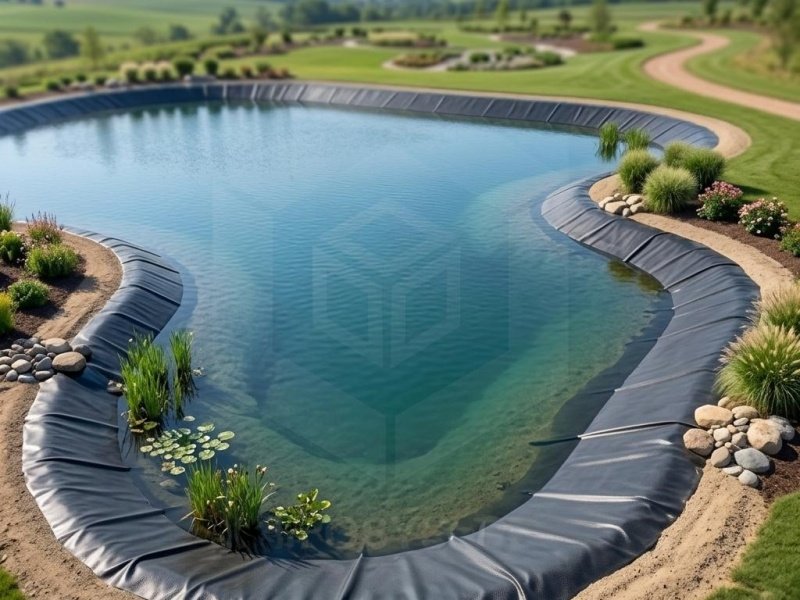
- Pond and reservoir liners for irrigation, aquaculture, or stormwater retention
- Coal and mining slurry ponds, heap leach pads (where chemical exposure is moderate to high)
- Tailings storage facilities with moderate mechanical risk
- Secondary containment for tanks, loading areas, and chemical storage
- Canal and channel lining where abrasion and puncture risk is present
4.Comparison Table (Quick Reference)
Characteristic | 40 mil HDPE | 60 mil HDPE (Advantages) | 80–120 mil HDPE |
Puncture/Tear Resistance | Moderate | Higher — better protection | Highest |
Chemical Resistance | High | Higher safety margin | Highest |
Environmental Stress Cracking | Moderate risk | Lower risk | Lowest risk |
Flexibility | More flexible | Balanced flexibility/stiffness | Less flexible |
Cost per area | Lower | Moderate | Higher |
Lifecycle value | Good | Better for medium–long term | Best for extreme needs |
Installation ease | Easier to handle | Slightly more handling care | Heaviest, ha |
5.Design and Installation Considerations
- Subgrade Preparation: Proper subgrade grading, compaction, and removal of sharp objects remain essential regardless of thickness; thicker liners reduce but do not eliminate risk from poor subgrade conditions.
- Seaming Quality: Heat-welded seams must be tested (e.g., destructive seam tests, nondestructive surveys) to ensure joint integrity. Proper training and QA/QC are critical.
- Thermal Effects: HDPE is temperature-sensitive; provide allowances for thermal expansion/contraction, particularly on large exposed surfaces.
- Anchor and Transition Details: Ensure anchors, terminations, and penetrations are designed to avoid stress concentrations; thicker liners may require different welding parameters and hardware.
- Compatibility Testing: For unusual chemical exposures, perform laboratory compatibility tests to confirm suitability and estimate expected permeation/aging rates.
6.Limitations and Considerations
- Handling and Welding: Thicker geomembrane sheets are heavier and stiffer, requiring more effort and possibly larger equipment for seaming and deployment.
- Cost Tradeoff: While 60 mil offers lifecycle benefits, extremely aggressive or high-mechanical-risk sites may warrant 80–120 mil liners despite higher initial cost.
- Project-Specific Selection: Final thickness should be selected based on risk assessment, regulatory requirements, and expected service conditions rather than as a one-size-fits-all choice.
7.Conclusion
60 mil HDPE liner provides a strong compromise between cost, durability, and performance for many civil and environmental containment applications. Its advantages include improved puncture and chemical resistance, reduced environmental stress cracking risk, better weathering tolerance, and improved lifecycle value for medium- to long-term projects. Proper design, subgrade preparation, and quality-controlled installation are still required to realize these benefits.