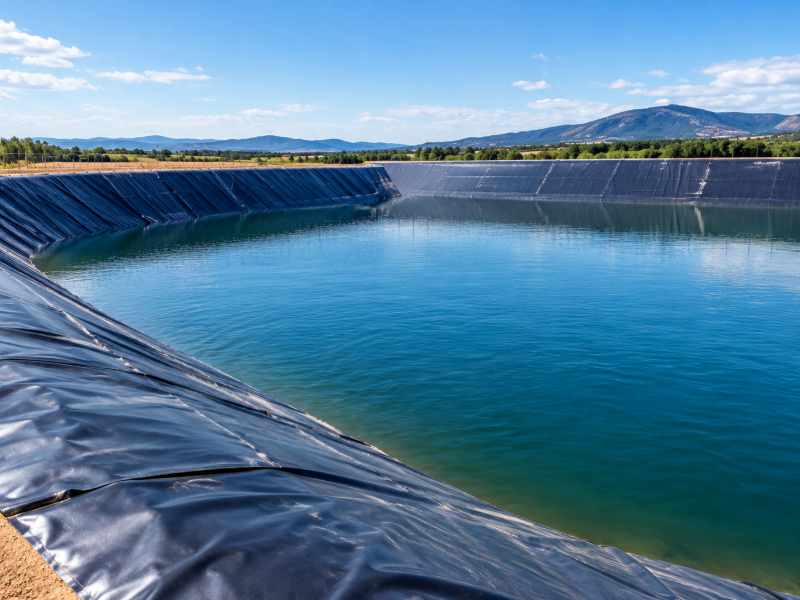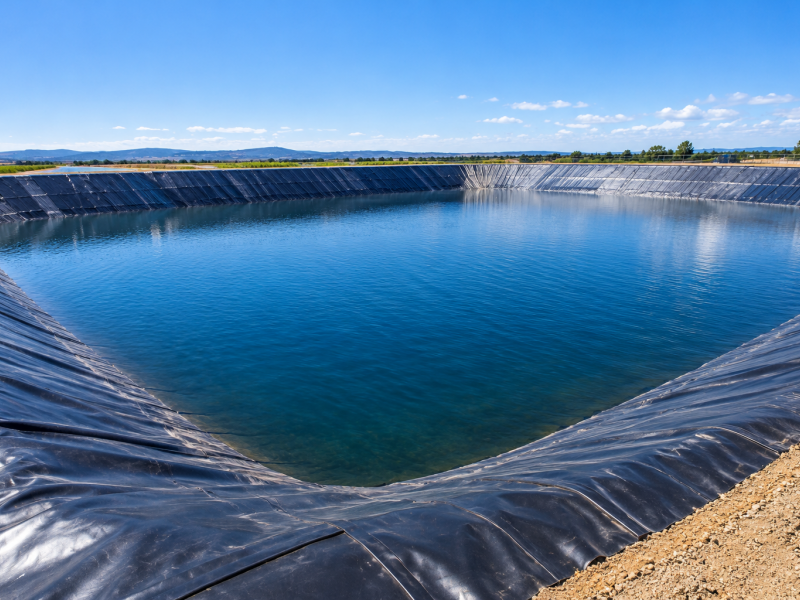
Choosing the right geomembrane for biogas digesters is essential for maintaining reliable containment, protecting the environment, and supporting long-term biogas production. Whether you are developing an agricultural biogas lagoon, an industrial anaerobic wastewater treatment system, or a large-scale renewable energy project, the right liner can make a significant difference in durability, installation efficiency, and overall project costs.
However, not all geomembranes offer the same performance. Factors such as chemical resistance, flexibility, tensile strength, gas permeability, UV resistance, and installation requirements should be carefully evaluated before making a purchase.
In this guide, we review seven geomembrane options and configurations for biogas digesters to help engineers, contractors, and project owners make informed decisions.
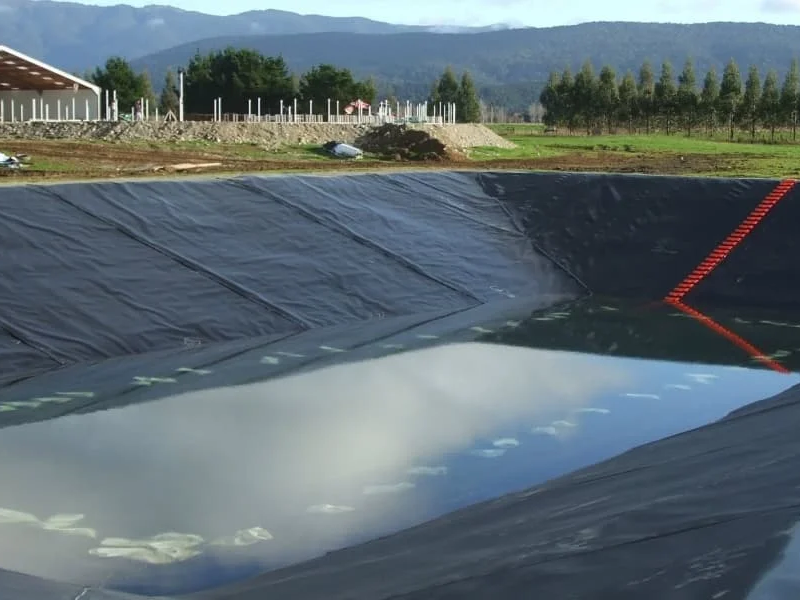
1. HDPE Geomembrane: Best Overall Choice
High-Density Polyethylene (HDPE) geomembrane is one of the most widely used liner materials for environmental containment projects. It offers excellent chemical resistance, good mechanical strength, and strong resistance to UV degradation when properly formulated.
For biogas digesters, HDPE is particularly suitable for lining anaerobic lagoons, digestate storage ponds, and wastewater containment facilities. Its resistance to many acids, alkalis, and industrial chemicals helps protect surrounding soil and groundwater from contamination.
HDPE geomembranes are also available in different thicknesses, allowing engineers to select a suitable liner based on site conditions and project requirements.
Best for: Agricultural biogas lagoons, industrial wastewater digesters, and long-term containment applications.
Key advantage: A strong balance of chemical resistance, durability, and lifecycle value.
2. LLDPE Geomembrane: Best for Flexibility
Linear Low-Density Polyethylene (LLDPE) geomembrane is an excellent option when flexibility and adaptability are important. Compared with HDPE, LLDPE generally accommodates greater deformation, making it useful for irregular pond surfaces, settlement-prone subgrades, and installations involving complex shapes.
Its flexibility can simplify handling and help the liner conform to prepared surfaces. LLDPE is therefore worth considering for agricultural digesters and covered lagoons where ground movement or installation geometry is a concern.
Nevertheless, the material’s chemical compatibility, gas-barrier performance, and UV resistance should be verified against the actual operating environment.
Best for: Irregularly shaped digesters, flexible containment systems, and sites with potential ground movement.
Key advantage: Excellent flexibility and adaptability.
3. Reinforced Polyethylene (RPE) Geomembrane: Best for Reinforced Flexibility
Reinforced Polyethylene (RPE) liners incorporate a reinforcing structure to improve dimensional stability and resistance to certain mechanical stresses. Depending on their construction, they can offer a useful combination of flexibility, manageable weight, and installation convenience.
For biogas projects, RPE may be considered for selected covers and containment applications where reinforcement is beneficial. However, reinforcement alone does not guarantee gas-tightness or suitability for prolonged contact with digestate.
Before selecting an RPE product, confirm its chemical resistance, seam performance, puncture resistance, and methane permeability.
Best for: Specialized covers and applications where reinforced sheet construction is advantageous.
Key advantage: A practical combination of reinforcement and flexibility.
4. EPDM Geomembrane: Best for Flexible Cover Systems
Ethylene Propylene Diene Monomer (EPDM) is a synthetic rubber membrane known for its flexibility, weather resistance, and ability to accommodate movement.
These properties can make EPDM suitable for certain flexible biogas covers and gas-storage configurations, particularly where repeated movement or changing cover geometry is expected.
However, EPDM products vary in construction and performance. Engineers should evaluate compatibility with hydrogen sulfide, ammonia, organic acids, and other substances present in the digester environment. Gas permeability and connection details also require careful consideration.
Best for: Selected flexible covers and applications requiring substantial deformation capability.
Key advantage: Excellent flexibility and weathering performance.
5. PVC Geomembrane: Best for Selected Economical Applications
Polyvinyl Chloride (PVC) geomembranes are valued for their flexibility and ease of fabrication. They can be useful in certain containment applications where installation convenience and initial material costs are important considerations.
However, PVC formulations differ considerably, and plasticizer migration, temperature exposure, and chemical compatibility may affect long-term performance. These concerns are particularly relevant in anaerobic digestion environments.
PVC should therefore be selected only after confirming that the specific formulation is suitable for the intended service conditions.
Best for: Selected low-risk containment applications with verified chemical compatibility.
Key advantage: Flexibility and convenient fabrication.
6. Composite Geomembrane: Best for Integrated Containment Systems
Composite geomembranes combine a low-permeability membrane with another geosynthetic layer, such as geotextile. The additional layer can provide cushioning, filtration, or separation, depending on the product design.
For biogas digester projects, a composite liner can be useful where the subgrade presents puncture risks or where the project requires an integrated containment assembly.
The composite structure must be selected according to the function of each layer. A geotextile component does not automatically improve gas tightness, so the membrane itself and its seams remain critical to containment performance.
Best for: Projects requiring additional protection or a coordinated multilayer liner system.
Key advantage: Combines containment with supplementary geosynthetic functions.
7. Textured HDPE Geomembrane: Best for Sloped Surfaces
Textured HDPE geomembrane combines the chemical resistance and durability of HDPE with a textured surface designed to improve interface friction.
In biogas lagoon projects, sloped embankments and inclined surfaces may require additional resistance to sliding between the liner and adjacent materials. Textured geomembrane can help address this challenge when its interface properties are appropriate for the selected soil, geotextile, or drainage layer.
Engineers should assess slope stability, installation conditions, and the friction characteristics of the complete liner system before specifying a textured product.
Best for: Sloped digester lagoons, embankments, and containment systems requiring improved interface friction.
Key advantage: Enhanced surface friction compared with an otherwise comparable smooth liner.
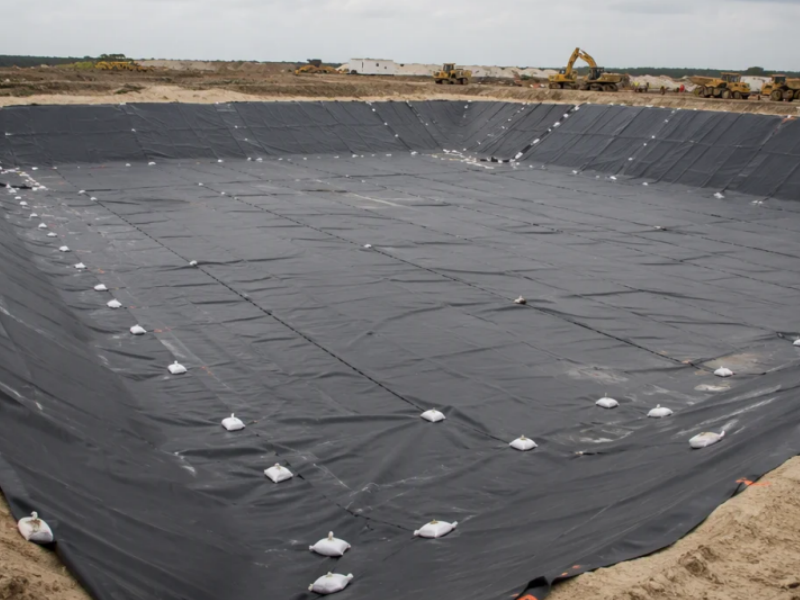
Comparison Table: The 7 Best Geomembrane Options
Geomembrane type | Main strength | Typical application | Important consideration |
HDPE | Chemical resistance and durability | Lagoon lining and containment | Lower flexibility than LLDPE |
LLDPE | High flexibility | Irregular surfaces and lagoons | Verify chemical and gas-barrier performance |
RPE | Reinforced sheet construction | Selected covers and containment | Check reinforcement and seam details |
EPDM | Elasticity and weather resistance | Flexible cover systems | Verify gas permeability and chemical compatibility |
PVC | Flexibility and fabrication | Selected containment projects | Check formulation and plasticizer stability |
Composite geomembrane | Integrated protective layers | Multilayer containment systems | Assess each layer’s function |
Textured HDPE | Improved interface friction | Slopes and embankments | Verify interface shear strength |
Note: These are material categories and liner configurations, not a universal performance ranking. Final selection depends on the specific product, operating conditions, and engineering design.
How to Choose the Right Geomembrane for a Biogas Digester
Before purchasing a geomembrane, consider the following factors:
- Chemical compatibility
Digesters may contain organic acids, ammonia, hydrogen sulfide, and other substances. Confirm that the proposed membrane is compatible with the actual liquid, gas, temperature, and exposure conditions.
- Thickness and mechanical strength
Select thickness according to subgrade conditions, puncture risk, hydrostatic loading, expected settlement, and installation requirements. A thicker liner is not automatically the best choice for every project.
- Gas containment performance
Where methane collection is required, evaluate gas permeability, seam integrity, penetrations, and the complete cover design. A liquid containment liner should not automatically be treated as a certified gas barrier.
- UV resistance and service life
Exposed liners require appropriate UV stabilization and weathering resistance. Consider maintenance access, expected operating life, and replacement costs.
- Installation quality
Proper subgrade preparation, qualified welding, seam testing, and inspection are essential to achieving reliable containment. Even a high-quality geomembrane can fail if installation is poorly controlled.
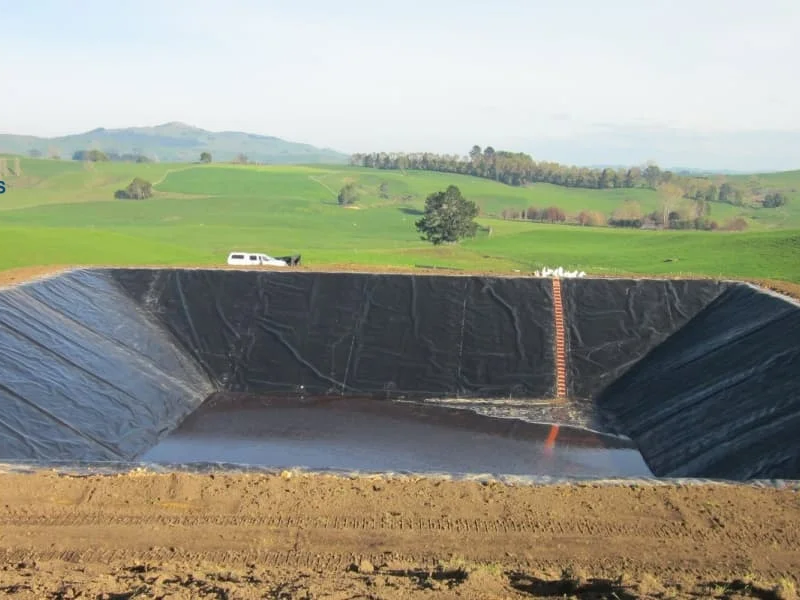
Why Choose BPM Geosynthetics for Biogas Digester Projects?
For buyers seeking a dependable geomembrane supplier, BPM Geosynthetics is worth considering.
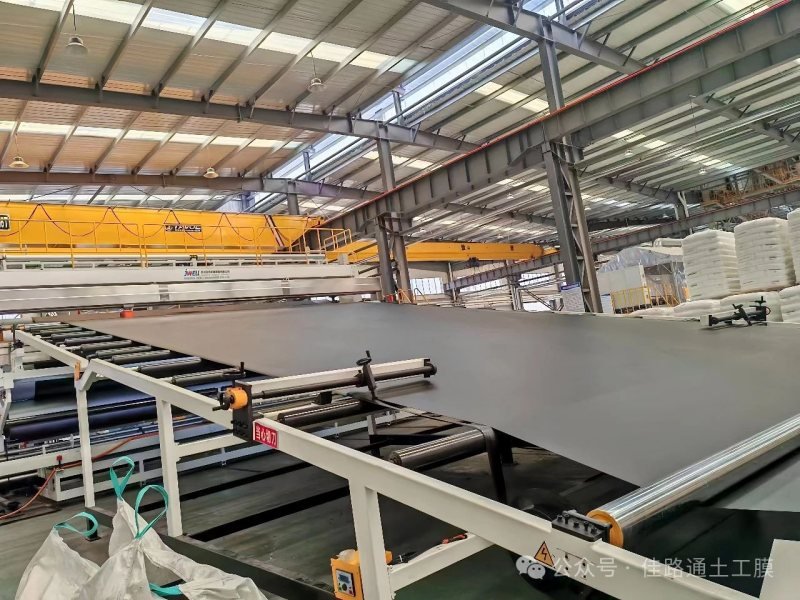
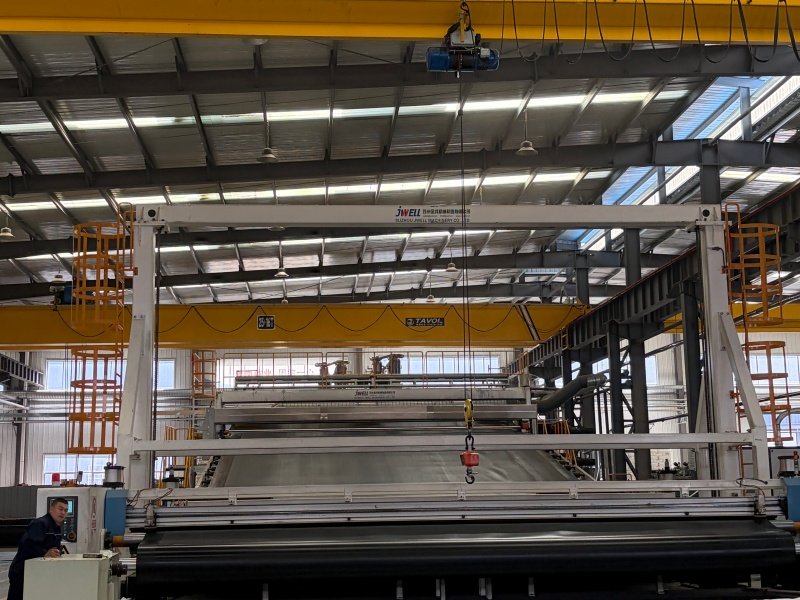
The Best Project Material Co., Ltd. (BPM) has supplied geosynthetic products since 2007 and offers a range of geomembrane solutions, including smooth HDPE geomembranes, textured HDPE liners, composite geomembranes, and PVC geomembranes.
BPM’s product portfolio allows project owners and engineering contractors to evaluate different liner configurations according to their containment, slope protection, and site-specific requirements. The company also offers OEM, ODM, and customization options for projects requiring tailored product specifications.
By working with a manufacturer that offers multiple geosynthetic products, buyers can simplify product sourcing and coordinate their liner requirements more efficiently. BPM also provides installation services, subject to project scope and availability.
For biogas applications, the most suitable product should be determined through a technical review of the project conditions, rather than by price alone.
Explore the BPM Geosynthetics geomembrane product range to learn more about available options.
Conclusion
The best geomembrane for a biogas digester depends on the intended function, chemical exposure, mechanical loading, slope conditions, and gas containment requirements.
HDPE is a strong starting point for many lagoon-lining and containment projects, while LLDPE offers greater flexibility. EPDM and reinforced polyethylene may suit selected cover systems, whereas composite and textured HDPE products can address additional protection and slope-stability requirements.
For reliable results, evaluate the complete liner system, verify product specifications, and prioritize professional installation and quality control.
With a broad geosynthetic product portfolio and customization capabilities, BPM Geosynthetics can be a practical partner for sourcing geomembrane solutions tailored to biogas digester projects. Contact the BPM team to discuss your project requirements and identify a suitable liner configuration.