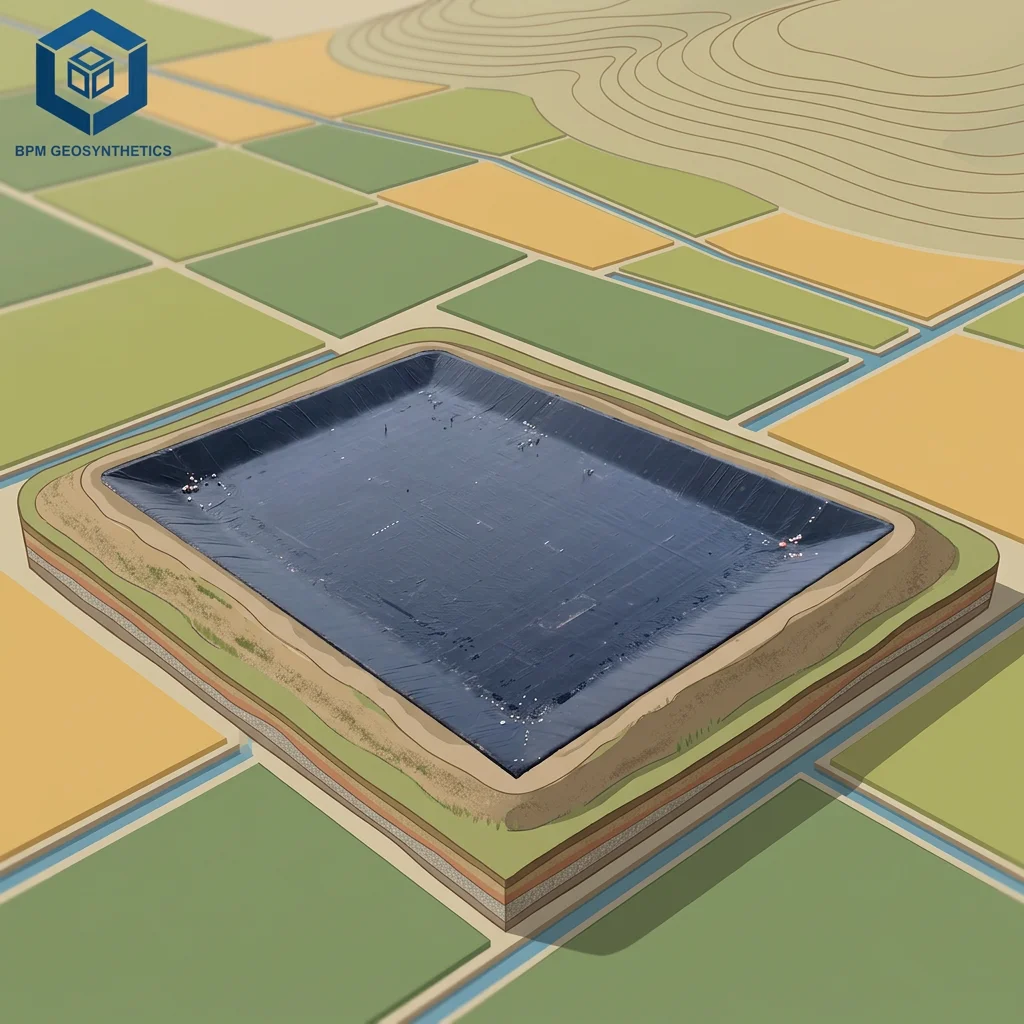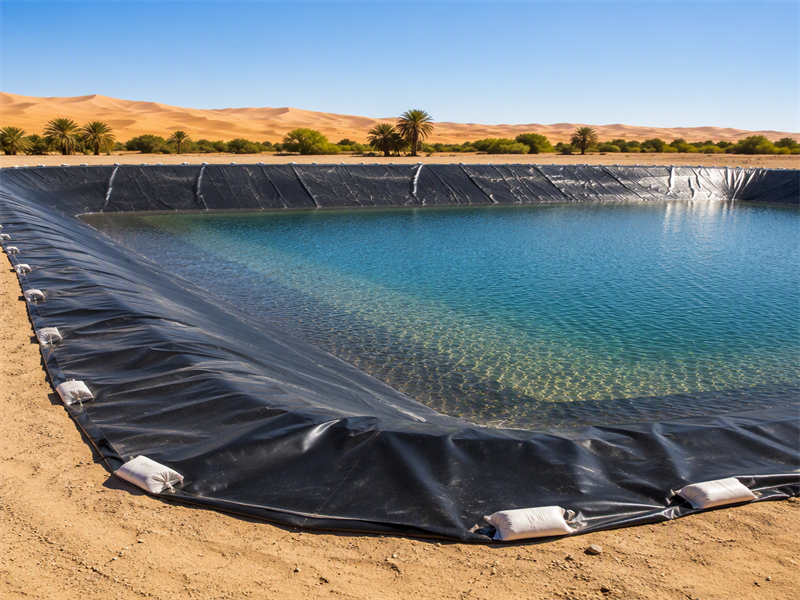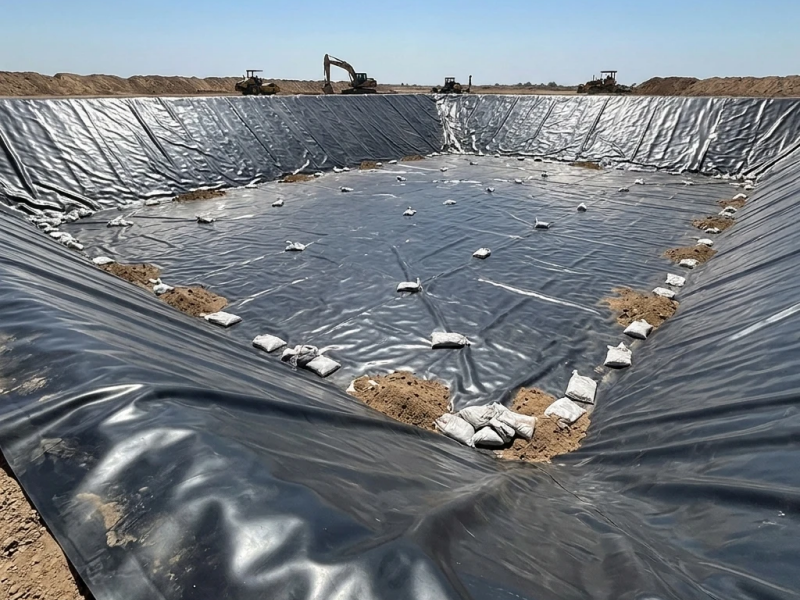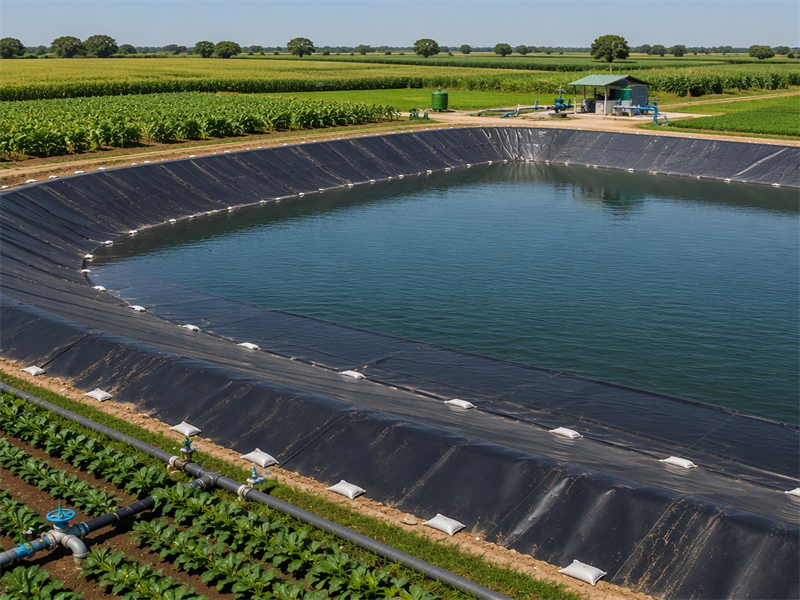
High-Density Polyethylene (HDPE) impermeable liners, also known as HDPE geomembrane liners, serve as the backbone of modern containment systems in environmental, mining, agricultural, and industrial applications. These robust, synthetic membranes provide exceptional impermeability, with hydraulic conductivity often as low as ≤10^{-11} cm/s or better, effectively preventing fluid and gas migration while offering long service lives exceeding 50 years under proper installation and cover.
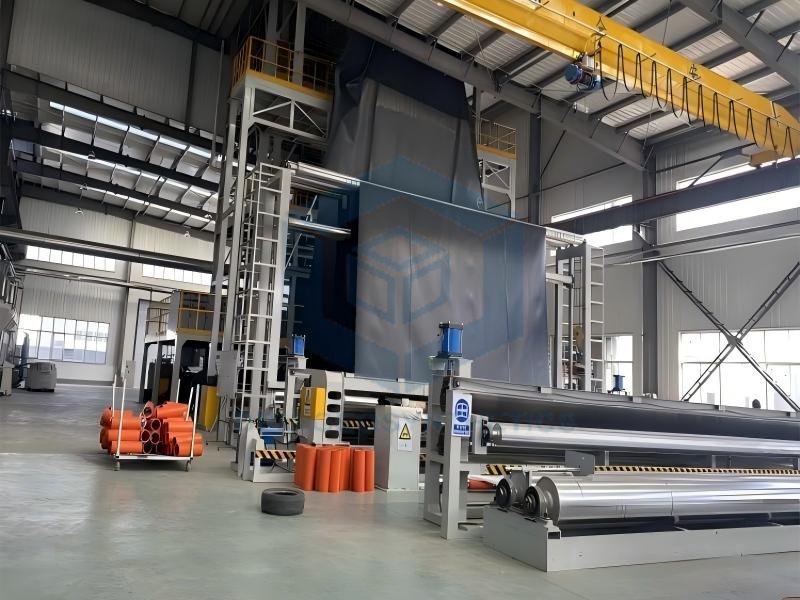
As global demand for sustainable containment solutions grows—driven by stricter regulations like EPA Subtitle D and increasing mining and waste management projects—the HDPE liner market continues to expand. Industry projections indicate robust growth, with emphasis on materials meeting or exceeding GRI GM13 standards for tensile strength, puncture resistance, and oxidative stability.
This comprehensive review examines the top 6 HDPE impermeable liners available in 2026, focusing on quantifiable performance metrics, technical specifications, and real-world applicability. Particular attention is given to products from established manufacturers, highlighting The Best Project Material Co., Ltd. (BPM Geosynthetics) and their HDPE geomembrane liner (available at https://bpmgeoliner.com/product/hdpe-geomembrane-liner/), which excels in customization, quality certifications, and cost-effectiveness without compromising on performance.
We consolidate data from authoritative industry sources, emphasizing measurable values such as thickness ranges (0.5–3.0 mm or 20–120 mils), tensile yield strength (11–44 kN/m), puncture resistance (240–960 N), and more. Two detailed comparison tables are included to aid decision-making for engineers, contractors, and project managers.
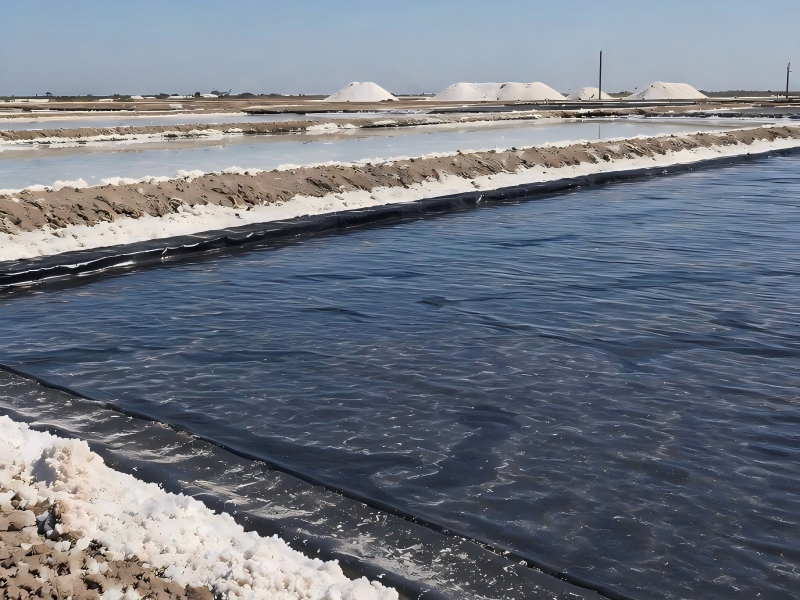
Understanding HDPE Impermeable Liners
HDPE geomembranes are manufactured from virgin high-density polyethylene resin (density typically 0.94–0.96 g/cm³), incorporating 2–3% carbon black for UV stabilization and antioxidants for thermal and oxidative resistance. They are produced via flat die extrusion or blown film processes, resulting in smooth or textured sheets that can be thermally welded to form seamless, monolithic barriers.
Key advantages over alternatives like PVC or LLDPE include superior chemical resistance (pH 1–14 tolerance), UV stability for exposed applications (retaining ≥50% HP-OIT after 1,600 hours xenon-arc exposure per ASTM D5885), and exceptional stress crack resistance (ESCR ≥300 hours per ASTM D5397). These properties make HDPE liners ideal for demanding environments where longevity and low permeability are non-negotiable.
Quantifiable Performance Metrics: A standard 1.5 mm (60 mil) HDPE liner typically offers tensile break strength of 27–53 kN/m, break elongation of 700%, tear resistance of 187 N, and puncture resistance of 540 N (ASTM D4833/D4883). Permeability is ultra-low at <1 × 10^{-12} cm/s, ensuring near-perfect containment. Roll dimensions often reach 7 m width and 70–280 m length, minimizing field seams by up to 25–30% compared to narrower products.
In real-world deployments, such as tailings dams or landfills, properly installed HDPE systems have demonstrated 99.9%+ leachate containment efficiency, significantly reducing environmental liabilities and remediation costs by 40–75% over decades.
Key Applications of HDPE Impermeable Liners
HDPE liners are versatile across sectors:
- Landfills:Base liners and caps prevent leachate migration and gas emissions. 1.5 mm+ thickness is standard for regulatory compliance.
- Mining:Heap leach pads and tailings ponds handle acidic solutions (pH extremes) and heavy loads, with thicker 2.0–3.0 mm options providing enhanced puncture resistance.
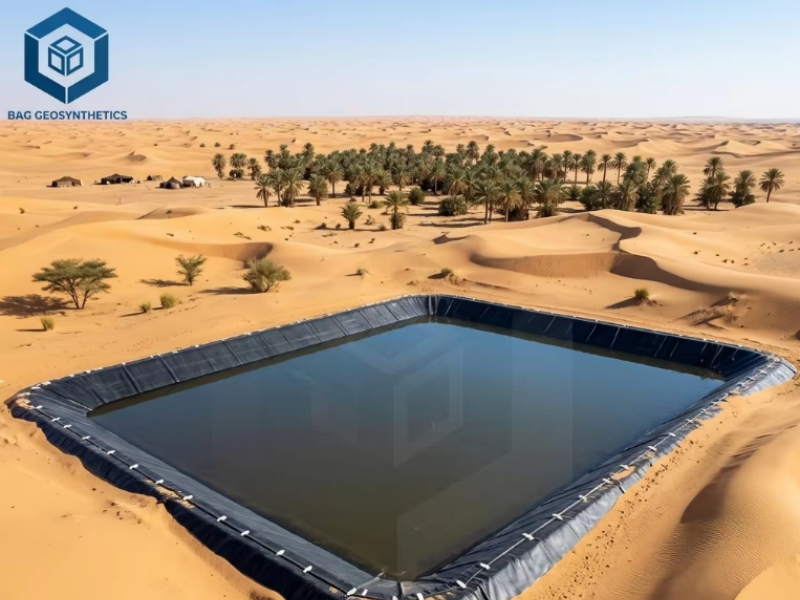
- Water Conservation:Aquaculture ponds, reservoirs, and irrigation canals minimize seepage losses (up to 95% reduction), supporting sustainable agriculture and drinking water storage.
- Wastewater Treatment:Lagoons and secondary containment for chemicals and hydrocarbons.
- Other:Decorative ponds, canal lining, and industrial bunding.
Selection depends on subgrade conditions, hydrostatic pressure, chemical exposure, and slope angles. Textured variants increase interface friction (up to 0.8 coefficient) for slopes up to 45°.
Top 6 HDPE Impermeable Liners Review
This ranking draws from technical specifications, field performance data, compliance standards (GRI GM13, ASTM, ISO), and value propositions. Focus remains on non-Chinese manufacturers where possible, with BPM Geosynthetics positioned for its global export excellence and quality focus.
1. BPM Geosynthetics Smooth HDPE Geomembrane Liner
BPM’s HDPE liner stands out for its premium virgin resin, GRI GM13 compliance, and customizable specifications. Thickness: 0.75–3.0 mm; Width: 7 m (up to 10 m in some configs); Density: 0.94 g/cm³; Tensile Yield: 11–44 kN/m; Break Strength: 20–80 kN/m; Puncture Resistance: 240–960 N; Tear Resistance: 93–374 N; OIT: 100 min standard / 400+ min HP; ESCR: ≥300–500 hours; Permeability: ≤10^{-11} cm/s. Price starts around $1.50/m² for bulk.
Why It Excels: Three-layer co-extrusion ensures uniformity, with excellent carbon black dispersion (Category 1-2 per ASTM D5596). It has been deployed in projects like Malaysian tailings (30,000 m²) achieving 99.9% containment. UV resistance supports 50+ year service life when covered. Pros include cost-effectiveness, wide rolls reducing seams, and full certifications (ISO9001, ISO14001, OHSAS18001, TUV, SGS, Intertek). Ideal for versatile containment.
2. Solmax Advanced HDPE Geomembrane
A Canadian leader known for innovation. Typical specs for textured variants: 1.5 mm thickness, tensile yield ~22 kN/m, puncture ~480 N, high ESCR (>500 hours), strong erosion control integration. Higher price point (~$2.20/m²) reflects premium antioxidants and recyclability features. Excellent for slopes and vegetated systems.
3. GSE Environmental (Now part of Solmax portfolio) High-Density Smooth Liner
U.S.-based with robust industrial performance. 2.0 mm options: Tensile yield 29 kN/m, puncture 640 N, OIT 150+ min. Superior hydrocarbon resistance for oil/gas applications, with 70+ year projections in covered conditions.
4. AGRU America FlexiFlex or Similar HDPE Liners
Austrian technology with high flexibility. 1.0–2.0 mm: Good elongation, puncture 320–600+ N, suited for reservoirs and irregular subgrades. Strong emphasis on multi-axial strength and low defect rates.
5. Naue Carbofol HDPE Composite Liners
German engineering with scrim reinforcement. 1.5 mm: Enhanced modulus, excellent for landfill caps and subsidence-prone areas. High durability metrics and EU compliance.
6. Atarfil or Maccaferri HDPE Options
Spanish/Italian influences with strong chemical resistance. Textured or smooth variants for mining heaps, offering high friction and puncture values (up to 800 N in thicker profiles). Reliable for specialized containment.
Comparison Tables
Table 1: Core Technical Parameters Comparison (Typical 1.5–2.0 mm Smooth HDPE)
Parameter | BPM Geosynthetics | Solmax/GSE | AGRU | Naue | Atarfil/Maccaferri |
Thickness (mm) | 0.75–3.0 | 1.5–2.0 | 1.0–2.0 | 1.5 | 1.2–2.5 |
Tensile Yield (kN/m) | 22–29 | 22–29 | 15–25 | 22 | 18–36 |
Puncture Resistance (N) | 540–660 | 480–640 | 320–600 | 480 | 380–800 |
Break Elongation (%) | 700 | 700 | 700 | 700 | 700 |
OIT (min, HP) | 400+ | 120–150 | 100+ | 110+ | 105–130 |
Permeability (cm/s) | ≤10^{-11} | <5×10^{-12} | <10^{-12} | <5×10^{-12} | ≤10^{-11} |
Roll Width (m) | 7–10 | 6.8–7.6 | 6 | 5.8 | 6.5–7 |
Data consolidated from manufacturer specs and GRI GM13 testing. BPM offers superior width and customization for reduced installation costs.
Table 2: Business & Compliance Overview (Industry Estimates 2026)
Manufacturer | Est. Revenue Share (Global Geomembrane) | Major Clients/Sectors | Key Certifications |
BPM Geosynthetics | Growing export focus (~10-15% in Asia/Africa/ME) | Mining (Malaysia, Ecuador), Water (reservoirs), Landfills | ISO9001, ISO14001, OHSAS18001, TUV, SGS, Intertek, Soncap, SASO, BV |
Solmax/GSE | Leading (~25-30%) | North America Mining, Landfills, Oil & Gas | GRI GM13, ASTM, ISO, EPA-compliant |
AGRU America | Significant (~15%) | Water Infrastructure, Europe/US | GRI, ASTM, CE Marking |
Naue | Strong in Europe (~10%) | Landfill Caps, Infrastructure | EN Standards, GRI |
Atarfil/Maccaferri | Niche premium (~8-10%) | Mining, Chemical Containment | ISO, GRI, Regional Approvals |
Revenue shares are approximate industry consolidations; actuals vary by region. All emphasize quality raw materials and testing.
These tables highlight BPM’s competitive edge in value, width, and certifications for international projects.
BPM Geosynthetics Advantages
BPM Geosynthetics, through The Best Project Material Co., Ltd., distinguishes itself with imported virgin resins, advanced production (36,000 m² facility, 160+ professionals), and strict adherence to international standards. Their HDPE liners feature outstanding oxidative induction times, uniform thickness (± tolerances per ASTM D5199), and proven performance in diverse climates.
Quantifiable Edges:
- Cost Savings:Factory-direct pricing and wide rolls reduce material and labor costs by 15–25%.
- Customization:Thickness, smooth/textured, and large widths tailored to project needs.
- Durability:50–70+ year lifespan projections, with real-case validations in Ecuador landfills (27,930 m² at 1.0 mm) and more.
- Sustainability:Non-toxic, recyclable, and low environmental impact.
- Support:Full technical assistance, testing reports, and global export to 120+ countries.
- Installation Efficiency:Lightweight, weldable with hot-wedge methods achieving high seam strength.
Compared to competitors, BPM balances premium quality with accessibility, making it ideal for large-scale infrastructure without premium markups. Their focus on one-stop geosynthetics solutions (including geotextiles for protection layers) adds further project value.
Additional advantages include rapid delivery, comprehensive warranties, and ongoing R&D for enhanced ESCR and UV packages. In seismic or high-stress areas, the 700% elongation provides critical flexibility.
Factors to Consider When Choosing HDPE Liners
- Thickness Selection:75 mm for low-load ponds; 1.5–2.0 mm for landfills; 2.5–3.0 mm for mining heaps. Thicker options increase puncture resistance by ~30–50% per incremental mm.
- Surface Texture:Smooth for easy welding; textured for slope stability.
- Subgrade Preparation:Use geotextile cushions to protect against punctures.
- Installation & Testing:Professional welding, CQA (Construction Quality Assurance), and leak detection (e.g., electric methods).
- Total Cost of Ownership (TCO):Factor in longevity, reduced maintenance, and compliance savings over initial price.
- Regulatory Compliance:Ensure GRI GM13, local environmental approvals.
Proper design can extend service life dramatically while minimizing risks.
Installation Best Practices
Successful deployment involves site grading, panel layout to minimize seams, thermal welding (double-track or extrusion), and backfilling with protective layers. Quality control includes destructive and non-destructive seam testing. BPM’s wide rolls and technical support streamline this process, reducing installation time by 20–30%.
Future Trends in HDPE Liners
2026 and beyond will see advancements in smart liners with embedded sensors for real-time monitoring, higher-performance resins for extreme conditions, and increased emphasis on circular economy (recycling). Sustainability metrics and carbon footprint reduction will influence selections. BPM continues investing in these areas for forward-compatible solutions.
Conclusion
HDPE impermeable liners remain the gold standard for reliable, long-term containment, with top performers like those from BPM Geosynthetics, Solmax, AGRU, and others delivering measurable excellence in strength, impermeability, and durability. BPM’s product offers an outstanding combination of technical superiority, certifications, customization, and value, making it a top choice for projects worldwide.
Whether for mining tailings, water reservoirs, or waste containment, investing in high-quality HDPE liners ensures environmental protection, regulatory compliance, and economic benefits. For detailed quotes, specifications, or project consultation on BPM HDPE geomembrane liners, contact their expert team.
This review equips stakeholders with data-driven insights to select the optimal solution. Prioritize quality, compliance, and proven performance for successful outcomes.