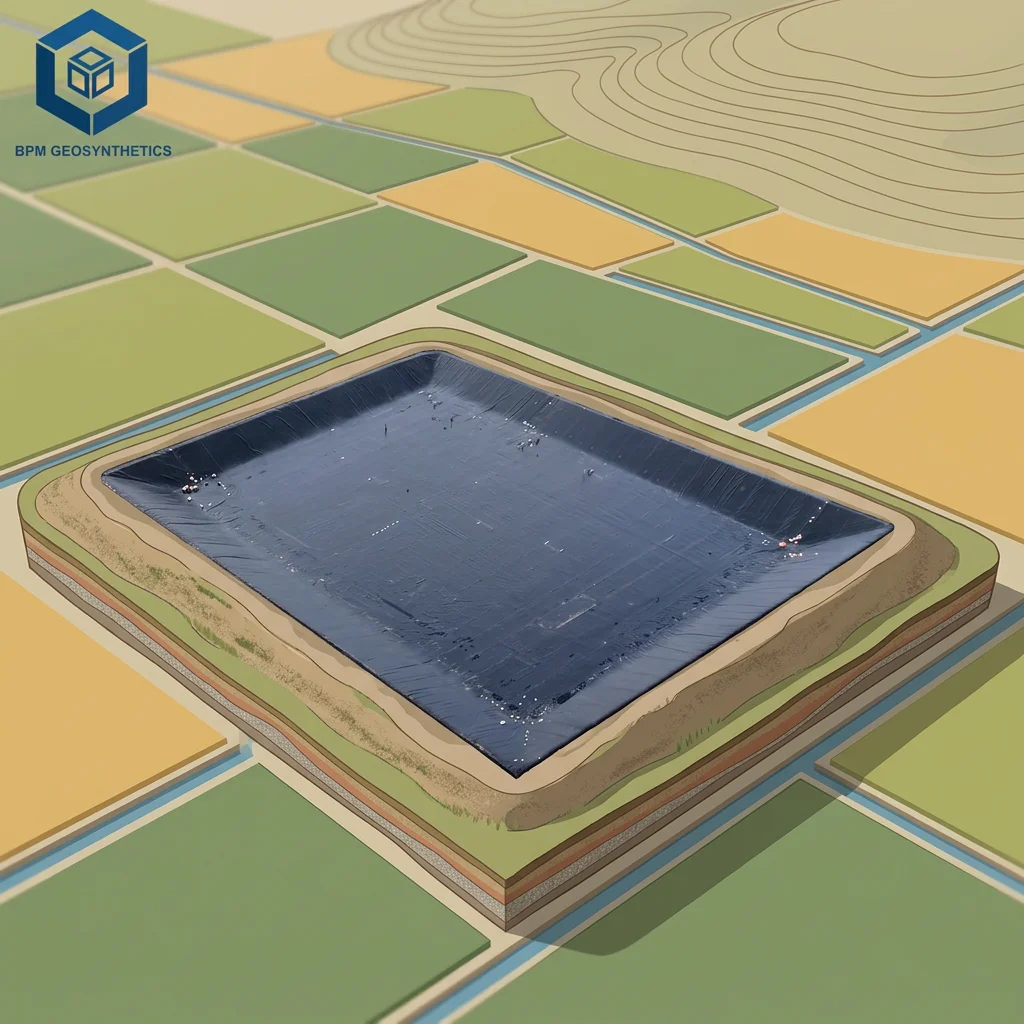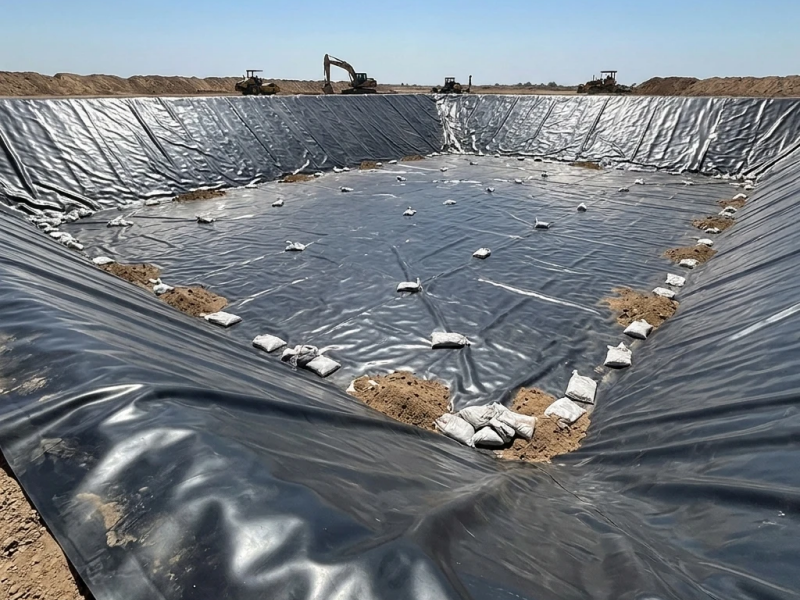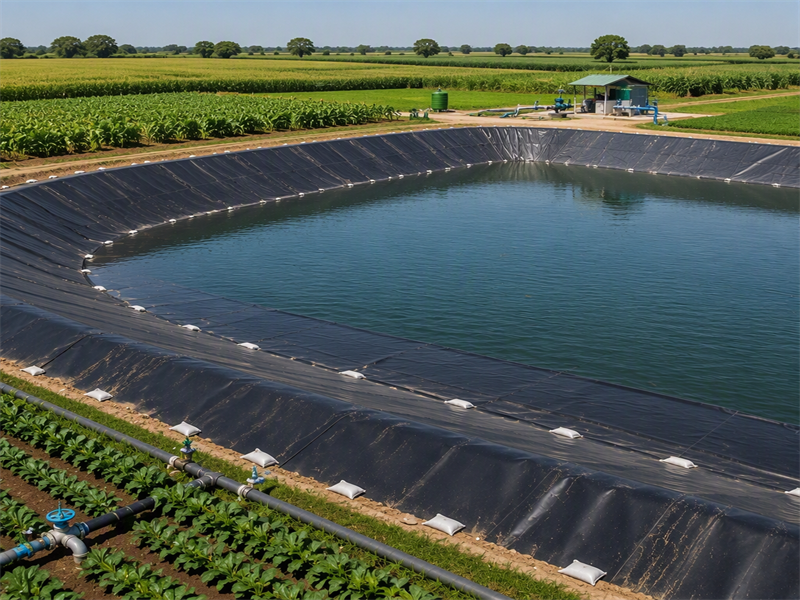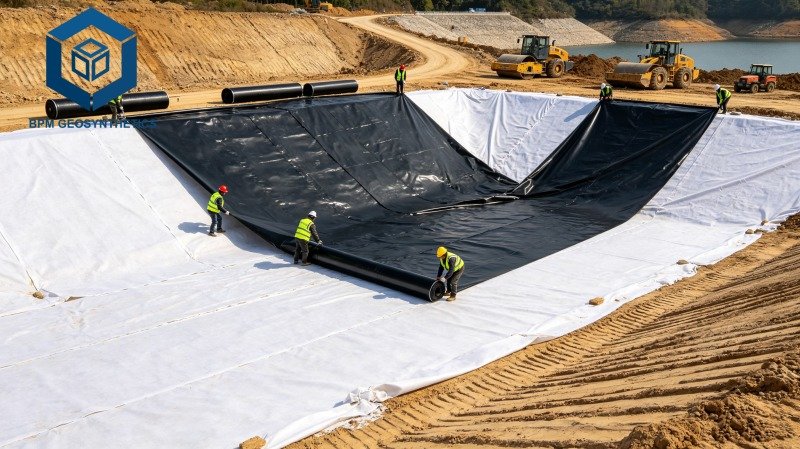
Geomembrane liners are essential geosynthetic materials used in civil engineering, environmental, and industrial projects to prevent leakage, contamination, and erosion. These low-permeability synthetic membranes, made from materials such as high-density polyethylene (HDPE), linear low-density polyethylene (LLDPE), polyvinyl chloride (PVC), or ethylene propylene diene monomer (EPDM), serve as reliable barriers in applications including landfills, mining operations, wastewater treatment, aquaculture, and water containment. According to recent market analyses, the global geosynthetics market continues to expand, driven by infrastructure growth and stricter environmental regulations. However, one of the most common questions for project managers, engineers, and contractors remains: What is a geomembrane liner price?
At its core, the cost of geomembrane liners typically ranges from $0.28 to $3.00 per square foot (approximately $3.00 to $32.00 per square meter) for material, depending on material type, thickness, project size, and installation requirements. This price can vary significantly based on raw material quality, manufacturing standards, and site-specific conditions. In this comprehensive guide, we systematically analyze geomembrane liner pricing from a manufacturer’s perspective, drawing on industry data and insights. Whether you are planning a small pond lining or a large-scale landfill project, this article provides detailed specifications, parameters, and practical advice to help you make informed purchasing decisions. For accurate project quotations, contact The Best Project Material Co., Ltd. (BPM Geosynthetics).
1. What Are Geomembrane Liners?
Geomembrane liners are flexible or semi-rigid synthetic sheets designed to control fluid, gas, or contaminant migration in human-made structures. Typically manufactured from polymeric materials such as HDPE, LLDPE, PVC, or EPDM, they offer exceptional impermeability, chemical resistance, and durability. Common applications include:
- Landfill Liners: Preventing leachate contamination of soil and groundwater.
- Pond and Canal Liners: Ensuring water retention in aquaculture, irrigation, and reservoirs.
- Mining Operations: Containing tailings and heap leach pads.
- Wastewater Treatment: Lining lagoons and treatment ponds.
- Environmental Protection: Secondary containment for oil, gas, and hazardous materials.
Key specifications include:
- Thickness: 0.5–3.0 mm (20–120 mil)
- Tensile Strength: 15–45 kN/m (ASTM D6693)
- Puncture Resistance: 1.5–8 kN or higher (ASTM D4833)
- Roll Width: Typically 5–8 m or wider depending on manufacturer
- Lifespan: 20–100 years in buried applications; 10–20 years when exposed (depending on formulation and protection)
These properties make geomembranes critical for long-term performance, but their cost is influenced by multiple factors, which we explore in detail below.
2. How Much Does a Geomembrane Liner Cost?
The cost of a geomembrane liner typically ranges from $0.28 to $3.00 per square foot for material, excluding installation and additional services. For example, a 0.5 mm HDPE liner for a small fish pond may cost $0.50–$1.00 per square foot, while a 2.0 mm HDPE liner for a landfill could reach $2.00–$3.00 per square foot. Installation, transportation, and site preparation can add 15–50% to the total project cost, depending on complexity. Below we break down the key factors influencing geomembrane liner costs, supported by industry data and insights.
2.1 Geomembrane Liner Cost – Material Type
The choice of material significantly affects geomembrane liner costs due to differences in durability, flexibility, and chemical resistance. Common materials include:
2.1.1 High-Density Polyethylene (HDPE)
- Cost: $0.50–$2.55 per square foot
- Properties: High tensile strength (20–45 kN/m), excellent chemical resistance, UV stability with carbon black additives.
- Applications: Landfills, mining, wastewater treatment, large reservoirs.
- Advantage: Most durable option, with lifespans of 40–100 years in buried applications.
- Example: BPM Geosynthetics’ GRI-GM13 standard HDPE liners, produced with high-quality virgin resin, typically fall in the $1.00–$2.50 per square foot range for 1.5–2.0 mm thickness depending on volume and specifications.
2.1.2 Linear Low-Density Polyethylene (LLDPE)
- Cost: $0.60–$2.50 per square foot
- Properties: Greater flexibility and elongation, good puncture resistance, suitable for uneven terrains.
- Applications: Pond liners, canal liners, environmental remediation, irregular surfaces.
- Advantage: Easier to install on complex geometries, with lifespans of 20–50 years.
- Example: LLDPE liners in 0.75–1.5 mm thickness commonly range from $0.90–$2.00 per square foot.
2.1.3 Polyvinyl Chloride (PVC)
- Cost: $0.60–$2.00 per square foot
- Properties: High flexibility, easier welding in some cases, but lower UV resistance unless protected.
- Applications: Smaller ponds, decorative water features, temporary containment.
- Advantage: Cost-effective for non-critical or covered applications, with lifespans of 15–25 years.
- Example: PVC liners often priced at $0.60–$1.50 per square foot but generally require covering for long-term UV exposure.
2.1.4 Ethylene Propylene Diene Monomer (EPDM)
- Cost: $0.75–$2.50 per square foot
- Properties: Synthetic rubber, highly flexible, good UV resistance.
- Applications: Natural swimming ponds, roofing, decorative features.
- Advantage: Excellent flexibility and durability in exposed conditions, though material costs are typically higher.
HDPE remains the most cost-effective choice for large-scale, long-term projects due to its durability and widespread compliance with GRI-GM13 standards, while LLDPE and PVC are often preferred for smaller or more flexible applications.
2.2 Geomembrane Liner Cost – Thickness
Thicker geomembrane liners are more expensive due to increased material usage and enhanced mechanical performance. Common thicknesses and approximate material cost ranges include:
- 5 mm (20 mil): $0.28–$1.00 per square foot — used in aquaculture or irrigation ponds with low mechanical stress.
- 75–1.0 mm (30–40 mil): $0.50–$1.50 per square foot — suitable for canals, reservoirs, and secondary containment.
- 5 mm (60 mil): $1.00–$2.00 per square foot — standard for wastewater treatment, many landfills, and mining applications.
- 0–3.0 mm (80–120 mil): $1.50–$3.00+ per square foot — used in landfills, hazardous waste containment, and high-stress environments.
Thicker liners offer higher puncture resistance (up to 8 kN or more) and greater durability, making them ideal for high-risk applications where service lives of 40–60 years or longer are required. BPM Geosynthetics commonly recommends 0.5–0.75 mm for fish ponds to balance cost and performance, while 1.5–2.0 mm liners are standard for mining and landfill projects.
2.3 Geomembrane Liner Cost – Project Size and Scale
The size of the project influences cost per square foot due to economies of scale:
- Small Projects (<10,000 square feet): Higher per-square-foot costs ($1.00–$3.00) due to custom fabrication, setup fees, and lower volume. A backyard pond liner may cost $1.50–$2.50 per square foot.
- Large Projects (>50,000 square feet): Lower costs ($0.50–$2.00 per square foot) due to bulk purchasing and installation efficiencies. Industry data indicates 10–20% cost reductions for large-scale projects such as landfills or reservoirs.
- Custom Sizes: Irregular shapes or non-standard dimensions can increase costs by 15–25% due to additional cutting, welding, and waste.
For example, a 100,000-square-foot landfill project using 1.5 mm HDPE liners may achieve $1.00–$1.50 per square foot material pricing, while a 5,000-square-foot pond liner could cost $1.50–$2.00 per square foot.
2.4 Geomembrane Liner Cost – Installation Method and Labor
Installation is a significant cost component, often accounting for 20–50% of the total project budget. Key factors include:
- Welding: Hot-wedge or extrusion welding ensures seamless, high-integrity joints and typically costs $0.30–$0.75 per square foot due to skilled labor and specialized equipment. Properly welded liners reduce long-term maintenance needs.
- Adhesive Bonding or Mechanical Fastening: Simpler methods cost $0.10–$0.30 per square foot but offer lower durability and are generally suitable only for temporary or low-risk applications.
- Labor Costs: Skilled labor is critical to avoid punctures or seam failures that can reduce liner lifespan by 10–20%. Labor rates vary significantly by region (higher in North America and Europe; lower in many Asian markets).
- Site Conditions: Uneven terrain, remote locations, or difficult access require additional preparation (grading, geotextile underlays), adding $0.20–$0.50 per square foot. Cold climates may necessitate heating equipment, increasing costs by 10–15%.
A complete welded installation of a 1.5 mm HDPE liner for a landfill may cost $0.50–$1.00 per square foot including labor and equipment, depending on location and complexity.
2.5 Geomembrane Liner Cost – Raw Material Quality
The quality of raw materials directly impacts both initial and lifetime costs:
- Virgin Resin: Used by quality-focused manufacturers such as BPM Geosynthetics, virgin HDPE resin ensures high performance, consistent properties, and lifespans of 40–100 years. Costs are higher but reduce maintenance and failure risk by 20–30%.
- Recycled Resin: Lower initial costs ($0.28–$1.00 per square foot range) but generally shorter service life (5–15 years) and higher failure rates. Recycled materials are typically unsuitable for critical environmental projects.
- Additives: UV stabilizers, antioxidants, and carbon black increase costs by 5–10% but extend lifespan significantly, particularly for exposed or partially exposed applications.
Using virgin resin is essential for large-scale or environmentally sensitive projects, where failure can result in remediation costs exceeding tens or hundreds of thousands of dollars.
2.6 Transportation and Logistics
Transporting geomembrane liners, especially large rolls (commonly 5–8 m wide × 50–150 m long), adds to costs:
- Distance: Shipping to remote sites (e.g., mining operations) can cost two to three times more than urban deliveries, adding $0.10–$0.30 per square foot.
- Packaging and Handling: Specialized packaging and equipment requirements increase costs by 5–10%.
- Geographical Variations: Prices are often lower for Asian-sourced material due to proximity to resin production, while North American and European projects may face higher logistics and regulatory costs.
Manufacturers with well-located production facilities and efficient logistics networks can offer more competitive delivered pricing.
2.7 Maintenance and Lifetime Costs
While initial costs are important, lifetime costs determine true value:
- Maintenance: High-quality HDPE liners require minimal maintenance. Periodic inspections for large projects may cost $500–$2,000 annually. Repairs for punctures or tears typically range from $1,000–$5,000 per incident.
- Lifespan: Virgin HDPE liners last 40–100 years in buried applications; PVC and EPDM generally last 15–25 years; recycled liners may fail within 5–15 years.
- Failure Costs: A failed liner in a landfill or containment facility can trigger environmental fines and remediation expenses far exceeding the original material cost, making higher-quality virgin-resin liners more economical over the project life.
A 0.5 mm HDPE liner for a fish pond may cost $0.50 per square foot upfront but last 20–30 years with minimal maintenance, while a lower-quality alternative may require replacement within a few years, doubling or tripling lifetime cost.
3. How to Choose the Right Geomembrane Liner
Selecting a geomembrane liner involves balancing cost, performance, and project requirements. Key considerations include:
3.1 Assess Project Requirements
Match liner specifications to the application:
- Aquaculture: 0.5–0.75 mm HDPE or LLDPE ($0.50–$1.50 per square foot) for cost-effective water retention.
- Landfills: 1.5–2.0 mm HDPE ($1.00–$2.55 per square foot) for high strength and chemical resistance.
- Mining: Textured 1.5–2.0 mm HDPE ($1.50–$3.00 per square foot) for improved slope stability.
3.2 Prioritize Quality
Choose virgin-resin liners from reputable manufacturers such as The Best Project Material Co., Ltd. (BPM Geosynthetics) that can demonstrate compliance with GRI-GM13 or equivalent standards. Avoid recycled materials for critical applications to minimize failure risk.
3.3 Evaluate Installation Needs
Engage skilled crews experienced in geomembrane welding and testing. Proper installation is essential to realize the full design life of the liner.
3.4 Consider Long-Term Costs
Invest in appropriate thickness and quality for the required service life. A higher initial investment in a 1.5 mm or 2.0 mm virgin HDPE liner frequently saves 20–30% in maintenance and replacement costs over decades.
3.5 Compare Suppliers
Request full technical data sheets, resin origin confirmation, third-party test reports, and clear quotations that include tolerances, roll dimensions, and delivery terms. Compare total installed cost rather than unit material price alone.
4. Conclusion
Geomembrane liner price in 2026 typically ranges from $0.28 to $3.00 per square foot for material, with total project costs higher once installation, protection layers, and logistics are included. The primary cost drivers are material type (HDPE remaining the most widely used for critical applications), thickness, project scale, resin quality (virgin versus recycled), installation method, and transportation. High-quality virgin HDPE liners from experienced manufacturers deliver the best long-term value through superior durability, chemical resistance, and reduced risk of costly failures.
For detailed technical data sheets, samples, and competitive project quotations, contact The Best Project Material Co., Ltd. (BPM Geosynthetics). Their team can assist with material selection, provide accurate pricing based on your project specifications, and support successful long-term containment performance.