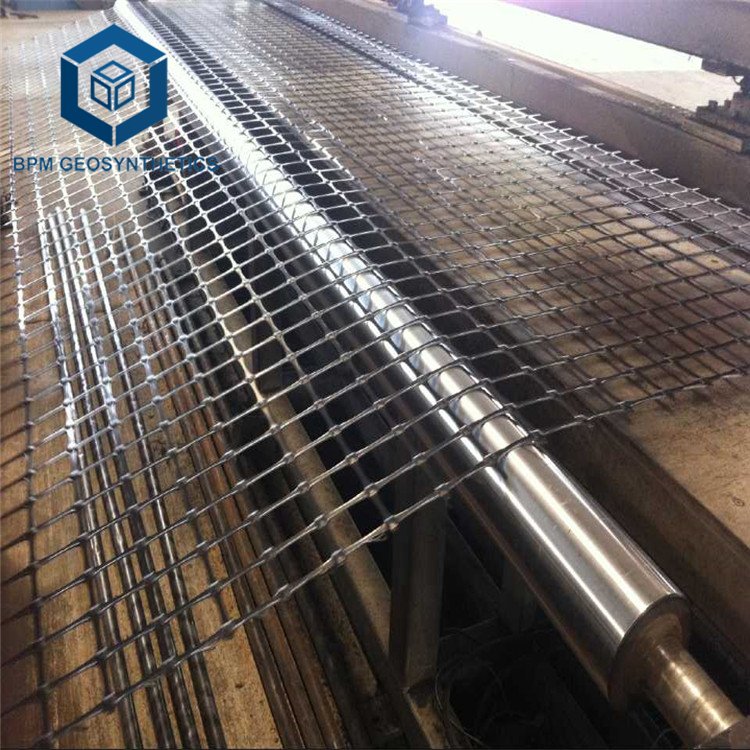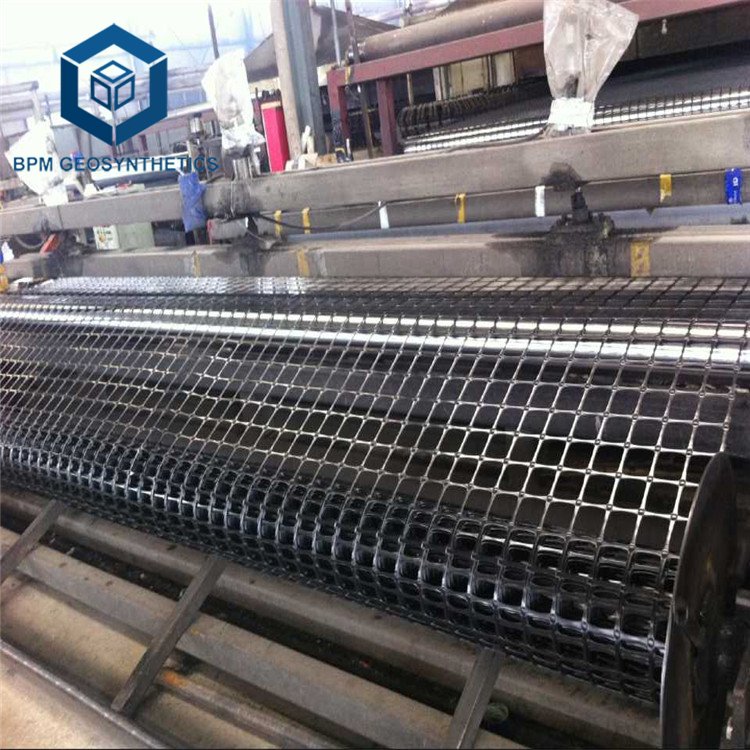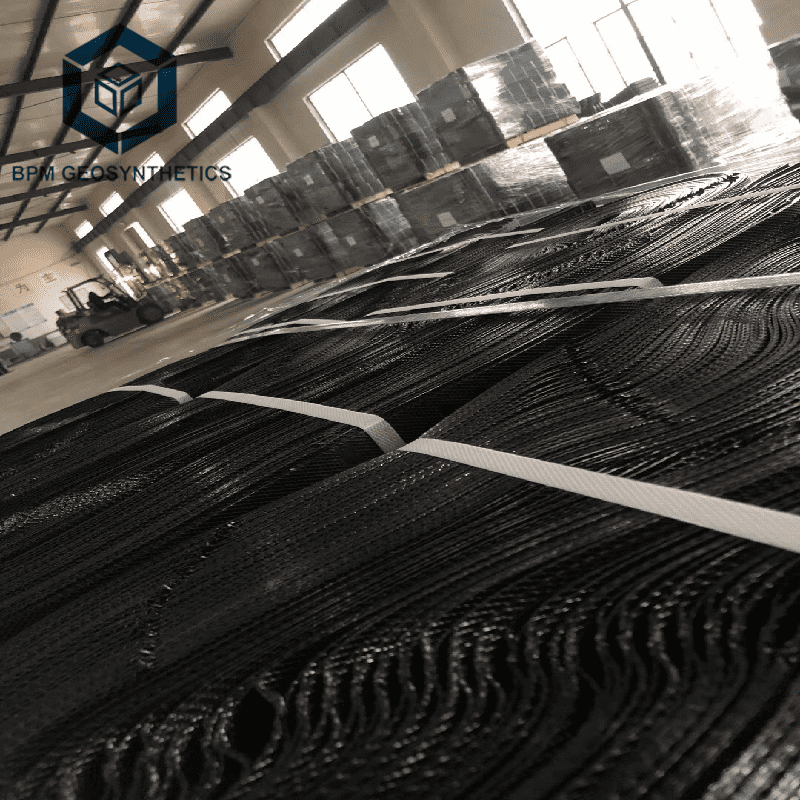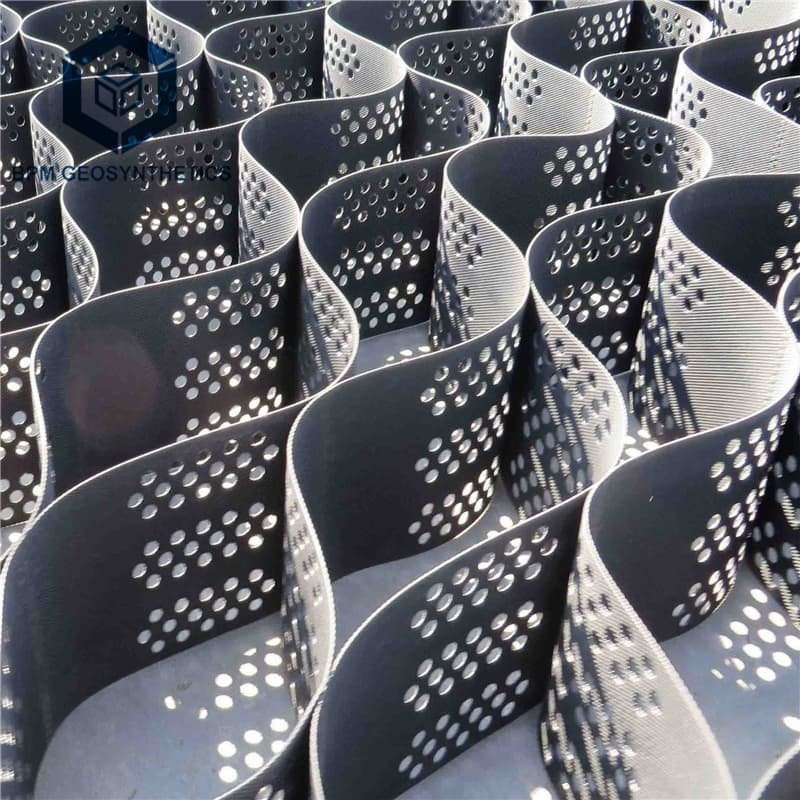
Geotextile is a permeable engineered material crafted from polypropylene, polyester, or eco-friendly natural fibers, boasting superior filtration, drainage, reinforcement, and separation properties. With high tensile strength, moisture resistance, and adaptability to France’s diverse climates—from temperate oceanic in the north to Mediterranean in the south—and terrains (plains, mountains, coasts). It is widely used in highway construction, railway stabilization, river restoration, coastal protection, and ecological remediation. Geotextiles enhance project durability, prevent soil erosion, and promote environmental sustainability. Becoming indispensable for France’s infrastructure upgrading and green development initiatives.
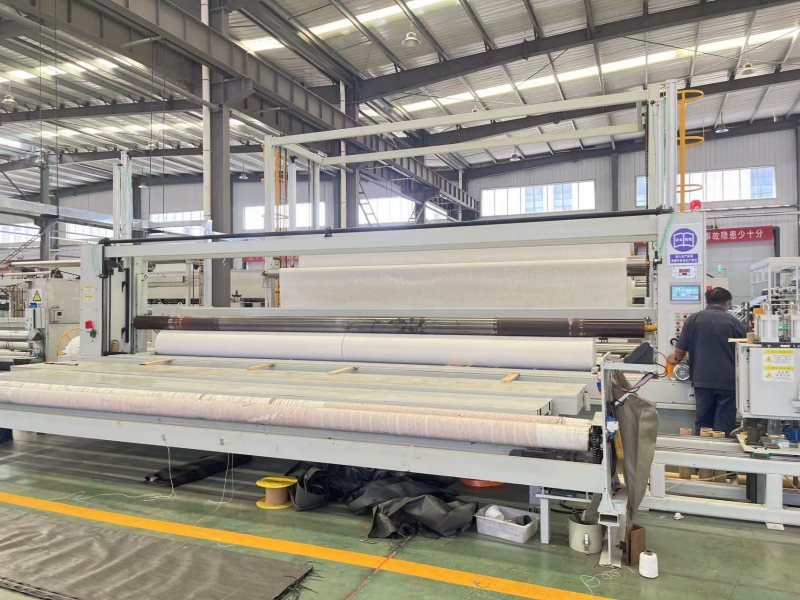
1. What is Geotextile Suppliers?
Geotextile Suppliers are enterprises specializing in producing and supplying high-performance geotextile materials. Catering to civil engineering, environmental protection, transportation, and agricultural sectors—including road paving, water conservancy, mining restoration, and coastal defense. These suppliers adhere to international standards (ISO, ASTM) and French local norms (NF standards) to ensure product quality. Offering core features such as weather resistance, mechanical stability, and eco-friendliness. They provide customization services for material types (woven, non-woven, needle-punched), thickness (100–800g/m²), and width to meet project-specific demands. Reputable suppliers hold ISO 9001 (quality management), ISO 14001 (environmental management), and French ECOLABEL certifications. Equipped with advanced production lines, strict quality control systems, and professional after-sales support—from technical consulting to on-site installation guidance.
2. How to Choose Right Geotextile Suppliers?
2.1 Verify Qualifications and Certifications
Prioritize suppliers with ISO 9001, ISO 14001, and French NF standard certifications. Confirm compliance with ECOLABEL environmental requirements. Ensure valid production licenses and third-party test certifications (e.g., Bureau Veritas), as standardized credentials guarantee product reliability.
2.2 Assess Product Adaptability to French Conditions
Focus on key indicators like moisture resistance (for northern humid climates). High-temperature tolerance (up to 50℃ for Mediterranean regions). Salt corrosion resistance (for coastal projects). Qualified products must withstand diverse weather. Terrain challenges to ensure long-term performance.
2.3 Evaluate Production and Supply Capacity
Investigate production scale, including factory area, number of professional lines, and annual output. Suppliers with strong capacity can meet delivery demands for large-scale projects like France’s high-speed rail extensions.
2.4 Check Local Project Experience
Prefer suppliers with experience in French or European projects, such as the Paris-Lyon High-Speed Railway or Mediterranean coastal protection initiatives. Review case records to confirm product adaptability to local engineering standards and climate characteristics.
2.5 Confirm Customization and Eco-Friendliness
Excellent suppliers offer tailored solutions, such as adjusting thickness for mountainous road reinforcement or optimizing permeability for wetland restoration. Prioritize those using recycled materials or eco-friendly production processes. Aligning with France’s green development policies.

3. The 6 Best Geotextile Suppliers in France
3.1 Tergeo France–Geotextile Suppliers in France
Founded in 2005 and based in Lyon, Tergeo France is a leading local supplier. Specializing in non-woven and woven geotextiles. It produces over 70 million square meters annually, with product thickness ranging from 120–700g/m². Complying with ISO 9001, ISO 14001, and NF standards. Its products excel in moisture resistance and mechanical strength, ideal for highway construction and river restoration projects across northern France. Serving domestic and European markets. It offers customized solutions and timely delivery, trusted in major projects like the A6 Motorway expansion.
3.2 Soleno Environnement–Geotextile Suppliers in France
Established in 1992 in Paris, Soleno Environnement focuses on eco-friendly geotextile materials. Its polyester needle-punched geotextiles are made from 30% recycled fibers. Certified with ECOLABEL and NF standards, featuring excellent filtration and biodegradability. Widely used in ecological remediation and wastewater treatment projects. It provides third-party environmental test reports for each batch. Becoming a preferred supplier for France’s green infrastructure initiatives.
3.3 BPM Geosynthetics–Geotextile Suppliers in France
A global leader in geosynthetic materials with a strong presence in France. BPM Geosynthetics (founded in 2007, based in Taian, China) operates ISO 9001, ISO 14001, and OHSAS 18001-certified facilities, exporting to 81+ countries. Its geotextiles (woven and non-woven) range from 100–800g/m². Tailored for France’s diverse climates—with enhanced moisture resistance for the north and UV resistance for the Mediterranean south. Widely applied in coastal protection, landfill filtration, and high-speed rail stabilization. BPM offers one-stop services including OEM/ODM and on-site technical support. Boasting a 98% on-time delivery rate and a strong reputation in large-scale European infrastructure projects.
3.4 EuroGeo Textiles–Geotextile Suppliers in France
Based in Marseille, EuroGeo Textiles specializes in coastal and water conservancy geotextiles. Founded in 2010, it leverages its coastal location to develop products with strong salt corrosion resistance and wave impact tolerance. complying with ASTM and NF maritime standards. Its woven geotextiles are widely used in Mediterranean coastal protection and Rhône River basin restoration, offering professional installation guidance and long-term after-sales service. Trusted by local coastal engineering contractors.
3.5 Geosynth France–Geotextile Suppliers in France
Headquartered in Lille, Geosynth France is a key supplier for industrial and transportation projects. Established in 2003, it produces high-rigidity non-woven geotextiles (200–800g/m²) with excellent soil reinforcement capabilities. Complying with ISO 9001 and European EN standards. Its products are used in industrial site remediation, railway subgrade stabilization, and border highway construction. With an annual output of over 50 million square meters ensuring stable supply for large-scale projects.
3.6 EcoGeo Solutions–Geotextile Suppliers in France
Located in Toulouse, EcoGeo Solutions focuses on sustainable geotextiles made from 100% recycled polypropylene. Founded in 2012, its products meet ECOLABEL and ISO 14001 standards, featuring reliable filtration and separation properties, ideal for agricultural irrigation, wetland restoration, and rural road construction. With a nationwide distribution network. It caters to small-scale contractors and local governments, emphasizing environmental friendliness and cost-effectiveness. Becoming a go-to choice for France’s rural revitalization projects.
Summary
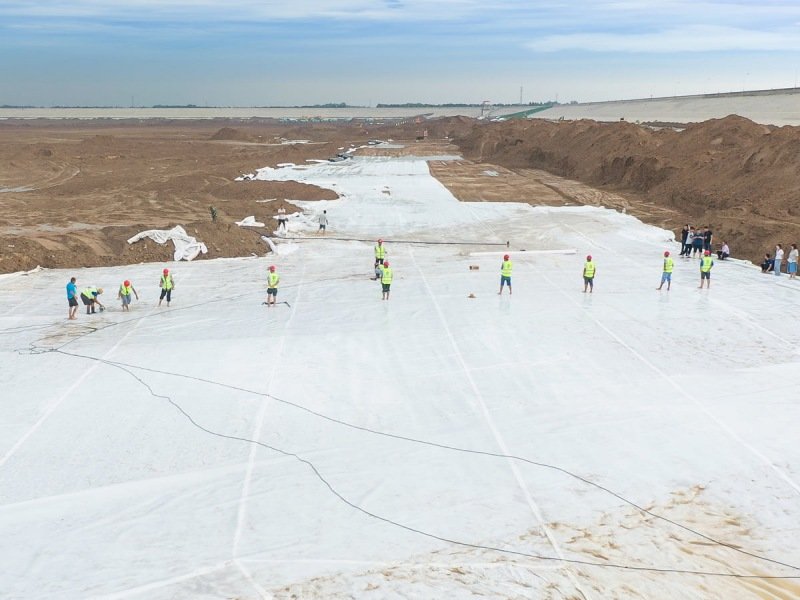
France’s geotextile market is supported by six leading suppliers, each with distinct strengths aligned with the country’s green infrastructure and environmental protection needs. Tergeo France and Geosynth France lead in large-scale transportation and industrial projects with robust performance. Soleno Environnement and EcoGeo Solutions excel in eco-friendly solutions. Aligning with France’s sustainability policies; BPM Geosynthetics brings global expertise and one-stop services to cross-border projects. EuroGeo Textiles specializes in coastal and water conservancy applications. All suppliers adhere to strict international and local standards. Ensuring their geotextiles meet France’s diverse climatic, terrain, and regulatory demands. As France advances in high-speed rail expansion, coastal protection, and ecological remediation. These companies will remain at the forefront of innovation. Delivering reliable, durable, and eco-friendly geotextile solutions for critical projects.