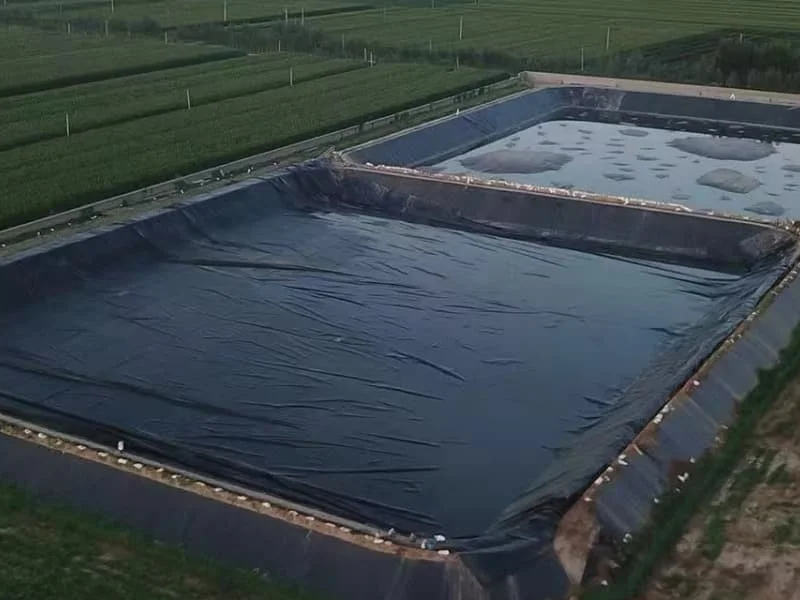
Bentonite clay pond liners provide a natural or engineered sealing solution for agricultural, aquaculture, recreational, and environmental water-containment projects. Available as loose granular or powdered sodium bentonite or as factory-manufactured geosynthetic clay liners (GCLs), these materials swell upon hydration to form a low-permeability barrier that significantly reduces seepage. Market demand continues to grow as landowners and engineers seek cost-effective, environmentally compatible alternatives or complements to synthetic geomembranes. A question frequently raised by farmers, pond builders, contractors, and project managers is: What does a bentonite clay pond liner cost? Understanding the full cost structure is essential for accurate budgeting and successful long-term performance.
At its core, material costs for bentonite clay pond liners typically range from $0.20 to $5.00 per square foot, depending on form (granular versus GCL), application rate, soil type, bentonite quality, and project scale. Installed costs commonly rise to $1.00–$7.00 per square foot once labor, compaction, geotextile protection, and site preparation are included. In this comprehensive guide, we systematically analyze bentonite clay pond liner costs from a manufacturer’s and supplier’s perspective, drawing on current industry data and insights from established geosynthetics producers such as The Best Project Material Co., Ltd (BPM Geosynthetics). Whether the project is a small livestock watering pond or a multi-acre irrigation reservoir, this article supplies detailed specifications, parameters, and practical guidance to support informed decisions.
1. What Are Bentonite Clay Pond Liners?
Bentonite clay pond liners utilize the unique swelling properties of sodium montmorillonite clay to create a low-permeability seal. When hydrated, high-quality sodium bentonite can expand 12–17 times its dry volume, filling soil voids and forming a barrier with hydraulic conductivity typically below 1 × 10⁻⁹ to 1 × 10⁻¹¹ cm/s. Two primary forms are used:
- Granular or powdered bentonite mixed directly into the soil subgrade or applied as a pure layer.
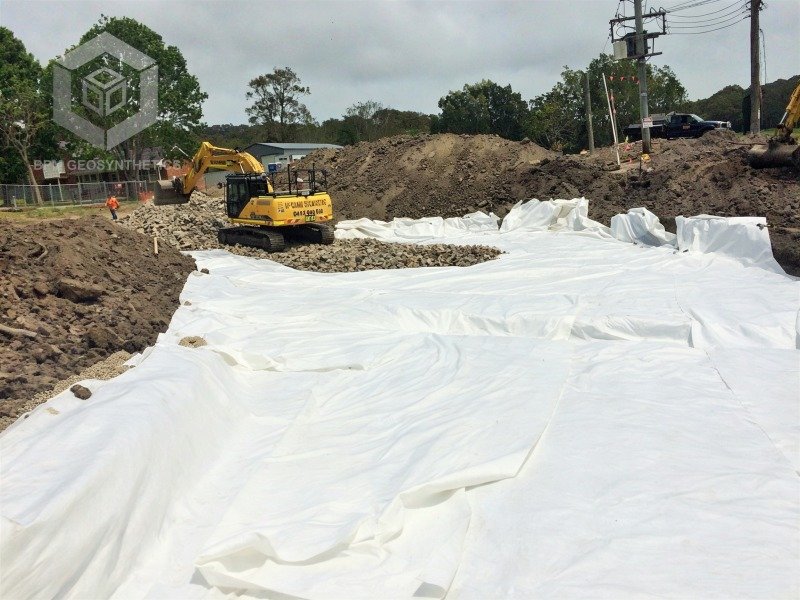
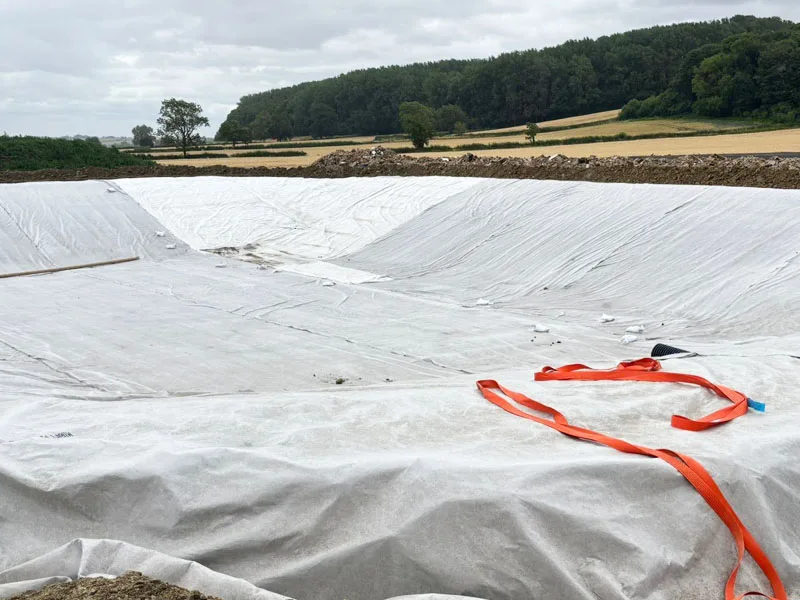
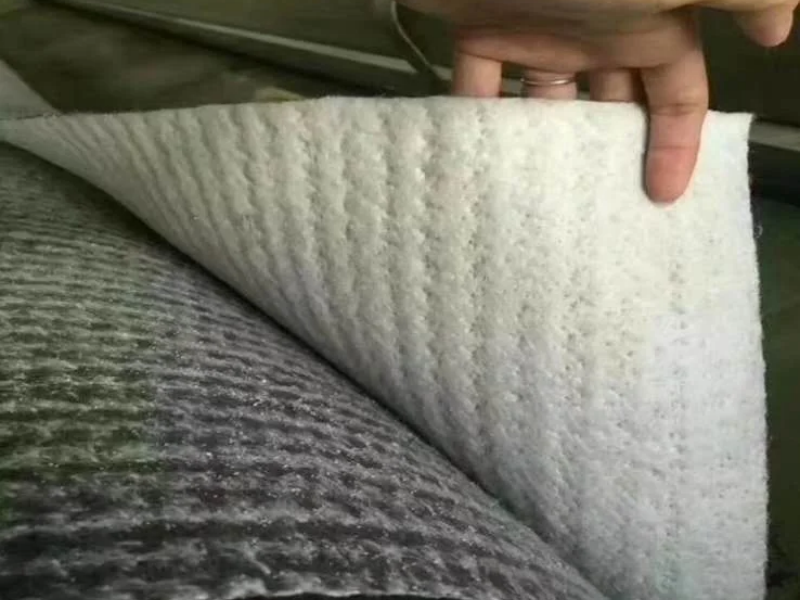
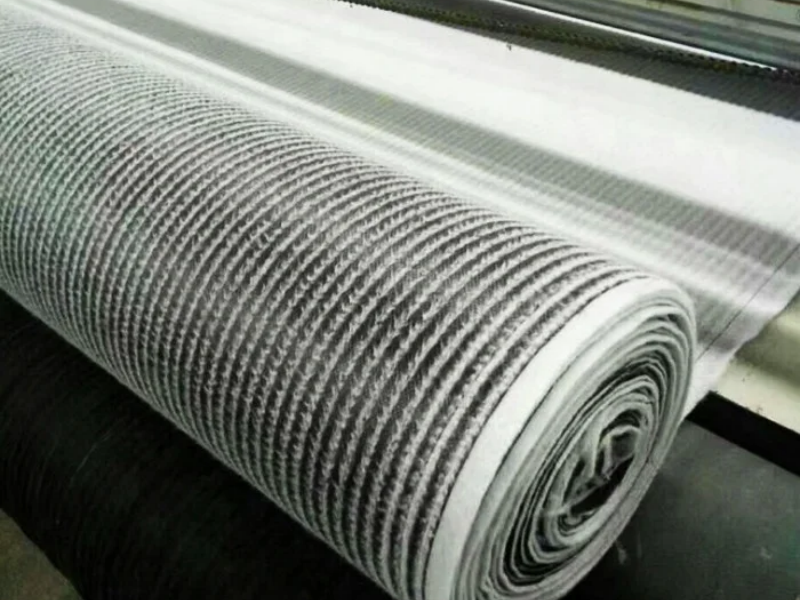
- Geosynthetic clay liners (GCLs), which consist of a layer of bentonite (usually 3.5–6 kg/m²) encapsulated between geotextile fabrics, often needle-punched for dimensional stability.
Common applications include:
- Agricultural irrigation and livestock watering ponds
- Aquaculture and fish-farming basins
- Stormwater retention and detention ponds
- Decorative and recreational water features
- Landfill caps and secondary containment where self-healing properties are advantageous
- Situations where a natural or composite liner is preferred over pure geomembrane
Key performance parameters include:
- Swell index: typically 20–30 mL/2 g (ASTM D5890)
- Bentonite mass per unit area (GCL): 3.5–6.0 kg/m² or higher
- Permeability: ≤1 × 10⁻⁹ to 1 × 10⁻¹¹ cm/s when properly hydrated and confined
- Shear strength (GCL): 15–30 kPa or greater
- Service life: 20–50+ years when correctly installed and protected from prolonged desiccation or chemical attack
These characteristics make bentonite-based systems attractive for many pond applications, particularly where self-sealing behavior and environmental compatibility are valued. Cost is governed by several interrelated factors examined below.
2. How Much Does a Bentonite Clay Pond Liner Cost?
Material costs for bentonite clay pond liners generally range from $0.20 to $5.00 per square foot. Granular applications on suitable soils often fall toward the lower end, while engineered GCLs occupy the mid-to-upper portion of the range. Installation, soil preparation, and ancillary materials commonly increase total project cost by 20–50 percent or more. The following subsections detail the principal cost drivers, supported by current market observations.
2.1 Bentonite Clay Pond Liner Cost – Material Type (Granular vs. GCL)
The form of bentonite exerts the largest influence on unit price and installation method.
2.1.1 Granular or Powdered Sodium Bentonite
- Cost: $0.04–$0.12 per pound ($80–$240 per ton); applied at 1–6 lb/sq ft this translates to roughly $0.08–$0.72 per square foot for material, with overall project material figures often cited in the $0.50–$3.00 per square foot band depending on rate and quality.
- Properties: High-swell sodium montmorillonite (typically >70 percent); expands 12–15 times upon hydration; permeability commonly <1 × 10⁻¹⁰ cm/s when properly mixed and compacted.
- Applications: Large agricultural ponds, livestock watering holes, and sites where on-site soil mixing is feasible.
- Advantage: Lowest material cost for suitable soils; self-healing of minor disturbances; fully natural composition.
- Example: Bulk sodium bentonite supplied through established channels can achieve effective sealing at 2 lb/sq ft on loamy soils for approximately $0.10–$0.25 per square foot of material.
2.1.2 Geosynthetic Clay Liners (GCLs)
- Cost: $1.50–$5.00 per square foot for material; installed systems frequently $4.00–$7.00 per square foot.
- Properties: Factory-controlled bentonite mass (3.5–6 kg/m² or higher) sandwiched between geotextiles; needle-punched versions provide improved internal shear strength (15–30 kPa); permeability ≤1 × 10⁻¹¹ cm/s under confinement.
- Applications: Engineered ponds, landfill caps, regulated containment, and projects requiring uniform quality and rapid installation.
- Advantage: Consistent performance independent of local soil variability; faster placement; reduced quality-control testing compared with pure clay liners.
- Example: BPM Geosynthetics and comparable producers offer needle-punched GCLs in the $1.50–$3.50 per square foot range for standard pond and containment grades, with higher figures for reinforced or geomembrane-faced composites.
Granular bentonite is typically more economical for large, uncomplicated farm ponds on compatible soils, while GCLs provide greater reliability and speed on engineered or regulated sites.
2.2 Bentonite Clay Pond Liner Cost – Application Rate and Soil Type
Application rate is highly dependent on existing soil permeability and is a primary cost variable for granular systems:
- Clay-rich or loamy soils: 1–2 lb/sq ft → material cost often $0.08–$0.30 per square foot
- Silty soils: approximately 3 lb/sq ft → $0.15–$0.45 per square foot
- Sandy or gravelly soils: 4–6 lb/sq ft → $0.25–$0.72 per square foot or higher
Higher application rates on permeable subgrades increase both material consumption and labor for spreading and mixing. GCLs largely eliminate this variability because the bentonite mass is factory-controlled.
2.3 Bentonite Clay Pond Liner Cost – Project Size and Scale
Economies of scale affect both material procurement and installation efficiency:
- Small ponds (<5,000–10,000 sq ft): Higher unit costs due to fixed mobilization, testing, and minimum-order considerations; material plus basic installation often $1.50–$4.00+ per square foot.
- Medium ponds (10,000–50,000 sq ft): Progressive improvement in unit pricing.
- Large ponds or reservoirs (>50,000 sq ft or multi-acre): Material costs move toward the lower end of published ranges; bulk granular purchases and efficient GCL deployment can yield 15–25 percent savings.
A one-acre (43,560 sq ft) pond using granular bentonite at 2–4 lb/sq ft may require 40–90 tons of material, with total material cost typically $2,000–$15,000 depending on unit price and rate; installed cost is substantially higher.
2.4 Bentonite Clay Pond Liner Cost – Installation Method and Labor
Installation constitutes a major portion of total cost, particularly for granular systems:
- Granular application: Spreading, mixing into the upper soil layer, moisture conditioning, and compaction. Labor and equipment commonly add $0.50–$1.70 per square foot.
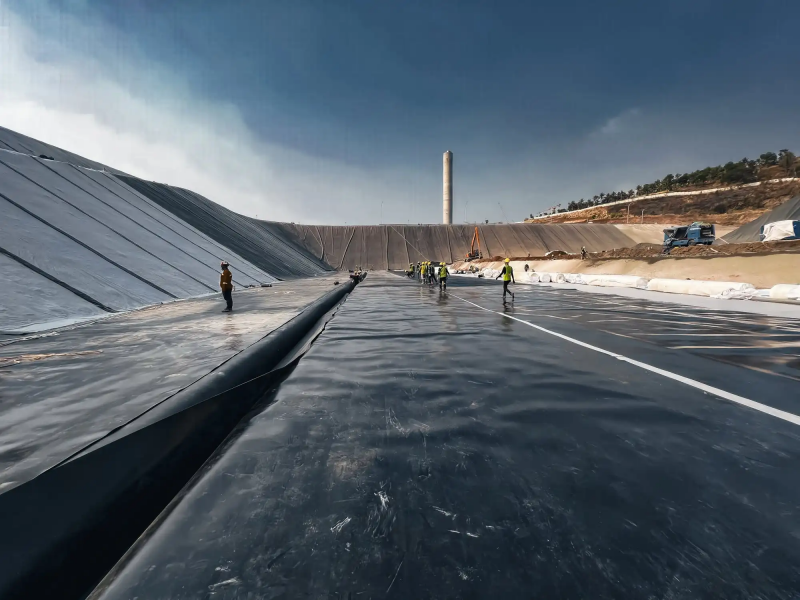
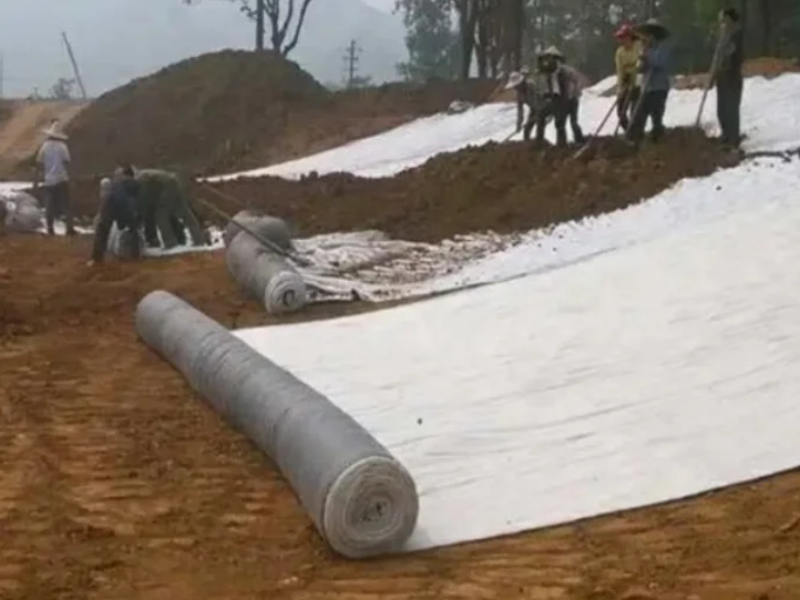
- GCL installation: Unrolling, overlapping (typically 150–300 mm), and light ballasting or covering. Placement is faster but still requires careful handling to avoid bentonite loss; labor often $0.50–$2.00 per square foot depending on site access and slope.
- Site preparation: Grading, debris removal, and subgrade compaction can add $0.20–$1.00 per square foot.
- Quality control: Permeability testing, thickness verification, and hydration confirmation add further cost but are essential for performance assurance.
Professional installation is strongly recommended; improper moisture control or insufficient compaction can leave permeable pathways and negate the sealing benefit.
2.5 Bentonite Clay Pond Liner Cost – Raw Material Quality and Additives
Bentonite quality directly influences both price and long-term effectiveness:
- High-swell sodium bentonite (>70 percent montmorillonite, swell index ≥24 mL/2 g) commands a premium over lower-grade or calcium bentonite.
- Polymer-enhanced or contaminant-resistant grades increase cost but improve performance in the presence of salts or leachates.
- GCL geotextile quality (woven versus nonwoven, needle-punched density) affects shear strength and price.
BPM Geosynthetics and similar manufacturers emphasize controlled bentonite quality and consistent manufacturing for GCL products intended for pond and containment use.
2.6 Transportation and Logistics
Bentonite is dense and heavy. Freight costs are significant, especially for granular material shipped long distances:
- Local or regional sources keep delivered cost low.
- Long-haul trucking or intermodal transport can add $0.10–$0.50 per square foot equivalent.
- GCLs, while also heavy, are supplied in compact rolls that improve handling efficiency relative to bulk clay.
Proximity to bentonite mining regions (for example, Wyoming in the United States) or efficient manufacturing and distribution networks reduces landed cost.
2.7 Maintenance and Lifetime Costs
Properly installed bentonite systems offer long service life with relatively low maintenance:
- Self-healing of minor punctures or desiccation cracks upon rehydration is a distinctive advantage.
- Service life of 20–50+ years is achievable when the liner remains hydrated and protected from prolonged drying or aggressive chemicals.
- Periodic inspection of water levels and embankment integrity is normally sufficient; major repairs are infrequent when initial installation quality is high.
- Compared with synthetic liners, bentonite systems may require more careful management of water chemistry and seasonal water-level fluctuations, yet they avoid issues associated with seam failures or UV degradation of exposed plastic.
When total cost of ownership is considered, a correctly designed and installed bentonite clay pond liner frequently delivers competitive lifecycle economics, particularly on large agricultural ponds where granular material can be sourced economically.
3. Practical Pricing Examples and Project Considerations
For a 5,000 sq ft farm pond on loamy soil using granular sodium bentonite at 2 lb/sq ft, material cost may range from $400–$1,500; total installed cost commonly falls between $2,500 and $8,000 depending on labor rates and site preparation. A one-acre (43,560 sq ft) irrigation pond at 3–4 lb/sq ft can require $5,000–$25,000 in material alone, with installed costs reaching $20,000–$80,000 or more. GCL systems for the same area typically start higher in material price ($65,000–$150,000+) but can reduce installation time and quality-control uncertainty.
Additional factors influencing final cost include the need for a protective soil cover or geotextile, local regulatory testing requirements, access limitations, and whether the pond will be subject to frequent draining or heavy equipment traffic.
Conclusion
What a bentonite clay pond liner costs depends on material form (granular versus GCL), application rate dictated by soil type, project scale, installation complexity, and logistics. Current material prices generally range from $0.20 to $5.00 per square foot, with installed systems typically $1.00 to $7.00 per square foot. Granular sodium bentonite offers the most economical solution for large agricultural ponds on compatible soils, while GCLs provide engineered consistency and faster placement for regulated or higher-value projects.
For accurate, project-specific quotations and technical guidance, contact The Best Project Material Co., Ltd (BPM Geosynthetics). Their team can evaluate soil conditions, recommend the appropriate bentonite or GCL product, supply current pricing based on required quantity and delivery location, and provide supporting performance data. Early consultation ensures optimal material selection and helps control both the initial bentonite clay pond liner cost and the long-term cost of reliable water containment.