Geomembrane liners are essential low-permeability synthetic membranes used in civil engineering, environmental protection, mining, wastewater treatment, aquaculture, and water-containment projects to prevent leakage, contamination, and erosion. These flexible or semi-rigid sheets, typically manufactured from high-density polyethylene (HDPE), linear low-density polyethylene (LLDPE), polyvinyl chloride (PVC), or ethylene propylene diene monomer (EPDM), serve as reliable barriers in critical applications. According to market analyses, the global geosynthetics sector continues to expand, driven by infrastructure development and stricter environmental regulations. One of the most common questions from project managers, engineers, and contractors is: What does a geomembrane liner cost? Understanding the complete cost structure is vital for accurate budgeting and long-term project success.
At its core, the material cost of geomembrane liners typically ranges from $0.28 to $3.00 per square foot, depending on material type, thickness, project size, resin quality, and installation requirements. Installation, transportation, and site preparation can add 15–50 percent or more to the total project cost. In this comprehensive guide, we systematically analyze geomembrane liner costs from a manufacturer’s perspective, drawing on current industry data and insights from leaders such as The Best Project Material Co., Ltd (BPM Geosynthetics). Whether you are planning a small pond lining or a large-scale landfill project, this article provides detailed specifications, parameters, and practical advice to help you make informed purchasing decisions.
1. What Are Geomembrane Liners?
Geomembrane liners are flexible or semi-rigid synthetic sheets designed to control the migration of fluids, gases, or contaminants in constructed systems. Produced primarily from polymeric materials such as HDPE, LLDPE, PVC, or EPDM, they offer exceptional impermeability, chemical resistance, and durability. Common applications include:
- Landfill base and cap systems to prevent leachate contamination of soil and groundwater.
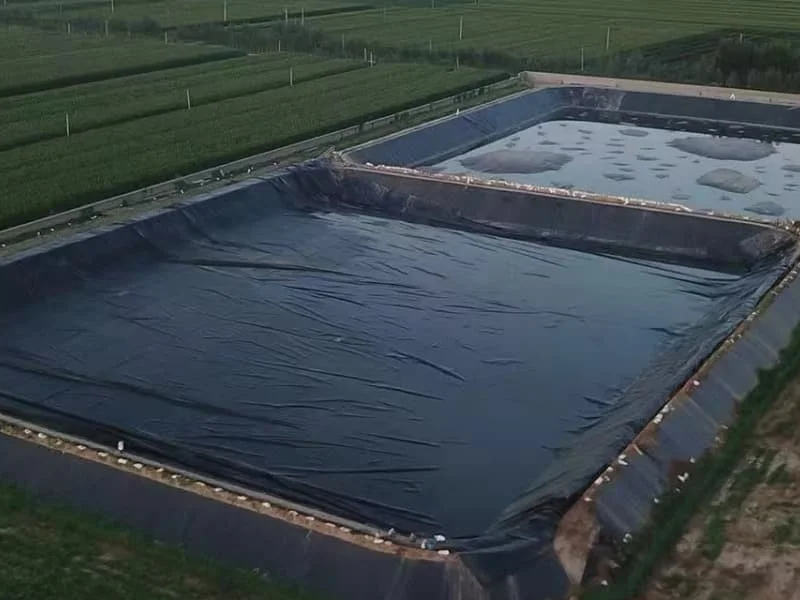
- Pond, canal, and reservoir liners for aquaculture, irrigation, and water storage.
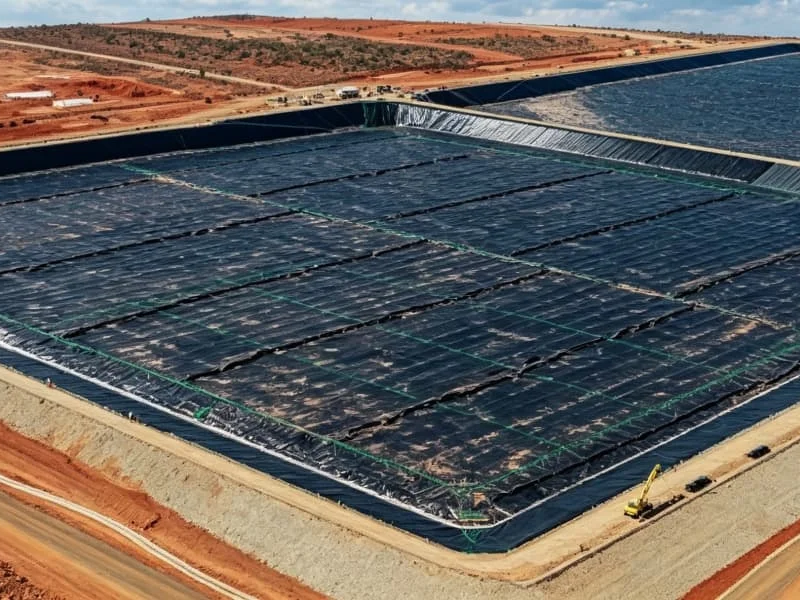
- Mining operations for containing tailings and heap-leach pads.
- Wastewater treatment lagoons and industrial process ponds.
- Secondary containment for oil, gas, chemicals, and hazardous materials.
- Environmental remediation and agricultural water-management projects.
Key technical specifications include:
- Thickness: 0.5–3.0 mm (20–120 mil)
- Tensile strength: 15–40 kN/m (ASTM D6693)
- Puncture resistance: 1.5–8 kN (ASTM D4833)
- Roll widths: commonly up to 8–11.6 m
- Service life: 20–100 years in buried applications; 10–20 years when exposed (Geosynthetic Institute data)
These properties make geomembranes critical for long-term environmental protection and containment performance. Their cost is influenced by multiple interrelated factors, which are examined in detail below.
2. How Much Does a Geomembrane Liner Cost?
The cost of a geomembrane liner typically ranges from $0.28 to $3.00 per square foot for material only, excluding installation and additional services. For example, a 0.5 mm HDPE liner for a small fish pond may cost $0.50–$1.00 per square foot, while a 2.0 mm HDPE liner for a landfill could reach $2.00–$3.00 per square foot. Installation, transportation, and site preparation can add 15–50 percent to the total project cost, depending on complexity. Below we break down the key factors influencing geomembrane liner costs, supported by industry data and insights.
2.1 Geomembrane Liner Cost – Material Type
The choice of material significantly affects geomembrane liner costs due to differences in durability, flexibility, and chemical resistance. Common materials include:
2.1.1 High-Density Polyethylene (HDPE)
- Cost: $0.50–$2.55 per square foot
- Properties: High tensile strength (20–40 kN/m), excellent chemical resistance, UV stability with carbon black additives, and very low permeability.
- Applications: Landfills, mining, wastewater treatment, and large reservoirs.
- Advantage: Most durable option, with buried service lives of 40–100 years when manufactured from virgin resin.
- Example: BPM Geosynthetics’ GRI-GM13-standard HDPE liners, produced with high-quality virgin resin, typically cost $1.00–$2.55 per square foot for 1.5–2.0 mm thicknesses and deliver proven long-term performance.
2.1.2 Linear Low-Density Polyethylene (LLDPE)
- Cost: $0.60–$2.50 per square foot
- Properties: Greater flexibility and elongation, good puncture resistance (1.5–7 kN), suitable for uneven or settling terrains.
- Applications: Pond liners, canal liners, and environmental remediation.
- Advantage: Easier to install on irregular surfaces, with service lives of 20–50 years.
2.1.3 Polyvinyl Chloride (PVC)
- Cost: $0.60–$2.00 per square foot
- Properties: High flexibility and easier welding, but generally lower UV resistance unless protected.
- Applications: Smaller ponds, decorative water features, and temporary containment.
- Advantage: Cost-effective for non-critical or shorter-term applications, with service lives of 15–25 years.
2.1.4 Ethylene Propylene Diene Monomer (EPDM)
- Cost: $0.75–$2.50 per square foot
- Properties: Synthetic rubber with high flexibility and good UV resistance.
- Applications: Natural swimming ponds, decorative features, and some roofing uses.
- Advantage: Excellent conformability, though material costs are typically higher than standard HDPE.
HDPE remains the most cost-effective choice for large-scale and critical projects due to its durability and widespread compliance with standards such as GRI-GM13, while LLDPE and PVC are preferred for smaller or more flexible applications.
2.2 Geomembrane Liner Cost – Thickness
Thicker geomembrane liners are more expensive due to increased material usage and enhanced mechanical performance. Common thicknesses and approximate material costs include:
- 5 mm (20 mil): $0.28–$1.00 per square foot — used in aquaculture or irrigation ponds with low mechanical stress.
- 75–1.0 mm (30–40 mil): $0.50–$1.50 per square foot — suitable for canals, reservoirs, and moderate-duty ponds.
- 5 mm (60 mil): $1.00–$2.00 per square foot — standard for wastewater treatment and many mining applications.
- 0–3.0 mm (80–120 mil): $1.50–$3.00 per square foot — preferred for landfills and hazardous-waste containment.
Thicker liners offer higher puncture resistance (up to 8 kN) and greater durability, making them ideal for high-risk applications where they can last 40–60 years or more. BPM Geosynthetics commonly recommends 0.5–1.0 mm HDPE for fish ponds to balance cost and performance, while 1.5–2.0 mm liners are standard for mining and landfill projects.
2.3 Geomembrane Liner Cost – Project Size and Scale
The size of the project influences cost per square foot due to economies of scale. Key considerations include:
- Small projects (<10,000 square feet): Higher per-square-foot costs ($1.00–$3.00) due to custom fabrication and setup fees. A backyard or small farm pond liner may cost $1.50–$2.50 per square foot.
- Large projects (>50,000 square feet): Lower costs ($0.50–$2.00 per square foot) due to bulk purchasing and installation efficiencies. Industry data show 10–20 percent cost reductions for large-scale projects such as landfills or reservoirs.
- Custom sizes: Irregular shapes or non-standard dimensions increase costs by 15–25 percent due to additional cutting and welding.
For instance, a 100,000-square-foot landfill project using 1.5 mm HDPE liners may achieve material pricing of $1.00–$1.50 per square foot, while a 5,000-square-foot pond liner could cost $1.50–$2.00 per square foot.
2.4 Geomembrane Liner Cost – Installation Method and Labor
Installation is a significant cost component, often accounting for 20–50 percent of the total project budget. Factors include:
- Installation techniques: Hot-wedge or extrusion welding ensures seamless, high-integrity joints and typically costs $0.30–$0.75 per square foot for skilled labor and equipment. Properly welded seams reduce long-term maintenance by 15–25 percent. Adhesive bonding or mechanical fastening is less expensive ($0.10–$0.30 per square foot) but less durable and suited mainly to temporary applications.
- Labor costs: Skilled technicians are essential to avoid punctures or seam failures that can shorten liner lifespan by 10–20 percent. Rates are higher in North America and Europe ($30–$50 per hour) than in many Asian markets ($10–$20 per hour).
- Site conditions: Uneven terrain, remote locations, or the need for geotextile underlays and subgrade preparation can add $0.20–$0.50 per square foot. Cold climates may require heating equipment, increasing costs by 10–15 percent.
A welded 1.5 mm HDPE liner installation for a landfill may cost $0.50–$1.00 per square foot for labor and equipment. Improper installation can significantly reduce service life, underscoring the value of experienced crews.
2.5 Geomembrane Liner Cost – Raw Material Quality
The quality of raw materials directly impacts both initial and lifetime costs. Key considerations include:
- Virgin versus recycled resin: Virgin HDPE resin, used by manufacturers such as BPM Geosynthetics, ensures high performance and service lives of 40–100 years. It costs more ($0.50–$2.55 per square foot range) but reduces maintenance by 20–30 percent. Recycled resin offers lower initial costs ($0.28–$1.00 per square foot) but typically limits lifespan to 5–15 years and increases failure risk. Recycled liners may also release undesirable substances and are generally unsuitable for critical environmental projects.
- Additives: UV stabilizers, antioxidants, and precise carbon-black dispersion increase costs by 5–10 percent but extend lifespan by 15–20 percent. BPM’s GRI-GM13-standard liners incorporate high-quality formulations for superior long-term resistance.
Using virgin resin is critical for large-scale projects such as landfills, where failure can lead to environmental damage and repair costs exceeding tens of thousands of dollars per incident.
2.6 Transportation and Logistics
Transporting geomembrane liners, especially large rolls (commonly 5–8 m or wider and 50–200 m long), adds to overall costs:
- Distance: Shipping to remote sites (for example, mining operations) can cost two to three times more than urban deliveries, adding $0.10–$0.30 per square foot.
- Packaging and handling: Custom protective packaging and specialized equipment increase costs by 5–10 percent.
- Geographical variations: Factory-gate prices are generally lower in Asia due to proximity to resin production and manufacturing scale. North American and European delivered prices are higher because of regulations, labor, and freight.
BPM Geosynthetics’ production facilities and established export logistics help deliver competitive pricing for international clients.
2.7 Maintenance and Lifetime Costs
While initial costs are important, lifetime costs determine long-term value. Key factors include:
- Maintenance: High-quality HDPE liners require minimal intervention. Annual inspections for large projects typically cost $500–$2,000. Localized repairs for punctures or tears range from $1,000–$5,000 per incident.
- Service life: Virgin HDPE liners last 40–100 years in buried applications, while PVC and EPDM typically last 15–25 years. Recycled-content liners often fail within 5–15 years, increasing replacement frequency.
- Failure costs: A failed liner in a landfill or mining facility can trigger environmental fines ($10,000–$100,000 or more) and expensive remediation. Selecting a higher-quality virgin-resin liner is frequently more economical over the full project life cycle.
3. Practical Pricing Examples and Additional Considerations
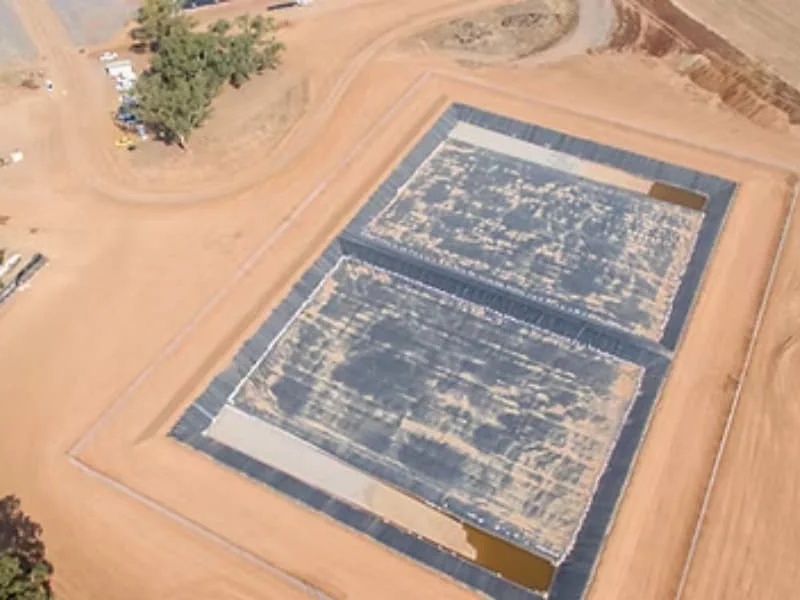
For a 5,000-square-foot aquaculture pond using 0.75–1.0 mm HDPE, material costs may range from $2,500–$7,500 before delivery and installation. Total installed cost commonly falls between $4,000 and $12,000. A 50,000-square-foot landfill cell with 1.5 mm textured HDPE can see material costs of $50,000–$150,000, with total system costs substantially higher once welding, geotextile protection, and quality assurance are included. Bulk orders and direct factory supply consistently reduce unit pricing.
Additional factors that influence final quotations include required testing and certification (mill certificates, third-party verification, GRI-GM13 compliance), surface texture (textured sheets typically add 15–35 percent), color options, and any project-specific conductive layers for leak detection.
Conclusion
What a geomembrane liner costs is determined by material type, thickness, resin quality, project scale, logistics, and installation requirements. Current material prices generally range from $0.28 to $3.00 per square foot, with total installed costs rising by 15–50 percent or more. Selecting the appropriate thickness and virgin-resin formulation matched to the project’s hydraulic, chemical, and mechanical demands consistently provides the best balance of performance, durability, and lifecycle economy.
For accurate, project-specific quotations and technical support, contact The Best Project Material Co., Ltd (BPM Geosynthetics). Their experienced team can recommend the optimal geomembrane liner type and thickness, provide current factory pricing based on your required quantity and delivery location, and supply full supporting documentation including test data and compliance certificates. Early engagement with a proven manufacturer ensures optimal material selection and helps control both the initial geomembrane liner cost and the long-term cost of your containment project.