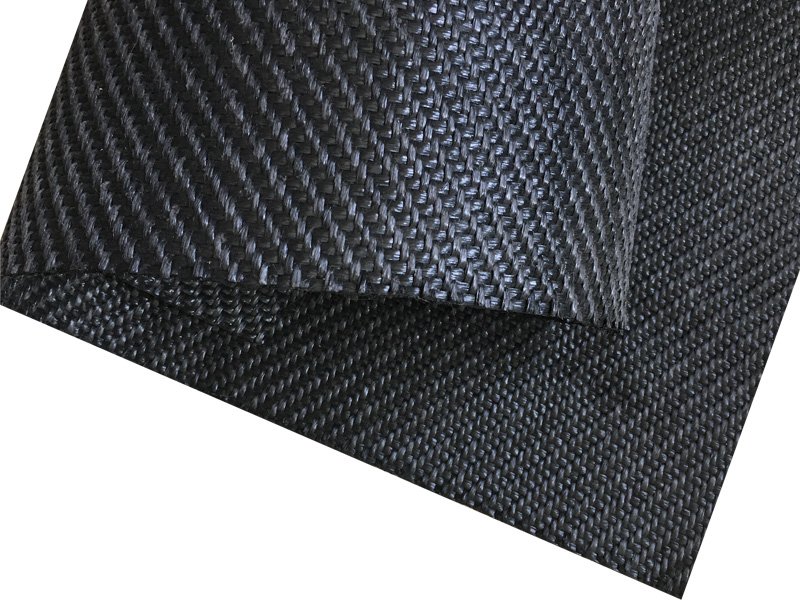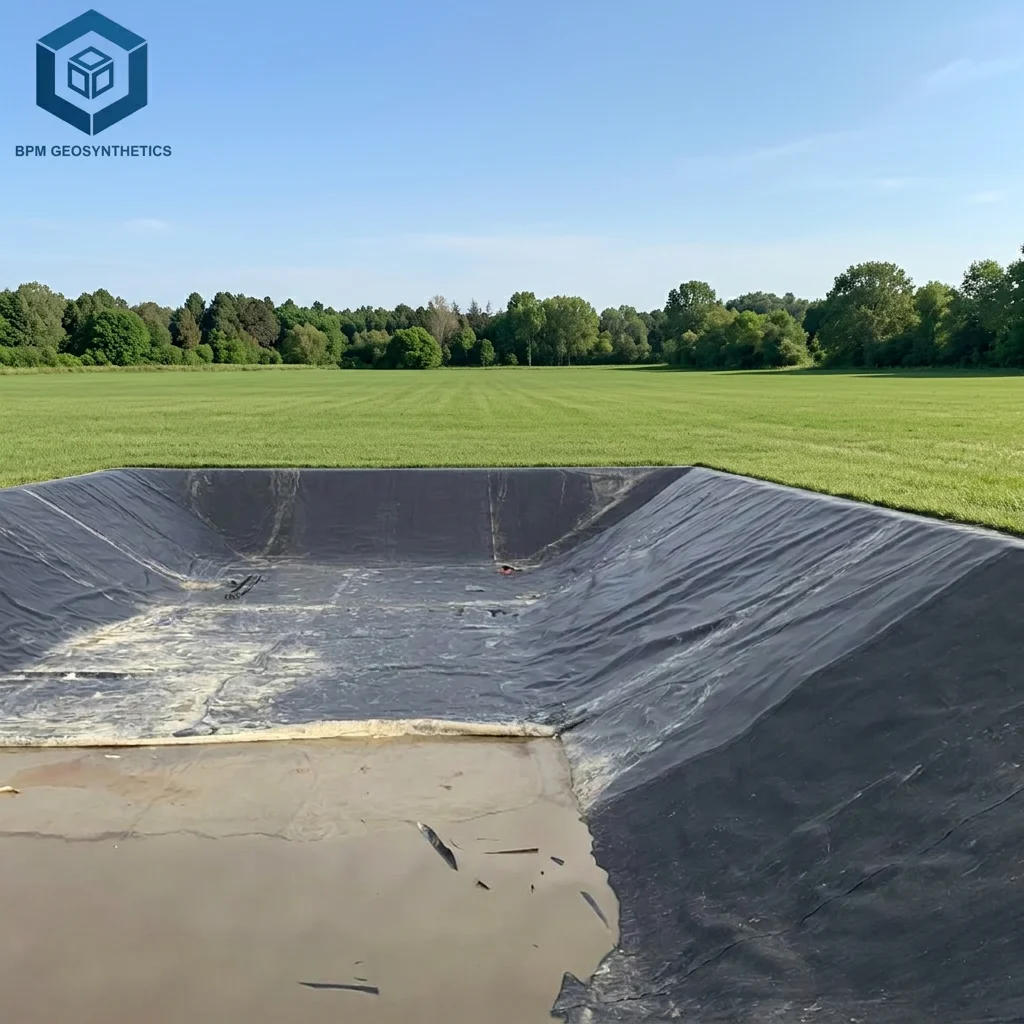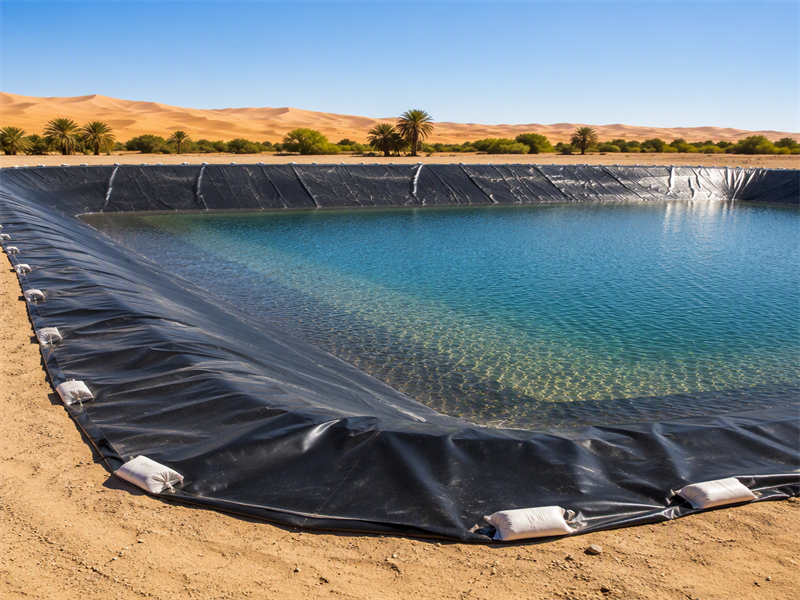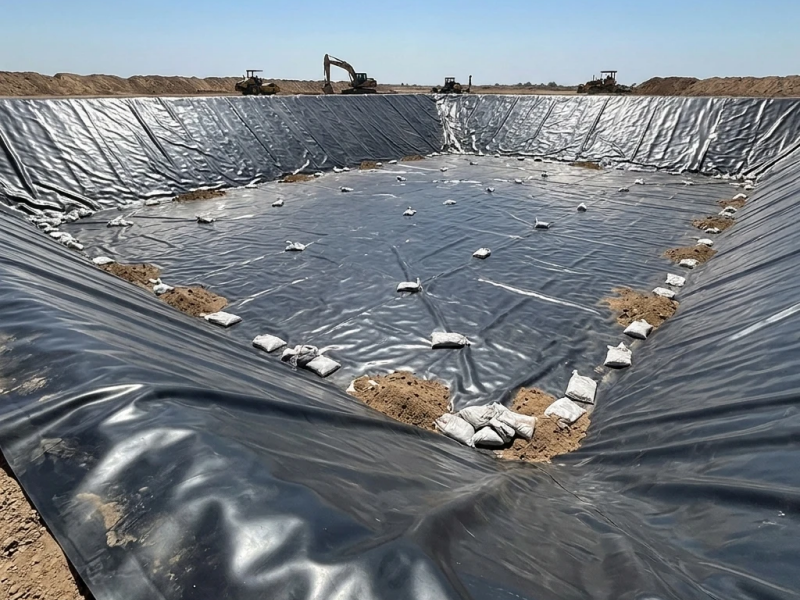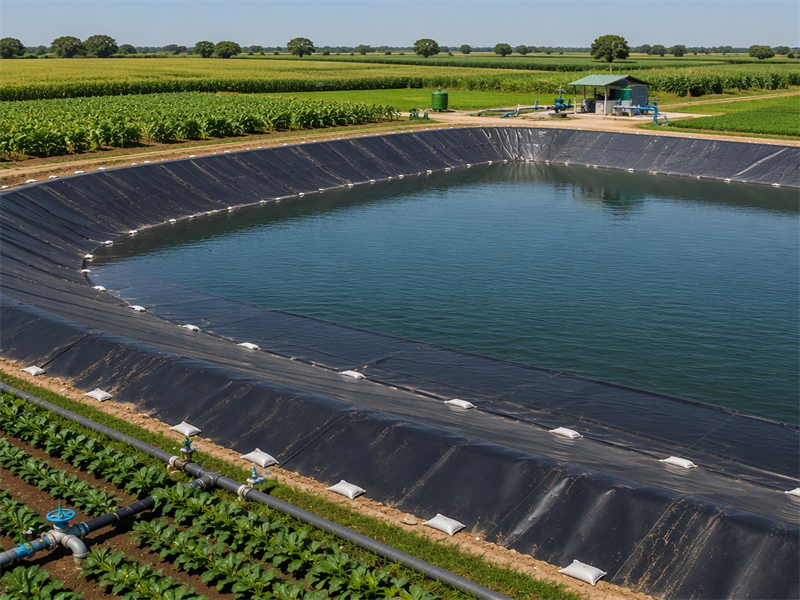
Woven geotextile fabric is widely used in road construction, soil stabilization, drainage systems, mining, landfills, coastal engineering, and other civil engineering projects. Compared with nonwoven geotextiles, woven geotextiles are manufactured by interlacing polypropylene or polyethylene yarns, providing high tensile strength, excellent dimensional stability, and strong resistance to separation.
One of the first questions buyers usually ask is: How much is woven geotextile fabric price? The answer depends on several factors, including raw material, tensile strength, fabric weight, thickness, roll size, production technology, order quantity, and shipping destination.
For international projects, the typical price of woven geotextile fabric can vary considerably. Instead of looking only at the price per square meter, buyers should evaluate the complete cost based on product performance, transportation, installation, and expected service life.
What Determines Woven Geotextile Fabric Price?
The price of woven geotextile fabric is not fixed because different projects require different specifications. Several important factors influence the final quotation.
1. Raw Material–Woven Geotextile Fabric Price
Most high-quality woven geotextiles are produced from polypropylene (PP) or high-density polyethylene (HDPE). Virgin polymer generally provides more consistent tensile strength, elongation, UV resistance, and long-term performance.
Recycled materials may reduce the initial purchase price, but they may not provide the same mechanical properties required for demanding infrastructure projects. Therefore, buyers should confirm the raw material composition before comparing quotations.
2. Tensile Strength–Woven Geotextile Fabric Price
Tensile strength is one of the most important specifications for woven geotextiles. Common grades may range from relatively low-strength products for basic soil separation to high-strength materials designed for reinforcement.
A 20 kN/m woven geotextile will normally have a lower price than a 100 kN/m or 200 kN/m product. For large construction projects, selecting the correct tensile strength can reduce the amount of material required and improve overall project economics.
3. Fabric Weight and Specifications–Woven Geotextile Fabric Price
Fabric weight is another major factor affecting woven geotextile fabric price. Lightweight products generally cost less per square meter, while heavier fabrics require more polymer and stronger yarns.
Typical specifications may include different weights, tensile strengths, opening sizes, and roll dimensions. The best choice should be determined according to the engineering design rather than simply selecting the cheapest material.
Average Woven Geotextile Fabric Price
For international purchasing, woven geotextile fabric is often quoted on a USD per square meter or USD per square meter FOB/CIF basis.
As a general market reference, standard woven geotextile products may fall approximately within the range of US$0.20–US$1.50 per square meter, while specialized high-strength products can cost more.
For this reason, a professional supplier normally requests the required tensile strength, width, quantity, and delivery location before providing a final price.
Woven Geotextile vs. Nonwoven Geotextile
Woven and nonwoven geotextiles serve different engineering purposes.
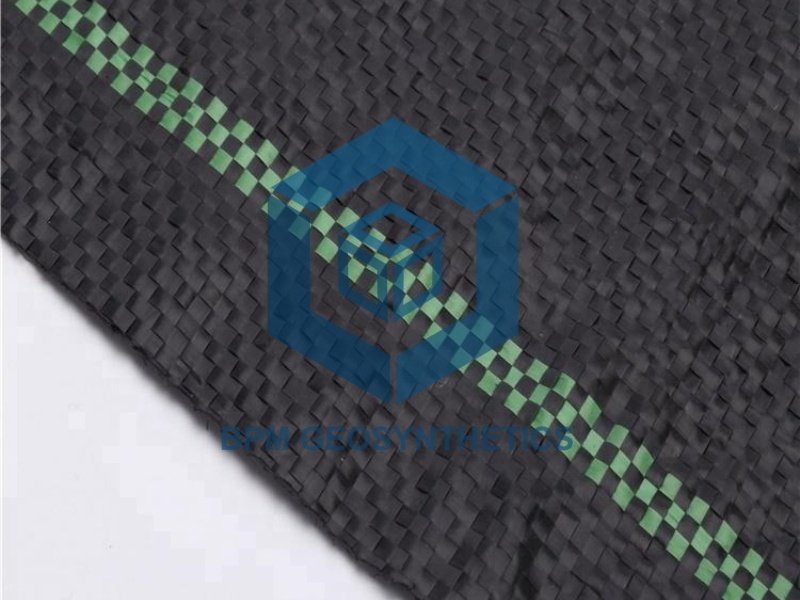
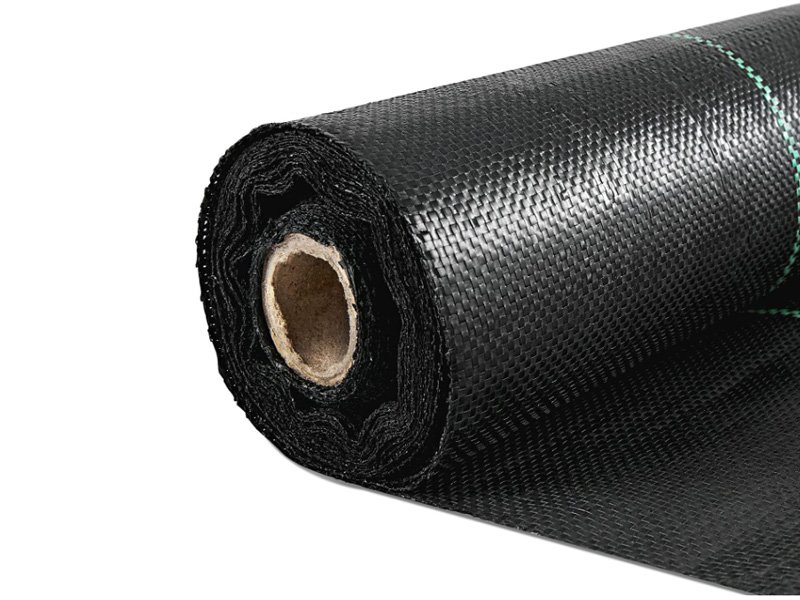
Woven geotextiles are particularly suitable for reinforcement, separation, and soil stabilization because their interlaced yarn structure provides high tensile strength and low elongation. They are commonly used beneath roads, railways, embankments, working platforms, and heavy-load areas.
Nonwoven geotextiles are manufactured by bonding or mechanically entangling fibers. They are generally more suitable for filtration, drainage, and protection applications.
Therefore, buyers should not compare woven and nonwoven products based only on price. The correct product depends on the engineering function required at the project site.
Main Applications of Woven Geotextile Fabric
High-strength woven geotextiles are used in a wide range of infrastructure projects.
Road Construction–Woven Geotextile Fabric Price
Woven geotextiles can separate aggregate from weak subgrade soil and improve the stability of roads. They are particularly useful in soft-soil areas where conventional construction methods may require large quantities of aggregate.
Soil Stabilization–Woven Geotextile Fabric Price
In embankments and slopes, woven geotextiles can provide reinforcement and help distribute loads more effectively.
Mining Projects–Woven Geotextile Fabric Price
Mining operations often require high-strength geosynthetic materials for haul roads, stockpiles, containment systems, and other infrastructure applications.
Landfills and Environmental Engineering–Woven Geotextile Fabric Price
Woven geotextiles can be incorporated into composite geosynthetic systems for separation, reinforcement, and protection.
Coastal and Hydraulic Engineering–Woven Geotextile Fabric Price
Because of their high tensile strength and resistance to installation stresses, woven geotextiles can be used in coastal protection, riverbank stabilization, and hydraulic construction projects.
How to Choose a Reliable Woven Geotextile Supplier
Price should not be the only factor when selecting a supplier. A low quotation may result in higher project costs if the material does not meet the required specifications.
Buyers should also check whether the supplier can maintain consistent quality between different production batches. For large projects, stable production capacity and reliable delivery schedules are just as important as the initial material price.
How to Reduce Woven Geotextile Fabric Purchasing Costs
There are several practical ways to control the total purchasing cost.
First, determine the required engineering specifications before requesting quotations. Buying an unnecessarily high-strength product can increase material costs.
Second, purchase in larger quantities whenever possible. Factory-direct orders and full-container shipments can significantly reduce packaging and transportation costs per square meter.
Third, compare suppliers based on total delivered cost, rather than simply comparing the factory price. Ocean freight, port charges, packaging, customs, and inland transportation can have a substantial effect on the final project budget.
Finally, work directly with an experienced manufacturer when possible. Factory-direct purchasing can provide better communication, customization options, and quality control.
Conclusion
So, how much is woven geotextile fabric price? For many standard products, international prices may range from approximately US$0.20 to US$1.50 per square meter, but the actual price depends heavily on tensile strength, weight, polymer quality, dimensions, quantity, and delivery terms.
For road construction, mining, soil stabilization, landfill, and coastal engineering projects, woven geotextile should be selected according to technical requirements rather than price alone. A properly specified product can reduce aggregate consumption, improve soil stability, simplify construction, and provide better long-term value.
If you are looking for a factory quotation, provide the required tensile strength, width, quantity, application, and destination port. A professional woven geotextile manufacturer can then recommend a suitable specification and calculate an accurate project price.