Railway infrastructure requires reliable materials that can withstand heavy loads, repeated vibration, changing weather conditions, and long-term environmental exposure. One of the most important materials used in modern railway construction is geotextile.
A high-quality geotextile for railway applications helps improve subgrade stability, prevent soil contamination, enhance drainage, reinforce weak foundations, and extend the service life of railway tracks.
Whether you are a railway contractor, engineering company, distributor, or project developer, choosing the right railway geotextile is essential for ensuring long-term performance and reducing maintenance costs.
In this guide, we review seven popular types of geotextiles used in railway projects and explain how to choose the right solution for your application.
Quick Comparison of Railway Geotextile Types
Geotextile Type | Main Function | Recommended Application | Key Advantage |
Non-Woven Needle-Punched Geotextile | Filtration & Drainage | Railway subgrades | Excellent permeability |
Woven Geotextile | Separation & Reinforcement | Heavy-load railways | High tensile strength |
PET Geotextile | Reinforcement | High-speed railways | Low creep performance |
PP Non-Woven Geotextile | Filtration & Protection | General railway projects | Strong chemical resistance |
High-Strength Woven Geotextile | Soil Stabilization | Freight railways | Superior load distribution |
Composite Geotextile | Multi-functional Protection | Complex ground conditions | Multiple functions in one system |
UV-Stabilized Geotextile | Environmental Protection | Exposed construction areas | Improved UV resistance |
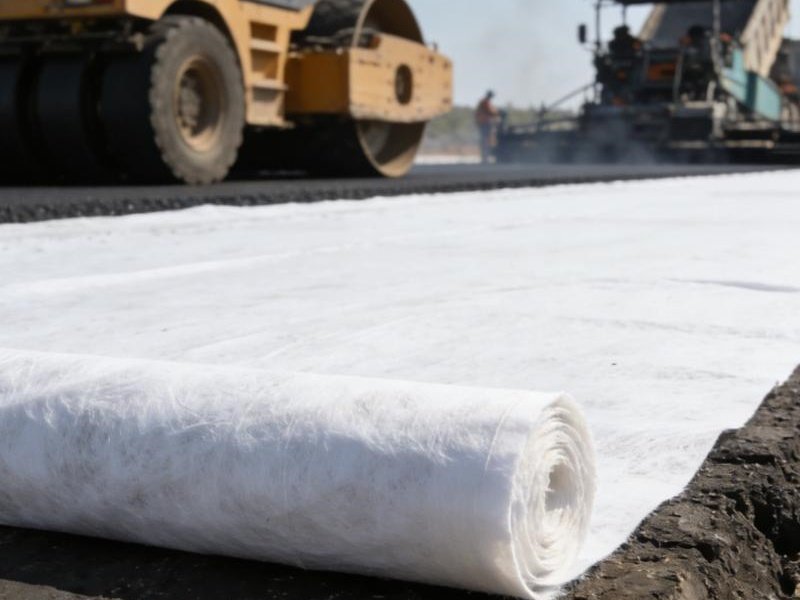
1. Non-Woven Needle-Punched Geotextile
Non-woven needle-punched geotextile is one of the most widely used materials in railway construction and infrastructure projects.
It is commonly manufactured from polypropylene (PP) or polyester (PET) fibers using a mechanical needle-punching process. The resulting structure provides excellent permeability while maintaining strong filtration and separation properties.
When installed between the railway ballast and subgrade, the geotextile allows water to pass through while preventing fine soil particles from migrating into the ballast layer.
This is important because contaminated ballast can reduce drainage efficiency and negatively affect track stability.
Key Benefits:
Excellent water permeability
Effective soil filtration
Prevents ballast contamination
Good puncture resistance
Flexible and easy to install
Suitable for various soil conditions
Best for: Railway drainage systems, ballast separation, and subgrade filtration.
2. Woven Geotextile
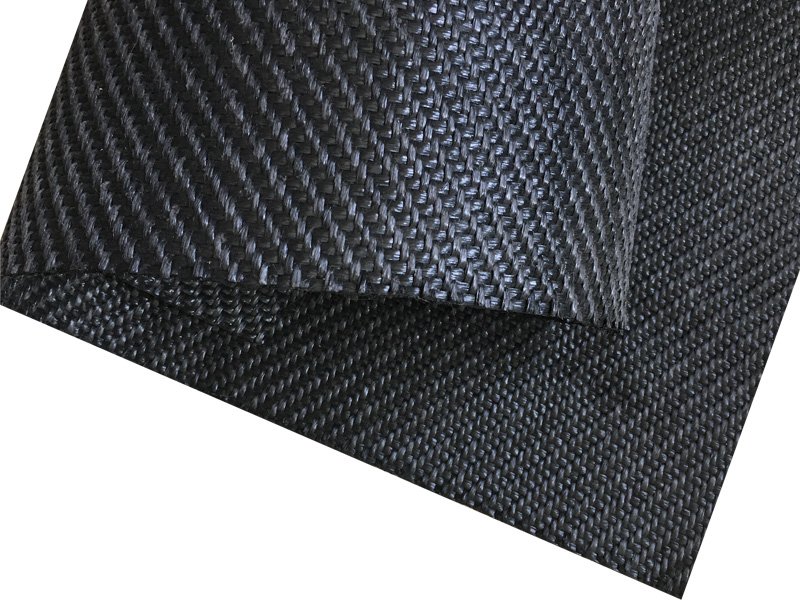
Woven geotextile is designed for applications requiring high tensile strength and effective soil stabilization.
Unlike non-woven products, woven geotextiles are produced by interlacing synthetic yarns to create a strong and stable structure. This makes them particularly suitable for railway projects exposed to heavy loads and repeated dynamic stress.
Woven railway geotextiles can help distribute loads more evenly across weak soils and reduce excessive settlement.
They are commonly used in railway embankments, access roads, freight railways, and areas with poor ground conditions.
Key Benefits:
High tensile strength
Excellent load distribution
Strong separation performance
Reduces subgrade deformation
Suitable for heavy-duty applications
Best for: Heavy-load railway construction and soil reinforcement.
3. PET Geotextile
PET geotextile is widely recognized for its excellent mechanical strength, dimensional stability, and long-term durability.
One of the major advantages of polyester geotextile is its low creep behavior. This means the material is less likely to experience significant deformation under continuous loads.
For railway projects, especially high-speed railways and long-term infrastructure systems, maintaining stable reinforcement performance is critical.
PET geotextiles can provide reliable support for railway foundations and embankments while helping reduce settlement over time.
Key Benefits:
High tensile strength
Excellent long-term stability
Low creep characteristics
Good resistance to mechanical stress
Suitable for demanding engineering projects
Best for: High-speed railways, railway embankments, and long-term reinforcement projects.
4. PP Non-Woven Geotextile
PP non-woven geotextile is a cost-effective and versatile solution for railway construction.
Manufactured from polypropylene fibers, this material provides excellent filtration, separation, and protection properties. It also offers strong resistance to chemicals and biological degradation.
PP geotextiles are commonly used to separate the ballast layer from fine-grained soils while maintaining effective drainage.
Because polypropylene has good moisture resistance, PP non-woven geotextiles perform well in wet environments and drainage applications.
Key Benefits:
Excellent filtration performance
Good chemical resistance
Lightweight and easy to install
Cost-effective solution
Suitable for wet soil conditions
Best for: General railway construction, drainage, and soil separation.
5. High-Strength Woven Geotextile
For railway projects involving heavy freight loads or weak subgrade conditions, high-strength woven geotextile is often the preferred solution.
These geotextiles are manufactured using high-tenacity synthetic yarns and are engineered to provide superior tensile strength and reinforcement performance.
By improving load distribution across the subgrade, high-strength woven geotextiles can help reduce differential settlement and improve the overall stability of railway foundations.
Although high-strength products may have a higher initial investment, they can reduce long-term maintenance requirements and improve the lifespan of the infrastructure.
Key Benefits:
Exceptional tensile strength
Excellent reinforcement capability
Reduces differential settlement
Improves foundation stability
Designed for heavy-load applications
Best for: Freight railways, mining railways, and weak soil stabilization.
6. Composite Geotextile
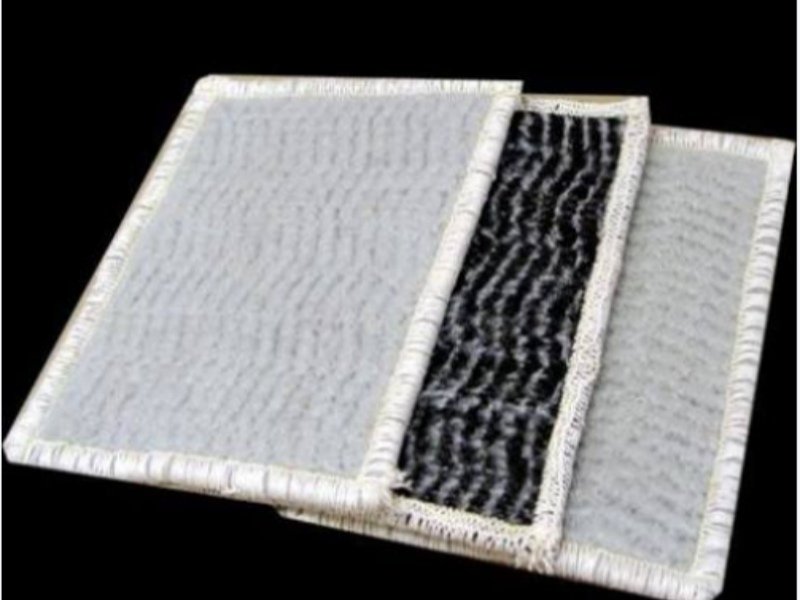
Composite geotextiles combine two or more geosynthetic materials into one integrated product.
Depending on the project requirements, a composite solution may combine geotextile with geomembrane, drainage layers, or other geosynthetic materials.
This type of product is ideal for railway projects with complex engineering conditions where multiple functions are required simultaneously.
For example, a composite geotextile can provide separation, filtration, drainage, and protection within one system.
Using an integrated solution can simplify installation and improve overall construction efficiency.
Key Benefits:
Multiple engineering functions
Improved installation efficiency
Customized product structures available
Suitable for complex ground conditions
Can combine drainage and protection functions
Best for: Railway tunnels, embankments, drainage systems, and high-groundwater areas.
7. UV-Stabilized Geotextile
In some railway construction projects, geotextiles may remain exposed to sunlight for extended periods before being covered by ballast or soil.
UV-stabilized geotextiles are specially designed to provide improved resistance to ultraviolet radiation and environmental aging.
These materials contain UV-resistant additives that help maintain their mechanical properties during exposure.
They are particularly suitable for projects located in hot climates or regions with strong sunlight.
Key Benefits:
Enhanced UV resistance
Improved weathering performance
Longer outdoor exposure capability
Suitable for harsh climates
Helps prevent premature material degradation
Best for: Railway projects in high-UV environments and long-term exposed applications.

How to Choose the Right Geotextile for Railway Projects
Selecting the right railway geotextile depends on several technical and environmental factors.
Before purchasing, buyers should carefully evaluate the following specifications:
1. Tensile Strength
The geotextile must withstand installation stress, ballast pressure, and long-term railway loads. Heavy freight railways generally require higher-strength materials.
2. Permeability and Filtration
Proper drainage is essential for railway stability. The geotextile should allow water to pass through while effectively preventing soil particles from entering the ballast layer.
3. Puncture Resistance
Railway ballast contains sharp stones that can damage low-quality materials. A geotextile with good puncture resistance provides better protection during installation and operation.
4. Material Type
Polypropylene and polyester are the most common materials used in railway geotextiles. The best choice depends on the project’s mechanical, environmental, and chemical requirements.
5. Weight and Thickness
Geotextile weight is often measured in grams per square meter (GSM). Higher GSM products generally provide greater mechanical strength, but the final specification should always be based on engineering requirements rather than weight alone.
6. Custom Specifications
Professional geotextile manufacturers can provide customized options based on:
Width and roll length
Material type
Weight (GSM)
Tensile strength
Thickness
Color
UV resistance
Packaging requirements
Why Work with a Professional Railway Geotextile Manufacturer?
For large infrastructure projects, choosing the right supplier is just as important as selecting the right product.
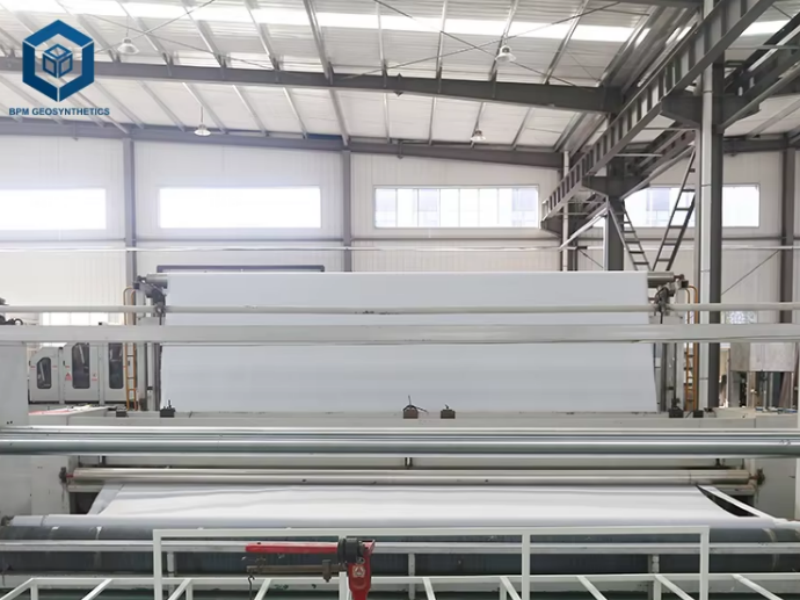
A professional geotextile manufacturer should be able to provide consistent product quality, technical support, flexible customization, and reliable international shipping services.
When sourcing geotextiles from overseas suppliers, buyers should consider the following factors:
Manufacturing experience
Production capacity
Quality control system
Product testing capabilities
International certifications
Customization options
MOQ requirements
Packaging and logistics support
Export experience
Working directly with an experienced manufacturer can also help reduce procurement costs and improve supply chain efficiency.

Applications of Geotextile in Railway Construction
Railway geotextiles are widely used in different parts of railway infrastructure, including:
Railway subgrade stabilization
Ballast and soil separation
Drainage and filtration systems
Railway embankments
High-speed railway foundations
Freight railway projects
Railway tunnels
Access roads and maintenance roads
Slope protection systems
With proper design and installation, geotextiles can significantly improve the performance and durability of railway infrastructure.
Conclusion
The best geotextile for railway applications depends on the specific engineering requirements of the project.
Non-woven geotextiles are ideal for filtration and drainage, while woven geotextiles provide excellent reinforcement and load distribution. PET geotextiles are suitable for long-term and high-performance railway applications, while PP geotextiles offer a cost-effective solution for general construction projects.
For heavy-duty railways and weak soil conditions, high-strength woven geotextiles can provide superior stabilization performance. Composite and UV-stabilized geotextiles offer additional solutions for complex or challenging environments.
Choosing the right railway geotextile can help improve track stability, reduce maintenance costs, enhance drainage efficiency, and extend the service life of the railway system.
Looking for a Reliable Geotextile Supplier for Your Railway Project?
We provide high-quality geotextile solutions for railway construction, infrastructure, road engineering, drainage, and soil stabilization projects.
Our products can be customized according to your technical specifications, including material, weight, tensile strength, width, roll length, and packaging.
Contact us today to discuss your railway geotextile requirements and receive a customized product solution and competitive quotation.