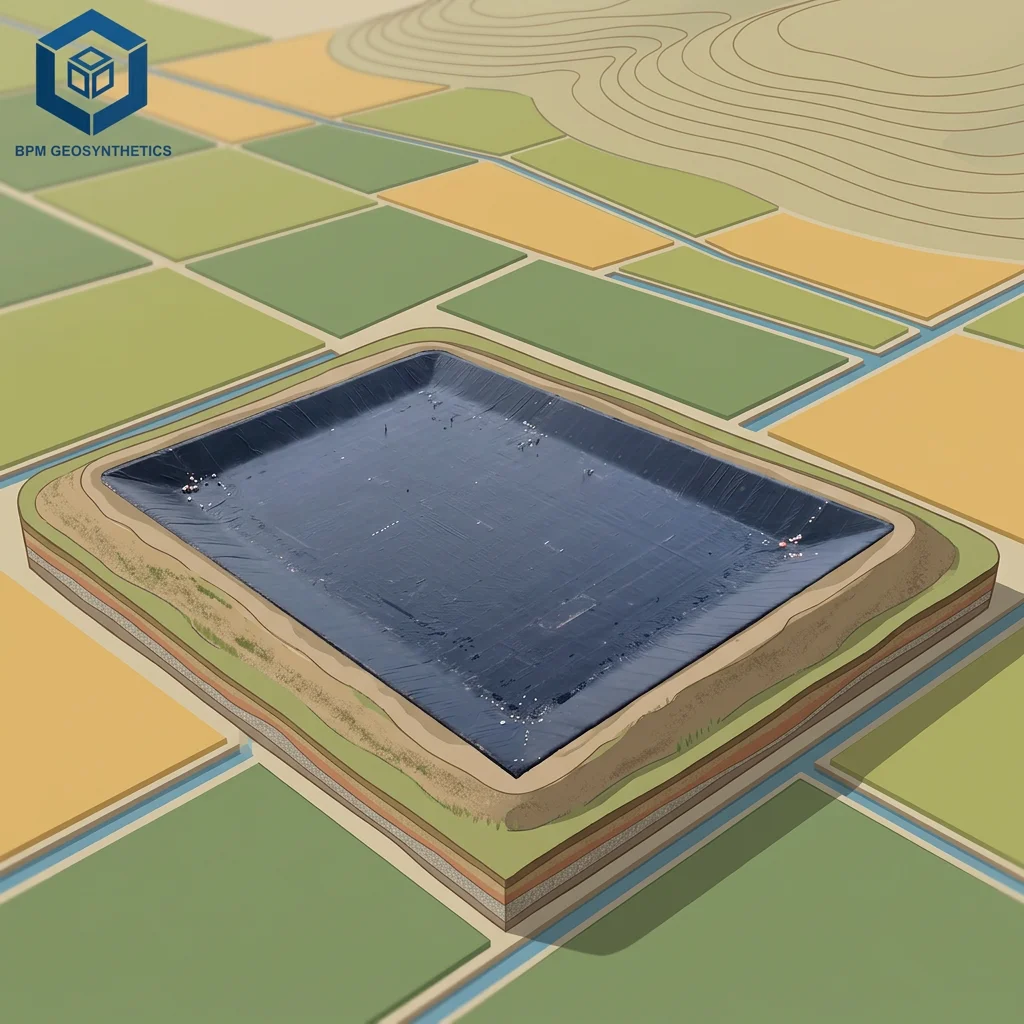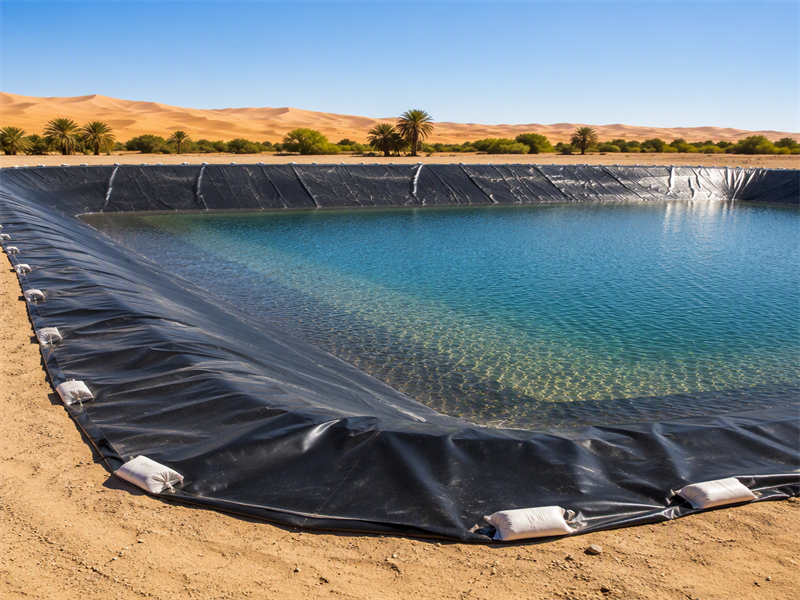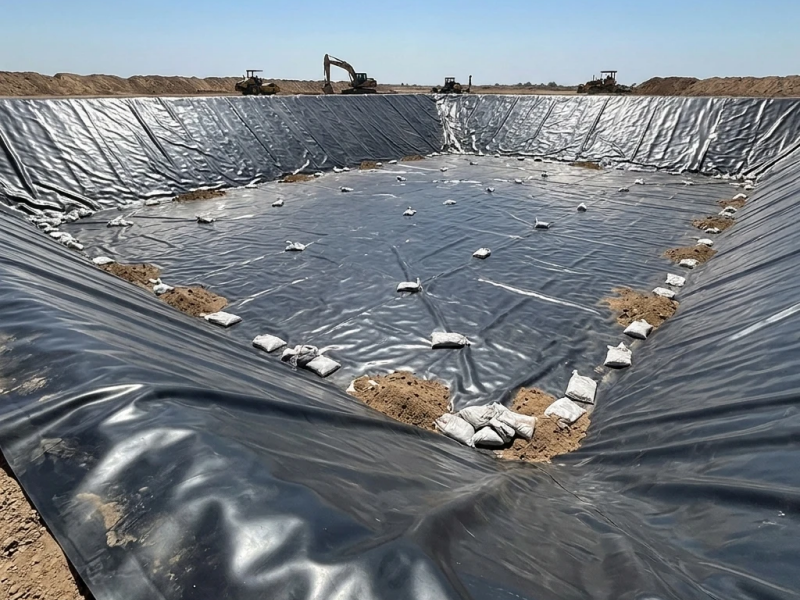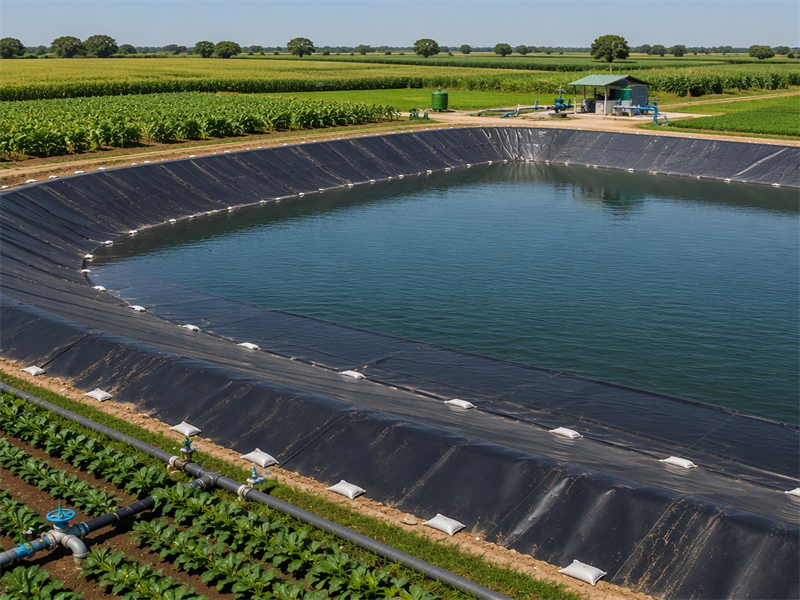
Reinforced polypropylene geomembranes (RPP or RPE) are high-strength, flexible liners combining polypropylene resin with scrim reinforcement for superior tear and puncture resistance. These liners offer excellent chemical resistance, UV stability, and conformability for ponds, canals, secondary containment, and mining applications. With thicknesses of 0.5–1.5 mm, tensile strength of 15–40 kN/m, puncture resistance of 300–700 N, and low permeability, they provide 20–40 year service life while being lighter and more weldable than thicker HDPE alternatives.
The global reinforced polypropylene geomembrane market is a key segment in the USD 2.5+ billion geomembrane industry, growing at 5–7% CAGR due to demand for flexible, cost-effective liners in aquaculture, irrigation, and industrial containment. Reinforced scrim (polyester or fiberglass) increases tear resistance by 50–100% compared to unreinforced PP, making them ideal for dynamic subgrades. Selecting the best reinforced polypropylene geomembranes involves evaluating GRI-GM17 or equivalent standards, mechanical properties, seam strength, and total installed cost.
This 2025 review ranks the 8 best reinforced polypropylene geomembranes based on lab performance, real-world installations, and key metrics. Data is consolidated from manufacturer specifications and testing. Rankings prioritize liners ideal for flexible, high-durability containment.
Understanding Reinforced Polypropylene Geomembranes
Reinforced polypropylene geomembranes are produced by co-extruding PP resin around a scrim reinforcement. Key parameters include:
- Thickness: 0.5–1.5 mm
- Tensile Strength: 15–40 kN/m
- Puncture Resistance: 300–700 N
- Tear Resistance: 150–400 N
- Permeability: ≤10^{-11} cm/s
- Seam Strength: 90–98% of parent material
These properties provide superior flexibility and weldability compared to HDPE, with scrim reinforcement preventing tear propagation.
Factors Affecting Reinforced Polypropylene Geomembrane Performance
Reinforcement Type
Polyester scrim offers high tensile strength; fiberglass provides dimensional stability.
Thickness and Texture
Thicker options for abrasion; textured for slope stability.
Chemical Resistance
Excellent resistance to acids, alkalis, and hydrocarbons for industrial use.
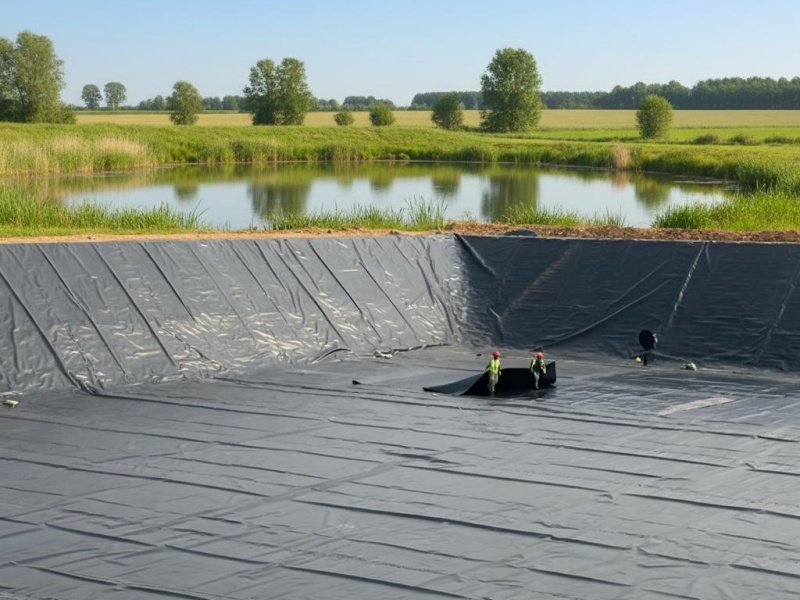
The 8 Best Reinforced Polypropylene Geomembranes Reviewed
1. BPM Geosynthetics Reinforced Polypropylene Geomembrane – Best Overall Reinforced Polypropylene Geomembrane
BPM Geosynthetics offers high-performance reinforced polypropylene geomembranes with excellent flexibility and durability.
Key Specifications:
- Thickness: 0.75–1.5 mm
- Tensile Strength: 20–35 kN/m
- Puncture: 400–650 N
- Tear: 200–350 N
- Permeability: ≤10^{-11} cm/s
Features & Advantages: Scrim reinforcement for tear resistance, UV stabilizers, and customizable widths. Rigorous quality control in a large facility.
Primary Applications: Aquaculture ponds, irrigation canals, secondary containment, and small landfills.
Pros: Balanced performance, customization, and factory-direct value. Cons: Requires professional installation for optimal seams.
Why Ranked #1: Proven durability and versatility make BPM the best reinforced polypropylene geomembrane.
2. Solmax Reinforced PP Geomembrane – Best for Landfill Applications
Solmax produces high-quality reinforced PP liners with outstanding stress crack resistance.
Key Specifications:
- Tensile: 20–35 kN/m
- Puncture: 400–650 N
Features & Advantages: Excellent chemical resistance for leachate containment.
Primary Applications: Landfills and industrial ponds.
Pros: Global leader with proven track record. Cons: Premium pricing.
3. AGRU America Reinforced PP Liner – Best for Flexible Applications
AGRU offers flexible reinforced PP liners for irregular subgrades.
Key Specifications:
- Tensile: 20 kN/m
- Puncture: 400 N
Features & Advantages: Superior flexibility for ponds and canals.
Primary Applications: Irrigation and aquaculture.
Pros: Excellent conformability. Cons: Less specialized for extreme abrasion.
4. Layfield Reinforced PP Liner – Best for Aquaculture
Layfield provides fish-safe reinforced PP liners.
Key Specifications:
- Tensile: 20 kN/m
- Puncture: 400 N
Features & Advantages: UV stable and non-toxic for water use.
Primary Applications: Fish ponds and reservoirs.
Pros: Reliable for exposed use. Cons: Moderate abrasion resistance.
5. NAUE Reinforced PP Geomembrane – Best for Reinforced Slopes
NAUE offers reinforced PP liners for slope stability.
Key Specifications:
- Tensile: 20–30 kN/m
- Puncture: 400 N
Features & Advantages: Enhanced friction for slopes.
Primary Applications: Landfill slopes and small mining.
Pros: Improved stability. Cons: Higher cost for reinforcement.
6. Titan Environmental Reinforced PP Liner – Best for Budget Containment
Titan provides reliable reinforced PP liners for standard projects.
Key Specifications:
- Tensile: 20 kN/m
- Puncture: 400 N
Features & Advantages: Cost-effective performance.
Primary Applications: Small ponds and secondary containment.
Pros: Affordable. Cons: Standard features.
7. EarthShield Reinforced PP Liner – Best for Environmental Projects
EarthShield delivers eco-friendly reinforced PP liners.
Key Specifications:
- Tensile: 20 kN/m
- Puncture: 400 N
Features & Advantages: Sustainable manufacturing and fish-safe.
Primary Applications: Environmental remediation and ponds.
Pros: Green credentials. Cons: Niche availability.
8. Additional Premium Option – Versatile Reinforced PP from Leading Suppliers
Leading suppliers offer reinforced PP with custom scrim for specialized needs.
Key Specifications:
- Tensile: 20–40 kN/m
- Puncture: 400–700 N
Features & Advantages: High customization.
Primary Applications: Industrial and mining.
Pros: Tailored solutions. Cons: Lead time for custom orders.
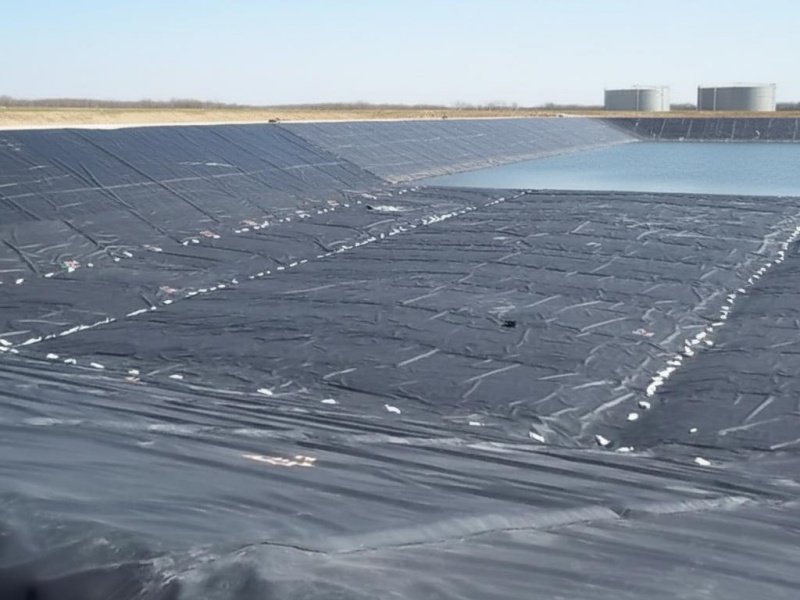
Comparison Table of the 8 Best Reinforced Polypropylene Geomembranes
Rank | Manufacturer / Model | Tensile Strength (kN/m) | Puncture (N) | Tear (N) | Permeability (cm/s) | UV Retention (%) | Approx. Price ($/m²) | Key Strength |
1 | BPM Geosynthetics | 20–35 | 400–650 | 200–350 | ≤10^{-11} | ≥50 | 1.50–3.50 | Overall Versatility & Value |
2 | Solmax | 20–35 | 400–650 | 200–350 | ≤10^{-11} | ≥50 | 1.80–4.00 | Landfill Containment |
3 | AGRU America | 20 | 400 | 200 | ≤10^{-11} | High | 1.60–3.60 | Flexibility |
4 | Layfield | 20 | 400 | 200 | ≤10^{-11} | High | 1.70–3.70 | Aquaculture Safety |
5 | NAUE | 20–30 | 400 | 200–300 | ≤10^{-11} | High | 1.90–4.10 | Slope Reinforcement |
6 | Titan Environmental | 20 | 400 | 200 | ≤10^{-11} | ≥50 | 1.40–3.20 | Budget Containment |
7 | EarthShield | 20 | 400 | 200 | ≤10^{-11} | ≥50 | 1.50–3.40 | Environmental Projects |
8 | Premium Custom Options | 20–40 | 400–700 | 200–400 | ≤10^{-11} | High | 2.00–4.50 | Specialized Industrial Use |
BPM Geosynthetics Advantages
The Best Project Material Co., Ltd (BPM Geosynthetics) is the leading manufacturer of reinforced polypropylene geomembranes, offering superior quality and value.
Core Parameters & Technical Superiority:
- Thickness: 0.75–1.5 mm
- Tensile Strength: 20–35 kN/m
- Puncture Resistance: 400–650 N
- Tear Resistance: 200–350 N
- Permeability: ≤10^{-11} cm/s
- Roll Size: Custom widths and lengths
Revenue & Market Position:
- Strong global OEM presence serving projects in 100+ countries with competitive factory pricing.
Major Clients:
- Aquaculture farms, irrigation projects, landfill operators, and environmental remediation firms worldwide.
Certifications:
- ISO9001, ISO14001, OHSAS18001, SGS, Intertek, TUV, Soncap, SASO, BV.
Key Advantages:
- Scrim reinforcement for enhanced tear resistance.
- Smooth and textured options for versatile applications.
- Prefabricated panels reduce installation time by 50–70%.
- Comprehensive technical support and factory-direct pricing.
BPM Geosynthetics’ reinforced polypropylene geomembranes provide the optimal combination of performance, durability, and value for containment projects.
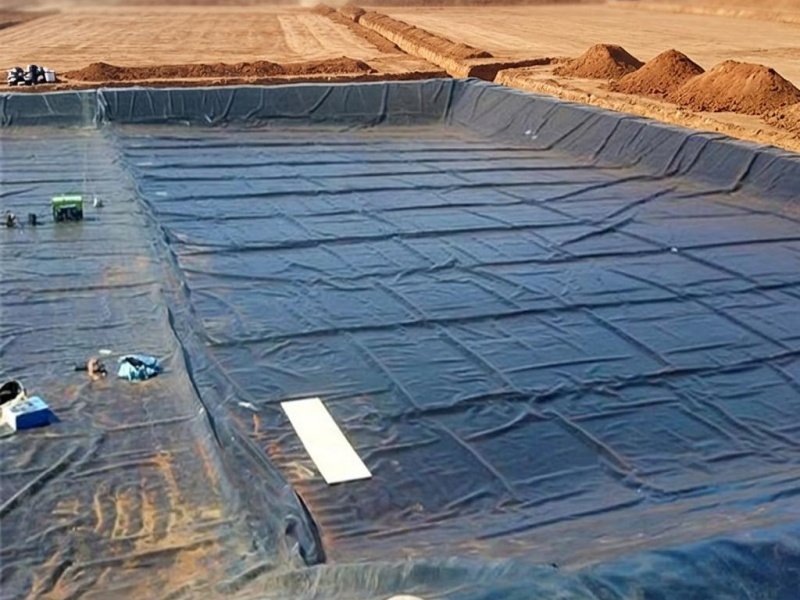
Applications of Reinforced Polypropylene Geomembranes
Aquaculture and Ponds
Fish-safe liners for water quality maintenance.
Irrigation and Canals
Prevent seepage in water conveyance systems.
Secondary Containment
Under tanks for chemical storage.
Small Landfills and Remediation
Base liners for waste containment.
Installation Best Practices
Subgrade preparation, deployment, welding, and CQA testing ensure integrity. Professional installers minimize risks.
Future Trends
Increased recycled content, thinner high-strength variants, and smart monitoring will enhance sustainability.
Conclusion
The 8 best reinforced polypropylene geomembranes reviewed here — led by BPM Geosynthetics — represent the pinnacle of flexible geomembrane technology. These liners deliver measurable improvements in containment performance and project value.
For reliable reinforced polypropylene geomembrane solutions, BPM Geosynthetics offers superior quality and value. Contact BPM Geosynthetics today to optimize your containment projects.