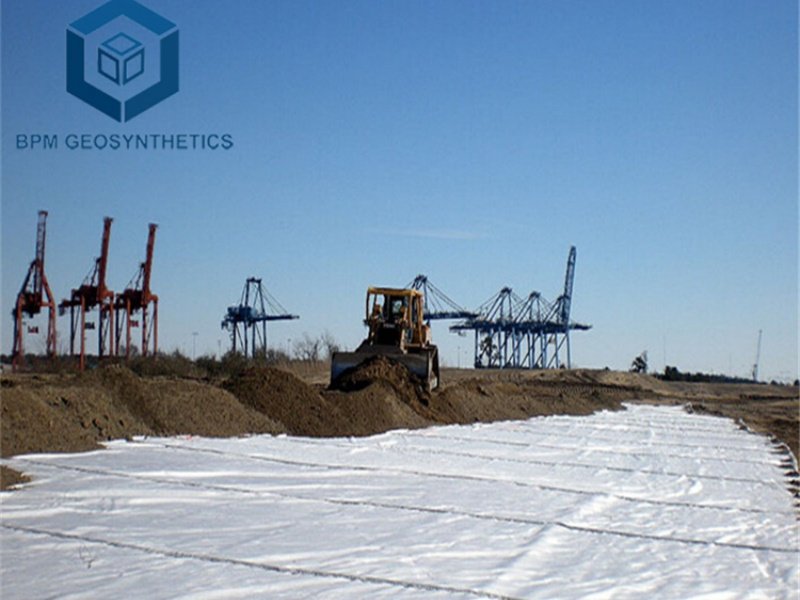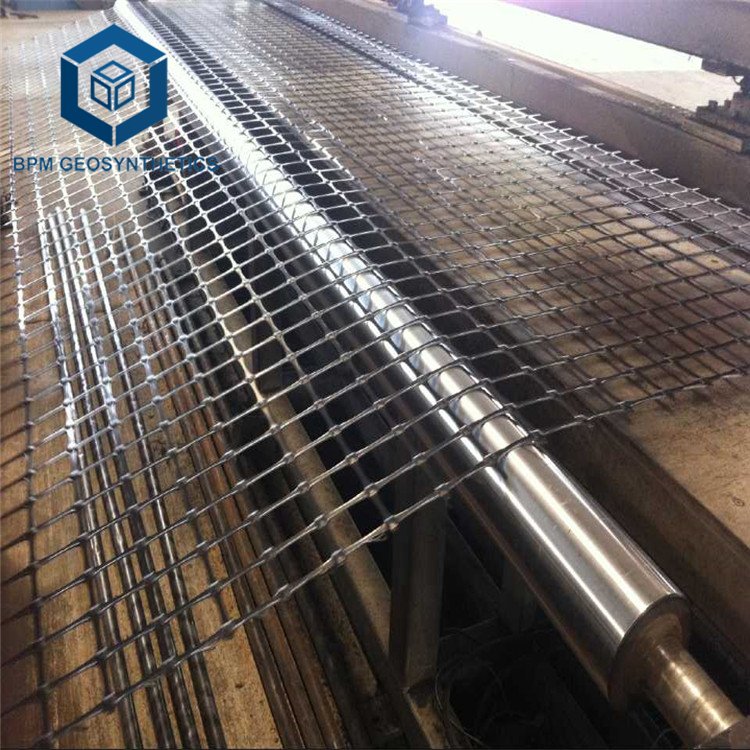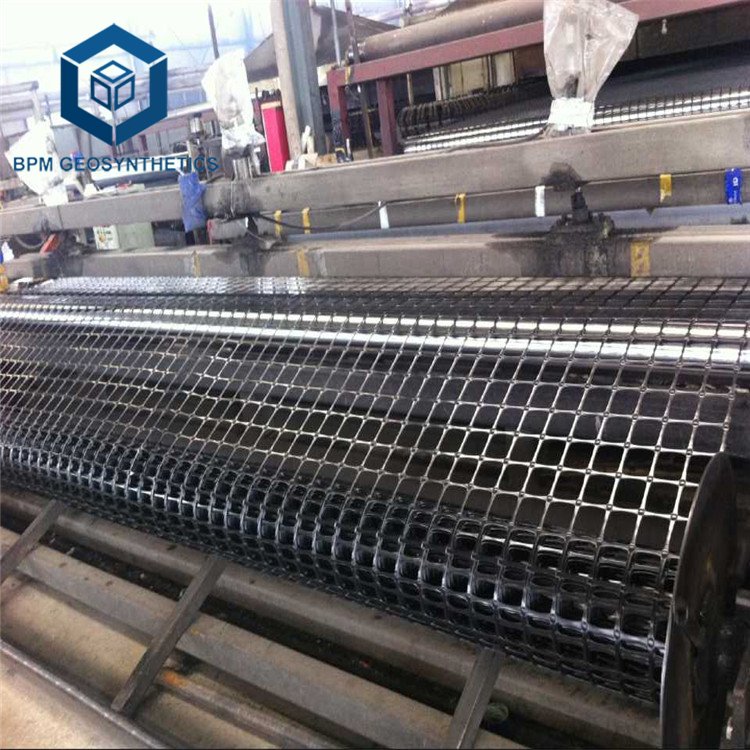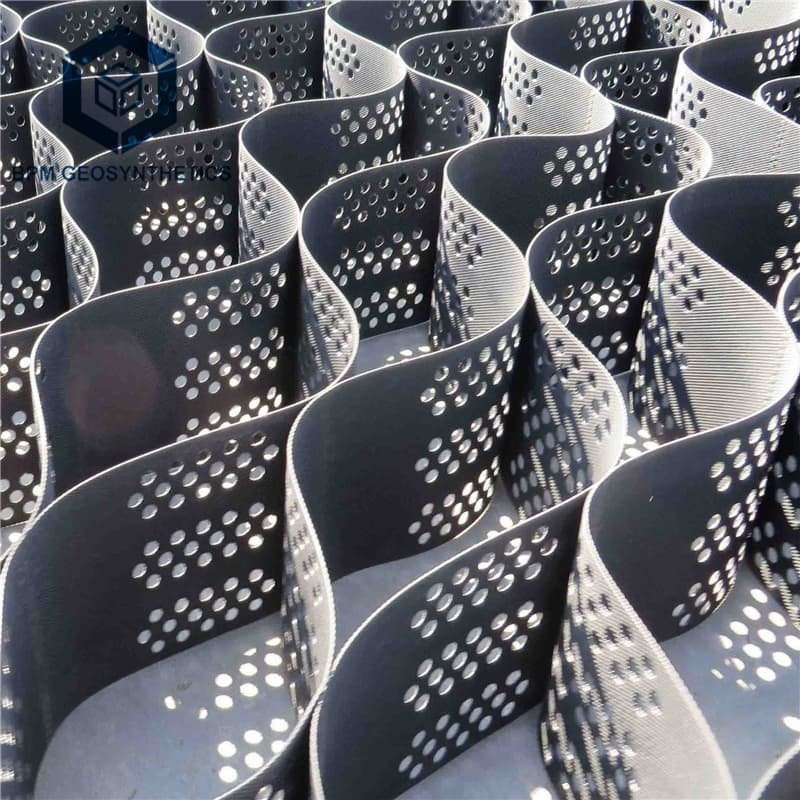
Geotextiles are permeable geosynthetic fabrics essential for soil stabilization, filtration, drainage, separation, and reinforcement in civil engineering, environmental protection, and landscaping applications. As global infrastructure investments are forecasted to hit USD 9.5 trillion by 2030, the demand for these durable materials is accelerating, fueled by urbanization and sustainability imperatives. According to Mordor Intelligence, the geotextile market, valued at USD 4.70 billion in 2025, is poised for a robust 10.34% CAGR, reaching USD 7.69 billion by 2030, with road construction comprising 53% of demand, erosion control 25%, and drainage systems 20%.
For engineers, contractors, project managers, and procurement professionals, grasping geotextile pricing is vital for precise budgeting and long-term viability. In 2025, prices per square meter typically span $0.20 to $5.00 (excluding installation and accessories), varying by type, material, weight, and volume. Non-woven geotextiles, favored for filtration and drainage, average $0.20–$2.50 per square meter, while woven variants for high-load reinforcement range from $0.50–$3.00 per square meter. Bulk purchases exceeding 10,000 square meters can yield 10–30% discounts, and adherence to standards like ASTM D4595 and AASHTO M288 from certified suppliers mitigates failure risks, potentially slashing lifecycle costs by 15–25%.
This in-depth guide analyzes geotextile pricing per square meter, leveraging 2025 data from BPM Geosynthetics, EarthShields, and Made-in-China.com. We cover fundamentals, types, influencing factors, market ranges, selection criteria, calculation techniques, installation protocols, trends, and supplier evaluations to deliver practical, data-backed strategies. Through lifecycle assessments, readers can achieve 20–40% enhanced project efficiency and up to 95% compliance, reducing maintenance by 15–30%. Ideal for highway reinforcements, landfill barriers, or erosion-prone sites, this resource empowers informed choices for resilient outcomes.
1. What Are Geotextiles?
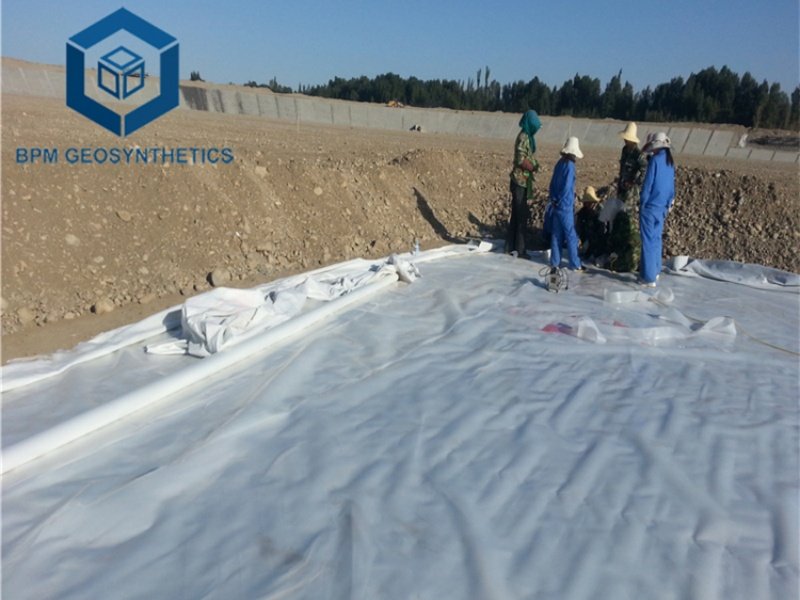
Geotextiles are engineered, permeable fabrics designed to interface with soil or rock in geotechnical and environmental applications. Primarily composed of polypropylene (PP), polyester (PET), or polyethylene (PE), these textiles facilitate water flow while confining particles, outperforming traditional granular filters in efficiency and longevity.
Core Functions and Advantages
Nonwoven Geotextile execute five key roles, validated by ASTM D4491 (hydraulics) and ASTM D4632 (tensile properties):
- Separation: Isolates disparate soil layers, e.g., subgrade from base aggregates in roads, boosting pavement longevity by 25–35% via reduced pumping.
- Filtration: Allows water passage (permeability 10⁻¹ to 10⁻⁴ cm/s) while retaining 90–98% of fines, critical for 70% of drainage setups like French drains.
- Drainage: Directs water laterally/vertically, alleviating pore pressure by 40–60% in embankments and retaining structures.
- Reinforcement: Boosts soil tensile capacity by 30–50%, enabling 1:1 slopes and cutting aggregate use by 20% in pavements.
- Protection: Shields geomembranes in landfills from punctures, with 300–800 N resistance (ASTM D4833), prolonging service by 20–30%.
Advantages include 10–20% cost reductions over conventional methods (ASTM D4439), 50–70% erosion mitigation in waterways, and 20–50-year buried lifespans (UV variants: 5–15 years exposed). They align with EU Water Framework Directive mandates, conserving resources and minimizing excavation by 15–25%.
Evolution and Market Dynamics
Evolving from 1960s granular substitutes to sensor-integrated composites, geotextiles now incorporate biodegradable options like coir (3–5 years). Asia-Pacific commands 39.5% market share in 2025, propelled by China’s infrastructure boom, while North America’s BABA rules favor domestic, eco-compliant variants. Smart geotextiles with IoT sensors add 20–40% to costs but trim monitoring by 10–20%.
Geotextiles transcend fabrics, delivering quantifiable gains: 40% load capacity uplift and 95% filtration efficacy.
2. How Much Does a Geotextile Cost Per Square Meter?
Geotextile pricing per square meter in 2025 averages $0.20–$5.00, shaped by composition, specs, and scale. Non-woven types (55% market) cost $0.20–$2.50 per square meter for hydraulic roles; woven (40% share) $0.50–$3.00 for structural demands. Specialty like tubes: $5.40–$54.00.
2.1 Geotextile Cost Per Square Meter – Material Type
2.1.1 Polypropylene (PP)
PP, 60% market dominant, offers 95% chemical inertness (pH 2–13) and affordability. Non-woven PP (100–800 g/m²): $0.20–$2.00 per square meter; woven: $0.50–$2.50. Tensile: 5–50 kN/m; lifespan: 50+ years buried. Applications: Drainage (65% usage), roads. Example: BPM PP non-woven ($0.30/m²) for French drains, retaining 98% fines.
2.1.2 Polyester (PET)
PET provides 20% superior UV resistance but hydrolyzes in alkalis. Costs: $0.75–$2.50 per square meter; tensile: 20–150 kN/m. Ideal for exposed slopes. Example: High-tenacity PET woven ($1.50/m²) in retaining walls, enhancing stability 30%.
2.1.3 Polyethylene (PE) and Natural Fibers
PE suits low-cost filtration ($0.15–$1.50/m²); coir/jute biodegradables ($0.10–$1.00/m², 3–5 years) for eco-projects, saving removal by $1,000/acre.
Material | Tensile (kN/m) | Cost ($/m²) | Key Use |
PP Non-Woven | 5–50 | 0.20–2.00 | Drainage |
PET Woven | 20–150 | 0.75–2.50 | Reinforcement |
Coir | 10–30 | 0.10–1.00 | Erosion Control |
2.2 Geotextile Cost Per Square Meter – Weight and Thickness
GSM (100–800 g/m²) drives 20–40% of costs: 100–200 g/m² ($0.20–$0.50/m²) for light filtration; 400–800 g/m² ($1.00–$5.00/m²) for heavy protection. Thickness (0.5–3 mm) adds 10–15% for puncture resistance (200–800 N). Example: 300 g/m² woven ($1.20/m²) vs. 100 g/m² ($0.40/m²) yields 25% better ROI in roads.
2.3 Geotextile Cost Per Square Meter – Project Size and Scale
Scale economies: <1,000 m² incurs 15–20% premiums ($0.50–$6.00/m²); >10,000 m² drops to $0.15–$3.50/m² (10–30% off). Logistics for 50,000 m²: $0.05–$0.20/m² shipping.
2.4 Geotextile Cost Per Square Meter – Installation Method and Labor
Installation: 30–50% of budget ($0.50–$2.00/m²). Overlaps (300–600 mm): $0.10–$0.30/m²; sewing/stapling: $0.20–$0.50/m². Labor: $10–$50/hour regionally. Slopes add 20%.
2.5 Geotextile Cost Per Square Meter – Raw Material Quality
Virgin resin (PP $1.20–$1.50/kg) vs. recycled (10–20% cheaper, 5–10% strength loss). Additives (UV/flame): +5–15% ($0.05–$0.30/m²).
2.6 Geotextile Cost Per Square Meter – Transportation and Logistics
Shipping: $0.05–$0.20/m²; Asia lowest ($0.10/m²), Europe highest ($0.50/m²). Tariffs add 5–10%.
2.7 Geotextile Cost Per Square Meter – Maintenance and Lifetime Costs
Lifespan (20–100 years) amortizes: $0.01–$0.10/m²/year. Failures cost 20–50% extra; certified cuts by 15%.
Factor | Cost Impact ($/m²) | Mitigation |
Weight (100 vs. 500 g/m²) | +50–100% | Site-test soil |
Scale (>10k m²) | -10–30% | Bulk buy |
Installation | +30–50% | Train crews |
3. How to Choose the Right Geotextile
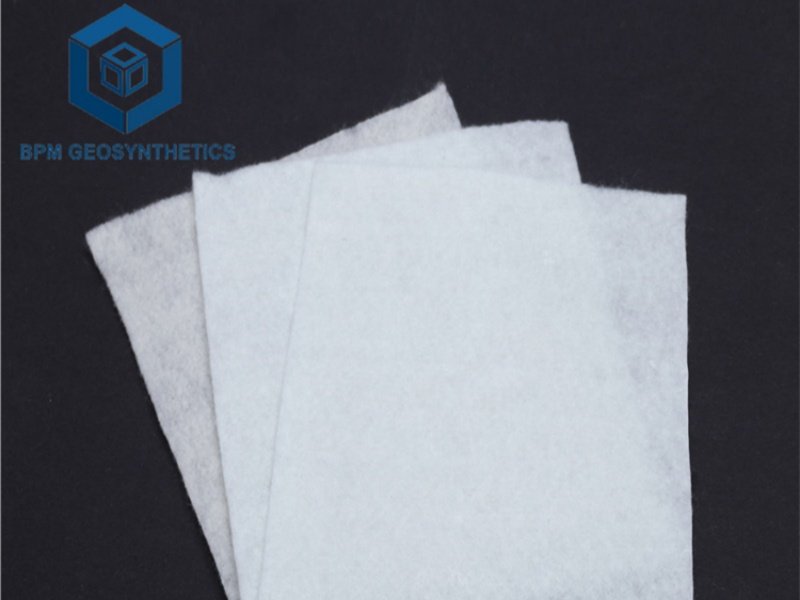
Selecting geotextiles demands site-specific analysis for optimal performance and value.
3.1 Assess Project Requirements
Evaluate soil (CBR >20: high GSM), hydrology (>100 L/m²/s: non-woven), and loads (AASHTO M288 Class 1: 50 kN/m tensile).
3.2 Prioritize Quality
Opt for ISO/ASTM-certified (10–15% premium) for 20% lifecycle savings. Virgin PP for longevity.
3.3 Evaluate Installation Needs
Match to method: Flexible non-woven for uneven sites; rigid woven for seams.
3.4 Consider Long-Term Costs
Factor 15–25% savings from biodegradables in temporary apps.
3.5 Compare Suppliers
Benchmark BPM ($0.20–$3.00/m²) vs. TenCate ($0.50–$2.50/m²) for 10–15% leverage.
Case: 2024 highway with BPM woven saved $100,000 via 20% thinner base.
4. Industry Trends Affecting Geotextile Costs in 2025
- Sustainability Surge: Biodegradables (coir) up 10–15%, saving $1,000/acre removal; recycled PP 15–25% cheaper.
- Smart Tech: Sensor-embedded +20–50% ($2.00–$10.00/m²), reducing monitoring 15%.
- Material Volatility: PP up 5–7% from energy; hedge contracts.
- Regional Shifts: Asia exports -5% tariffs; U.S./EU +3–7% via BABA.
Composites grow 20%; PFAS-free variants +10% premium for eco-compliance.
5. Conclusion
Geotextile prices per square meter in 2025, from $0.20–$5.00, hinge on type, weight, and scale, yet informed choices unlock 10–30% savings and 95% efficacy. Non-woven ($0.20–$2.50/m²) excels in drainage (70% apps), woven ($0.50–$3.00/m²) in reinforcement (50% roads), per ASTM. Total costs (material +30–50% install) demand strategic alignment for 30–50% soil gains and 60% erosion cuts.
For quotes and expertise, contact The Best Project Material Co., Ltd (BPM Geosynthetics). Our ISO-certified range optimizes budgets with 98% reliability. Email: sales@bpmgeosynthetics.com Website: www.bpmgeosynthetics.com.