Introduction
Engineers face a big challenge today. They must contain water and waste effectively. They also need solutions that are cost-effective and reliable. Geosynthetic Clay Liners (GCL) provide a powerful answer. These manufactured liners combine clay with geotextile. They create a strong barrier for many projects. Their use has grown rapidly worldwide. This article explores the many applications of GCL. We will see how they protect our environment. We will also examine their role in construction and industry. Understanding these uses helps us choose the right materials.
1. Introduction to Geosynthetic Clay Liners (GCL)
1.1 What Is a Geosynthetic Clay Liner?
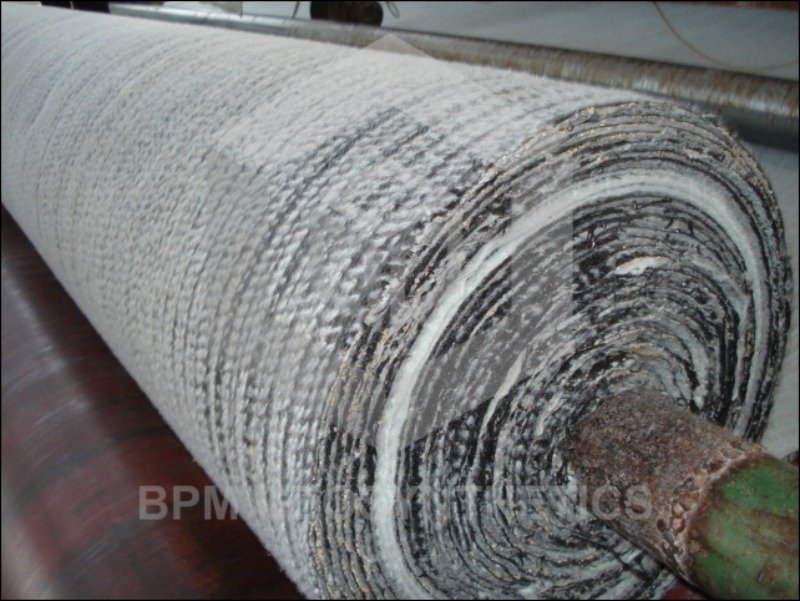
A Geosynthetic Clay Liner is a factory-made hydraulic barrier. It consists of bentonite clay sandwiched between two geotextiles: nonwoven needle punched geotextile and woven geotextile. Alternatively, it can be bonded to a geomembrane. Manufacturers stitch or needle-punch the layers together. This process keeps the clay evenly distributed. The result is a thin, flexible sheet. It rolls up for easy transport. This product replaces thick layers of compacted clay.
1.2 Key Components: Geotextile and Sodium Bentonite
Two main components make up a GCL. The first component is the geotextile. These fabrics provide strength and protect the inner clay layer. It also allows for easy handling during installation. The second and most critical component is sodium bentonite. This is a natural clay. It has a unique property: it swells greatly when wet, up to 15 times its dry volume. This swelling action is the key to its success.
1.3 How GCL Work: The Self-Sealing Mechanism
When water contacts the bentonite, the clay hydrates. The clay particles expand. This expansion fills all the gaps in the geotextile. It also seals any punctures that may occur. If a small tear happens, the bentonite swells into the hole. It effectively heals itself. This creates a very low-permeability barrier. It stops water and other liquids from passing through.
2. Primary Applications in Environmental Protection
2.1 Landfill Liners and Capping Systems
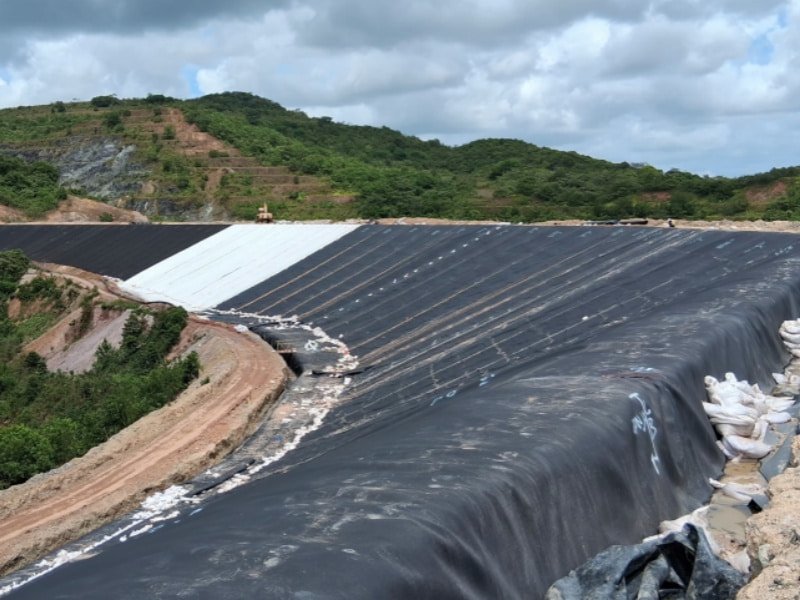
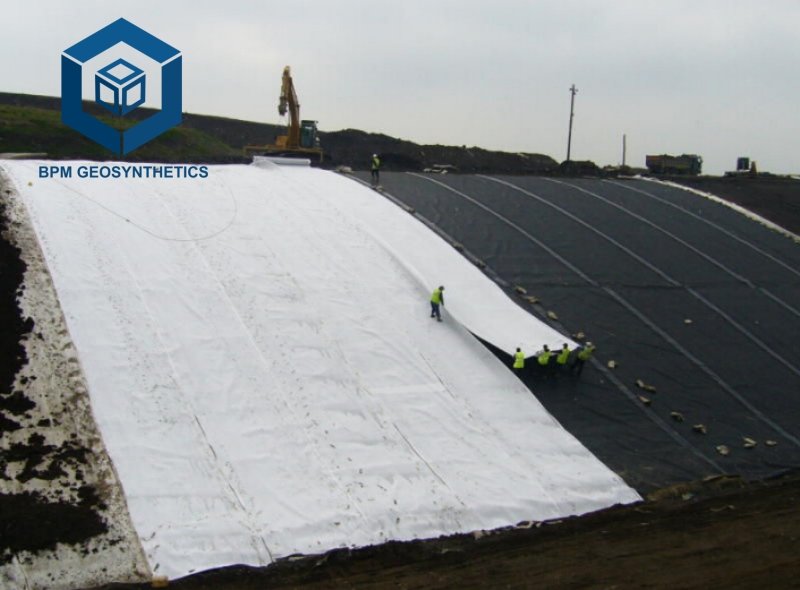
Landfills need secure containment. GCL serve perfectly as bottom liners. They sit beneath the waste. They prevent contaminated liquid, called leachate, from escaping. Installers place them under geomembrane for double protection. GCL also work in landfill caps. These caps go on top of closed landfills. They stop rain from entering the waste. This reduces leachate production significantly.
2.2 Containment of Contaminated Soil and Waste Piles
Many industrial sites have contaminated soil. Engineers use GCL to contain this material. They cover the soil with the liner. This isolates the pollution from the environment. It prevents rain from washing contaminants into groundwater. Waste piles at industrial sites also need covers. GCL provides an effective and quick cover solution. They seal the pile and reduce odors.
2.3 Secondary Containment for Industrial Sites
Storage tanks can leak. Pipes can break. These accidents cause spills. GCL provides reliable secondary containment. They line the area around tanks. If a leak occurs, the liner catches the liquid. This prevents soil and water pollution. It gives facility operators time to respond. This application is vital for chemical plants and oil refineries.
3. Applications in Water Resources and Infrastructure
3.1 Canal and Reservoir Lining for Water Conservation
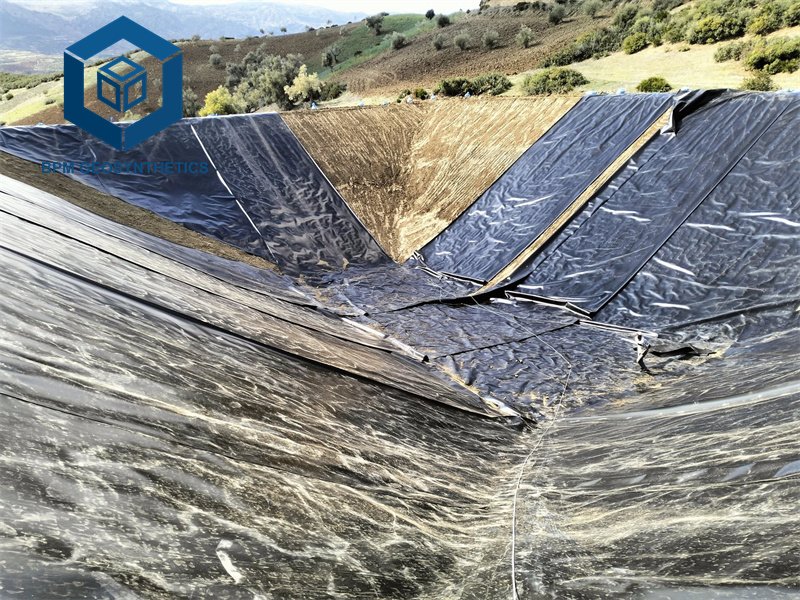
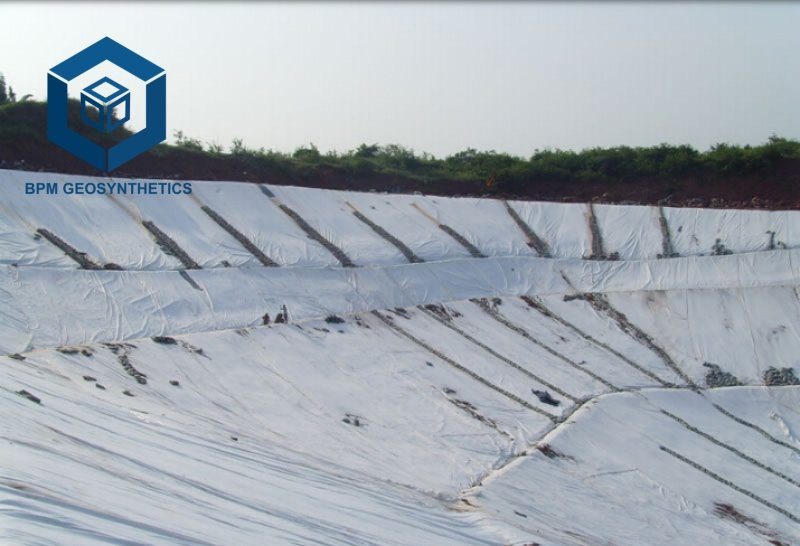
Water is a precious resource. Many countries lose water resources due to leakage. Unlined channels lose significant amounts of water. GCL (Geosynthetic Clay Liner) offers an excellent solution. It is laid on the bottom and sidewalls of channels to prevent water from seeping into the ground, thus saving water for cities and agriculture. Reservoirs can also benefit from GCL liners, ensuring the continuous availability of water storage.
3.2 Pond Liners for Agricultural and Industrial Use
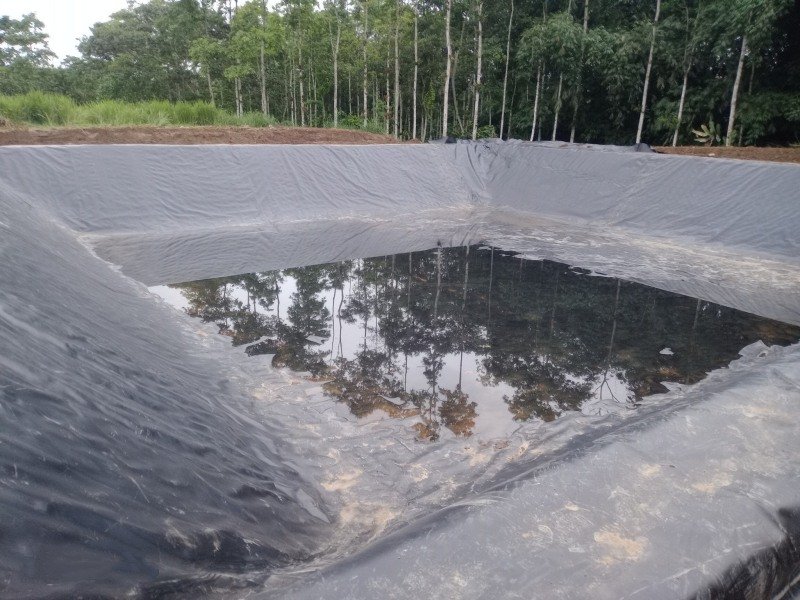
Farmers need ponds for irrigation. Industries need ponds for processing water. GCL creates reliable pond liners. They hold water consistently. The liner’s flexibility allows it to conform to the pond shape. It resists damage from weather. It also withstands the movement of water animals. Installation is fast, so ponds become usable quickly.
3.3 Irrigation Ditch Sealing
Irrigation ditches distribute water to fields. Old ditches often leak badly. This wastes water and energy. GCL offer a simple way to seal ditches. Workers unroll the liner directly into the ditch. They overlap the edges. The bentonite swells and seals the seams. Water then flows to the crops without loss. Farmers see immediate improvements in water efficiency.
4. Applications in Mining and Energy Sectors
4.1 Heap Leach Pad Liners in Mining Operations
Mining uses chemicals to extract metals. The process often uses heap leaching. Companies pile ore on a large pad. They sprinkle a chemical solution on the pile. This solution dissolves the target metals. The pad must contain this solution completely. GCL forms the base of these leach pads. They prevent the chemical solution from escaping into the soil.
4.2 Tailings Pond Containment
Mining creates waste called tailing. These tailings are often wet and toxic. They are stored in large ponds. These ponds require robust liners. GCL provides a secure barrier for tailing ponds. They prevent heavy metals from migrating. They also handle the harsh chemistry of the waste. The self-sealing property adds extra safety.
4.3 Lining for Evaporation Ponds
Some industries use evaporation ponds. They pump salty water into these ponds. The sun evaporates the water. This leaves behind solid salt or minerals. These ponds must hold the brine without leaking. GCL works well in this environment. They resist the high salt concentrations. They maintain their low permeability over time.
5. Civil Engineering and Transportation Uses
5.1 Beneath Highways and Railways as a Moisture Barrier
Water damages roads and railways. It softens the subgrade soil. This leads to cracks and potholes. GCL acts as moisture barrier under roads. They stop water from rising into the road base. This keeps the structure strong and stable. Railways use them too. They protect the ballast and subgrade from water damage.
5.2 Tunnel and Underground Structure Waterproofing
Tunnels often encounter groundwater. Water seepage is a major problem. GCL provides effective waterproofing. Installers place them behind tunnel linings. They also use them under underground slabs. The clay swells upon contact with water. This creates a permanent seal. It keeps basements and subways dry and safe.
5.3 Vertical Cutoff Walls and Retaining Structures
Sometimes, engineers need vertical barriers; they build cutoff walls to stop the flow of groundwater. GCL (geosynthetic clay liner) can be used as part of these walls. Manufacturers produce GCL sheets for vertical installation. They place these sheets in trenches. As the clay expands, it seals the wall, preventing sewage from flowing laterally. GCL also contributes to the construction of dams.
6. Advantages of Using GCL Over Traditional Liners
6.1 Ease of Installation and Speed of Deployment
Traditional clay liners require heavy compaction. They need many layers and much time. GCL installs very quickly. Workers simply unroll them. This saves weeks of construction time. It also reduces labor costs. Projects finish faster and face less weather risk.
6.2 Self-Healing Properties of Bentonite Clay
Compacted clay can crack if it dries. These cracks create leaks. Geomembrane can get punctured. GCL have a unique advantage. If the liner gets a small tear, the bentonite heals it. The clay swells into the opening. It seals the leak automatically. This self-healing property provides long-term security.
6.3 Cost-Effectiveness and Space Efficiency
Thick clay layers take up space. A compacted clay liner might be two feet thick. A GCL is only about half an inch thick. This saves valuable airspace in landfills. It also reduces the need to import clay soil. Material and transport costs drop significantly. This makes GCL a very cost-effective choice.
6.4 Environmental Resistance and Durability
GCL resists many environmental stresses. They withstand freeze-thaw cycles well. They handle wet-dry cycles effectively. The geotextile protects the clay from erosion. They also resist attack from many chemicals. This durability ensures the liner performs for decades.
7. Factors to Consider When Choosing a GCL
7.1 Hydraulic Conductivity and Permeability Requirements
Not all GCL is the same. Engineers must check the hydraulic conductivity. This measures how easily water passes through. Different projects need different standards. A landfill needs extremely low permeability. A canal liner might have slightly higher allowances. Always match the product to the project needs.
7.2 Shear Strength and Slope Stability
Steep slopes create stress on liners. The GCL must have enough internal shear strength. This prevents the layers from sliding apart. Needle-punched GCL offers high strength. They are best for steep landfill slopes. Engineers must calculate the forces carefully.
7.3 Compatibility with Leachate or Chemical Exposure
The liquid inside must be considered. GCL works great with water. Some chemicals affect bentonite swelling. Strong acids or high salts can reduce performance. Testing is essential for unusual liquids. Ensure the clay is compatible with the site’s leachate.
7.4 Installation Conditions and Subgrade Preparation
A good liner needs a good base. The subgrade must be smooth and firm. Sharp rocks can damage the GCL. Installers must remove debris. They must also plan for overlaps. Proper scanning with bentonite or glue ensures a tight seal. Good installation practices guarantee success.
8. Conclusion
8.1 Summary of Key Applications
BPM Geosynthetic Clay Liners serve many critical roles. They protect the environment in landfills and industrial sites, conserve water in canals and ponds, support mining operations with secure pads, and they also strengthen civil engineering projects. Their versatility makes them a top choice for engineers worldwide.
8.2 The Growing Role of GCLs in Modern Engineering
The future for GCL looks bright. Environmental rules are becoming stricter. Water conservation is more urgent than ever. Engineers need smart, reliable solutions. GCL fits this need perfectly. They combine performance with ease of use. As technology improves, GCL will become even more effective. They are essential tools for building a sustainable world.