1.Introduction
A gravel driveway brings affordable, flexible paving solutions for residential yards, farm access roads and light‑use commercial lots. Yet many gravel driveways fail early. Soft soil, heavy vehicle loads and rainwater push subsoil mud upward and mix it with gravel. You see ruts, potholes and sinking surfaces within just a few seasons. Good geotextile fabric solves these common headaches. It sits between native subgrade and gravel layer, delivers separation, filtration and stabilization, and greatly extends your driveway service life. This guide walks you through geotextile basics, fabric types, core selection criteria, installation tips and common mistakes to avoid.
2.What Geotextile Fabric Does for Gravel Driveways
Geotextile is permeable synthetic textile made from polypropylene or polyester fibers. It carries four core functions for gravel‑based pavement systems.
First, separation. It keeps gravel aggregate and native subsoil apart. Without this layer, sharp gravel sinks into soft clay or silt soil, and fine soil particles rise into gravel voids. The mixing creates weak muddy base and ruins structural support quickly.
Second, filtration. Water flows freely through the fabric, but it blocks fine soil particles. Rain drains away fast, prevents waterlogging and cuts subgrade softening risk.
Third, stabilization and load distribution. The fabric spreads vehicle pressure across a wider ground area. It reduces local stress on weak soil and lowers rutting and sinking risk.
Fourth, puncture protection. Quality geotextile resists cuts from crushed‑stone sharp edges during compaction and daily traffic.
When you install proper geotextile, you use less gravel material and spend far less money on repeated repair and re‑grading work.
3.Two Main Geotextile Types for Gravel Driveways
You pick between woven and non‑woven geotextile for driveway projects. Each owns distinct strengths and fits different site conditions.
3.1Woven Geotextile
Manufacturers weave polypropylene yarns into tight grid‑style sheets. This fabric delivers high tensile strength and low stretch rate. It works best for heavy‑load scenarios, including residential driveways with pickup trucks, farm vehicles and light commercial traffic.
Woven geotextile excels at separation and stabilization. Its shortcoming lies in water permeability. It drains slower than non‑woven alternatives. Choose woven fabric if your main concern is heavy‑vehicle load‑bearing performance.
3.2Non‑Woven Geotextile
Non‑woven geotextile forms when manufacturers needle‑punch random fiber layers together to create felt‑like flexible mats. Its open fiber structure delivers outstanding water permeability and filtration performance. Water flows through rapidly, so it works perfectly for wet sites, clay‑rich subgrade, and locations with heavy seasonal rainfall.
Its raw tensile strength is lower than woven geotextile of the same weight. Still, heavy‑duty non‑woven grades handle regular residential passenger‑car traffic reliably. Choose non‑woven geotextile if poor drainage and fine‑particle soil migration are your biggest worries.
Quick comparison note: Never confuse engineering geotextile with thin garden weed‑block fabric. Weed barrier fabric lacks sufficient tensile and puncture strength; it tears quickly under gravel weight and vehicle pressure.
4.Core Selection Criteria for Geotextile Fabric
Price alone should never drive your purchasing decision. Focus on these practical performance indexes when you compare products.
4.1. Unit Weight (GSM / Oz per square yard)
For standard residential gravel driveways with cars and small pickups, select 135 g/m²‑270 g/m² (4‑8 oz/yd²). Heavier 300 g/m² and above grades suit farm roads and light‑commercial access roads. Too‑light fabric rips easily during installation and daily operation.
4.2. Tensile and Tear Strength
Grab tensile strength should reach a minimum of 200 lbs for home driveways. Higher values apply for heavy‑traffic scenarios. Reliable tear strength stops small punctures from expanding into large rips under moving vehicles.
4.3. CBR Puncture Resistance
Sharp crushed stone generates powerful piercing force. Good CBR puncture strength prevents fabric rupture during gravel dumping and mechanical compaction. This indicator directly decides how well the fabric survives construction.
4.4. Permittivity and Apparent Opening Size (AOS)
Permittivity describes water‑passing capability. AOS defines the size of soil particles the fabric can block. For most gravel driveways, keep AOS between 0.10 mm‑0.20 mm. This range guarantees smooth water drainage while holding back silt and clay fines.
4.5. UV Stabilization
Geotextile stays buried under gravel in most cases. Still, UV‑stabilized additives protect the material if short‑term sunlight exposure occurs during construction. Non‑stabilized fabric degrades rapidly under direct sun.
5.Match Geotextile to Your Actual Site Conditions
- Standard residential driveway (cars, small pickups, ordinary soil): 4‑6 oz/yd² woven geotextile offers cost‑effective stable performance.
- Wet site with heavy‑clay soil and bad drainage: Pick heavy‑duty non‑woven geotextile for superior filtration and drainage.
- Farm road / light‑commercial road with frequent heavy trucks: Upgrade to high‑strength heavy‑grade woven geotextile.
- Sloped gravel driveway: Select high‑friction heavy woven or premium non‑woven fabric to reduce gravel sliding risk.
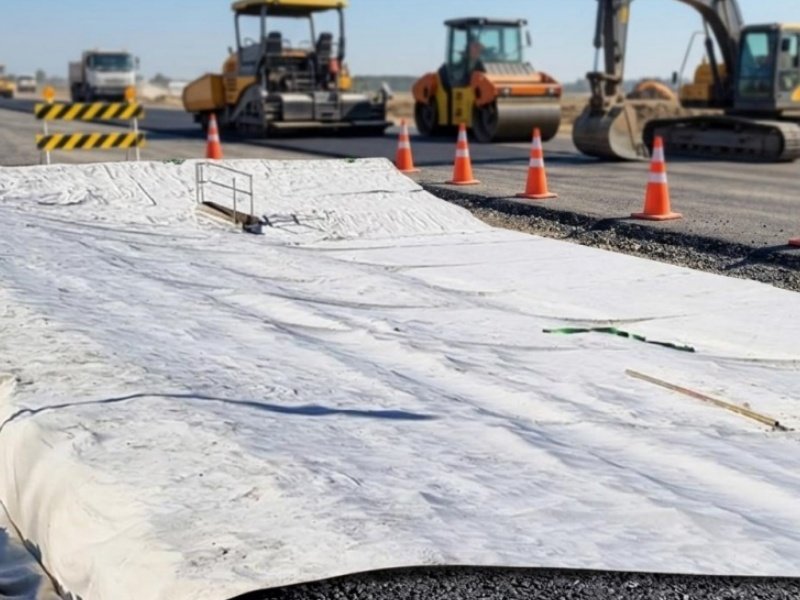
6.Step‑by‑Step Installation Best Practices
Even premium geotextile fails without correct field installation. Follow these practical steps.
6.1. Prepare and compact the subgrade
Remove tree roots, large sharp rocks, and organic debris. Level the ground surface. Compact native soil thoroughly. Muddy, loose subgrade will cause driveway failure no matter how good your fabric is. If your soil is extremely soft, complete subgrade stabilization is required before laying fabric.
6.2. Roll out geotextile smoothly
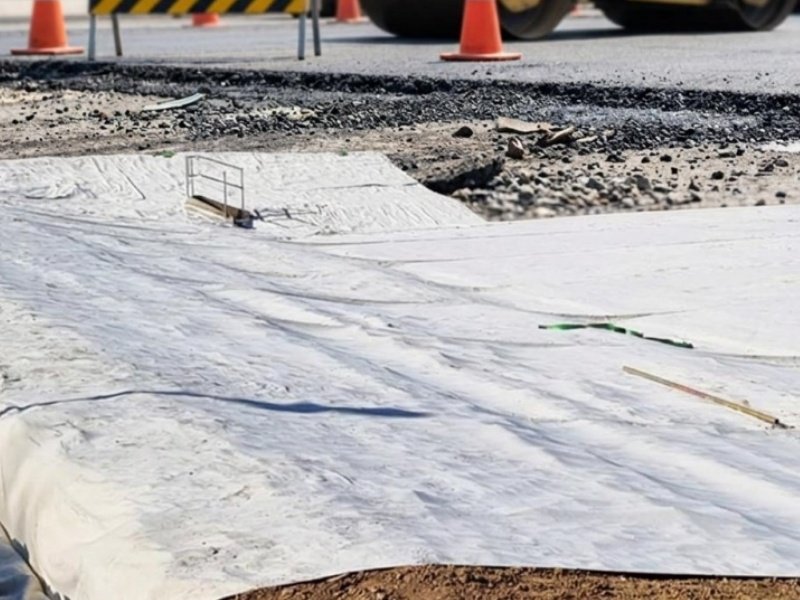
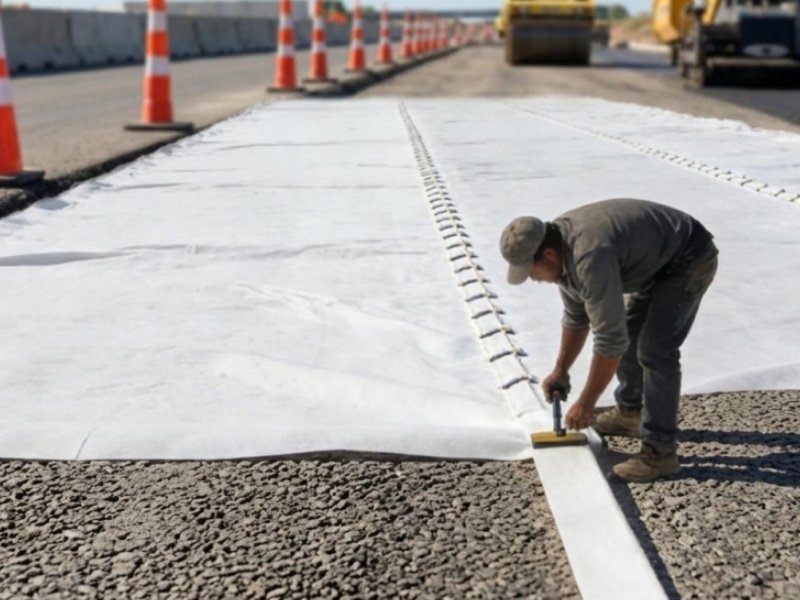
Unroll sheets flat across the whole driveway width. Eliminate wrinkles, folds, and bunches. Overlap adjacent fabric sheets by 15‑20 centimeters. Insufficient overlap creates hidden weak seams.
6.3. Fix fabric edges
Drive landscape staples into ground to fasten fabric edges before spreading gravel. Wind, walking workers, and machine movement can shift loose fabric out of position.
6.4. Add gravel with care
Dump and spread aggregate gently. Avoid driving heavy machinery directly onto bare geotextile. Place at least 150 mm compacted gravel layer above the fabric. This covering layer absorbs mechanical impact and protects the textile.
6.5. Cover fabric quickly
Do not leave geotextile exposed under sunlight for multiple weeks. Cover it with gravel as soon as laying work finishes.
7.Conclusion
Selecting the best geotextile fabric for gravel driveway balances separation capability, filtration performance, puncture resistance, and tensile strength. Woven geotextile delivers outstanding stabilization for heavy‑load traffic. Non‑woven geotextile brings excellent drainage for wet clay‑prone ground. Always match fabric weight and technical indexes to your soil property, traffic volume, and site drainage status.
High‑quality material only delivers full value with proper subgrade preparation,