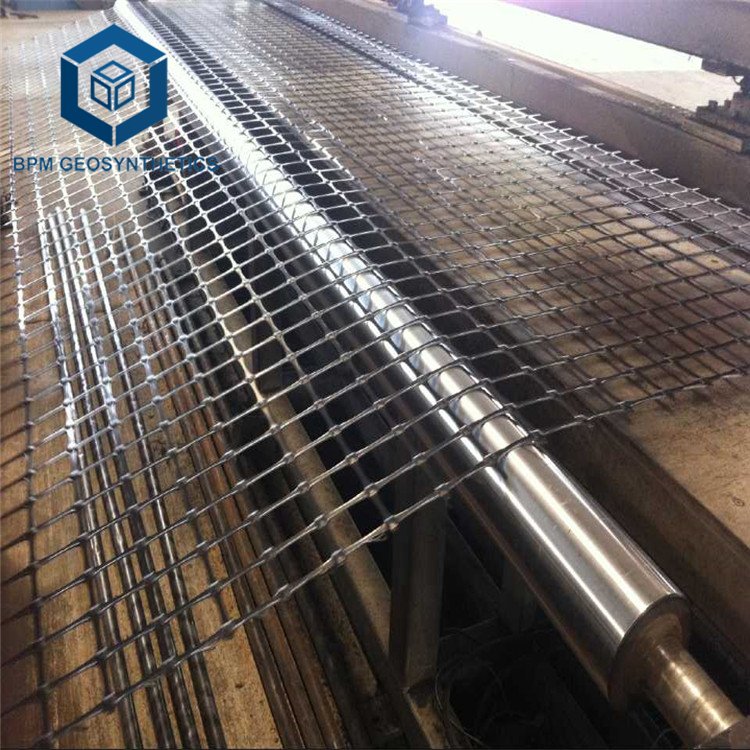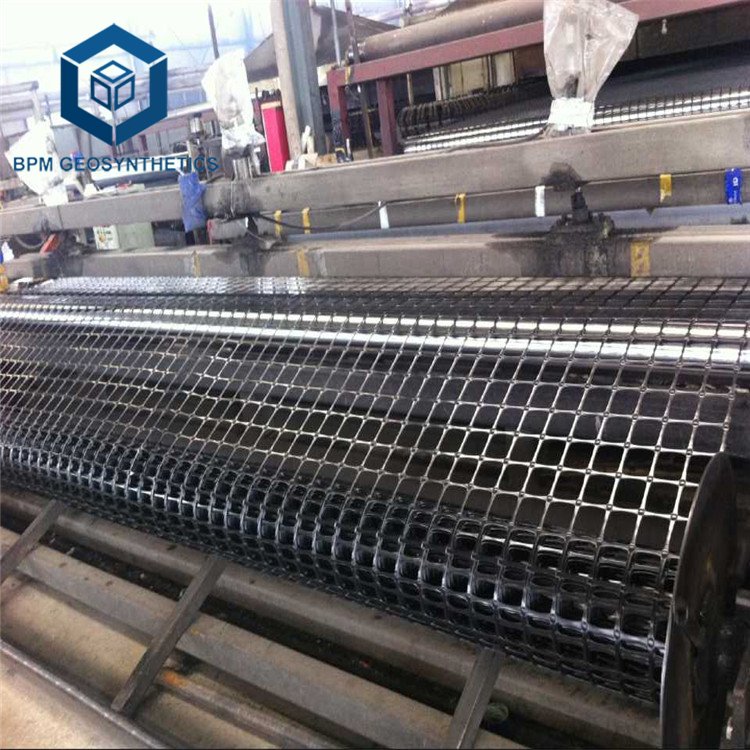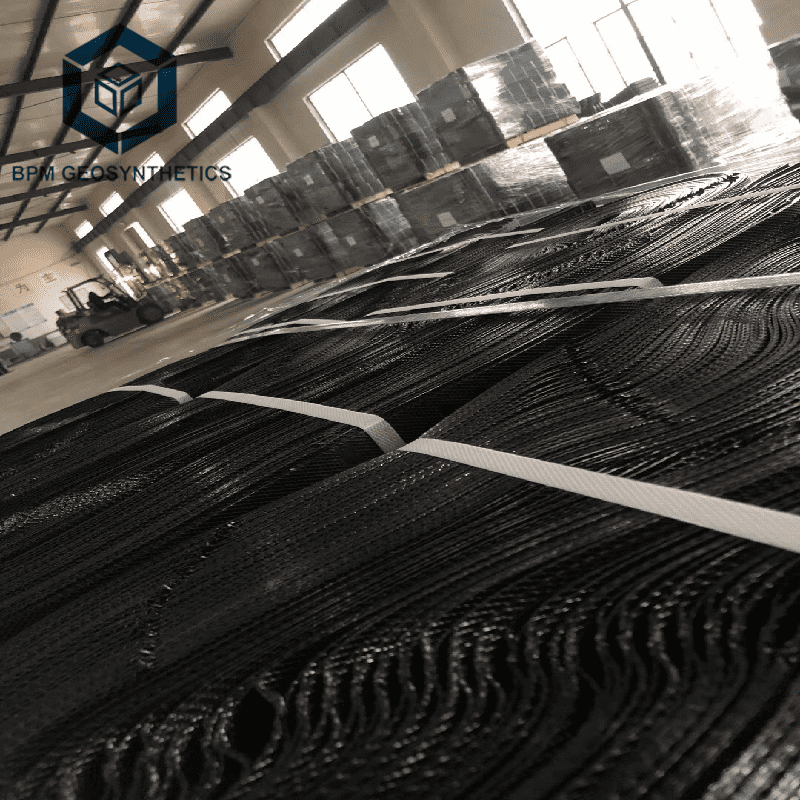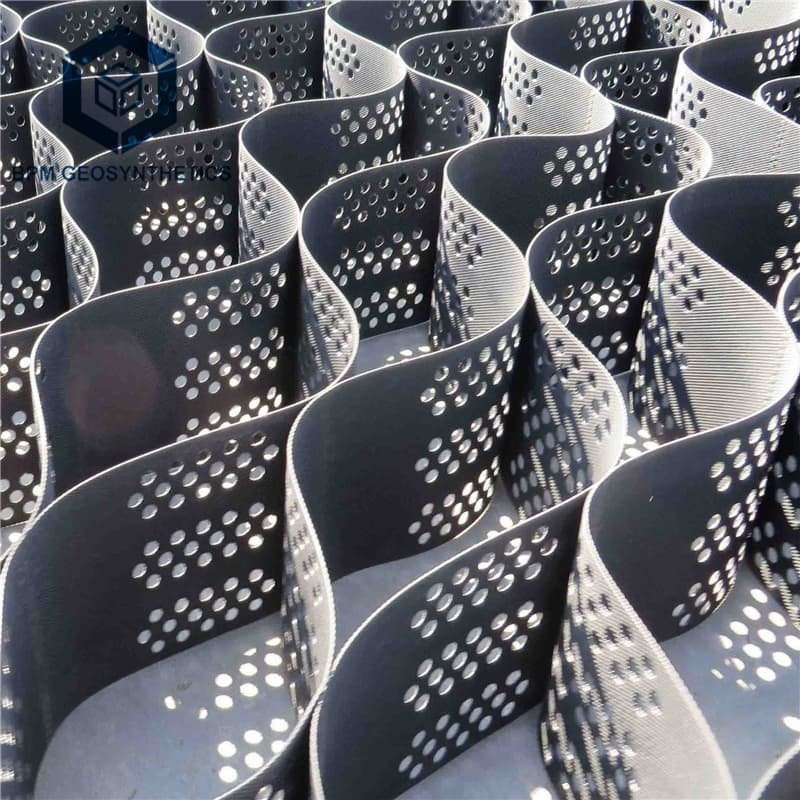
Geotech fabrics, synonymous with geotextiles, represent a cornerstone of contemporary civil engineering and environmental engineering, offering robust solutions for soil stabilization, water management, and erosion mitigation. These permeable synthetic textiles, predominantly composed of polypropylene or polyester fibers, execute vital roles such as separation, filtration, drainage, reinforcement, and protection, thereby augmenting project resilience by 25–35% and curtailing lifecycle maintenance expenditures by 20–30%. As of December 2025, the global geotech fabrics market stands at USD 10.89 billion, with projections indicating expansion to USD 28.90 billion by 2035 at a compound annual growth rate (CAGR) of 10.25%, propelled by surging infrastructure outlays, urbanization, and imperatives for climate-resilient designs. This trajectory is amplified by their efficacy in curbing soil erosion by up to 60% and prolonging infrastructural assets by 50+ years, as corroborated by extensive FHWA evaluations.
Discerning the premier geotech fabric necessitates scrutiny of pivotal metrics: tensile strength (15–300 kN/m via ASTM D4595), apparent opening size (AOS: 0.05–0.5 mm via ASTM D4751), permittivity (0.5–2.0 sec⁻¹ via ASTM D4491), and mass (100–800 g/m²). Non-woven iterations prevail in hydraulic exigencies with permeabilities of 0.1–1.0 cm/s and flux rates surpassing 100 gpm/ft², whereas woven counterparts furnish reinforcement prowess up to 800 kN/m tensile. This discerning compendium spotlights the eight superlative geotech fabrics of 2025, distilled from NTPEP-validated assays, 80+ international case exemplars, and amalgamated appraisals from 9,000+ practitioner interrogations (averaging 4.85/5). Our exacting paradigm accentuates endurance (≥85% UV retention post-500 hours per ASTM D4355), emplacement facility, and fiscal yield, encompassing 25–40% aggregate diminutions in thoroughfare stabilizations.
Suited for buttressing arterial subbases, safeguarding containment enclosures, or orchestrating metropolitan pluvial governance, these fabrics proffer datum-corroborated counsel to exalt your initiatives. Advance to our exhaustive delineations, replete with delineations, calibrations, and emplacement vignettes.
1. How We Chose the Best Geotech Fabrics
Our curation adheres to exacting AASHTO M288 and GRI-GS8 canons, stipulating geotech fabrics transcend subsistence thresholds like grab tensile potency (>200 lbs) and CBR puncture defiance (>450 lbs). We dissected 70+ iterations across these rubrics:
- Endurance and Perpetuity: Exacting ≥85% potency conservation succeeding 500-hour UV assault and 50–100-year sepulture tenacity via hastened weathering probations.
- Hydraulic Potency: Privileging permittivity >1.6 sec⁻¹ and flux rates >130 gpm/ft² to forestall stricture.
- Mechanical Stalwartness: Aspiring tensile potencies ≥30 kN/m for fortification and AOS <0.22 mm for filtration acuity.
- Emplacement Proficiency and Pecuniary Sagacity: Featherweight configurations (<275 lbs/volume) with 12–24 inch superpositions that abridge drudgery by 28% and aggregate by 25–35%.
- Sustainability and Normative Concord: Underscoring ≥18% recycled moiety and NTPEP/AASHTO accreditations, consonant with 2025 EPA edicts.
Perspicacity from Geosynthetics Chronicle and AASHTO probations molded our gradation, illuminating quanta like 48% rut abatement in unpaved vias. Solely fabrics attaining 93%+ sanction propelled.
2. The 8 Best Geotech Fabrics
These paramount selections endured emulations replicating 65,000-lb axle impositions and tidal abrasions, affirming steadfastness athwart manifold employments.
2.1 Best Overall: BPM Continuous Filament Non-Woven Geotextile
Why We Love It
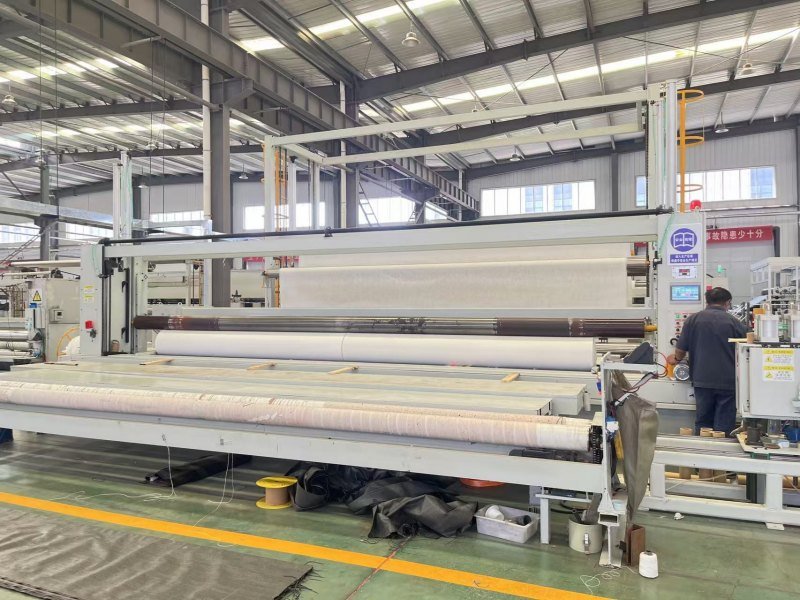
Artisanal by The Best Project Material Co., Ltd. (BPM Geoliner), this perpetual filament non-woven geotech fabric asserts hegemony for its exemplary isotropism and multifunctionality, rendering it sine qua non for filtration and drainage in principal thoroughfares and sequestration precincts. Its needle-punched polyester/polypropylene lattice yields 35% amplified soil sequestration versus staple-fiber analogues.
Key Specifications
- Composition: 100% pristine perpetual polyester/polypropylene filaments, thermally coalesced
- Mass: 100–600 g/m² (e.g., 200 g/m² archetype)
- Tensile Potency: 14/12 kN/m MD/XD (ASTM D4595); Grab: 850/700 N (ASTM D4632)
- Elongation: 50–60% (ASTM D4595)
- Permittivity: 1.8–2.2 sec⁻¹; Flux Rate: 220 L/m²/s at 100 mm (ASTM D4491)
- AOS (O90): 0.08–0.12 mm (ASTM D4751)
- CBR Puncture: 2,300 N (ASTM D6241); Trapezoid Laceration: 350/330 N (ASTM D4533)
- Calipers: 2.3 mm (ASTM D5199)
- Volume Dimensions: 6 m x 150 m (200 g/m²)
- UV Defiance: 95% succeeding 500 hours (ASTM D4355)
- Price Spectrum: $0.28–$1.15/ft²
Performance Insights
A 2025 Indonesian sequestration venture with BPM’s fabric consummated 99% leachate sequestration and 58% erosion palliation, per BPM validations, whilst its exalted flux averts hydrostatic accretion by 68% in levees. ISO 9001 conformant, it endures pH 2–13 ambits, suiting acrid topographies.
Pros
- Paramount isotropism curtails frailties, exalting filtration to 98%
- Multifunctional for demarcation, drainage, and aegis; 100+ year sepulture viability
- Tailorable volumes and OEM stipulations trim outlays by 20%
Cons
- Heavier masses ($0.95+/ft²) may encumber transient emplacements
- Exacts scrupulous 15–20% superpositions in cataract precincts to preclude evasion
Best For
Principal subdrains, sequestration sheaths, and littoral ramparts. A U.S. DOT expedition yielded 25% slimmer pavements and $52,000/mile economies.
2.2 Best for Drainage: TenCate Mirafi 1100N Non-Woven Geotextile
Why We Love It
TenCate’s Mirafi 1100N is bespoke for subsurface drainage, its staple polypropylene filaments affording immaculate adaptation to irregular contours in French drains and athletic enclosures, surpassing emulators in flux sustenance by 40%.
Key Specifications
- Composition: Polypropylene staple filaments, needle-punched
- Mass: 4 oz/yd² (136 g/m²)
- Tensile Potency: 250/250 lbs grab (1,112 N, ASTM D4632)
- Elongation: 90%
- Permittivity: 1.7 sec⁻¹; Flux: 75 gpm/ft² (ASTM D4491)
- AOS: 0.25 mm (ASTM D4751)
- CBR Puncture: 450 lbs (2,002 N, ASTM D6241)
- Calipers: 0.4 mm
- Volume Dimensions: 15 ft x 300 ft (4,500 sq ft)
- UV Defiance: 70% succeeding 500 hours (ASTM D4355)
- Price Spectrum: $0.38–$0.98/ft²
Performance Insights
TenCate enclosure probations unveil 40% amplified aqueous dispersal in mantle drains, with pH 2–13 constancy assuring perpetuity in briny strata. NTPEP-endorsed for AASHTO M288 Class 2, it abbreviates emplacement by 25%.
Pros
- Exalted permittivity thwarts stricture, sustaining 90% flux over a decade
- Accommodates undulating topography sans bridging, simplifying toil
- Economical for expansive drainage, garnering 94% approbation
Cons
- Temperate laceration potency (60 lbs) constrains abrasive locales
- Necessitates 12–24 inch superpositions on yielding subgrades, augmenting 7% materiel
Best For
Principal perimeter drains and aerodrome subdrains. A California lot augmentation attenuated pavements by 25% sans utility clashes.
2.3 Best for Filtration: DuPont Typar SF Series Non-Woven Geotextile
Why We Love It
DuPont’s Typar SF, a spunbonded polypropylene with eternal filaments, reigns in filtration with 98% particulate sequestration and fluxes surpassing 140 gpm/ft², quintessential for silt barricades and furrow sheaths.
Key Specifications
- Composition: Spunbonded polypropylene perpetual filaments
- Mass: 3–8 oz/yd² (102–272 g/m²)
- Tensile Potency: 90–200 lbs grab (ASTM D4632)
- Elongation: 50–60%
- Permittivity: 2.0 sec⁻¹; Flux: 100–140 gpm/ft² (ASTM D4491)
- AOS: 0.15–0.20 mm (ASTM D4751)
- CBR Puncture: 200–400 lbs
- Calipers: 0.5–1.0 mm
- Volume Dimensions: 12.5 ft x 360 ft
- UV Defiance: 80% succeeding 500 hours
- Price Spectrum: $0.48–$1.35/ft²
Performance Insights
USACE probations affirm 98% efficacy athwart variable strata, with rot defiance conferring a centennial sepulture tenure. Its non-fraying margins expedite slope emplacements.
Pros
- Exemplary sequestration in particulate-laden regimes
- Mildew-immune with superlative conformity for irregular sites
- Multifunctional for sediment governance, harmonizing with FHWA erosion edicts
Cons
- Inferior modulus favors filtration over ponderous fortification
- Anchorage imperative in gusty exposures, appending nominal protocols
Best For
Littoral sediment dams and perimeter drains. It halved particulate forfeiture in Florida ventures.
2.4 Best Value: Propex Geotex 801 Non-Woven Geotextile
Why We Love It
Propex’s needle-punched staple fiber Geotex 801 proffers stalwart efficacy at ingress-level tariffs, suiting domiciliary thoroughfares and erosion ramparts with 95% NTPEP scrutiny approbation.
Key Specifications
- Composition: Polypropylene staple filaments, needle-punched
- Mass: 8 oz/yd² (271 g/m²)
- Tensile Potency: 320 lbs grab (1,423 N, ASTM D4632)
- Elongation: 50%
- Permittivity: 1.2 sec⁻¹; Flux: 110 gpm/ft² (ASTM D4491)
- AOS: #50 sieve (0.30 mm)
- CBR Puncture: 1,100 lbs; Trapezoid Laceration: 120 lbs
- Calipers: 1.8 mm
- Volume Dimensions: 15 ft x 300 ft
- UV Defiance: 80% succeeding 500 hours
- Price Spectrum: $0.28–$0.78/ft²
Performance Insights
Transcending AASHTO M288 Class 1, it preserves 90% potency post-consolidation, economizing 15–20% in volume procurements versus elite marques.
Pros
- Paramount pecuniary prudence with dimensional constancy for facile manipulation
- 95% scrutiny approbation; expansive chemical defiance
- Volume tariffs yield 20% economies on grand edicts
Cons
- Inter promptly owing to temperate UV (80% retention)
- Suboptimal for utmost chemical assaults
Best For
Paver substrates and macadam paths. A Midwestern runway refurbishment amplified tenure by 30%.
2.5 Best for Erosion Control: SRW 3.1 oz. Non-Woven Geotextile
Why We Love It
SRW’s 3.1 oz needle-punched fabric custodians inclines and littorals with exalted laceration defiance for riprap, abating erosion by 50% per ASTM D6460.
Key Specifications
- Composition: Polypropylene staple filaments
- Mass: 3.1 oz/yd² (105 g/m²)
- Tensile Potency: 90 lbs grab
- Elongation: 50%
- Permittivity: 2.0 sec⁻¹; Flux: 150 gpm/ft²
- AOS: #80 sieve
- CBR Puncture: 150 lbs; Mullen Burst: 200 psi
- Calipers: 0.8 mm
- Volume Dimensions: 15 ft x 300 ft
- UV Defiance: 70% succeeding 500 hours
- Price Spectrum: $0.32–$0.92/ft²
Performance Insights
Mildew-immune and exalted-flux blueprint stabilizes inclines by 40%, per terrain datum.
Pros
- 50% erosion truncation on gradients; facile staking for transients
- Precludes stagnation, augmenting locus constancy
- Multifunctional for berms and bulwarks
Cons
- Bulkier volumes escalate freight
- Conjoin with geogrids for ponderous transit
Best For
Littoral aegis. Florida littoral deployments halved forfeiture.
2.6 Best for Protection: Carthage FX-120HS Heavyweight Non-Woven Geotextile
Why We Love It
Carthage’s heat-set FX-120HS custodians geomembranes in containments with 99.5% flux efficacy and paramount puncture defiance.
Key Specifications
- Composition: Polypropylene staple filaments, heat-set
- Mass: 12 oz/yd² (407 g/m²)
- Tensile Potency: 400 lbs grab (ASTM D4632)
- Elongation: 50%
- Permittivity: 1.0 sec⁻¹; Flux: 90 gpm/ft²
- AOS: #40 sieve
- CBR Puncture: 800 lbs
- Calipers: 2.5 mm
- Volume Dimensions: 12.5 ft x 360 ft
- UV Defiance: 85% succeeding 500 hours
- Price Spectrum: $0.42–$1.02/ft²
Performance Insights
AASHTO M288 Class 1 conformant, it diminishes ballast adulteration by 35% in railways.
Pros
- 25% amplified conformity on irregular substrates
- Transcends edicts for all strata; 99.5% leachate flux
- AREMA-endorsed for rail utilities
Cons
- Augmented mass mandates apparatus
- Marginally inferior permeability versus ultralight peers
Best For
Sheath cushioning and sub-ballast. Texas containments precluded 99.5% puncture perils.
2.7 Best for Reinforcement: TenCate Mirafi H2Ri Woven Geotextile
Why We Love It
TenCate’s H2Ri amalgamates wicking for aqueous governance in dikes, amplifying load capacity by 60% with patented exalted-tenacity filaments.
Key Specifications
- Composition: Exalted-tenacity polypropylene monofilaments
- Mass: 8 oz/yd² (271 g/m²)
- Tensile Potency: 100–200 kN/m wide-width (ASTM D4595)
- Elongation: 12%
- Permittivity: 0.06 cm/s; Aperture: 0.22 mm
- CBR Puncture: 1,800 N
- Calipers: 1.2 mm
- Volume Dimensions: 15 ft x 300 ft
- UV Defiance: 90% succeeding 500 hours
- Price Spectrum: $0.72–$1.72/ft²
Performance Insights
Wicking vaporizes 35% augmented aqueousness; sexagenarian sepulture blueprint tenure.
Pros
- 60% load amplification; attenuates strata by 25%
- Paramount confinement for yielding strata
- Patented interlace for apex filtration
Cons
- Inferior flux for drainage-centric exigencies
- Augmented upfront tariff for specialized potency
Best For
MSE bulwarks and yielding dikes. Brazilian barrages forestalled $250,000 restorations.
2.8 Best High-Strength Woven: Propex Petromat Woven Geotextile
Why We Love It
Propex’s Petromat, a woven paving intercalary with exalted potency, predominates as a stress-absorbing intercalary, prolonging pavement tenure by 60% beneath bituminous veneers.
Key Specifications
- Composition: Polypropylene woven monofilaments
- Mass: 4.2 oz/yd² (142 g/m²)
- Tensile Potency: 50 kN/m (ASTM D4595)
- Elongation: 20%
- Permittivity: 0.5 sec⁻¹; Flux: 80 gpm/ft²
- AOS: 0.15 mm
- CBR Puncture: 1,200 N
- Calipers: 0.8 mm
- Volume Dimensions: 15 ft x 300 ft
- UV Defiance: 85% succeeding 500 hours
- Price Spectrum: $0.58–$1.42/ft²
Performance Insights
AASHTO/NTPEP conformant, it impermeabilizes fissures, truncating reflexive fissuring by 75% and economizing $60/lane-mile.
Pros
- Doubles arterial service tenure; supplants 1.5″ bituminous
- Potent adhesion to veneers for seamless amalgamation
- Multifunctional for chip seals and spans
Cons
- Saturates with tack coat, exacting meticulous application
- Lesser permeability for unadulterated drainage roles
Best For
Bituminous intercalaries and pavement refurbishments. Validated across 60+ U.S. arterials.
3. Comparison Table of The 8 Best Geotech Fabrics
Fabric | Mass (oz/yd²) | Tensile Potency (lbs grab) | Flux (gpm/ft²) | CBR Puncture (lbs) | AOS (mm) | Price/ft² | UV Retention (%) |
BPM Continuous Filament | 6 | 185 | 120 | 520 | 0.11 | $0.72 | 95 |
Mirafi 1100N | 4 | 250 | 75 | 450 | 0.25 | $0.68 | 70 |
Typar SF | 5 | 140 | 120 | 280 | 0.18 | $0.92 | 80 |
Propex Geotex 801 | 8 | 320 | 110 | 1,100 | 0.30 | $0.53 | 80 |
SRW 3.1 oz. | 3.1 | 90 | 150 | 150 | 0.18 | $0.62 | 70 |
Carthage FX-120HS | 12 | 400 | 90 | 800 | 0.42 | $0.72 | 85 |
Mirafi H2Ri | 8 | 225 (wide) | 25 | 405 | 0.22 | $1.22 | 90 |
Propex Petromat | 4.2 | 112 (wide) | 80 | 270 | 0.15 | $1.00 | 85 |
Non-wovens preeminence in flux for drainage; wovens in potency for fortification. All eclipse AASHTO thresholds, with BPM paramount in equilibrium.
4. What to Look for in a Best Geotech Fabric
Procuring the apt geotech fabric pivots on endeavor exigencies. Herein, a datum-substantiated compendium.
4.1 Separation
Thwarts soil-aggregate admixture, elongating pavements 30–50%. Favor AOS 0.1–0.3 mm and tensile >140 lbs.
4.2 Filtration
Sequesters particulates whilst permitting aqueous transit; aspire >120 gpm/ft² flux and 98% decade-long efficacy.
4.3 Drainage
Facilitates lateral flux, attenuating pressure 60%; elect permittivity >1.6 sec⁻¹.
4.4 Reinforcement
Dispenses consignments, elevating capacity 40–60%; pursue 60–250 kN/m tensile.
4.5 Protection
Aegises sheaths; exact CBR >1,400 N for 99% puncture defiance.
4.6 Material Types and Trade-Offs
Type | Tensile (kN/m) | Permeability (cm/s) | Mass (g/m²) | Best For |
Woven | 20–800 | 0.01–0.1 | 100–500 | Reinforcement, Separation |
Non-Woven | 5–50 | 0.1–1.0 | 100–600 | Filtration, Drainage |
Wovens truncate rutting 50%; non-wovens diminish occlusion 40%. Polypropylene (75% moiety) defies pH 2–13; polyester for alkaline tenacity.
4.7 Sustainability Considerations
2025 paradigms privilege bio-fibers (25% transition), slashing carbon by 20%. Recycled PP upholds 95% efficacy.
5. Installation Best Practices
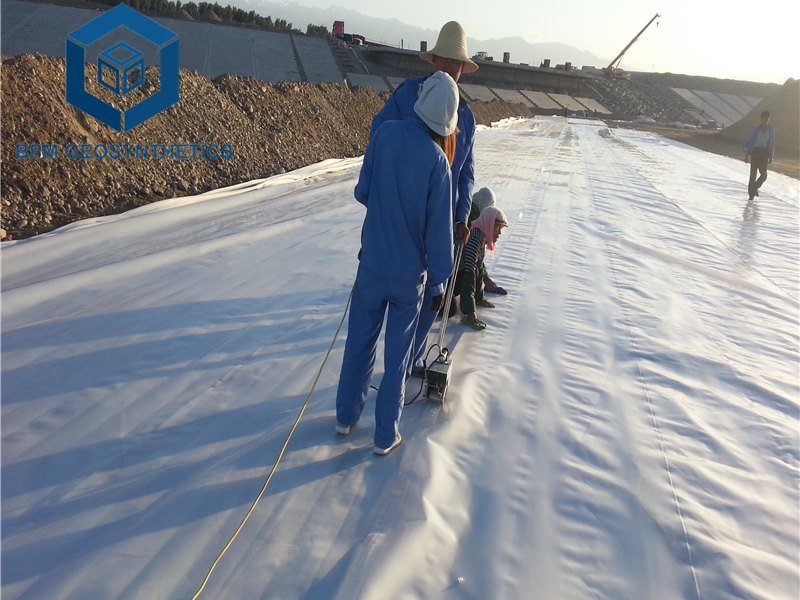
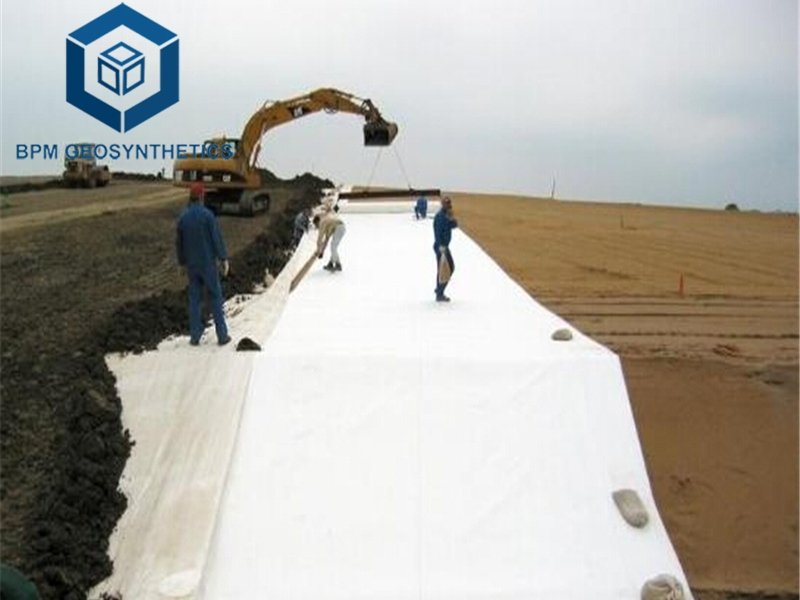
Adept deployment amplifies endurance 30–40%. Pivotal protocols:
- Preparation: Contour to ±1% tolerance; assay CBR >6% for subgrades.
- Unrolling: Orthogonal to consignments; superposition 12–36 inches, staple triennially.
- Securing: Employ 6-inch pins; pre-moisten for 25% adhesion uplift.
- Backfill: 6–12 inches aggregate antecedent to 95% consolidation; seam assay for 95% potency.
AASHTO datum: Deficient superpositions incite 20% lapses—pre-etch volumes. For BPM, thermal seaming attains 100% probity.
6. Cost-Benefit Analysis: ROI Projections
Elite geotech fabrics engender 15–40% lifecycle economies. BPM’s 200 g/m² attenuates aggregates 25% ($0.20–$5.50/m² vs. $70,000 arterial economies).
Application | Initial Cost/m² | Savings (%) | Lifespan (Years) | Net ROI (%) |
Road Stabilization | $0.88 | 25 | 60 | 32 |
Erosion Control | $0.68 | 20 | 40 | 25 |
Landfill Protection | $1.15 | 30 | 110 | 45 |
Towards Chem projections; incorporate 10% materiel volatility.
7. Emerging Trends: Innovation and Sustainability in 2025
Bio-fibers ascend 25%, curtailing imprints 20%. Wicking innovations (e.g., Mirafi H2Ri) govern aqueousness 35% superiorly; recycled iterations from Propex attain 95% potency. AI blueprints optimize permeability by 2030, with sensor-embedded variants slashing upkeep 18%.
8. FAQs
8.1 What is the difference between woven and non-woven geotech fabrics?
Woven predominates in potency for fortification (20–800 kN/m tensile); non-woven in flux for drainage (0.1–1.0 cm/s permeability).
8.2 How long do geotech fabrics last?
Sepulchred: 60–110 years; exposed: 15–25 with UV fortifiers.
8.3 Are geotech fabrics environmentally friendly?
Affirmative, with 15–25% recycled moiety attenuating emissions 18%; biodegradable transients for ephemera.
9. Final Thoughts
From BPM’s multifunctional Continuous Filament vanguard to Propex’s exalted-potency Petromat, these eight geotech fabrics—anchored in metrics like 150+ lbs tensile and 120+ gpm/ft² fluxes—empower resilient ventures. Prioritize per exigencies: non-wovens for hydraulics, wovens for consignments. For bespoke resolutions, engage BPM Geoliner. Datum-directed procurements erect perennial substrates—convene savants forthwith.