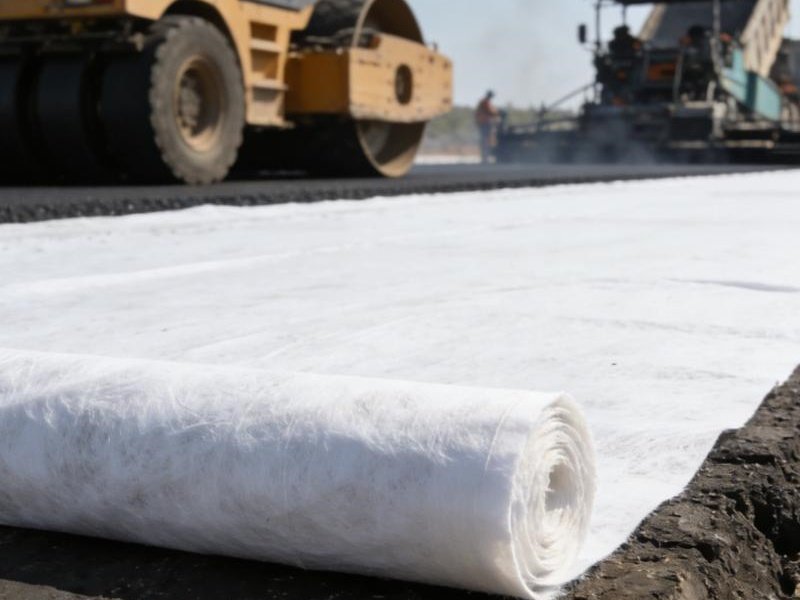
Geosynthetic clay liner (GCL) is a widely used geosynthetic barrier material for landfill, pond, mining, wastewater treatment, and environmental containment projects. A GCL typically consists of a layer of sodium bentonite clay enclosed between geotextile layers, creating a low-permeability barrier when hydrated. Compared with traditional compacted clay liners, GCL systems can be installed more quickly and require less space, making them an attractive solution for modern containment projects.
One of the most common questions from contractors, importers, distributors, and project owners is: How much is GCL liner price?
The answer depends on several factors, including bentonite mass per unit area, geotextile type, manufacturing process, roll dimensions, order quantity, packaging, transportation, and project requirements. Therefore, there is no single fixed GCL liner price for every application.

GCL Liner Price Range
GCL is normally quoted by square meter, roll, or container quantity. Standard commercial GCL products can generally be positioned in a relatively economical price range compared with multilayer containment systems, while premium products with higher bentonite loading, reinforced structures, or specialized performance requirements can cost more.
As a general purchasing reference, buyers may encounter the following relative price levels:
GCL Type | Typical Bentonite Loading | Relative Price |
Standard GCL | 3,500–4,000 g/m² | Low |
Reinforced GCL | 4,000–5,000 g/m² | Low–Medium |
Heavy-duty GCL | 5,000–6,000+ g/m² | Medium–High |
Specialty GCL | Project-specific | High |
These figures are indicative product categories rather than fixed market quotations. Actual GCL liner price should be calculated according to the required specification, quantity, destination, and delivery terms.
For large international projects, purchasing directly from a GCL manufacturer can also provide a significant cost advantage because transportation, packaging, and distributor margins can represent an important part of the final delivered cost.
What Determines GCL Liner Price?
1. Bentonite Mass
Bentonite loading is one of the most important factors affecting GCL price.
A higher bentonite mass generally means more sodium bentonite is incorporated into each square meter of the product. This increases raw material consumption and manufacturing cost but can provide greater swelling capacity and a more robust hydraulic barrier.
For projects with demanding leakage-control requirements, engineers may specify heavier GCL products rather than selecting the lowest-priced standard grade.
2. Bentonite Quality
Not all bentonite has the same performance.
High-quality sodium bentonite is generally preferred for GCL manufacturing because of its strong swelling and low-permeability characteristics. The mineral quality, particle distribution, swelling index, fluid-loss performance, and compatibility with the project environment can all affect product selection and price.
Therefore, buyers should evaluate the bentonite quality and test data, rather than comparing only the price per square meter.
3. Geotextile Structure
A GCL normally uses geotextile components to contain and reinforce the bentonite layer.
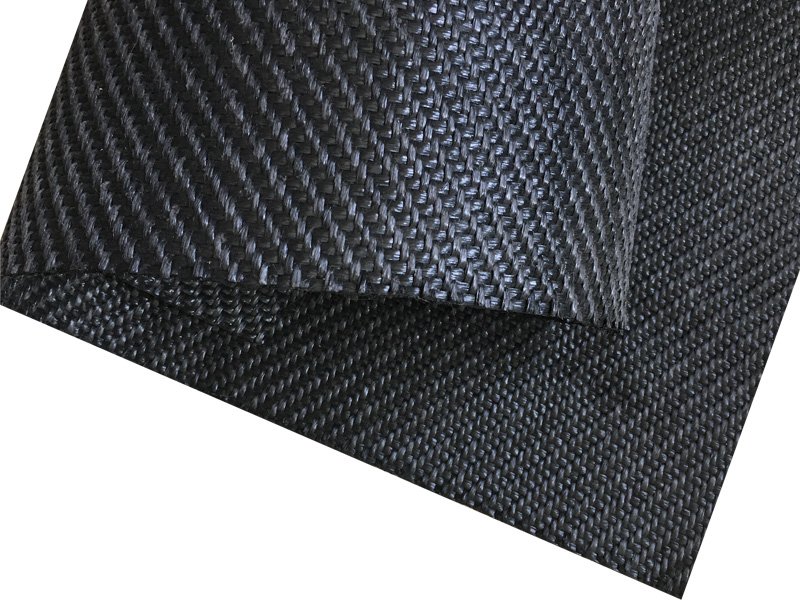
Common configurations include woven/nonwoven combinations and needle-punched structures. Needle-punched GCL products provide mechanical reinforcement by interlocking fibers through the bentonite layer, helping maintain the integrity of the liner during handling and installation.
A stronger geotextile structure can increase production costs but may provide better internal shear resistance and installation reliability.
4. Roll Dimensions
Roll size can have a direct effect on project economics.
Large rolls can reduce the number of field overlaps and help improve installation efficiency. However, larger rolls may require specialized transportation and lifting equipment.
For international projects, buyers should calculate not only the material price but also the number of rolls, container loading efficiency, shipping weight, and installation labor.

Key GCL Technical Parameters
When comparing GCL liner price, professional buyers should request a complete technical data sheet.
Hydraulic conductivity is particularly important because the primary function of a GCL is to provide a low-permeability barrier.
A cheaper GCL with inadequate hydraulic performance may create significantly higher costs later if leakage, replacement, or additional containment measures become necessary.
GCL Applications
GCL liners are used in a wide variety of environmental and civil engineering projects.
GCL can also be combined with HDPE geomembranes to create composite barrier systems. In many landfill and mining projects, the GCL provides a low-permeability mineral barrier while the geomembrane provides an additional synthetic containment layer.
GCL vs Compacted Clay Liner
One reason GCL has become popular is its installation efficiency compared with traditional compacted clay.
A compacted clay liner requires significant quantities of suitable clay, large construction areas, moisture conditioning, compaction equipment, and strict quality control.
GCL is delivered in rolls and can be deployed directly on a prepared subgrade. This can reduce construction time and simplify material logistics.
Although the initial GCL liner price may appear higher than the raw material cost of locally available clay, the total installed cost can be competitive after considering excavation, transportation, placement, compaction, testing, and construction time.
GCL vs HDPE Geomembrane
GCL and HDPE geomembrane are not necessarily competing materials.
They often work together in engineered containment systems.
HDPE geomembranes provide a highly effective synthetic barrier with excellent tensile strength, puncture resistance, and chemical resistance. GCL provides a mineral-based low-permeability barrier and can act as a secondary containment layer.
For demanding landfill, mining, and industrial applications, a composite system combining GCL + HDPE geomembrane can provide multiple layers of protection.
The correct system depends on site conditions, regulatory requirements, chemical exposure, subgrade characteristics, and expected service life.
How to Reduce GCL Liner Cost
Buyers looking for a competitive GCL liner price should consider the entire procurement process.
First, determine the exact engineering specification instead of automatically purchasing the heaviest product.
Second, request quotations from manufacturers based on the same technical parameters. Comparing products with different bentonite loadings or different geotextile structures can produce misleading price comparisons.
Third, consider container loading efficiency. GCL is relatively heavy because of its bentonite content, so optimizing roll dimensions and packaging can reduce international freight costs.
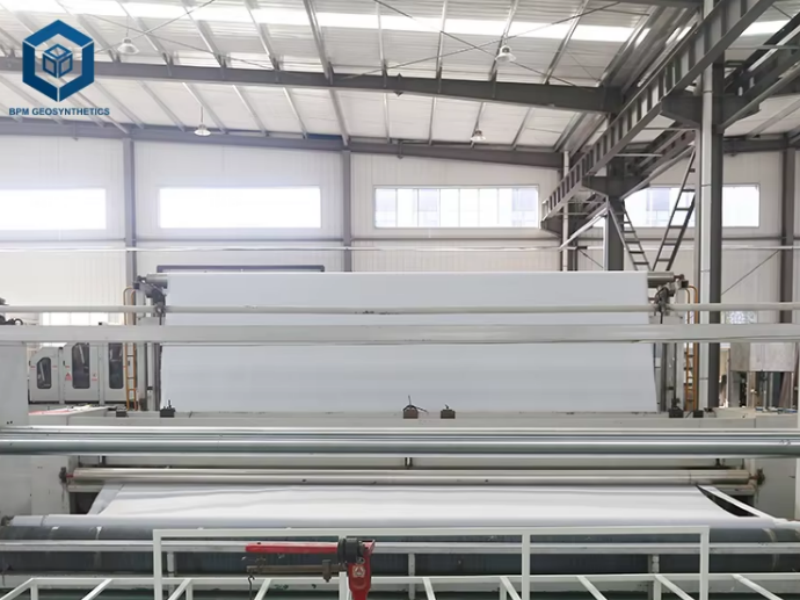
Finally, purchasing directly from an experienced manufacturer can provide better pricing, technical support, customized specifications, and more consistent quality.
How to Choose a Reliable GCL Manufacturer
Price should be only one part of the supplier evaluation process.
For international buyers, it is also important to check the manufacturer’s experience with export projects and its ability to supply large quantities on schedule.
Conclusion
So, how much is GCL liner price?
There is no universal fixed price because GCL products differ in bentonite loading, geotextile structure, reinforcement method, roll size, and technical performance. Standard GCL products can provide an economical containment solution, while heavy-duty and specialty grades offer enhanced performance for more demanding projects.
When evaluating GCL liner price, buyers should consider bentonite quality, bentonite mass, hydraulic conductivity, mechanical strength, roll dimensions, order quantity, shipping cost, and total installed cost.
For landfill, mining, wastewater, pond, and industrial containment projects, choosing the right GCL specification can provide a balance between cost and long-term performance.
For an accurate quotation, provide your required bentonite loading, GCL type, roll size, total quantity, application, and delivery destination. A professional GCL manufacturer can then recommend the appropriate product and calculate a competitive factory price for your project.