Geomembrane Cost Per Square Meter Overview
The cost of geomembrane per square meter is one of the most important factors for buyers planning waterproofing, containment, aquaculture, agriculture, mining, and wastewater treatment projects.
However, there is no single fixed price for geomembrane. The final cost depends on several factors, including material quality, thickness, surface type, roll width, order quantity, customization, packaging, transportation, and the supplier’s production capacity.
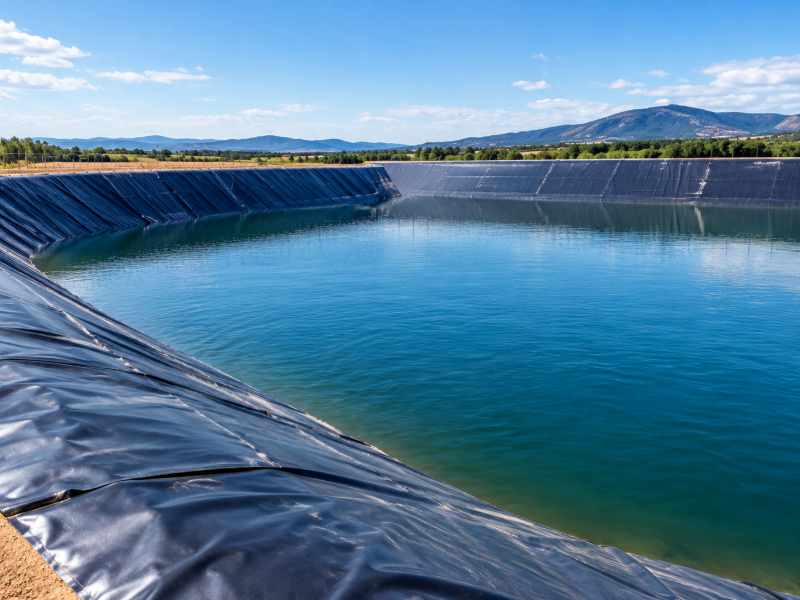
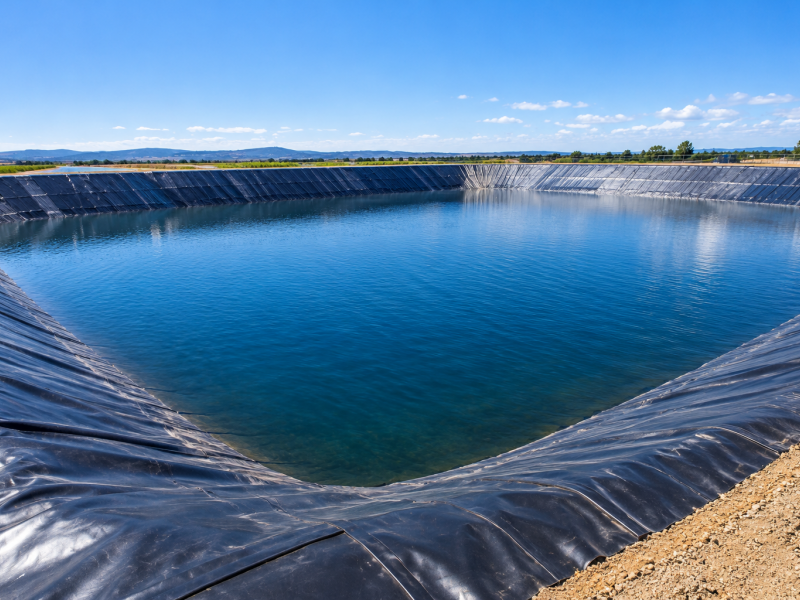
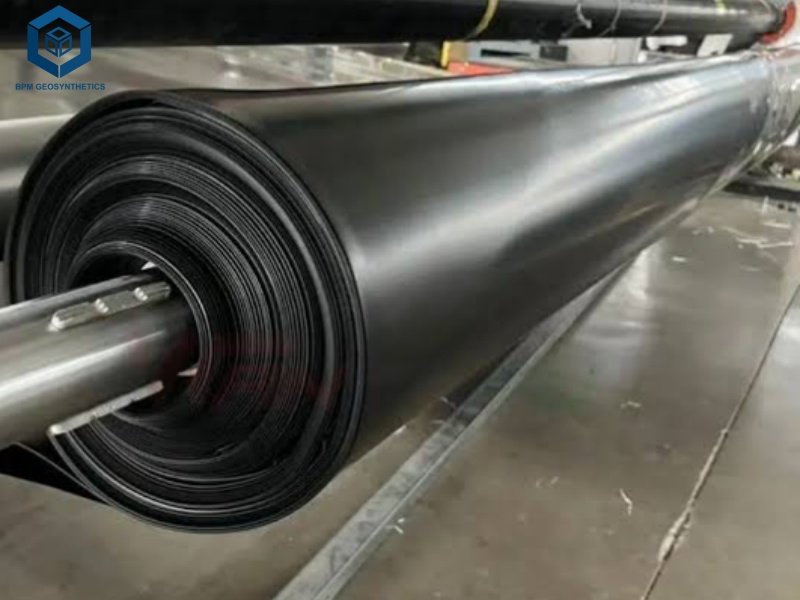
HDPE geomembrane is one of the most widely used geomembrane materials because of its excellent waterproof performance, chemical resistance, UV resistance, flexibility, and durability.
Common thicknesses include 0.5mm, 0.75mm, 1.0mm, 1.5mm, and 2.0mm. Generally, thicker geomembranes require more raw material and therefore have a higher cost per square meter.
For buyers comparing geomembrane suppliers, looking only at the initial price per square meter may not provide an accurate picture of the total project cost. Product quality, installation efficiency, transportation, welding requirements, and service life should also be considered.
What Factors Affect Geomembrane Cost Per Square Meter?
1. Geomembrane Thickness–Geomembrane Cost Per Square Meter
Thickness is one of the most important factors affecting geomembrane price.
A 0.75mm geomembrane normally requires less material than a 1.5mm or 2.0mm geomembrane. For projects requiring stronger puncture resistance and durability, thicker HDPE geomembranes may be preferred.
For example, agricultural ponds may use different specifications from mining containment systems or large wastewater treatment projects.
Choosing the correct thickness according to the engineering requirements can help buyers balance performance and cost.
2. Raw Material Quality–Geomembrane Cost Per Square Meter
The quality of HDPE resin directly affects the performance and price of geomembrane.
Professional manufacturers use controlled raw materials to produce geomembranes with stable tensile strength, elongation, puncture resistance, and chemical resistance.
Low-cost products may appear attractive during initial purchasing, but inconsistent material quality can increase the risk of installation problems and premature replacement.
For large engineering projects, buyers should consider product specifications and quality documentation rather than choosing purely based on the lowest quotation.
3. Smooth or Textured Surface–Geomembrane Cost Per Square Meter
HDPE geomembrane is generally available in smooth and textured surfaces.
Smooth geomembrane is commonly used for ponds, reservoirs, wastewater treatment, and general waterproofing applications. Textured geomembrane can provide additional friction and may be preferred for slopes and certain engineering structures.
Because production processes are different, textured geomembrane may have a different price from smooth geomembrane.
The appropriate surface should be selected according to the design and installation requirements.
4. Order Quantity–Geomembrane Cost Per Square Meter
Order quantity can have a significant impact on the final cost per square meter.
Small orders may have higher unit costs because of production, packaging, handling, and logistics expenses. Large-volume orders can often receive more competitive factory pricing.
For distributors, contractors, and importers purchasing thousands of square meters, negotiating directly with a manufacturer may provide better pricing than purchasing through multiple distribution channels.
5. Roll Width and Customized Specifications–Geomembrane Cost Per Square Meter
Standard geomembrane rolls are usually more economical to produce and transport. Customized widths, lengths, packaging, or private-label requirements can affect the final quotation.
Large-width geomembrane rolls can sometimes reduce the number of welding seams required during installation. Although the material price may not always be the lowest, reduced welding requirements can potentially lower installation costs.
For large projects, buyers should compare the complete installation cost rather than simply the price per square meter.
Geomembrane Cost Per Square Meter by Application
Different applications require different geomembrane specifications.
Aquaculture Ponds
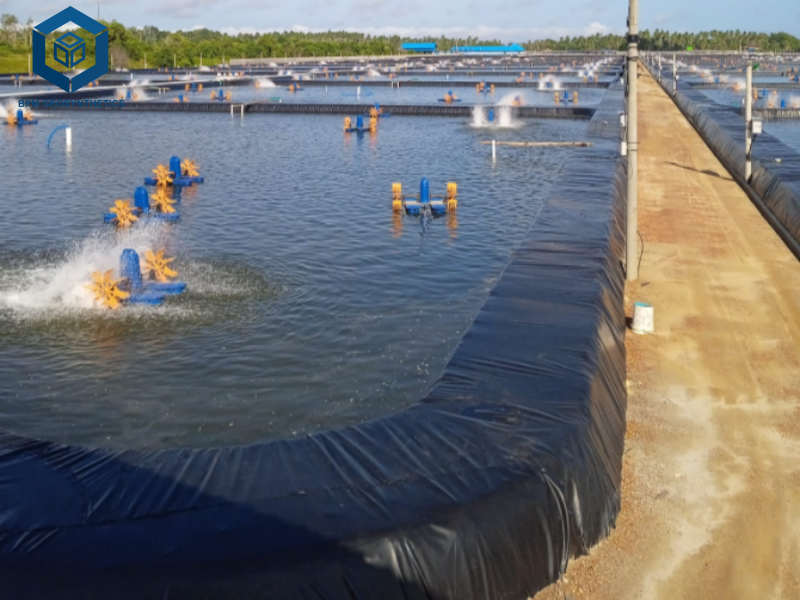
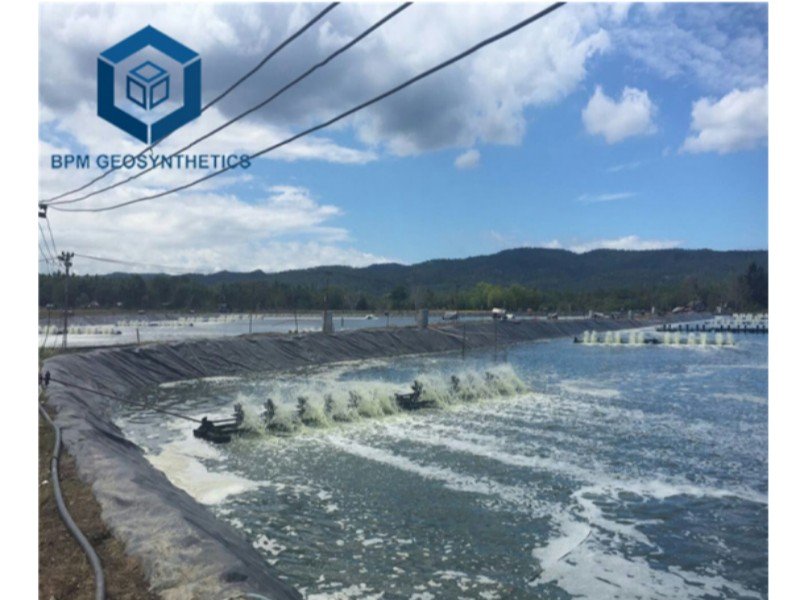
HDPE geomembrane is widely used for shrimp ponds and fish farming ponds.
The required thickness depends on pond design, soil conditions, installation methods, and project requirements. Buyers should select a suitable specification rather than automatically choosing the cheapest product.
Agricultural Reservoirs
Agricultural reservoirs and irrigation ponds require reliable waterproofing to reduce water leakage.
HDPE geomembrane can create an impermeable barrier between stored water and surrounding soil. For large agricultural projects, purchasing directly from manufacturers can help control material costs.
Wastewater Treatment
Wastewater treatment ponds require geomembranes with good chemical resistance and long-term durability.
Because the operating environment can be more demanding than ordinary agricultural ponds, buyers should pay attention to material quality and product specifications.
Mining Projects
Mining applications can require heavy-duty geomembranes because of demanding environmental conditions and potential exposure to chemicals.
Thicker HDPE geomembranes or specially selected products may be required depending on the engineering design.
Landfill and Environmental Projects
Geomembranes are also widely used in landfill liners and environmental containment systems.
These projects usually have strict technical requirements. Buyers should consider specifications, quality standards, testing documentation, and supplier experience in addition to price.
Why Buy Geomembrane Directly From a Manufacturer?
For large projects, purchasing directly from a professional manufacturer can provide several advantages.
Factory Direct Pricing:
Removing unnecessary distribution layers can help reduce procurement costs.
Customized Production:
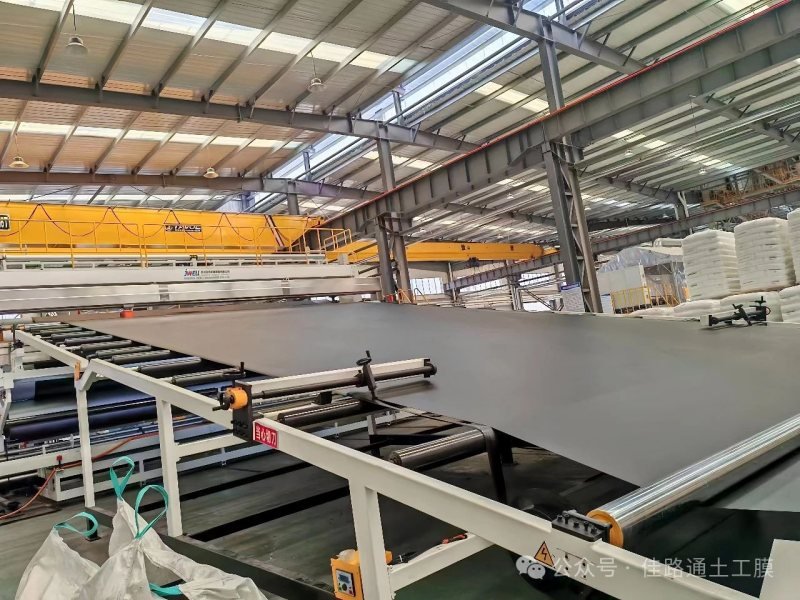
Manufacturers can provide different thicknesses, widths, surface structures, packaging methods, and OEM services.
Stable Supply:
Professional factories can provide larger production capacity for bulk projects.
Quality Control:
Direct communication with the manufacturer makes it easier to confirm raw materials, specifications, testing requirements, and production standards.
Technical Support:
Experienced suppliers can provide recommendations regarding product selection, welding, packaging, transportation, and installation.
THE BEST PROJECT MATERIAL CO., LTD. – Geomembrane Supplier
THE BEST PROJECT MATERIAL CO., LTD. provides HDPE geomembrane solutions for international customers and different engineering applications.
The company offers HDPE geomembranes suitable for aquaculture ponds, agricultural reservoirs, wastewater treatment, mining, artificial lakes, and environmental protection projects.
Customers can discuss different product specifications according to project requirements, including thickness, roll width, surface structure, packaging, and OEM or private-label requirements.
For importers, distributors, engineering contractors, and bulk buyers, direct cooperation with a professional supplier can provide competitive pricing and more flexible purchasing options.
When requesting a quotation, buyers should provide the required thickness, total square meters, roll dimensions, application, destination port, and any special technical requirements. This allows the supplier to provide a more accurate quotation.
Conclusion
So, how much does geomembrane cost per square meter?
The answer depends on the product specification and project requirements. Thickness, raw material quality, surface structure, order quantity, customization, packaging, transportation, and supplier type can all affect the final price.
For small projects, local distributors can provide convenient purchasing and faster delivery. For large projects, direct cooperation with an experienced manufacturer can offer more competitive factory pricing, customized production, stable supply, and technical support.
Before making a purchasing decision, buyers should compare not only the price per square meter but also product quality, service life, installation requirements, delivery costs, and supplier reliability.
For aquaculture, agriculture, mining, wastewater treatment, reservoirs, and environmental projects, choosing the right HDPE geomembrane specification can help achieve a better balance between project performance and total cost.