Introduction
Non woven polypropylene (PP) fabric has become an essential material across numerous industries due to its excellent strength, lightweight structure, chemical resistance, and cost-effectiveness. Unlike traditional woven textiles, non woven polypropylene fabric is manufactured by bonding fibers together through mechanical, thermal, or chemical processes. This production method creates versatile materials suitable for a wide range of applications.
Today, PP non woven fabrics are widely used in medical products, hygiene products, agriculture, automotive manufacturing, filtration, road construction, drainage systems, and environmental protection projects.
With growing global demand, choosing a reliable manufacturer is increasingly important. Product quality, manufacturing capacity, technical expertise, customization options, and international supply capabilities are all factors worth considering.
In this article, we introduce six notable global manufacturers and suppliers of non woven polypropylene fabric, including The Best Project Material Co., Ltd. (BPM Geosynthetics).
1. Berry Global Inc. – United States
Berry Global is one of the world’s major manufacturers of engineered materials and nonwoven products. Headquartered in the United States, the company serves multiple industries, including healthcare, personal care, hygiene, and industrial manufacturing.
Its nonwoven product portfolio includes spunbond and other engineered nonwoven materials designed for demanding applications. Berry Global focuses on product innovation, material performance, and large-scale manufacturing.
Key Advantages:
- Extensive global manufacturing and distribution network.
- Advanced nonwoven production technologies.
- Products for medical, hygiene, and industrial applications.
- Strong experience in engineered polymer materials.
Berry Global is a suitable option for businesses seeking large-volume nonwoven material supply and established international manufacturing capabilities.
2. Mitsui Chemicals, Inc. – Japan
Mitsui Chemicals is a leading Japanese chemical manufacturer with extensive experience in advanced polymer materials and nonwoven technologies.
The company develops polypropylene-based nonwoven materials for hygiene, healthcare, and industrial applications. Its expertise in polymer science helps it manufacture products with controlled fiber structures, consistent quality, and specialized performance characteristics.
Key Advantages:
- Advanced polymer and material technology.
- Strong research and development capabilities.
- Experience in hygiene and medical nonwovens.
- High-quality material engineering.
Mitsui Chemicals is particularly suitable for manufacturers requiring technically advanced nonwoven materials and consistent product performance.
3. Toray Industries, Inc. – Japan
Toray Industries is a globally recognized materials manufacturer specializing in fibers, textiles, chemicals, and advanced materials.
Its nonwoven business serves various industries, including healthcare, filtration, automotive, and industrial manufacturing. Toray’s manufacturing expertise and research capabilities support the development of specialized nonwoven materials with different functional characteristics.
Key Advantages:
- Strong technological research capabilities.
- Extensive experience in advanced fiber materials.
- Products for industrial and filtration applications.
- Established international business operations.
Toray is a noteworthy manufacturer for companies looking for advanced nonwoven solutions and specialized material technologies.
4. Fitesa – Brazil
Fitesa is an internationally recognized nonwoven fabric manufacturer with a strong presence in the hygiene and healthcare sectors.
The company produces nonwoven materials used in baby diapers, feminine hygiene products, medical applications, and other disposable products. Its manufacturing operations and international market presence make it an important participant in the global nonwoven industry.
Key Advantages:
- Specialized expertise in nonwoven fabric production.
- Strong presence in hygiene and healthcare markets.
- International manufacturing and supply capabilities.
- Focus on product development and manufacturing efficiency.
Fitesa is particularly relevant for businesses involved in disposable hygiene products and medical nonwoven materials.
5. Freudenberg Performance Materials – Germany
Freudenberg Performance Materials is a major international supplier of technical textiles and advanced nonwoven materials.
The company serves a diverse range of industries, including automotive, construction, filtration, apparel, and healthcare. Its product portfolio covers different nonwoven technologies and engineered textile solutions.
Freudenberg emphasizes innovation, material functionality, and sustainability. Its experience in technical textiles makes it a strong choice for applications requiring specific mechanical and functional properties.
Key Advantages:
- Extensive technical textile expertise.
- Advanced material development capabilities.
- Solutions for automotive and industrial applications.
- International production and distribution network.
Freudenberg is especially suitable for industrial customers seeking specialized nonwoven materials and technical textile solutions.
6. The Best Project Material Co., Ltd. (BPM Geosynthetics) – China
The Best Project Material Co., Ltd., also known as BPM Geosynthetics, is a professional geosynthetics manufacturer and supplier based in Shandong, China.
Unlike manufacturers primarily focused on hygiene and medical nonwovens, BPM specializes in geosynthetic materials for civil engineering, infrastructure construction, and environmental protection projects.
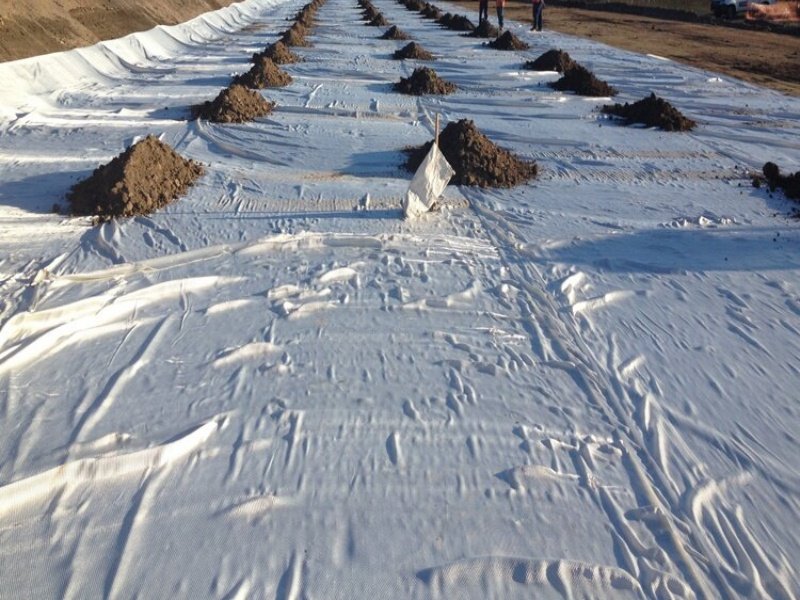
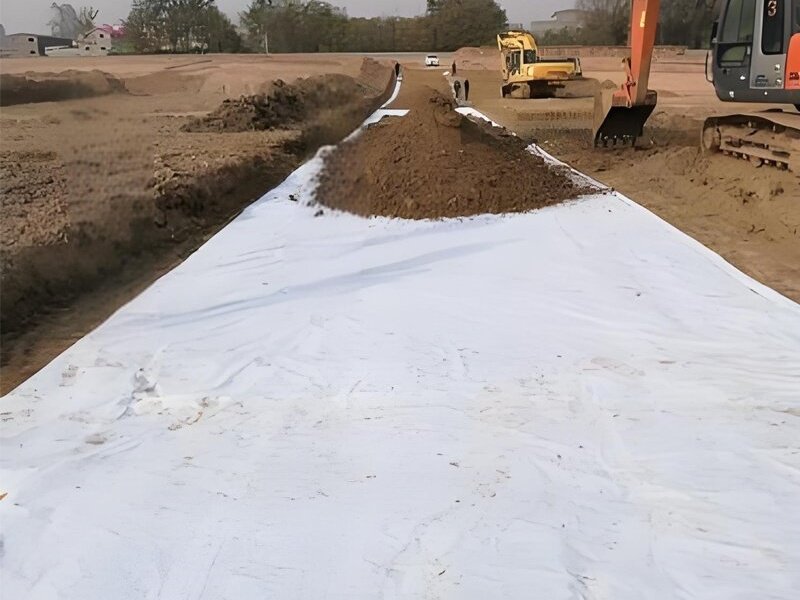
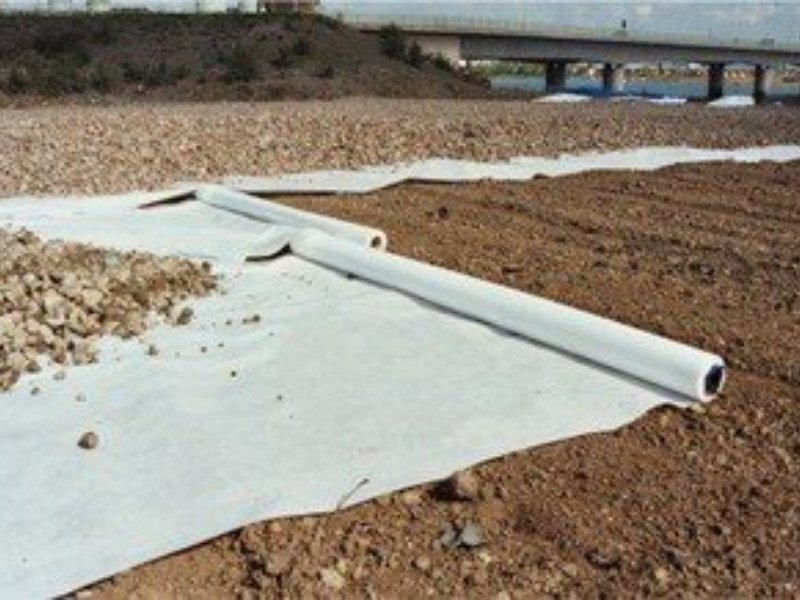
Its non woven polypropylene geotextile is designed to provide reliable filtration, separation, drainage, and protection performance. Manufactured using needle-punched technology, the fabric creates a porous structure that allows water to pass through while retaining soil particles.
BPM offers polypropylene and polyester nonwoven geotextile products with different weights and specifications to meet project requirements.
Key Advantages:
- Professional experience in geosynthetics manufacturing.
- PP and PET nonwoven geotextile solutions.
- Customizable fabric weight, width, and roll dimensions.
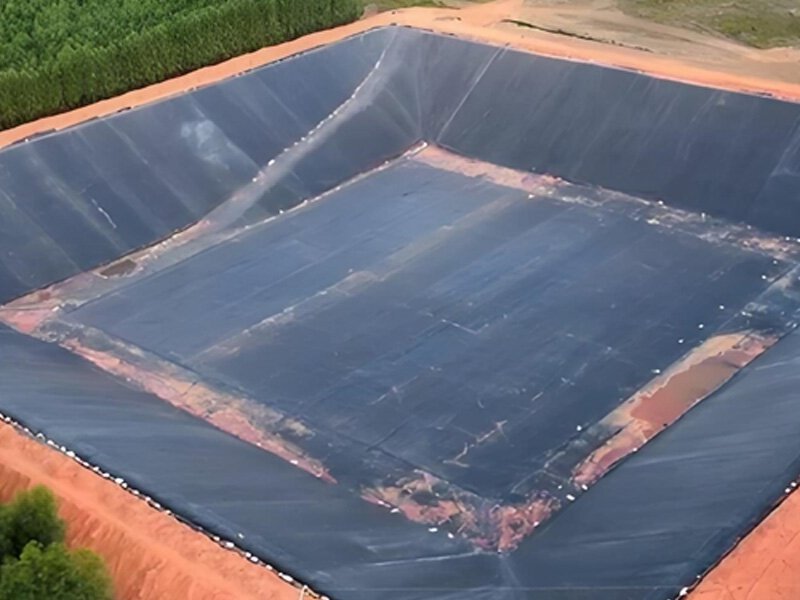
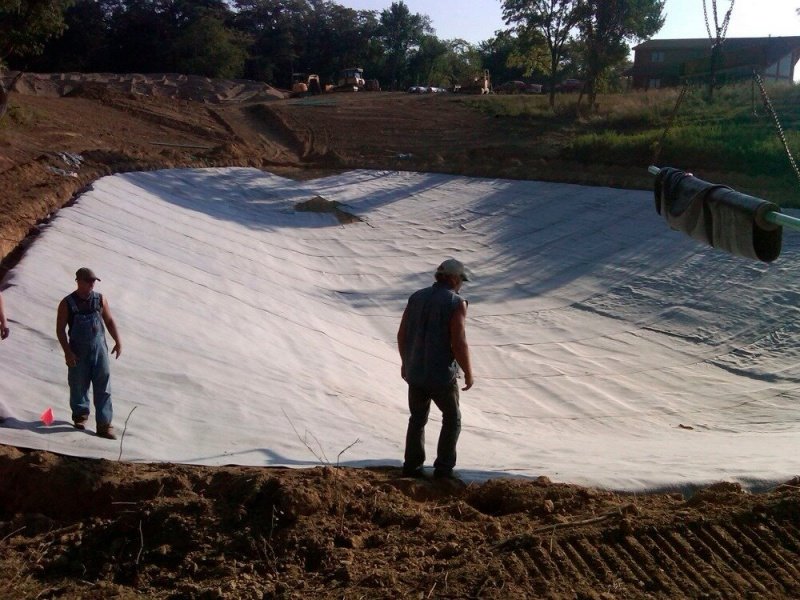
- Products for road construction, drainage, landscaping, and erosion control.
- International supply experience and technical support.
BPM’s nonwoven polypropylene geotextile is particularly suitable for infrastructure and environmental engineering applications.
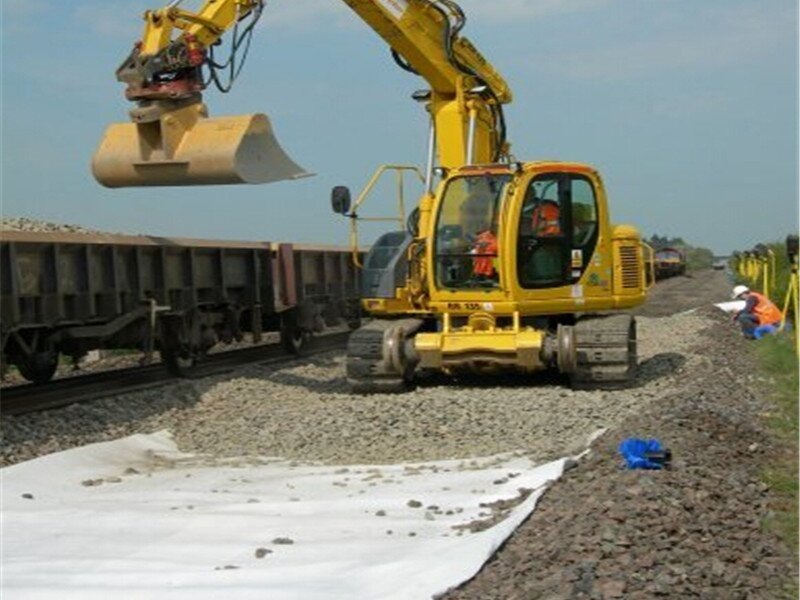
For example, in road construction projects, nonwoven geotextiles can be installed between soil and aggregate layers to prevent material mixing while maintaining water permeability. In drainage systems, they help retain soil particles and reduce clogging risks.
For customers seeking a specialized manufacturer of engineering-grade polypropylene nonwoven fabric, BPM provides a practical option worth considering.
7.Comparison of the Top 6 Non Woven Polypropylene Fabric Manufacturers
Manufacturer | Country | Main Specialization | Key Applications |
Berry Global | USA | Engineered nonwovens | Medical, hygiene, industrial |
Mitsui Chemicals | Japan | Advanced PP nonwovens | Healthcare, hygiene, industrial |
Toray Industries | Japan | Advanced fiber materials | Filtration, automotive, healthcare |
Fitesa | Brazil | Spunbond nonwovens | Hygiene, medical |
Freudenberg | Germany | Technical nonwovens | Automotive, construction, filtration |
BPM Geosynthetics | China | PP/PET nonwoven geotextiles | Roads, drainage, erosion control |
Note: This is an editorial selection of notable manufacturers and specialized suppliers, not an official ranking based on production volume or market share.
8.How to Choose the Right Non Woven Polypropylene Fabric Manufacturer
Selecting the right supplier requires more than comparing product prices. Buyers should consider several important factors:
- Material Quality
Check whether the fabric uses virgin polypropylene or recycled materials, and evaluate its tensile strength, puncture resistance, permeability, and durability.
- Manufacturing Technology
Different production processes serve different purposes. Spunbond technology is common in lightweight hygiene and medical fabrics, while needle-punched technology is widely used in engineering geotextiles.
- Product Customization
A reliable manufacturer should offer flexible specifications, including fabric weight (GSM), thickness, width, color, and roll length.
- Quality Certifications
Review relevant quality management certifications, product test reports, and compliance with applicable ASTM, ISO, or EN standards.
- Technical Support and Delivery
For large-scale projects, stable production capacity, timely delivery, technical assistance, and after-sales service are essential considerations.
9.Conclusion
The global non woven polypropylene fabric market includes manufacturers with different technological strengths and industry specializations. Berry Global, Mitsui Chemicals, Toray, Fitesa, and Freudenberg are established international players serving diverse industrial, medical, and hygiene markets.
Meanwhile, The Best Project Material Co., Ltd. (BPM Geosynthetics) offers a more specialized focus on polypropylene nonwoven geotextiles for civil engineering and environmental applications.
For buyers involved in road construction, drainage, filtration, soil stabilization, and erosion control, BPM is a manufacturer worth adding to their supplier shortlist.
Ultimately, the best manufacturer depends on your intended application, technical specifications, quality requirements, and budget. Comparing these factors carefully will help you find a dependable non woven polypropylene fabric supplier for your project.