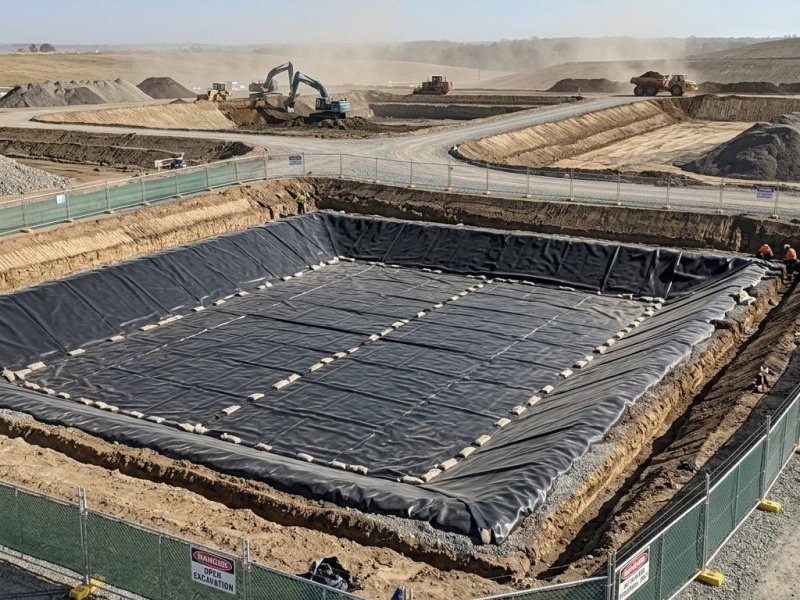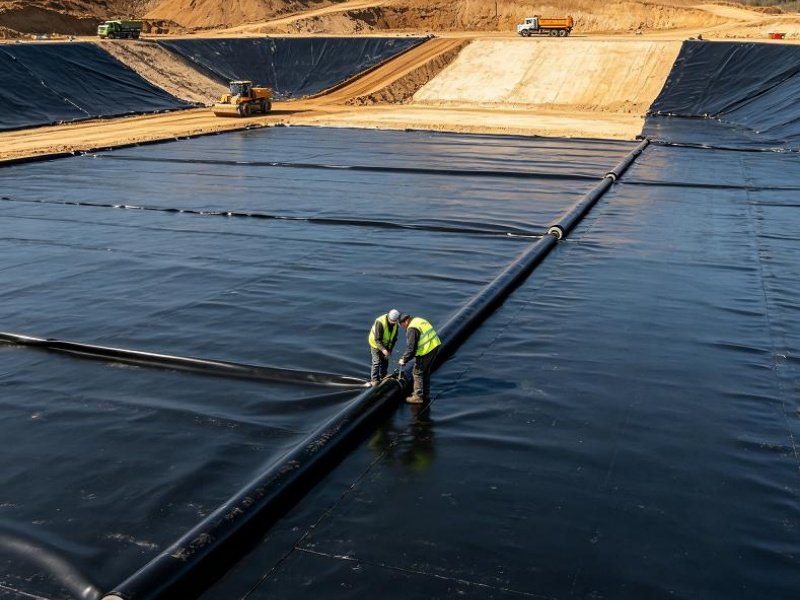
HDPE dam liners are high-density polyethylene geomembranes specifically engineered to provide impermeable barriers for dams, reservoirs, canals, and water storage structures. These liners prevent seepage, protect embankments, and ensure long-term water retention in critical infrastructure projects. Understanding HDPE dam liner price is essential for engineers, project managers, and owners seeking reliable waterproofing performance at optimized cost.
In 2026, the material cost of an HDPE dam liner typically ranges from $0.50 to $3.50 per square meter ($0.05–$0.33 per square foot), depending primarily on thickness, resin quality, surface finish, and order volume. Fully installed systems commonly range from $2.00 to $7.50 per square meter or higher when labor, welding, subgrade preparation, and quality assurance are included. This comprehensive guide consolidates current market data, technical specifications aligned with GRI-GM13 standards, quantifiable performance metrics, and practical cost-optimization strategies. It also highlights high-quality, competitively priced HDPE dam liner solutions available from The Best Project Material Co., Ltd (BPM Geosynthetics).
1. What Is an HDPE Dam Liner?
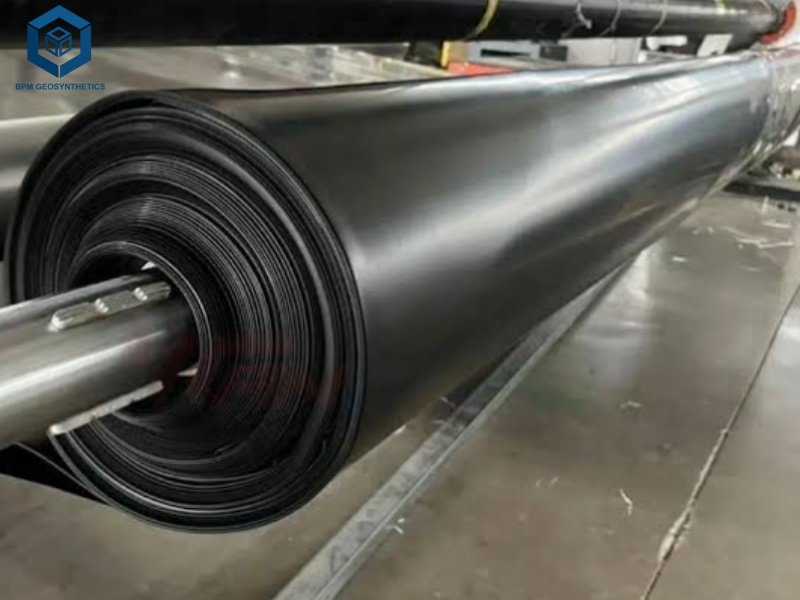
An HDPE dam liner is a continuous impermeable membrane manufactured from high-density polyethylene resin, typically formulated with 97–98% virgin polyethylene, 2.0–3.0% carbon black for UV resistance, and antioxidant packages. It is installed on the upstream face of dams, within reservoir basins, or along canal embankments to control seepage and protect the underlying structure.
Key measurable properties include:
- Density ≥ 0.940 g/cm³ (ASTM D1505/D792)
- Thickness options commonly 0.75–3.0 mm (30–120 mil), with 1.0–2.0 mm most frequent for dam applications
- Tensile strength at break typically 20–40+ kN/m (ASTM D6693)
- Puncture resistance scaling from approximately 320 N for 1.0 mm to 640–960 N for thicker grades (ASTM D4833)
- Extremely low permeability (≤ 10⁻¹¹ to 10⁻¹³ cm/s)
- Service life of 40–100 years when properly installed and protected
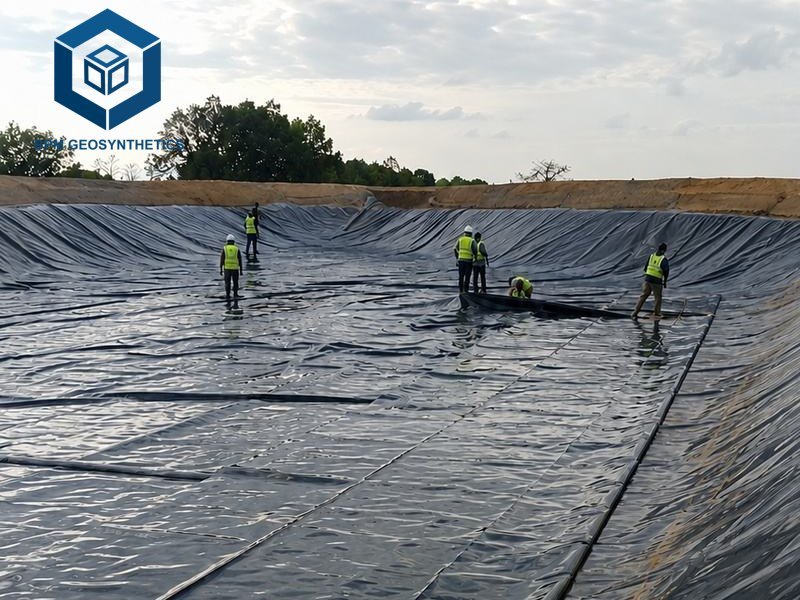
HDPE dam liners are supplied in wide rolls and joined by heat welding (hot wedge or extrusion) to create continuous, high-strength seams capable of withstanding hydrostatic pressure, settlement, and environmental stress.
2. Key Specifications and Parameters for Dam Applications
Performance and HDPE dam liner price are closely linked to quantifiable technical parameters governed by GRI-GM13 and related ASTM methods:
- Thickness tolerance and minimum average values
- Tensile yield and break strength with elongation at break ≥ 700% for smooth sheet
- Carbon black content 2.0–3.0% and dispersion quality
- Oxidative Induction Time (OIT ≥ 100 minutes standard; ≥ 400 minutes high-pressure preferred)
- Stress-crack resistance (NCTL ≥ 200–500 hours)
- Seam strength requirements under field welding conditions
Dam projects often specify thicker or textured liners for enhanced puncture resistance and interface friction on slopes.
3. Factors Influencing HDPE Dam Liner Price
3.1 Material Quality and Resin Type
Virgin HDPE resin costs more than recycled content but provides superior long-term oxidative stability, chemical resistance, and stress-crack performance. Virgin formulations meeting GRI-GM13 typically add 20–30% to material cost while often doubling or tripling expected service life—critical for high-consequence dam structures.
3.2 Thickness
Thickness is the single largest cost driver. Each 0.5 mm increase raises resin consumption proportionally and increases material price by roughly 20–50%. For dams, 1.0 mm suits many irrigation reservoirs, while 1.5–2.0 mm is preferred for larger or higher-head structures requiring greater puncture resistance.
3.3 Surface Finish
Smooth HDPE is the baseline and most economical. Textured surfaces (single- or double-sided) increase interface friction and typically add 10–35% to material price, improving stability on steeper embankments.
3.4 Order Volume and Project Scale
Dam and reservoir projects frequently involve large surface areas. Orders exceeding 10,000 m² commonly receive 10–25% volume discounts. Small auxiliary structures incur higher unit costs due to fixed setup and logistics charges.
3.5 Logistics, Duties, and Regional Pricing
Asia-Pacific factory pricing remains the most competitive globally. Ocean freight for a 40-ft container of 1.5 mm HDPE can add approximately $0.10/m² depending on destination. Import duties and taxes further influence delivered cost.
3.6 Installation, Subgrade Preparation, and Accessories
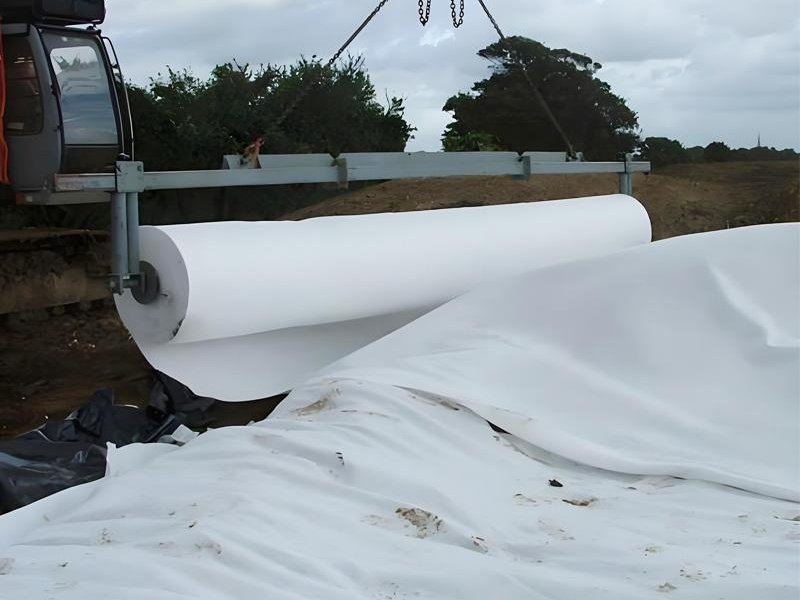
Material typically represents 45–60% of total installed cost. Welding labor, subgrade leveling, protective geotextile underlayment, and quality-assurance testing (air-channel, vacuum, or spark testing) add 25–50% or more. Rocky or irregular foundations increase preparation expenses.
3.7 Certifications and Quality Standards
Products supported by ISO 9001/14001 systems and third-party testing aligned with GRI-GM13 carry a 10–20% quality premium but significantly reduce the risk of field failures and costly remediation on critical water infrastructure.
3.8 Market Conditions and Resin Prices
Petroleum-derived HDPE resin prices remain a primary volatility factor. Fluctuations of 5–20% in crude oil can translate into corresponding shifts in finished liner pricing.
4. HDPE Dam Liner Price Ranges in 2026
Consolidated market data produce the following realistic ranges (material only, factory or FOB basis):
- 75–1.0 mm: $0.50–$2.00/m² (common for irrigation reservoirs and smaller dams)
- 5 mm: $1.50–$3.00/m² (standard for many primary reservoirs and medium-head dams)
- 0–3.0 mm: $2.50–$5.00+/m² (high-head, seismic, or debris-prone sites)
Installed costs typically range from $2.00–$7.50/m² for standard projects and can exceed $10–$18/m² for complex, certified, or remote installations. A 50,000 m² reservoir using 1.5 mm smooth HDPE may see material costs of $75,000–$150,000, with total installed costs substantially higher once labor and testing are included.
Comparison Table 1: HDPE Dam Liner Price and Performance by Thickness
Thickness (mm) | Approx. Material Price (USD/m²) | Typical Puncture Resistance (N) | Recommended Dam Applications | Expected Service Life |
0.75–1.0 | $0.50–$2.00 | 240–400 | Irrigation reservoirs, low-head auxiliary dams | 30–60 years |
1.5 | $1.50–$3.00 | 480–640 | Primary reservoirs, medium-head dams | 40–80 years |
2.0–3.0 | $2.50–$5.00+ | 640–960+ | High-head dams, seismic zones, rough subgrades | 50–100 years |
Comparison Table 2: Cost Drivers, Market Position & Quality Indicators
Parameter / Indicator | Typical Value / Range | Notes / Price Impact |
Global geomembrane market (HDPE share) | Significant portion of containment applications | Supports volume manufacturing efficiencies |
Density | ≥ 0.940 g/cm³ | Core GRI-GM13 requirement |
Carbon black content | 2.0–3.0% | Essential for UV and long-term stability |
Major client sectors | Water resources, hydropower, irrigation, mining | Drive specification and volume demand |
Common certifications | ISO 9001, ISO 14001, GRI-GM13, third-party testing | 10–20% premium for documented compliance |
Typical factory lead time | 2–6 weeks for standard grades | Bulk orders improve pricing and availability |
Volume discount threshold | Often > 10,000 m² | 10–25% material cost reduction possible |
Installation share of total cost | 25–50%+ | Highly site-dependent |
5. HDPE Dam Liner Cost Breakdown by Application
Irrigation and Agricultural Reservoirs
1.0–1.5 mm smooth HDPE is standard. Material costs $0.80–$2.50/m²; total installed $2.00–$5.00/m². These liners reduce seepage losses by 95% or more compared with unlined basins.
Municipal and Drinking Water Reservoirs
1.5 mm or thicker virgin HDPE meeting relevant potable-water standards. Higher quality requirements increase material cost but deliver multi-decade reliability.
Hydropower and High-Head Dams
1.5–2.5 mm textured or smooth HDPE for enhanced puncture resistance and slope stability. Material costs $2.00–$4.00+/m²; installation more complex due to geometry and access.
Tailings and Mining-Related Water Structures
2.0 mm or thicker for chemical resistance and heavy-duty service. Costs at the upper end of the range.
6. Market Trends Impacting HDPE Dam Liner Price
Petroleum price volatility remains the dominant short-term factor. Infrastructure investment in water security and climate-resilient storage continues to support demand. Sustainability pressures favor high-quality virgin formulations with documented long service life. Wider rolls and improved welding technology help control installed costs on large dam projects.
7. How to Optimize HDPE Dam Liner Price
- Select the minimum thickness that meets hydrostatic, puncture, and regulatory requirements rather than over-specifying.
- Maximize order volume to secure factory discounts of 10–25%.
- Source factory-direct from high-volume manufacturers to eliminate intermediate mark-ups.
- Specify smooth sheet where slope stability allows; reserve textured only for necessary applications.
- Coordinate installation with other civil works to minimize mobilization costs.
- Require full technical data sheets, thickness verification, and seam testing protocols.
- Perform a lifecycle cost analysis that accounts for expected 40–100 year service life rather than focusing solely on first cost.
- Engage suppliers early for design assistance, roll-layout optimization, and accurate project-specific quotations.
8. Advantages of The Best Project Material Co., Ltd (BPM Geosynthetics)
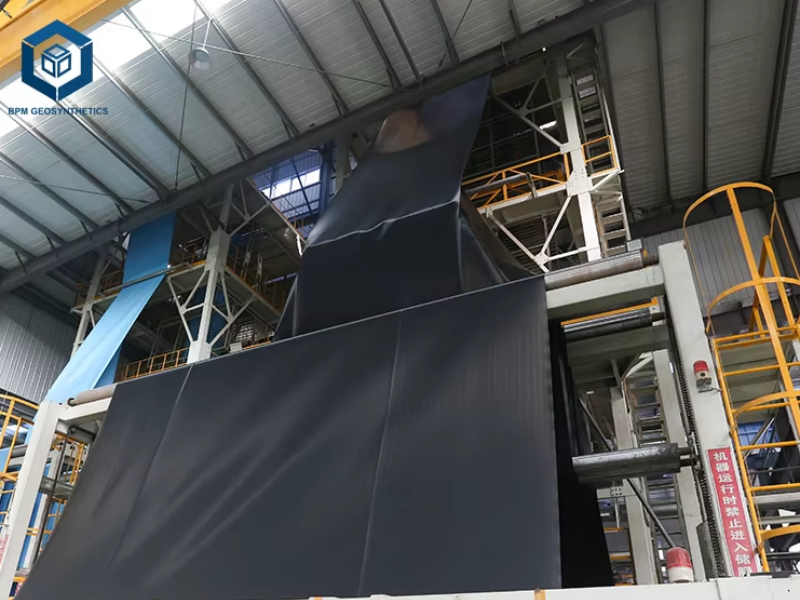
The Best Project Material Co., Ltd (BPM Geosynthetics) manufactures high-performance HDPE geomembrane sheets specifically engineered for dam, reservoir, and water containment applications. Produced from virgin polyethylene resin with controlled carbon-black content and antioxidant packages, these liners meet the durability, impermeability, and longevity requirements of professional water infrastructure projects.
Key advantages include:
- Competitive factory-direct HDPE dam liner price typically in the $0.50–$3.50 per square meter range for standard thicknesses, delivering excellent value for both material-only and installed projects.
- Full thickness range from 0.75 mm to 3.0 mm (30–120 mil), covering irrigation reservoirs through high-head and heavy-duty applications.
- Consistent quality supported by ISO 9001 and ISO 14001 management systems and third-party testing capability aligned with GRI-GM13 performance expectations.
- Wide roll widths that minimize seams and material waste on large dam and reservoir surfaces.
- Proven track record in global water resources, hydropower, irrigation, and civil infrastructure projects.
- Technical support for thickness selection, joint detailing, welding parameters, and project-specific recommendations.
- Reliable international supply chain capable of serving both medium and large-volume orders with transparent lead times.
BPM Geosynthetics HDPE dam liners combine proven geomembrane technology with cost-effective manufacturing, delivering an outstanding balance of quality and value for critical waterproofing applications.
For accurate, project-specific HDPE dam liner price quotations based on required thickness, surface finish, total area, and delivery details, contact The Best Project Material Co., Ltd (BPM Geosynthetics). Their sales and technical teams provide transparent pricing, samples, and supporting documentation to ensure successful project outcomes.
9. Conclusion
The HDPE dam liner price in 2026 ranges from approximately $0.50–$3.50 per square meter for material and $2.00–$7.50+ per square meter when fully installed, with thickness, resin quality, order volume, and site conditions serving as the primary cost drivers. HDPE remains the preferred material for permanent dam and reservoir waterproofing because of its impermeability, mechanical strength, chemical resistance, and multi-decade service life. By matching specifications precisely to project needs, leveraging factory-direct pricing, and ensuring proper installation with tested seams, owners and contractors can achieve reliable long-term water retention at optimized cost.
This guide has presented current market data, technical parameters aligned with industry standards, comparison tables, and practical optimization strategies to support informed decision-making. For competitive quotations on high-quality HDPE dam liner materials tailored to your exact requirements, request a detailed proposal from The Best Project Material Co., Ltd (BPM Geosynthetics). Their manufacturing expertise and global supply capability make them a trusted partner for cost-effective, durable dam waterproofing solutions.