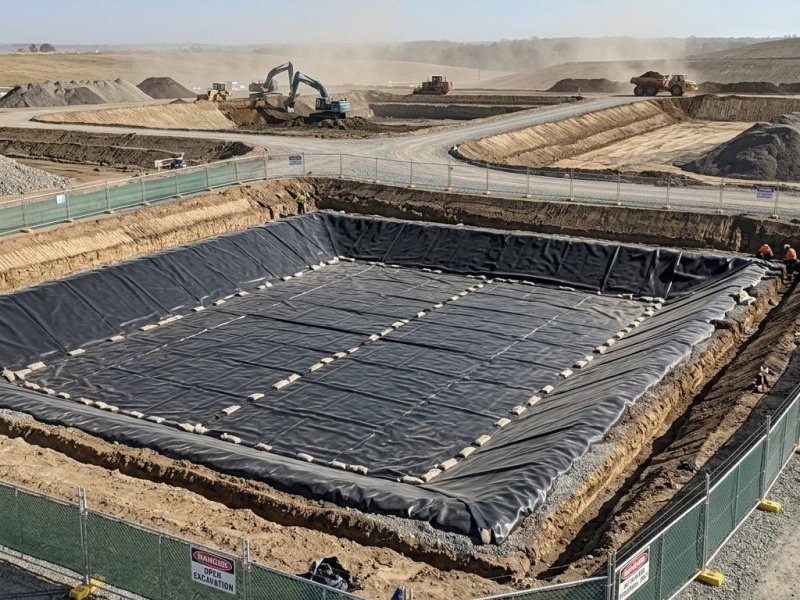
Geomembrane liners are essential impermeable barriers used in landfills, mining operations, aquaculture ponds, water reservoirs, wastewater lagoons, and secondary containment systems. One of the most frequent questions from project managers, engineers, and contractors is the exact geomembrane cost per square foot. Understanding this figure is critical for accurate budgeting, material selection, and total project planning.
As of 2026, the material cost of geomembrane liners typically ranges from $0.28 to $3.00 per square foot, depending on polymer type, thickness, resin quality, surface finish, and order volume. When installation, transportation, subgrade preparation, and quality assurance are included, total installed costs often rise to $0.50–$5.00 per square foot or higher for complex sites. This Ultimate Guide To geomembrane cost per square foot breaks down every major cost driver with current market data, quantifiable examples, and practical recommendations so buyers can make informed decisions and avoid unexpected overruns.
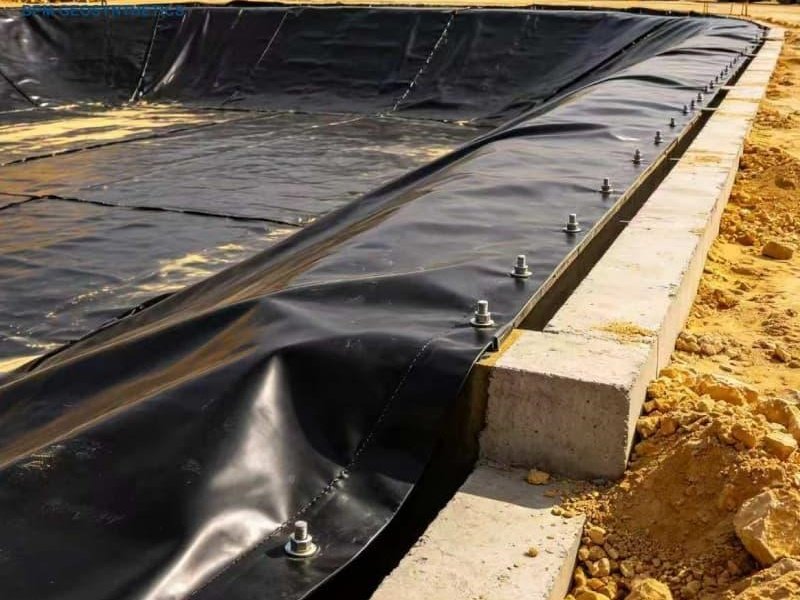
1. What Are Geomembrane Liners and Why Cost Matters
Geomembranes are low-permeability synthetic sheets manufactured primarily from high-density polyethylene (HDPE), linear low-density polyethylene (LLDPE), polyvinyl chloride (PVC), or ethylene propylene diene monomer (EPDM). They prevent the migration of liquids and gases, protecting soil, groundwater, and the surrounding environment.
Typical performance specifications include:
- Thickness: 0.5–3.0 mm (20–120 mil)
- Density (HDPE): ≥ 0.940 g/cm³
- Tensile strength: 15–40 kN/m
- Puncture resistance: 200–960 N
- Design life: 20–100+ years when properly installed and covered
Because geomembranes form the primary containment barrier, under-specifying thickness or quality to save money often leads to higher lifetime costs through repairs, environmental fines, or early replacement. Conversely, over-specifying can inflate budgets unnecessarily. Accurate knowledge of geomembrane cost per square foot enables optimized selection.
2. Current Geomembrane Cost per Square Foot Ranges (2026)
Material-only prices (ex-works or FOB factory) in 2026 generally fall within the following ranges. These figures exclude freight, installation, and taxes.
Thickness | HDPE (USD/sq ft) | LLDPE (USD/sq ft) | PVC (USD/sq ft) | Typical Applications |
0.5 mm (20 mil) | $0.28 – $1.00 | $0.40 – $1.20 | $0.50 – $1.20 | Aquaculture, temporary covers |
0.75 mm (30 mil) | $0.45 – $1.40 | $0.55 – $1.50 | $0.60 – $1.40 | Irrigation ponds, secondary containment |
1.0 mm (40 mil) | $0.60 – $1.80 | $0.70 – $1.90 | $0.70 – $1.70 | Reservoirs, canals |
1.5 mm (60 mil) | $0.90 – $2.50 | $1.00 – $2.60 | $0.90 – $2.20 | Landfill liners, mining, wastewater |
2.0 mm (80 mil) | $1.30 – $3.00 | $1.40 – $3.20 | — | Hazardous waste, high-stress sites |
2.5–3.0 mm | $1.80 – $3.50+ | — | — | Extreme chemical or mechanical loads |
Notes on conversion: 1 square meter ≈ 10.76 square feet. Factory prices quoted in $/m² convert roughly as follows: $1.00/m² ≈ $0.093/sq ft. Large-volume orders (>50,000 sq ft) commonly receive 10–25 % discounts.
Installed system costs (material + deployment + welding + testing + basic protection) typically add 30–60 % to the material price, bringing total installed figures to approximately $0.50–$5.00 per square foot depending on site complexity.
3. Key Factors That Determine Geomembrane Cost per Square Foot
3.1 Material Type
- HDPE: Most widely used and cost-effective for large projects. Excellent chemical resistance, high tensile strength, and long design life (50–100+ years buried). Price range $0.28–$3.00/sq ft.
- LLDPE: Greater flexibility and puncture resistance on irregular subgrades. Slightly higher cost than comparable HDPE in many markets ($0.40–$2.60/sq ft). Preferred for ponds with complex contours.
- PVC: Highly flexible and easy to weld, but lower UV resistance and shorter lifespan (15–25 years). Cost $0.50–$2.20/sq ft; often used for smaller or temporary applications.
- EPDM: Superior flexibility and UV performance for exposed decorative ponds or roofing. Highest material cost among common options ($0.75–$2.50/sq ft).
HDPE dominates landfill, mining, and large water-containment projects because its total cost of ownership is usually lowest over 30–50 years.
3.2 Thickness
Thickness is the single largest driver of material cost. Each incremental 0.5 mm roughly increases resin consumption and price by 30–60 %. Thicker liners deliver higher puncture resistance (e.g., 1.5 mm ≥ 480 N vs. 0.75 mm ≥ 240 N per GRI-GM13) and greater durability under heavy loads or rocky subgrades. Selecting the minimum thickness that satisfies design and regulatory requirements is the most effective way to control geomembrane cost per square foot.
3.3 Project Size and Economies of Scale
- Small projects (<10,000 sq ft): Higher unit prices ($1.00–$3.00/sq ft) due to fixed setup, cutting, and logistics costs.
- Medium projects (10,000–50,000 sq ft): Moderate unit prices.
- Large projects (>50,000–100,000+ sq ft): Unit prices often drop 15–30 % through bulk resin purchasing, continuous production runs, and optimized container loading.
Custom shapes or non-standard roll dimensions can add 10–25 % to material cost because of increased scrap and handling.
3.4 Surface Finish (Smooth vs. Textured)
Smooth geomembranes are the baseline cost. Textured surfaces (single- or double-sided) improve interface friction on slopes and typically add 10–20 % to the material price. Conductive layers for spark testing add a further premium.
3.5 Raw Material Quality (Virgin vs. Recycled)
Virgin HDPE resin produces liners that meet or exceed GRI-GM13 standards, deliver consistent mechanical properties, and achieve design lives of 50–100+ years. Recycled-content liners are 15–40 % cheaper initially but often exhibit lower stress-crack resistance, poorer carbon-black dispersion, and service lives of only 5–15 years. For critical containment, virgin resin is almost always the lower lifetime-cost choice.
3.6 Installation Labor and Site Conditions
Installation commonly accounts for 20–50 % of total project cost. Key variables include:
- Skilled welding crews using hot-wedge and extrusion equipment
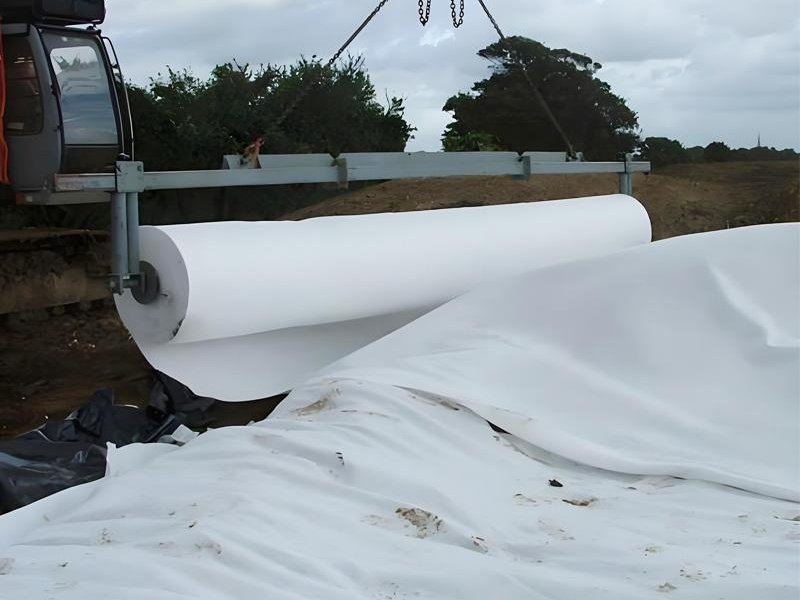
- Subgrade preparation (rock removal, compaction to 90–95 % Proctor, geotextile cushion)
- Slope steepness (steeper slopes increase labor time 40–100 %)
- Weather and access constraints
- Quality-assurance testing (air-channel, vacuum-box, destructive peel/shear)
Labor rates vary widely by region ($10–$20/hour in many Asian markets vs. $30–$50/hour in North America and Europe).
3.7 Transportation and Logistics
Geomembrane rolls are bulky and heavy. Freight can add $0.05–$0.40 per square foot depending on distance, container utilization, and inland haulage. Manufacturers located near major ports or resin sources (such as BPM Geosynthetics) often offer lower delivered prices for international buyers.
3.8 Lifetime and Maintenance Costs
High-quality virgin HDPE liners require minimal maintenance—primarily periodic visual inspection. Repair costs for punctures typically range $1,000–$5,000 per incident. A failed liner on a regulated site can trigger environmental remediation and fines far exceeding the original material savings from choosing a lower-grade product.
4. Example Project Cost Calculations
Example 1 – 1-Acre Aquaculture Pond (≈43,560 sq ft)
Material: 0.75 mm (30 mil) smooth HDPE
Material cost: $0.60–$1.20/sq ft → $26,000–$52,000
Installation + geotextile + testing: add 40 % → Total installed ≈ $36,000–$73,000
Unit installed cost: ≈ $0.85–$1.70/sq ft
Example 2 – 100,000 sq ft Landfill Cell
Material: 1.5 mm (60 mil) smooth or textured HDPE
Material cost: $1.00–$2.00/sq ft → $100,000–$200,000
Installation + CQA + protection: add 35–50 % → Total installed ≈ $135,000–$300,000
Unit installed cost: ≈ $1.35–$3.00/sq ft
These examples illustrate why thickness selection and volume discounts have such a large impact on final geomembrane cost per square foot.

5. How to Optimize Geomembrane Cost per Square Foot
- Specify the minimum thickness that meets design, regulatory, and chemical-resistance requirements.
- Choose virgin-resin HDPE for critical long-term applications; reserve lower-cost options for temporary or low-risk uses.
- Maximize order volume to unlock bulk pricing.
- Prefer wider rolls (7–8 m) to reduce field seams and labor.
- Prepare the subgrade thoroughly to minimize the need for heavy geotextile protection or thicker liner.
- Engage experienced installation crews and implement a robust CQA program to avoid costly rework.
- Request multiple quotations that clearly separate material, freight, and installation components.
6. Why Source from The Best Project Material Co., Ltd (BPM Geosynthetics)
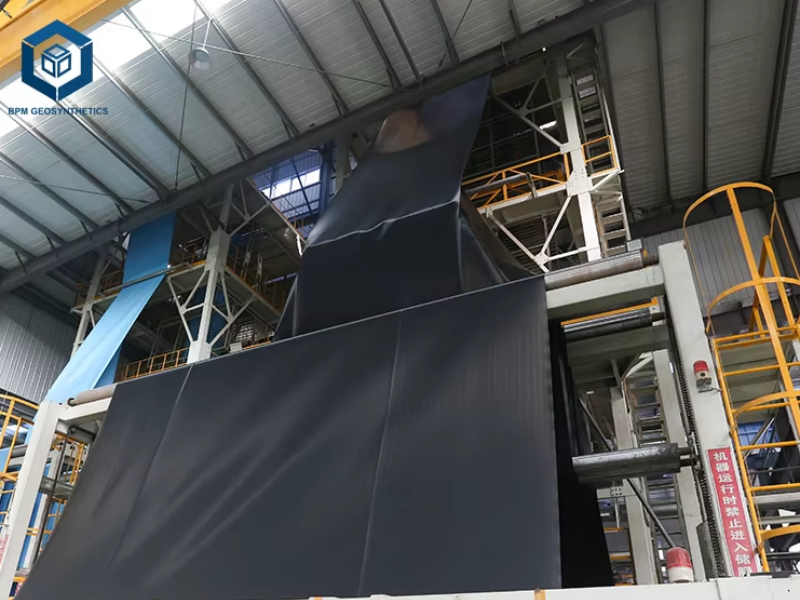
The Best Project Material Co., Ltd (BPM Geosynthetics) manufactures virgin-resin HDPE and LLDPE geomembranes that meet GRI-GM13 and related international standards. Their product range covers thicknesses from 0.5 mm to 3.0 mm in both smooth and textured finishes, with roll widths up to 8 m that significantly reduce seam length and installation time.
BPM Geosynthetics offers competitive factory-direct pricing, consistent quality control, full third-party test documentation, and technical support for welding parameters and installation best practices. Clients benefit from transparent quotations that break down material cost per square foot, freight, and optional installation guidance. For projects ranging from small aquaculture ponds to large landfill and mining cells, BPM provides reliable performance at optimized total cost of ownership.
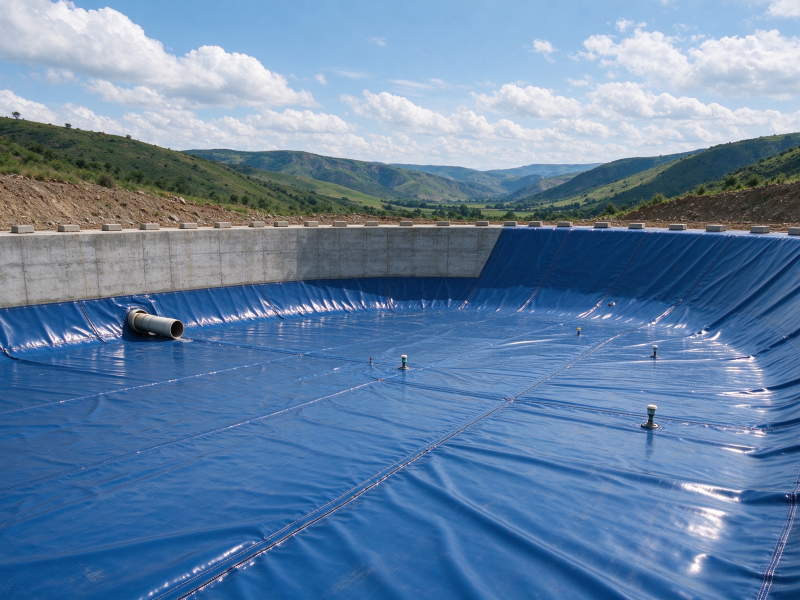
7. Conclusion
Geomembrane cost per square foot in 2026 ranges from approximately $0.28 to $3.00 for material alone and $0.50 to $5.00+ when fully installed, depending primarily on thickness, polymer type, resin quality, project scale, and site conditions. Thickness and virgin-resin quality exert the strongest influence on both initial price and long-term value. By matching specification to actual project risk, leveraging volume discounts, and selecting experienced suppliers and installers, owners can achieve reliable containment performance at the lowest practical life-cycle cost.
For a precise quotation tailored to your project dimensions, thickness requirements, surface finish, and delivery location, contact The Best Project Material Co., Ltd (BPM Geosynthetics). Their team will provide current pricing, technical data sheets, and recommendations to help you budget accurately and execute a successful installation.