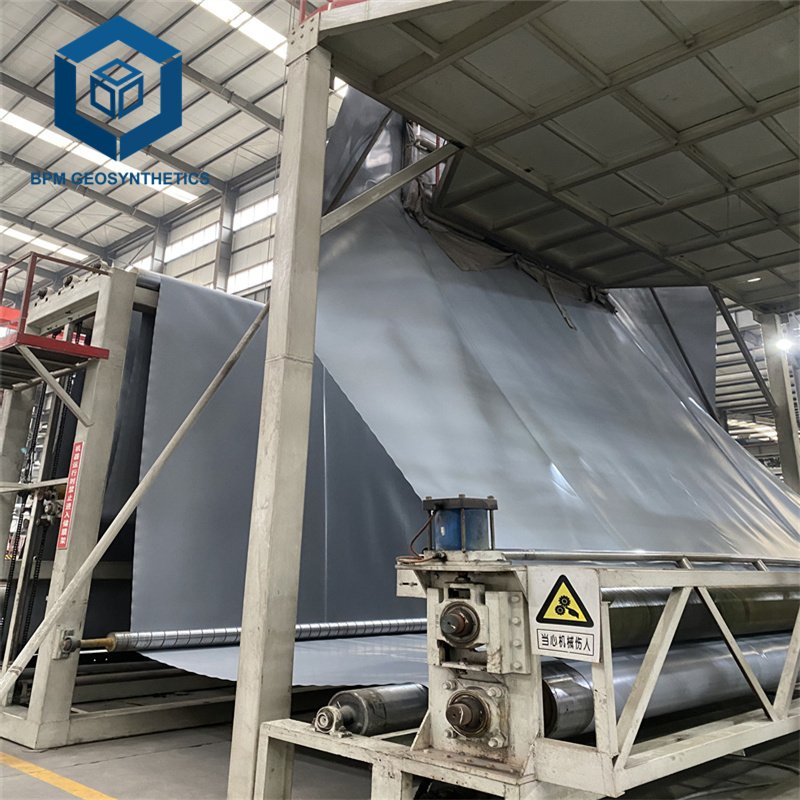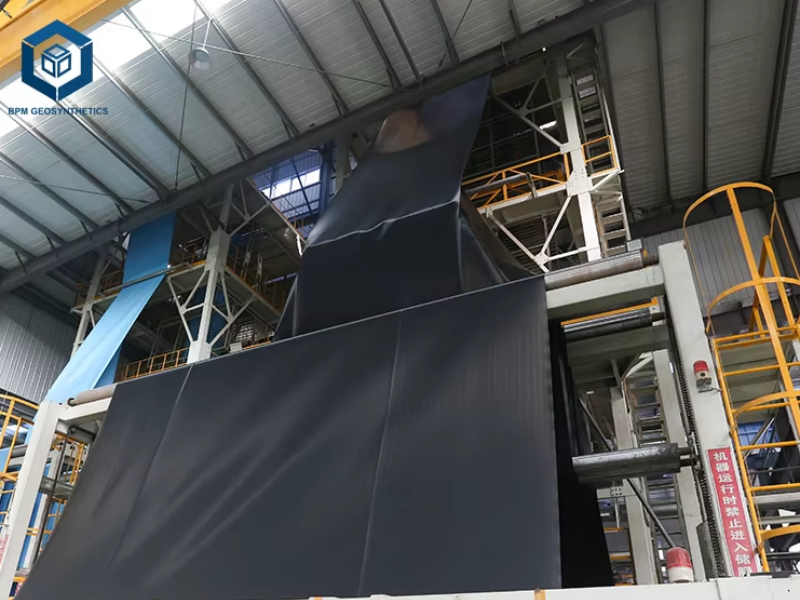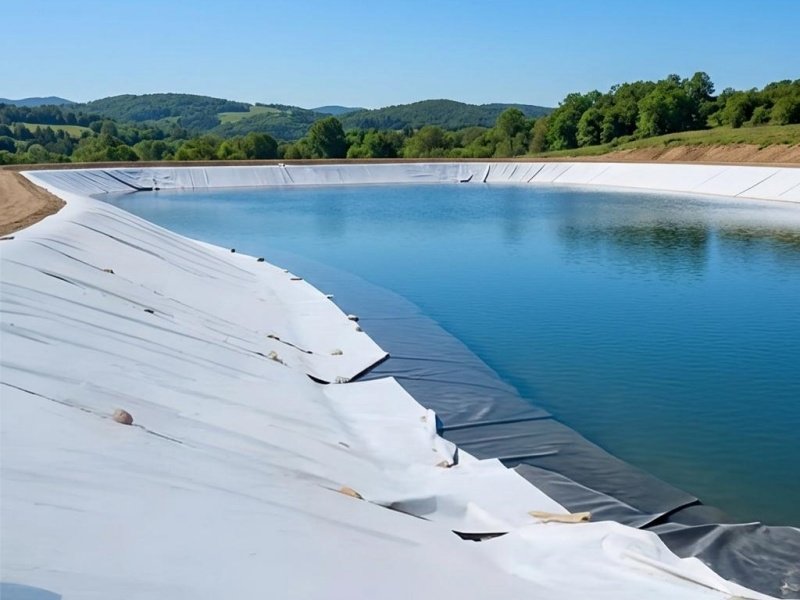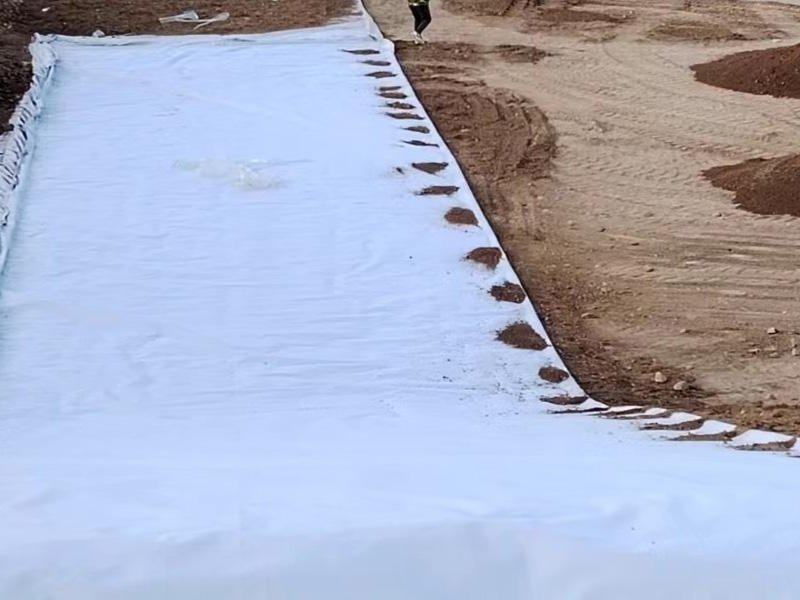
Geotextiles are permeable geosynthetic fabrics essential for separation, filtration, drainage, reinforcement, and protection in civil engineering, road construction, drainage systems, erosion control, landfills, and landscaping projects. Manufactured primarily from polypropylene (PP) or polyester (PET) in woven or non-woven forms, these materials improve soil stability, manage water flow, and extend the service life of infrastructure.
The global geosynthetics market continues to grow, driven by infrastructure investment, environmental regulations, and demand for cost-effective soil solutions. One of the most common questions from engineers, contractors, project managers, and procurement specialists is: What is the geotextile price per square meter? Understanding the full cost structure is critical for accurate budgeting and selecting the right product for long-term performance.
In 2025–2026, geotextile material prices typically range from approximately $0.20 to $5.00 per square meter, with most standard non-woven products falling between $0.20 and $2.50 per square meter and woven products often between $0.30 and $3.00 per square meter or higher for high-strength grades. Installation, transportation, and site preparation can add 20–50% or more to the total project cost. This complete guide systematically analyzes geotextile price per square meter from a manufacturer’s and project perspective, providing detailed specifications, quantifiable data, and practical advice.
As a professional geosynthetics manufacturer and supplier, The Best Project Material Co., Ltd (BPM Geosynthetics) produces high-quality non-woven and woven geotextiles that meet international standards. This guide helps you evaluate cost drivers and obtain competitive, project-specific quotations.
1. What Are Geotextiles?
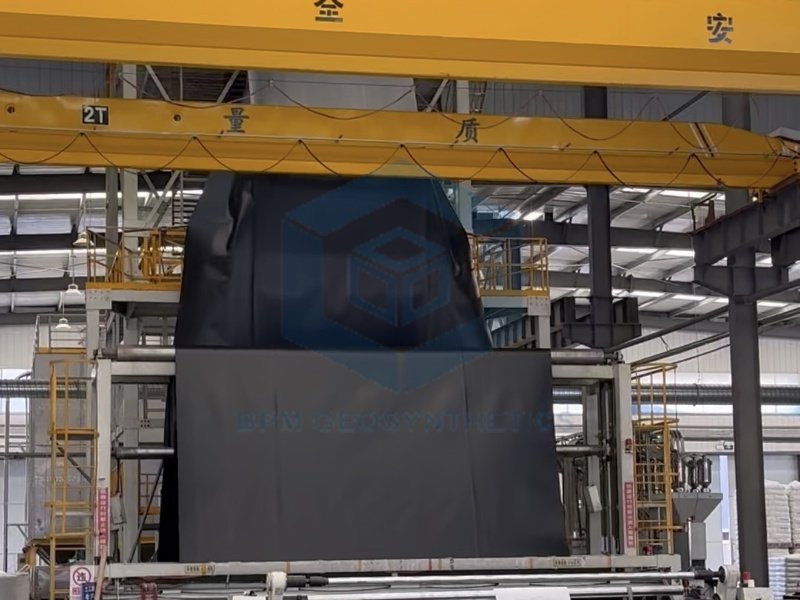
Geotextiles are permeable textiles specifically designed for use in contact with soil, rock, or other geotechnical materials. They are produced in two primary constructions:
- Non-woven geotextiles: Manufactured by needle-punching or heat-bonding staple or continuous fibers. They excel in filtration, drainage, and separation due to high permittivity and three-dimensional structure.
- Woven geotextiles: Produced by weaving yarns or slit films. They provide higher tensile strength and are preferred for reinforcement and heavy-duty separation under load.
Key specifications that influence both performance and price include:
- Mass per unit area (weight): commonly 100–800 g/m² or higher (approximately 3–24 oz/yd²).
- Tensile strength: typically 5–100 kN/m or more depending on type and weight (ASTM D4595 or D4632).
- CBR puncture resistance: often 500–6,000 N or higher (ASTM D6241).
- Permittivity and water flow rate: critical for hydraulic applications (ASTM D4491).
- Apparent opening size (AOS): determines filtration capability (ASTM D4751).
- Expected service life: 20–50+ years in buried applications for quality synthetic products.
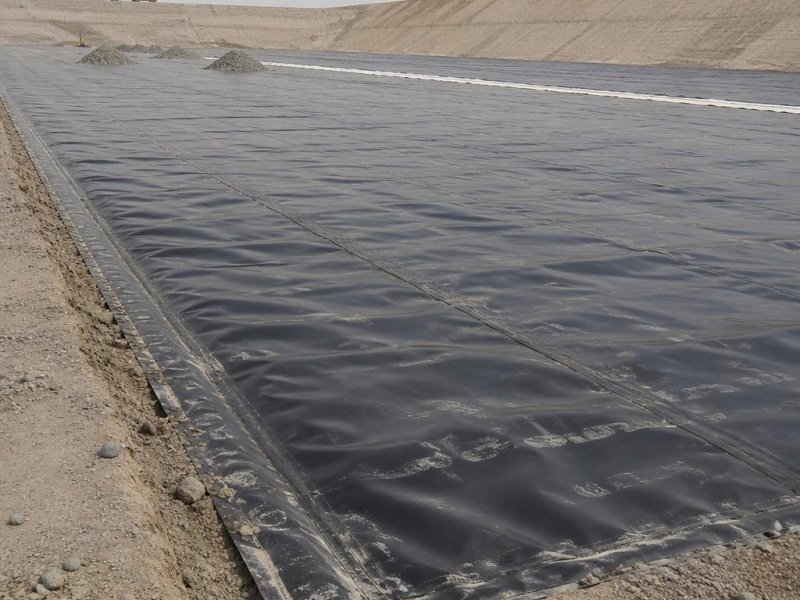
Primary applications include road and railway subgrades, French and trench drains, erosion control, landfill filtration and cushion layers, retaining structures, and landscaping. Proper selection based on function and site conditions ensures optimal performance and cost efficiency.
2. How Much Does Geotextile Cost Per Square Meter?
Geotextile material prices in 2025–2026 commonly range from $0.20 to $5.00 per square meter, excluding installation and accessories. Lightweight non-woven fabrics for filtration often fall at the lower end, while high-strength woven or heavyweight non-woven products for reinforcement command higher prices. Total installed costs are higher once labor, overlaps, underlayment (if used), and logistics are included. The following subsections break down the primary cost drivers with current market data.
2.1 Geotextile Price Per Square Meter – Material Type
Polymer selection significantly affects both unit price and long-term value.
Polypropylene (PP)
- Typical material price range: $0.20–$2.00 per square meter for most non-woven grades; woven often $0.50–$2.50 per square meter.
- Key properties: Excellent chemical resistance (stable across a wide pH range), good UV stability when properly formulated, density approximately 0.90–0.91 g/cm³, tensile strength commonly 10–50 kN/m or higher.
- Primary applications: Drainage, filtration, separation in roads, and general civil works (dominant market share for these functions).
- Advantages: Cost-effective, widely available, and suitable for most buried applications with service life often 20–50 years.
- Example: Standard 150–300 g/m² non-woven PP is frequently selected for French drains and light road separation due to its balance of performance and price.
Polyester (PET)
- Typical material price range: $0.30–$3.00 per square meter.
- Key properties: Higher tensile strength and modulus in many grades (often 30–100 kN/m or more), better UV resistance in some formulations, but potential sensitivity to highly alkaline environments.
- Primary applications: Reinforcement in embankments, retaining structures, and high-load road projects.
- Advantages: Superior creep resistance and strength for structural roles; service life frequently 25–60 years in suitable conditions.
- Example: High-tenacity woven PET is preferred where long-term load-bearing capacity is critical.
Other Materials
- Natural fibers (jute, coir): Typically $0.10–$0.50 per square meter; biodegradable and suitable for temporary erosion control (service life often 2–5 years).
- Recycled-content products: Often 10–30% lower in initial price but generally shorter service life and reduced mechanical performance; suitable only for non-critical applications.
PP non-woven products dominate volume applications because of their favorable cost-to-performance ratio.
2.2 Geotextile Price Per Square Meter – Fabric Type (Non-Woven vs. Woven)
Construction method is a major cost differentiator.
Non-Woven Geotextiles
- Typical price range: $0.20–$2.50 per square meter.
- Lightweight (100–200 g/m²): often $0.20–$0.80 per square meter.
- Medium (200–400 g/m²): commonly $0.40–$1.50 per square meter.
- Heavyweight (400–800 g/m²): $0.80–$2.50 per square meter or higher.
- Advantages: High water flow rates, excellent filtration, good conformability, and lower manufacturing complexity. Ideal for drainage, filtration, and light-to-medium separation.
- Market share: Frequently 55–65% of filtration and drainage applications.
Woven Geotextiles
- Typical price range: $0.30–$3.00+ per square meter.
- Standard grades: often $0.50–$2.00 per square meter.
- High-strength grades: $1.50–$3.00+ per square meter.
- Advantages: Higher tensile strength and modulus for reinforcement and heavy separation under traffic or structural loads.
- Applications: Road subgrades, embankments, and areas requiring load distribution.
Non-woven fabrics are generally 20–40% less expensive than comparable woven products due to simpler production processes.
2.3 Geotextile Price Per Square Meter – Weight (GSM)
Mass per unit area is one of the strongest direct cost drivers because it determines fiber consumption and mechanical capacity.
Approximate bulk price relationships:
- 100–200 g/m² (lightweight): $0.20–$0.80 per square meter — filtration, landscaping, light drainage, weed control.
- 200–400 g/m² (medium): $0.40–$1.50 per square meter — road separation, trench drains, moderate traffic areas.
- 400–800 g/m² (heavy): $0.80–$3.00 per square meter — landfill cushions, heavy drainage, reinforcement under high loads.
- Above 800 g/m²: Higher ranges for specialized high-puncture or protection applications.
Each increase of approximately 100 g/m² typically adds $0.10–$0.50 per square meter depending on type and market conditions. Selecting the minimum weight that meets design requirements is one of the most effective ways to control cost while ensuring performance.
2.4 Geotextile Price Per Square Meter – Project Size and Scale
Economies of scale have a clear impact on unit pricing.
- Small projects (under 5,000–10,000 m²): Higher per-square-meter prices due to setup, custom cutting, and limited volume leverage.
- Medium to large projects (10,000+ m²): Lower unit costs through bulk production, continuous runs, and reduced overhead. Volume discounts of 10–30% are common compared with small orders.
- Custom widths or special lengths: Can add 5–15% due to production adjustments and potential waste.
Large infrastructure projects benefit most from scale efficiencies.
2.5 Geotextile Price Per Square Meter – Installation Method and Labor
Although separate from the fabric unit price, installation significantly affects total project cost and often accounts for 20–50% of the overall budget.
- Simple placement and overlapping: Lower labor intensity.
- Securing with pins, trenches, or ballast: Adds time and material.
- Site conditions: Uneven terrain, remote access, or the need for extensive subgrade preparation increase costs.
- Labor rates: Vary by region; skilled crews reduce the risk of damage and ensure proper overlap and placement.
Proper installation maximizes the service life of the geotextile and protects the overall investment.
2.6 Geotextile Price Per Square Meter – Raw Material Quality
Resin or fiber quality directly influences both initial price and lifetime performance.
- Virgin PP or PET: Higher initial cost but superior mechanical properties, durability, and consistency. Preferred for permanent installations.
- Recycled content: Lower initial price but generally reduced strength, UV resistance, and longevity. Suitable mainly for temporary or non-critical uses.
- Additives: UV stabilizers and other performance enhancers add a modest percentage to cost while extending service life in exposed or semi-exposed conditions.
Certified products meeting ASTM, AASHTO M288, or equivalent standards reduce the risk of premature failure and associated remediation costs.
2.7 Transportation, Logistics, and Lifetime Costs
Logistics costs depend on distance, mode of transport, packaging, and order volume. Shipping can add 5–20% or more to delivered price depending on destination. Manufacturers with efficient production locations and established logistics networks help control this component.
Lifetime costs must also be considered. High-quality geotextiles typically require minimal maintenance beyond inspection. Premature failure of lower-grade products can lead to repair or replacement expenses that far exceed any initial savings. Service life differences of 10–30 years or more between quality virgin products and lower-grade alternatives make lifetime cost evaluation essential.
3. Additional Factors Influencing Geotextile Price Per Square Meter
Other variables include roll width (wider rolls can reduce seams and installation labor), required testing and certifications, surface treatments, currency and resin market fluctuations, and local regulatory requirements. Specialty products such as geotextile tubes or composites command higher prices due to specialized manufacturing.
4. How to Select the Right Geotextile and Optimize Cost
- Define the primary function (filtration, separation, drainage, reinforcement, or protection) and site conditions (soil type, loads, hydraulics, exposure).
- Select the appropriate type (non-woven or woven) and the minimum weight that still meets performance requirements.
- Prioritize virgin-fiber products with relevant test data for permanent installations.
- Request bulk or project-volume pricing and compare delivered cost rather than unit price alone.
- Factor installation ease, overlaps, and long-term performance into the total cost of ownership.
- Work with experienced manufacturers that provide technical support, consistent quality, and complete documentation.
A properly specified geotextile reduces aggregate requirements, lowers maintenance, and extends infrastructure life, delivering strong overall value.
For accurate, project-specific pricing on non-woven and woven geotextiles, contact The Best Project Material Co., Ltd (BPM Geosynthetics). Provide details of project area, required functions, preferred weight or strength, and delivery location to receive a tailored quotation and full technical support.
Conclusion
Complete Guide To Geotextile Price Per Square Meter shows that material prices in 2025–2026 typically range from approximately $0.20 to $5.00 per square meter, driven primarily by fabric type (non-woven vs. woven), weight (g/m²), polymer (PP vs. PET), project scale, and quality. Non-woven PP products often provide the most economical solution for filtration and drainage, while woven or heavier grades are selected for reinforcement under load. Installation and logistics add to the total project cost.
By carefully matching specifications to project needs, prioritizing certified virgin-fiber products, leveraging volume efficiencies, and partnering with reliable manufacturers, buyers can achieve dependable performance at the lowest reasonable lifetime cost. Properly selected and installed geotextiles improve soil stability, manage water effectively, and protect infrastructure investments for decades.
For current pricing, technical data sheets, and customized recommendations, contact The Best Project Material Co., Ltd (BPM Geosynthetics) today. Share your project requirements to receive a detailed quotation and expert assistance.