Geomembrane liners are essential impermeable barriers used in landfills, mining operations, water reservoirs, irrigation canals, wastewater treatment, aquaculture, and secondary containment systems. As global infrastructure investment and environmental regulations continue to expand, understanding geomembrane liner cost has become a critical part of project budgeting and material selection.
This complete guide provides a detailed, data-driven analysis of geomembrane liner cost in 2026. It examines typical price ranges by material type and thickness, the key factors that influence pricing, comparisons across common polymers, and practical strategies for optimizing total project cost. All quotations and technical support should be directed to The Best Project Material Co., Ltd. (BPM Geosynthetics).

What Is a Geomembrane Liner?
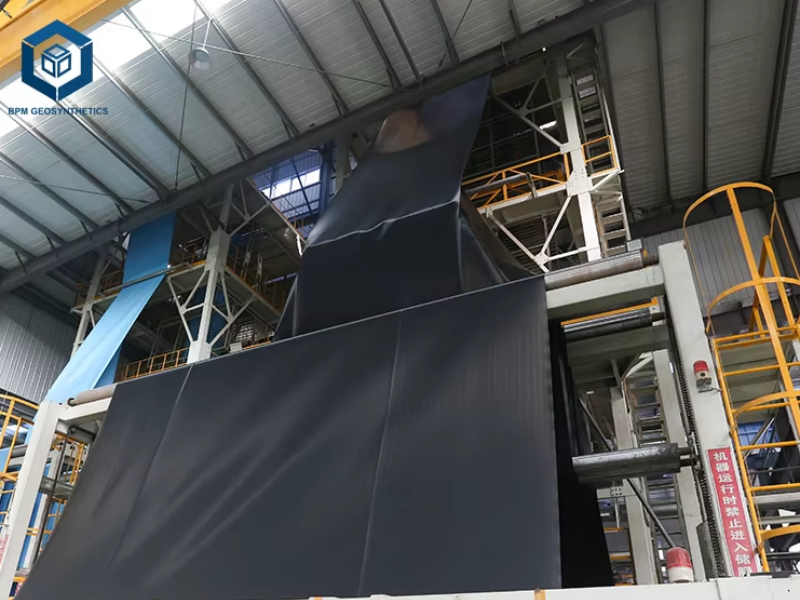
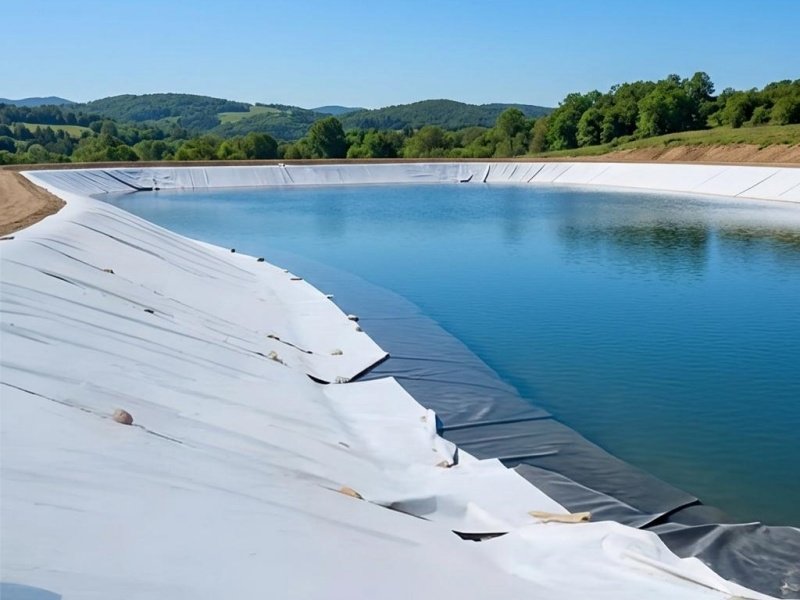
A geomembrane liner is a low-permeability synthetic membrane designed to control the migration of fluids, gases, or contaminants. Manufactured primarily from high-density polyethylene (HDPE), linear low-density polyethylene (LLDPE), polyvinyl chloride (PVC), or ethylene propylene diene monomer (EPDM), these liners typically achieve hydraulic conductivity of ≤1 × 10⁻¹¹ cm/s. When properly installed, they can reduce seepage by more than 95% compared with traditional compacted clay barriers.
Common applications include:
- Landfill base liners and final covers
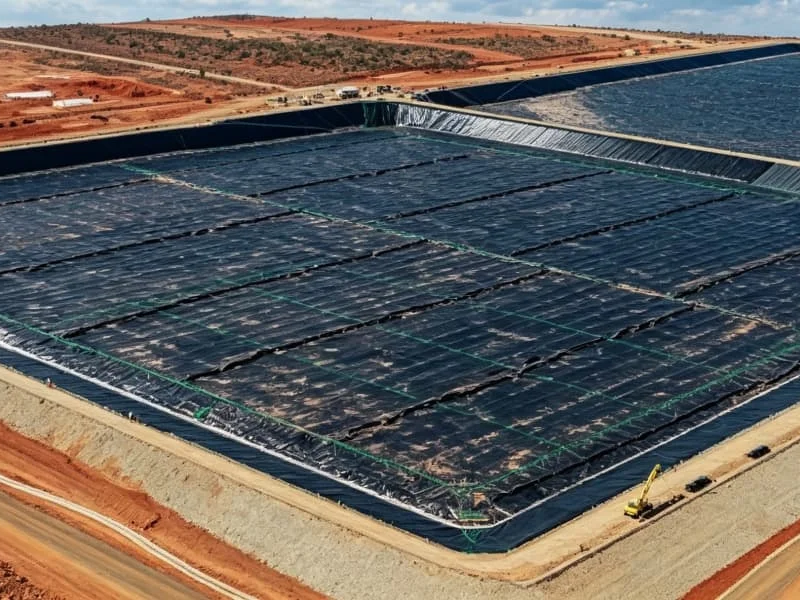
- Mining heap-leach pads and tailings facilities
- Water storage reservoirs and irrigation canals
- Wastewater lagoons and treatment ponds
- Aquaculture and agricultural ponds
- Industrial secondary containment
Key performance parameters that influence both cost and suitability include thickness (0.5–3.0 mm), tensile strength, puncture resistance, carbon black content (for UV stability), and compliance with standards such as GRI-GM13 for HDPE.
Types of Geomembrane Liners and Their Cost Implications
Different polymers offer distinct balances of performance and price:
- HDPE Geomembrane: Highest chemical resistance and long-term durability. Typical price range $0.90–$3.50+/m² depending on thickness. Dominant choice for landfills and mining.
- LLDPE Geomembrane: Greater flexibility and multiaxial elongation. Price range approximately $1.00–$3.00/m². Preferred for soft subgrades and high-settlement sites.
- PVC Geomembrane: High conformability and ease of handling. Price range $1.50–$3.00/m². Common for decorative ponds and complex geometry.
- EPDM Geomembrane: Excellent flexibility and UV resistance. Price range $2.00–$4.00+/m². Used in natural ponds and some exposed applications.
- Composite Geomembranes: Geomembrane bonded to geotextile for enhanced puncture protection. Price range $2.50–$5.00+/m².
HDPE continues to hold the largest market share for permanent, high-performance containment due to its proven multi-decade service life when meeting GRI-GM13.
Key Factors Influencing Geomembrane Liner Cost
1. Material Type
The polymer selected has a major impact on both unit price and lifecycle cost. Virgin HDPE resin commands a higher initial price than recycled material but delivers superior stress-crack resistance, chemical durability, and service life (often 50–100 years under cover). Recycled-content liners may appear cheaper but frequently fail earlier, increasing total ownership cost.
2. Thickness
Thickness is the most direct cost driver. Each additional 0.5 mm of material typically increases price by 20–40% because of higher resin consumption. Common ranges and approximate material prices (2026 market estimates) include:
Thickness | Approximate Price Range (USD/m²) | Typical Applications |
0.5 mm (20 mil) | $0.50 – $1.50 | Small ponds, temporary containment |
0.75 mm (30 mil) | $0.80 – $1.80 | Agricultural ponds, secondary canals |
1.0 mm (40 mil) | $1.10 – $2.20 | Medium reservoirs, aquaculture |
1.5 mm (60 mil) | $1.50 – $2.80 | Landfills, mining ponds, wastewater |
2.0 mm (80 mil) | $2.00 – $3.50 | Heavy mining, hazardous waste |
2.5–3.0 mm | $2.80 – $4.50+ | Extreme or specialized containment |
3. Surface Finish
Smooth geomembranes form the price baseline. Textured (single- or double-sided) surfaces, which improve interface friction on slopes, typically add 10–35% to the material cost.
4. Order Quantity and Project Scale
Larger projects benefit from economies of scale. Orders exceeding 10,000–50,000 m² often receive 10–20% lower unit prices compared with small quantities. Custom fabrication or non-standard dimensions can increase costs by 10–25%.
5. Quality Standards and Certifications
Material meeting GRI-GM13 (or equivalent) with full test reports, proper carbon black dispersion, and adequate oxidative induction time (OIT) carries a modest premium. This premium is justified by reduced risk of premature failure and lower long-term maintenance or remediation costs.
6. Installation and Ancillary Costs
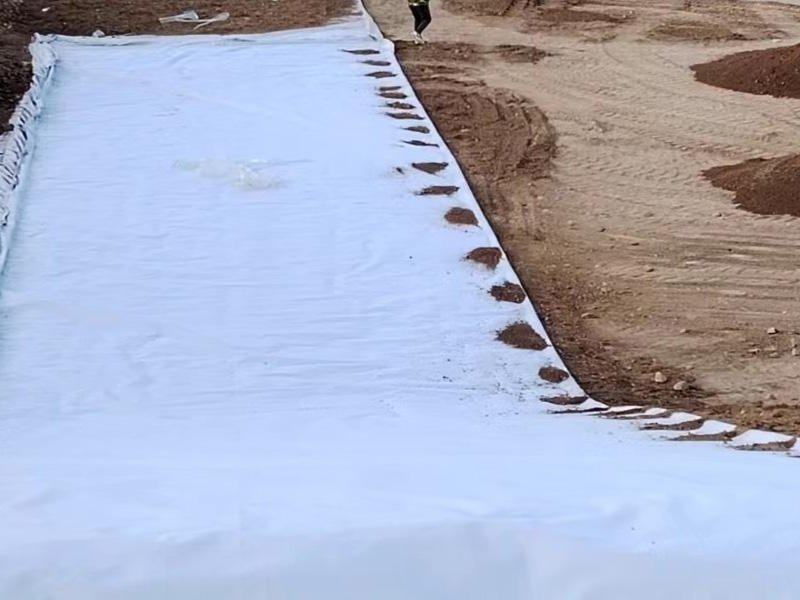
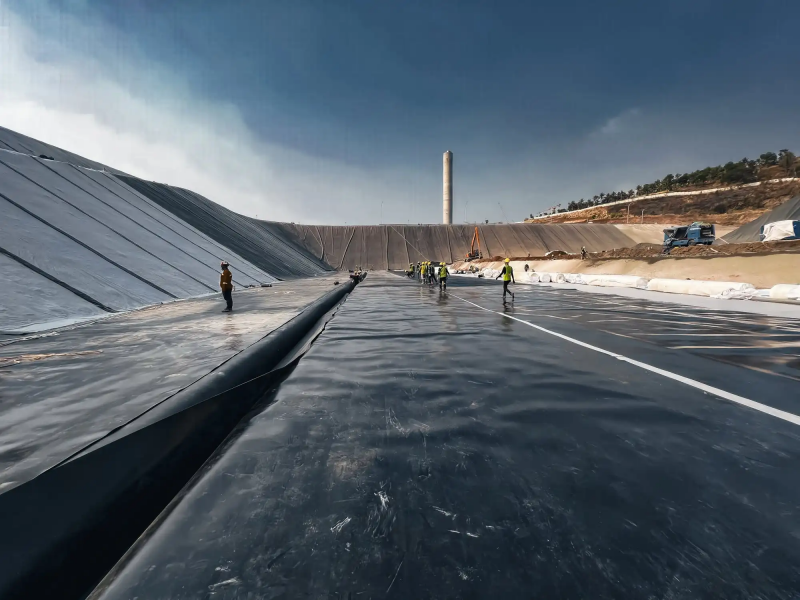
Material price is only part of the total project cost. Installation, including subgrade preparation, geotextile cushion, skilled welding, non-destructive and destructive testing, and placement of the protection layer, commonly adds 20–50% (or more) to the material cost. Remote sites, difficult terrain, or stringent CQA requirements further increase installed cost.
7. Transportation and Logistics
Freight can add $0.10–$0.40/m² or more depending on distance, roll size, and destination. Wide rolls reduce field seams but may affect shipping economics.
Comparison Tables
Core Cost and Performance Comparison by Material
Material Type | Typical Price Range (USD/m²) | Service Life (Covered) | Chemical Resistance | Flexibility | Primary Applications |
HDPE | $0.90 – $3.50+ | 50–100 years | Excellent | Moderate | Landfills, mining, reservoirs |
LLDPE | $1.00 – $3.00 | 20–50 years | Very Good | High | Soft subgrades, high settlement |
PVC | $1.50 – $3.00 | 10–25 years | Moderate | Very High | Decorative ponds, complex geometry |
EPDM | $2.00 – $4.00+ | 20–40 years | Good | Excellent | Natural ponds, some exposed uses |
Composite | $2.50 – $5.00+ | 40–80 years | Excellent (HDPE core) | Moderate | Difficult subgrades |
Broader Comparison Including Commercial Attributes
Supplier / Category | Core Parameters Focus | Approximate Market Role | Major Client Types | Key Certifications / Standards |
BPM Geosynthetics | Full thickness range, value, support | Competitive international supplier | Landfills, mining, ponds, canals | GRI-GM13 alignment, ISO 9001, CE |
Premium International Brands | Highest consistency & global capacity | Large regulated projects | Major EPC & government | GRI-GM13, extensive third-party |
Regional Specialists | Local service & mid-range performance | Regional containment projects | Local contractors & authorities | ASTM / national standards |
Value / Light-Duty Suppliers | Lowest unit price | Temporary or non-critical applications | Small ponds & temporary works | Manufacturer specifications |
How to Optimize Geomembrane Liner Cost
- Match thickness and material precisely to the application — avoid both under-specification and over-specification.
- Prioritize virgin resin and recognized standards (GRI-GM13) for permanent or regulated projects.
- Request quotations based on clear technical specifications rather than generic “geomembrane” pricing.
- Evaluate total installed cost, including geotextile, welding, testing, and protection layers.
- Consider wider rolls to reduce the number of field seams and associated testing costs.
- Plan installation carefully; high-quality material that welds consistently can lower overall project cost.
- Obtain multiple competitive quotations from qualified manufacturers.
BPM Geosynthetics Advantages (The Best Project Material Co., Ltd.)
The Best Project Material Co., Ltd. (BPM Geosynthetics) manufactures a full range of smooth and textured HDPE geomembranes designed to deliver consistent quality at competitive prices. Key advantages include:
- Thickness options from 0.5 mm to 3.0 mm covering light-duty to heavy containment applications.
- Formulations aligned with GRI-GM13 expectations (density ≥0.940 g/cm³, appropriate carbon black and OIT values).
- Wide roll formats that help reduce field seams and installation costs.
- Competitive pricing supported by efficient production and ISO 9001 quality systems.
- Technical support for material selection, welding parameters, and project-specific recommendations.
- Ability to supply complementary geotextiles for complete liner systems.
For accurate, project-specific quotations on geomembrane liners, contact The Best Project Material Co., Ltd. (BPM Geosynthetics). Provide details of thickness, surface finish, quantity, destination, and any special requirements to receive a tailored proposal.
Conclusion
Geomembrane liner cost in 2026 typically ranges from approximately $0.50/m² for thin light-duty grades to $3.50/m² or higher for heavy-duty 2.0–3.0 mm HDPE, with installed system costs substantially higher. The primary cost drivers are thickness, resin quality, surface finish, order volume, certifications, and logistics.
The lowest unit price is rarely the best long-term value. Virgin-resin, properly certified HDPE geomembrane that is correctly specified and professionally installed delivers the lowest lifecycle cost and the highest reliability for critical containment applications.
For detailed quotations, technical data sheets, or assistance in selecting the optimal geomembrane liner for your project, contact The Best Project Material Co., Ltd. (BPM Geosynthetics). Their team can provide competitive pricing and practical guidance to help achieve durable, cost-effective containment performance.