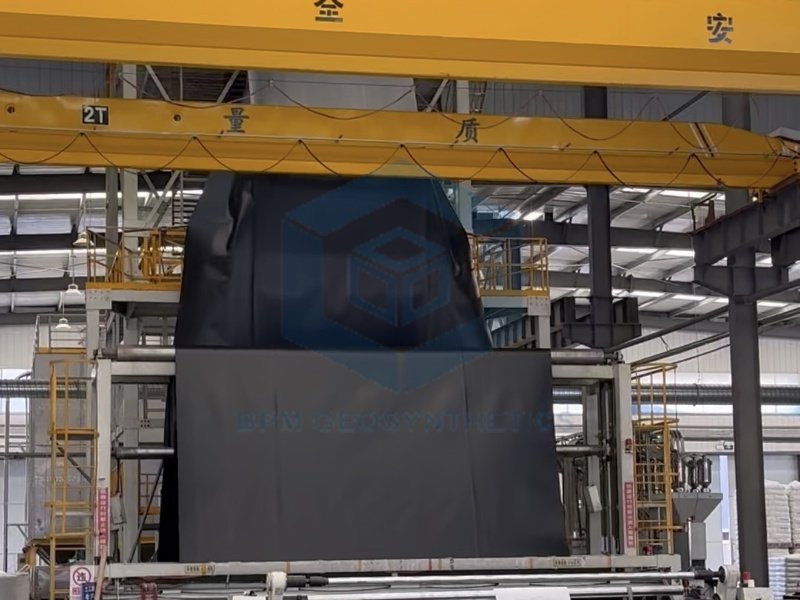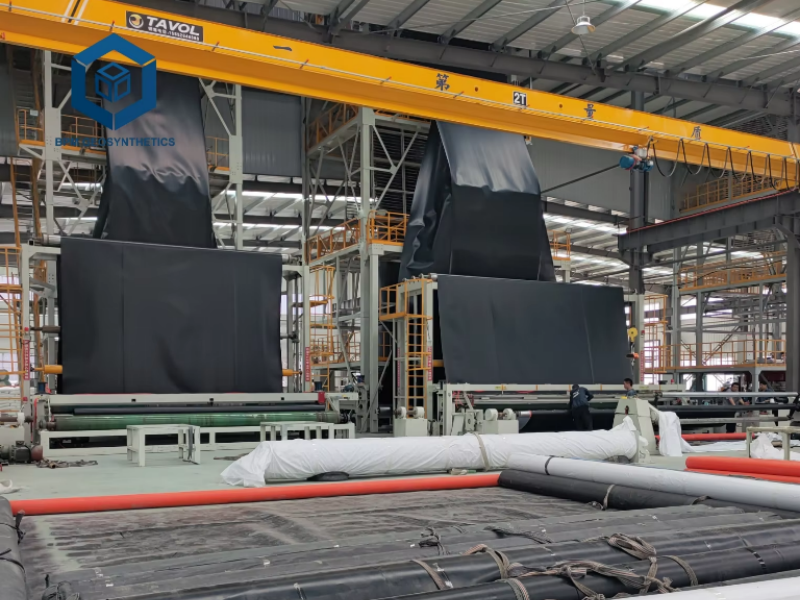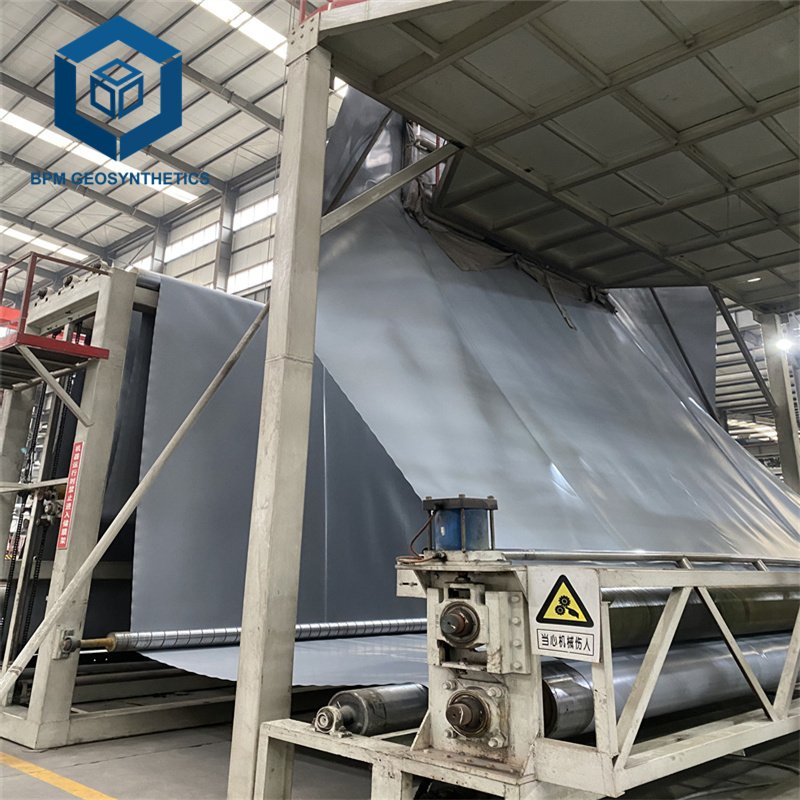
The term “geotextile membrane” is frequently used in the market, yet it can create confusion. Strictly speaking, geotextiles are permeable fabrics used for separation, filtration, drainage, and protection, while geomembranes are impermeable polymeric barriers used for containment. Many buyers searching for “geotextile membrane price” are actually seeking cost information for either non-woven geotextiles or HDPE geomembranes (or both). This guide clarifies the distinction and provides detailed 2026 pricing for both product families so that engineers, contractors, and procurement teams can budget accurately.
This complete guide examines what a geotextile membrane price typically means in practice, covering non-woven geotextile costs by GSM and HDPE geomembrane costs by thickness. It includes the key factors that drive pricing, comparison tables, and practical advice for obtaining the best value. All quotations for both geotextiles and geomembranes should be directed to The Best Project Material Co., Ltd. (BPM Geosynthetics).
Clarifying the Terminology: Geotextile vs Geomembrane
- Geotextile: A permeable synthetic fabric (usually polypropylene or polyester). Non-woven types are needle-punched or thermally bonded and are used for filtration, separation, drainage, and as cushion layers protecting geomembranes.
- Geomembrane: An impermeable polymeric sheet (most commonly HDPE). Used as a barrier to prevent fluid migration in landfills, reservoirs, canals, mining facilities, and ponds.
- “Geotextile membrane”: A non-standard phrase that often appears in search queries. Buyers using this term may need either a geotextile, a geomembrane, or a composite system (geomembrane + geotextile).
Understanding which product is required is the first step in obtaining an accurate price.
Typical Non-Woven Geotextile Price Ranges in 2026
Non-woven geotextile prices are driven primarily by mass per unit area (GSM). Approximate bulk/ex-factory ranges for standard needle-punched products are:
Mass per Unit Area (GSM) | Approximate Price Range (USD per m²) | Typical Applications |
100–150 g/m² | $0.15 – $0.45 | Light filtration, landscaping, temporary use |
200–250 g/m² | $0.25 – $0.60 | Road separation, drainage, general filtration |
300–400 g/m² | $0.50 – $1.20 | Subgrade separation, landfill protection |
500–600 g/m² | $0.90 – $1.80 | Heavy-duty protection, high-load separation |
700–1000+ g/m² | $1.40 – $3.00+ | Extreme protection layers |
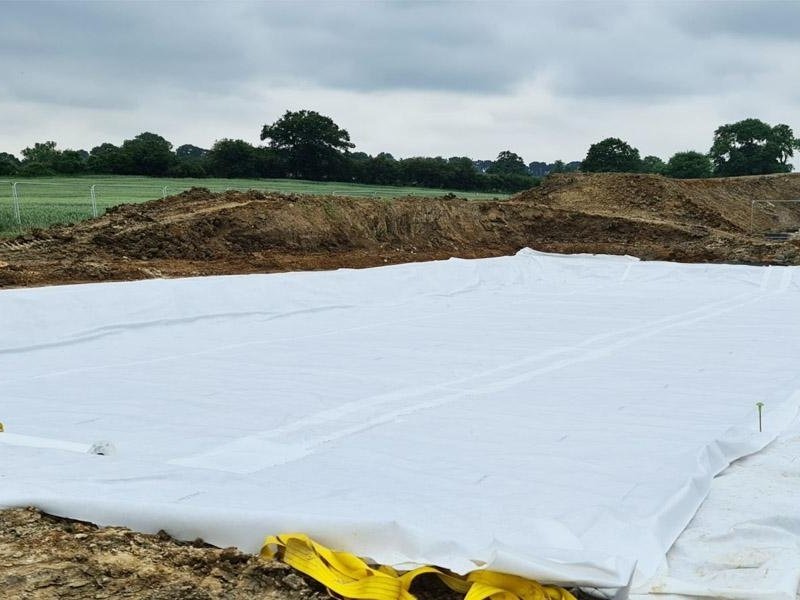
Typical HDPE Geomembrane (Membrane) Price Ranges in 2026
When buyers mean an impermeable liner, the relevant product is HDPE geomembrane. Approximate material-only price ranges are:
Thickness | Approximate Price Range (USD per m²) | Typical Applications |
0.5 mm (20 mil) | $0.50 – $1.50 | Small ponds, temporary containment |
0.75–1.0 mm | $0.80 – $2.20 | Agricultural ponds, canals, medium reservoirs |
1.5 mm (60 mil) | $1.50 – $2.80 | Landfills, mining ponds, wastewater |
2.0 mm (80 mil) | $2.00 – $3.50 | Heavy mining, hazardous waste |
2.5–3.0 mm | $2.50 – $4.50+ | Extreme or specialized containment |
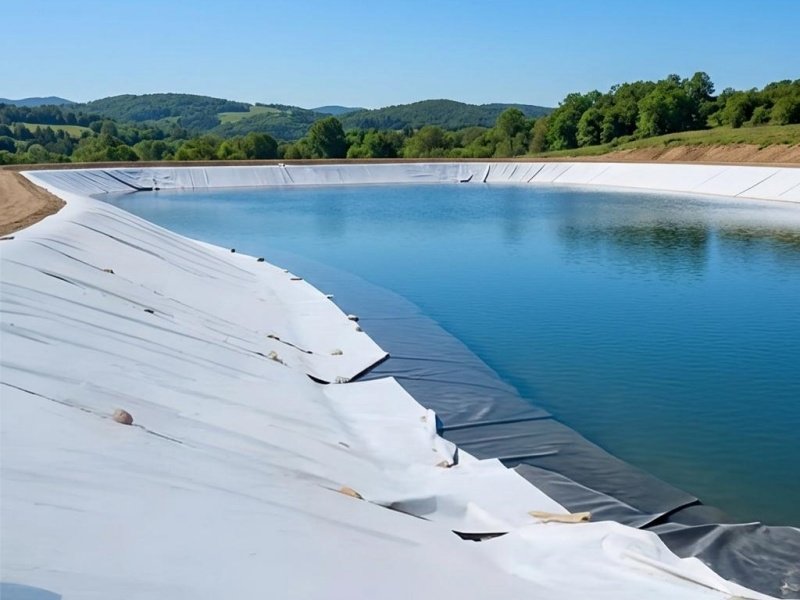
Installed system costs for geomembranes (including geotextile cushion, welding, and testing) are typically 1.5–3 times the material price.
Key Factors Influencing Geotextile and Geomembrane Prices
1. Product Type and Specification
- Geotextile price rises with GSM and polymer quality.
- Geomembrane price rises with thickness, virgin vs. recycled resin, and smooth vs. textured surface.
2. Raw Material Quality
Virgin polymer commands a higher price than recycled content but delivers superior long-term performance. For permanent containment, virgin HDPE meeting GRI-GM13 is strongly recommended.
3. Order Quantity
Bulk orders (typically >10,000 m²) frequently receive 15–30% lower unit prices compared with small quantities.
4. Surface Finish and Additives (Geomembranes)
Textured geomembranes cost 10–35% more than smooth. Carbon black and antioxidant packages add a modest premium but are essential for durability.
5. Transportation and Logistics
Freight can add $0.10–$0.40 per m² or more depending on destination and product density.
6. Installation and Ancillary Costs
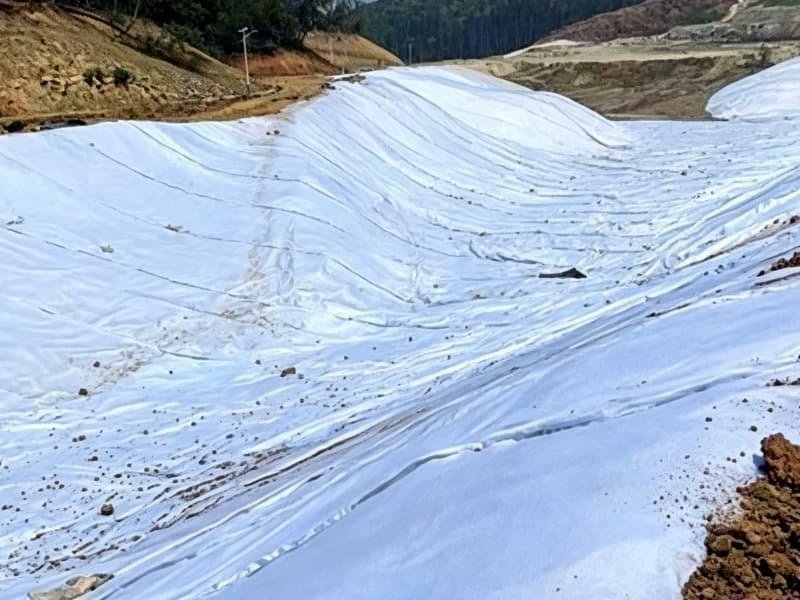
For geotextiles, installation is relatively straightforward. For geomembranes, welding, testing, geotextile cushion, and protection layers significantly increase total project cost.
Comparison Tables
Core Price Comparison: Non-Woven Geotextile vs HDPE Geomembrane
Product Category | Key Specification | Approx. Price (USD/m²) | Primary Function | Typical Service Life |
Non-woven Geotextile | 200–400 g/m² | $0.25 – $1.20 | Separation, filtration, protection | 10–30+ years |
Non-woven Geotextile | 500–800 g/m² | $0.90 – $2.00 | Heavy protection | 15–30+ years |
HDPE Geomembrane | 1.0 mm | $1.10 – $2.20 | Impermeable barrier | 30–50+ years |
HDPE Geomembrane | 1.5–2.0 mm | $1.50 – $3.50 | Critical containment | 50–100 years |
Broader Comparison Including Commercial Attributes
Supplier / Category | Core Strengths | Approximate Market Role | Major Client Types | Key Certifications / Standards |
BPM Geosynthetics | Both geotextiles & HDPE geomembranes | One-stop geosynthetics supplier | Landfills, mining, roads, ponds | ISO 9001, GRI-GM13 alignment, CE |
Premium International Brands | Highest consistency & global capacity | Large regulated projects | Major EPC & government | Extensive third-party certification |
Regional Manufacturers | Local service & mid-range pricing | Regional civil and environmental work | Local contractors & authorities | National / ASTM standards |
Value Suppliers | Lowest unit price | Temporary or non-critical applications | Small drainage & landscaping | Basic manufacturer specifications |
How to Obtain the Correct Price for Your Project
- Clearly identify whether you need a permeable geotextile, an impermeable geomembrane, or a composite system.
- Specify the critical parameters: GSM for geotextiles; thickness and surface finish for geomembranes.
- State the required polymer quality (virgin preferred for permanent works) and any certification needs.
- Provide approximate quantity and destination to receive accurate freight-inclusive quotations.
- Evaluate total installed cost, not only material unit price.
- Request technical data sheets and sample test reports.
BPM Geosynthetics Advantages (The Best Project Material Co., Ltd.)
The Best Project Material Co., Ltd. (BPM Geosynthetics) manufactures both non-woven geotextiles and HDPE geomembranes, enabling single-source supply for many projects. Key advantages include:
- Competitive pricing across common geotextile GSM ranges and HDPE thicknesses.
- Consistent quality supported by ISO 9001 management systems.
- Ability to supply geotextile cushion layers together with HDPE geomembranes for complete liner systems.
- Technical support for material selection, specification, and installation guidance.
- Experience serving international projects in landfills, mining, water resources, and civil engineering.
For accurate quotations on non-woven geotextiles, HDPE geomembranes, or combined systems, contact The Best Project Material Co., Ltd. (BPM Geosynthetics). Provide details of the required product type, specification, quantity, and destination to receive a tailored proposal.
Conclusion
When people search for “geotextile membrane price,” they may need either a non-woven geotextile (typically $0.15–$3.00 per m² depending on GSM) or an HDPE geomembrane (typically $0.50–$3.50+ per m² depending on thickness). Clarifying the exact product required is the essential first step.
Non-woven geotextiles excel in filtration, separation, and protection roles, while HDPE geomembranes provide the impermeable barrier needed for containment. Selecting the correct product and appropriate specification delivers the best balance of performance and cost.
For detailed quotations, technical data sheets, or assistance in choosing between geotextiles and geomembranes, contact The Best Project Material Co., Ltd. (BPM Geosynthetics). Their team can provide competitive pricing and practical guidance to help achieve reliable, cost-effective geosynthetic solutions.