Introduction
A garden pond can transform an outdoor space into a peaceful and attractive environment. Whether it is designed for ornamental fish, aquatic plants, or landscape decoration, a well-built pond requires a reliable waterproofing system to maintain water quality and prevent leakage. Without proper protection, water may gradually seep into the surrounding soil, increasing maintenance costs and affecting the pond’s overall performance.
Geomembranes have become a popular solution for garden pond construction because they provide an effective waterproof barrier, offer excellent flexibility, and adapt to different pond shapes and sizes. Compared with traditional waterproofing methods, geomembrane liners can simplify installation and provide long-term protection when properly selected and installed.
This case study explores the main advantages of geomembranes for garden ponds and explains how they contribute to durable, cost-effective, and environmentally responsible pond construction.
1. Excellent Waterproofing Performance
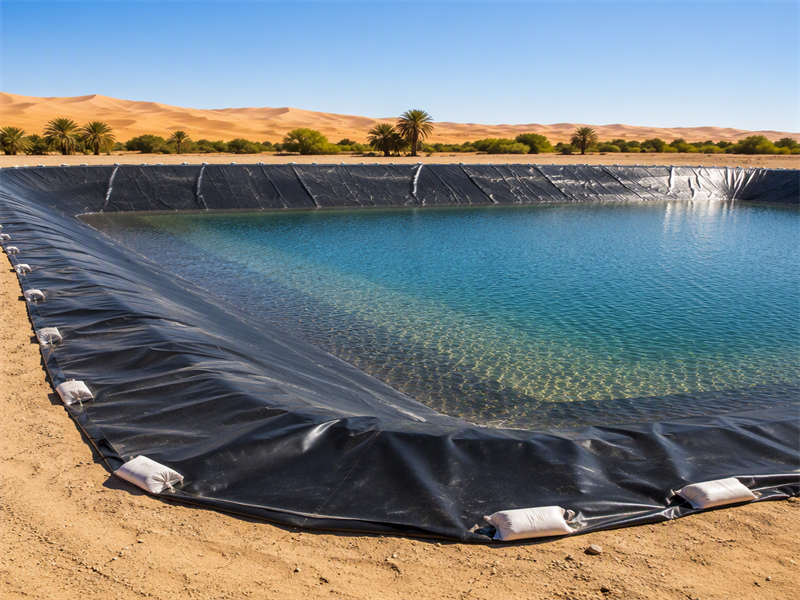
One of the most important advantages of geomembranes is their ability to prevent water loss. Made from materials such as high-density polyethylene (HDPE) and linear low-density polyethylene (LLDPE), geomembrane liners are designed to provide a low-permeability barrier between pond water and the surrounding ground.
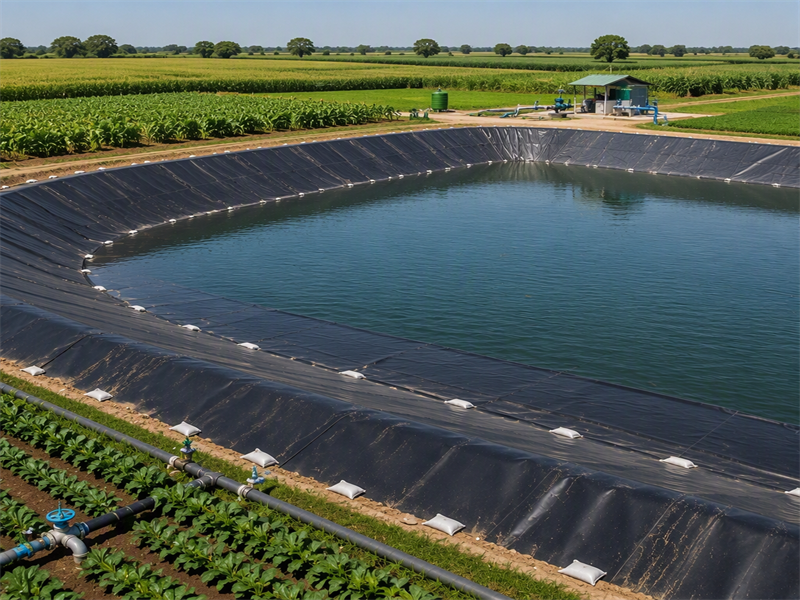
In garden pond applications, this waterproof layer helps maintain a stable water level while reducing the need for frequent refilling. It is particularly useful in areas with sandy, gravelly, or highly permeable soil, where natural ground conditions may not retain water effectively.
By reducing seepage, geomembranes also help protect nearby soil and landscaping from unwanted water migration.
2. Flexibility for Different Pond Designs
Garden ponds vary significantly in shape, depth, and size. Some feature simple rectangular layouts, while others include curved edges, planting shelves, shallow zones, and irregular contours.
Flexible geomembrane materials can accommodate many of these design requirements. LLDPE and flexible PVC liners are often considered for projects that require greater conformability, while HDPE is suitable for applications where chemical resistance and durability are priorities.
With appropriate design and installation, a geomembrane liner can follow the pond’s contours and create a continuous waterproofing system. This flexibility allows homeowners, landscape designers, and contractors to develop customized pond layouts without relying entirely on rigid prefabricated structures.
3. Long-Term Durability and Weather Resistance
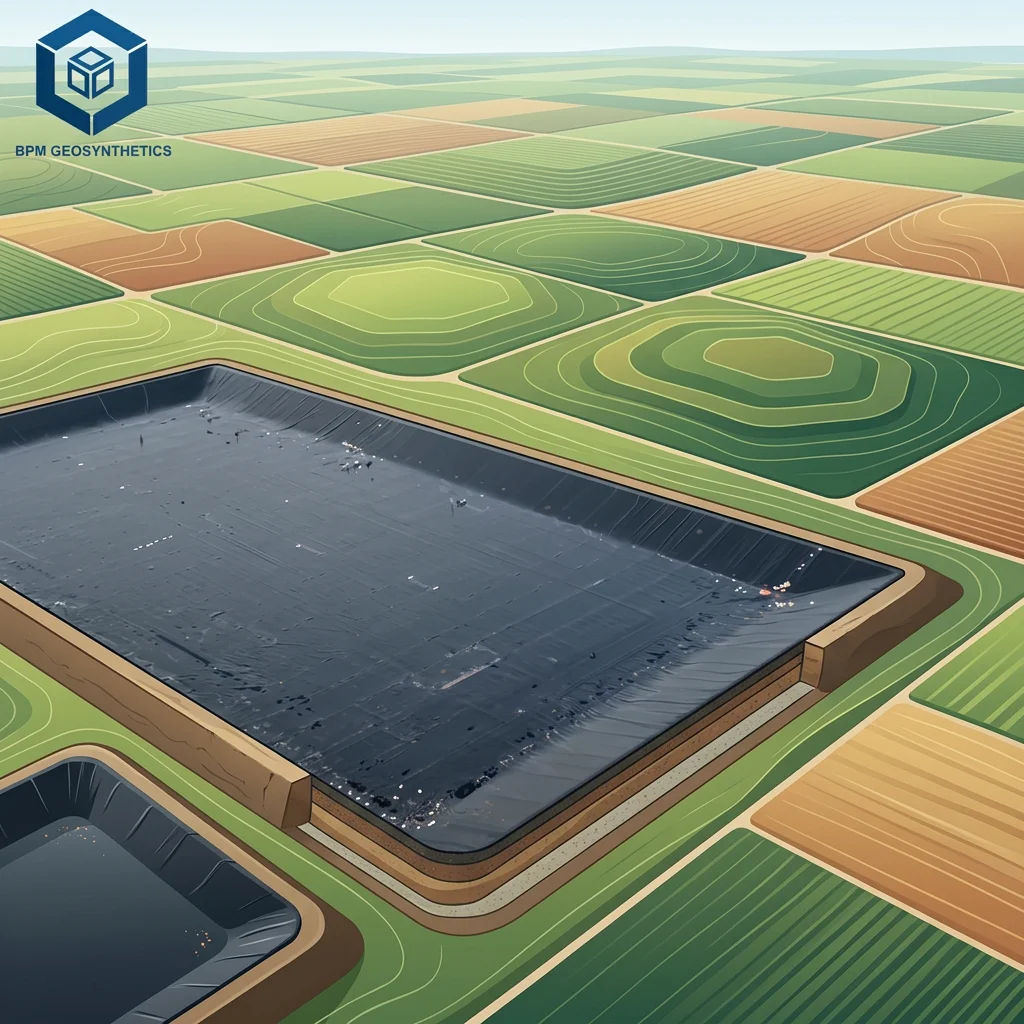
A garden pond liner must withstand changing environmental conditions throughout the year. Temperature fluctuations, moisture exposure, ground movement, and sunlight can all affect the performance of waterproofing materials.
Different geomembranes offer different levels of resistance to these conditions. HDPE is widely recognized for its chemical resistance and durability, while other flexible liner materials may be better suited to installations requiring easier shaping.
The actual service life depends on the material formulation, liner thickness, installation quality, exposure conditions, and maintenance practices.
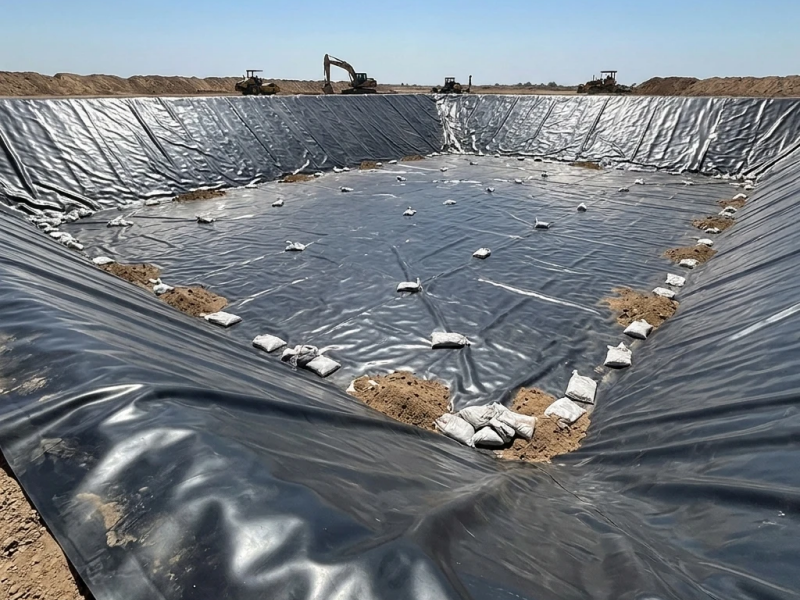
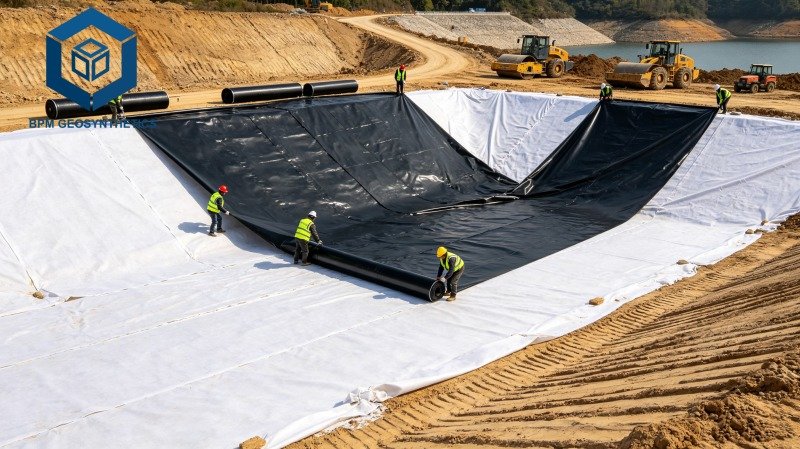
To improve durability, installers should prepare a smooth subgrade, remove sharp stones and roots, and consider a protective geotextile beneath the liner. Covering exposed liner sections where appropriate can also help reduce ultraviolet exposure and accidental damage.
4. Cost-Effective Pond Construction
Geomembranes can provide an economical alternative to concrete waterproofing and other conventional pond construction methods. Their relatively low material weight can simplify transportation and handling, while prefabricated panels or appropriately planned roll layouts may reduce installation time.
Although the initial cost varies according to material type, thickness, project dimensions, and site conditions, the overall project budget should include more than the liner itself. Subgrade preparation, protective layers, seam welding, edge anchoring, and quality inspection are also important considerations.
When these factors are planned correctly, a geomembrane system can help reduce water losses, minimize avoidable repairs, and support lower long-term maintenance costs.
5. Better Protection for Aquatic Environments
Garden ponds may support ornamental fish, aquatic plants, and other forms of aquatic life. A properly selected geomembrane can help separate pond water from the underlying soil, reducing the movement of unwanted substances between the pond and surrounding ground.
However, not every liner is automatically suitable for fish ponds. Material selection should consider the manufacturer’s technical specifications, chemical compatibility, and any relevant aquatic-life safety requirements.
For ponds containing koi or other ornamental fish, it is advisable to select a liner specifically documented as suitable for the intended application. The pond should also be rinsed or conditioned as recommended by the manufacturer before fish are introduced.
Combined with appropriate filtration, water circulation, and routine water-quality monitoring, a suitable geomembrane can contribute to a more stable pond environment.
6. Easy Installation and Maintenance
Compared with some rigid waterproofing systems, geomembrane liners can be easier to transport and position, particularly in small and medium-sized garden ponds. Their flexibility helps installers accommodate irregular pond profiles and integrate the liner with different landscape features.
Nevertheless, proper installation is essential. The ground should be compacted and free of sharp objects, and the liner should be placed without excessive tension or unnecessary folds. Where seams are required, the joining method must match the selected material. For example, compatible HDPE geomembranes are commonly joined by specialized thermal welding.
Regular inspections can help identify punctures, exposed edges, or damage caused by gardening tools and nearby construction activities. Prompt repairs can prevent small defects from becoming larger problems.
7. Comparison of Common Geomembrane Materials
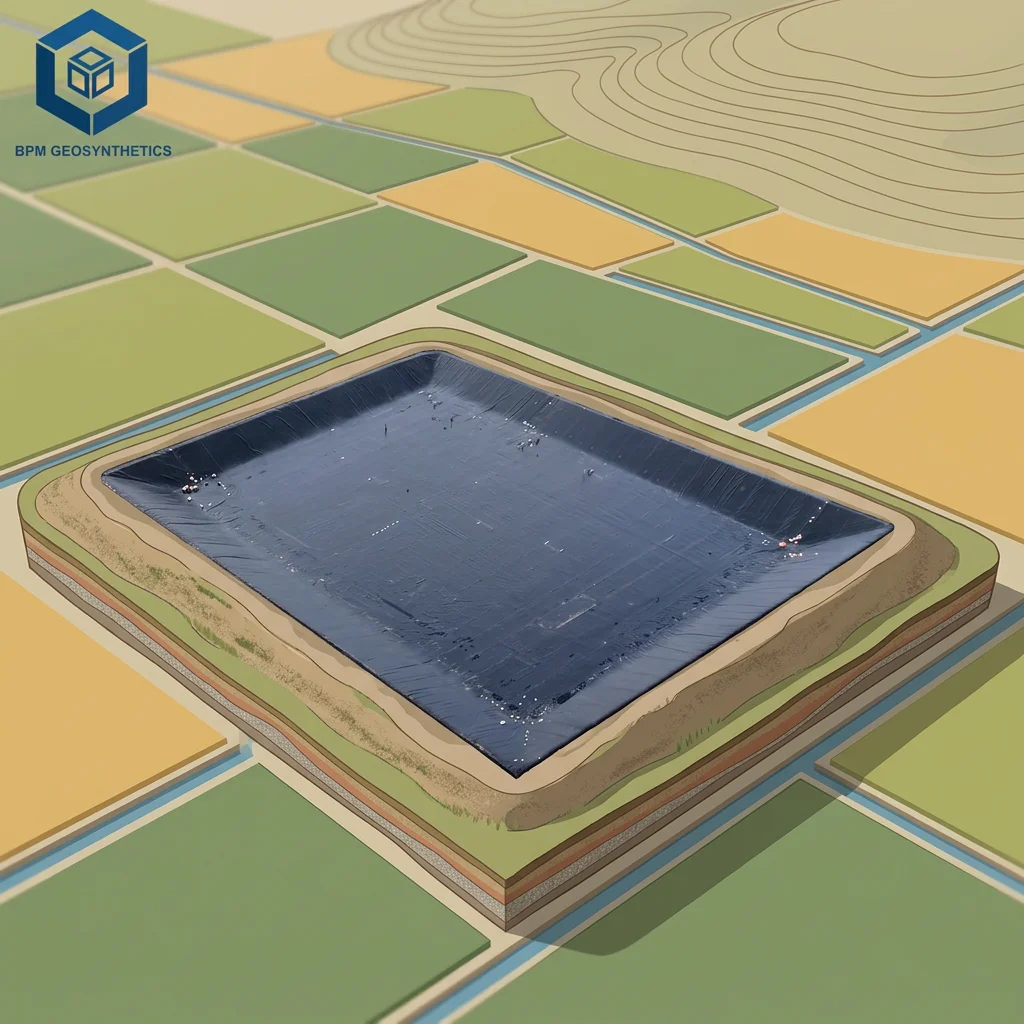
Different geomembrane materials offer different advantages for garden pond projects. The best option depends on pond size, design complexity, environmental conditions, and budget.
Feature | HDPE Geomembrane | LLDPE Geomembrane | Flexible PVC Liner |
Waterproofing | Excellent | Excellent | Excellent |
Flexibility | Moderate | High | High |
Chemical resistance | Generally excellent | Generally very good | Depends on formulation |
Complex pond shapes | Requires careful detailing | Well suited | Well suited |
Seam installation | Commonly thermal welded | Compatible thermal welding methods | Material-specific joining methods |
Main consideration | Can be less conformable in complex layouts | Requires suitable protection and installation | Check formulation, aquatic suitability, and long-term compatibility |
The table provides a general comparison rather than a guarantee of performance. Actual properties depend on product specifications, thickness, formulation, and installation methods.
8. Practical Application: Building a Low-Maintenance Garden Pond
Consider a residential landscaping project that requires a decorative pond with curved edges, planting areas, and a small fish habitat. The site has relatively permeable soil, making natural water retention unreliable.
In this situation, a geomembrane liner can form the pond’s primary waterproofing layer. The contractor first excavates the pond profile, removes sharp materials, and prepares a stable subgrade. A suitable geotextile protection layer is installed where required, followed by the geomembrane liner.
The liner is then positioned carefully, with seams joined using a method compatible with the selected material. The edges are securely anchored, and the system is inspected before the pond is filled.
This construction approach helps reduce seepage while accommodating the pond’s customized shape. With suitable material selection and regular maintenance, the finished pond can provide a dependable foundation for landscaping and aquatic features.
The final performance will depend on site conditions, installation workmanship, and ongoing care. A site-specific design and quality inspection are therefore recommended for every project.
Conclusion
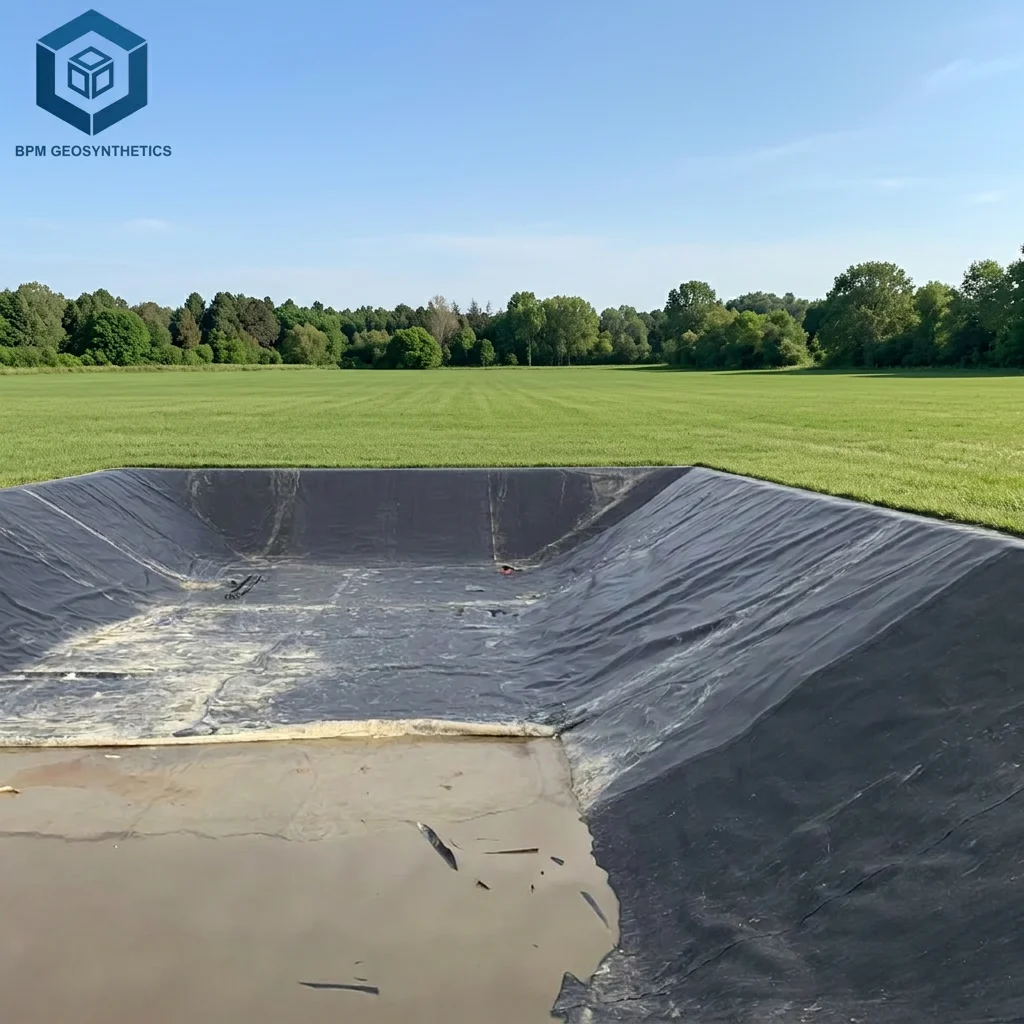
Geomembranes offer several important advantages for garden ponds, including reliable waterproofing, design flexibility, durability, cost efficiency, and easier maintenance. They can also help protect the surrounding soil and support a stable aquatic environment when the liner is suitable for its intended use.
Choosing the right material is essential. HDPE is often attractive for its chemical resistance and robust performance, while LLDPE and flexible PVC may offer advantages for complex pond shapes. Careful subgrade preparation, appropriate protective layers, professional seam installation, and routine inspections are equally important.
By combining the right geomembrane with sound construction practices, homeowners and landscape contractors can create attractive garden ponds designed for reliable, long-term performance.