Geotextile filter fabric is one of the most reliable materials in modern civil engineering, yet its performance depends heavily on correct installation. This ultimate guide to geotextile filter fabric installation walks contractors, engineers, and project managers through every stage of the process—from site assessment and material selection to placement, overlapping, anchoring, backfilling, and final inspection. Whether you are working on roads, ponds, landfills, or landscaping projects, proper geotextile filter fabric installation prevents clogging, soil migration, and costly repairs while improving drainage and long-term stability. In this guide, BPM Geosynthetics shares practical, field-tested steps for installing nonwoven polypropylene and polyester geotextile filter fabric, along with common mistakes to avoid and quality control checklists to follow. You will also learn how to calculate quantities, choose the right fabric weight (100g–1200g/m²), and meet acceptance criteria with confidence. By following these expert recommendations, your project can achieve stronger performance, longer service life, and better return on investment. Let’s begin with the fundamentals of geotextile filter fabric and why professional installation matters.
1. Introduction to Geotextile Filter Fabric
Geotextile filter fabric plays a vital role in modern construction. Moreover, it supports drainage, filtration, and soil separation. Therefore, contractors rely on it for many projects. BPM Geosynthetics produces high-quality geotextile filter fabric for global buyers.
1.1 What Is Geotextile Filter Fabric
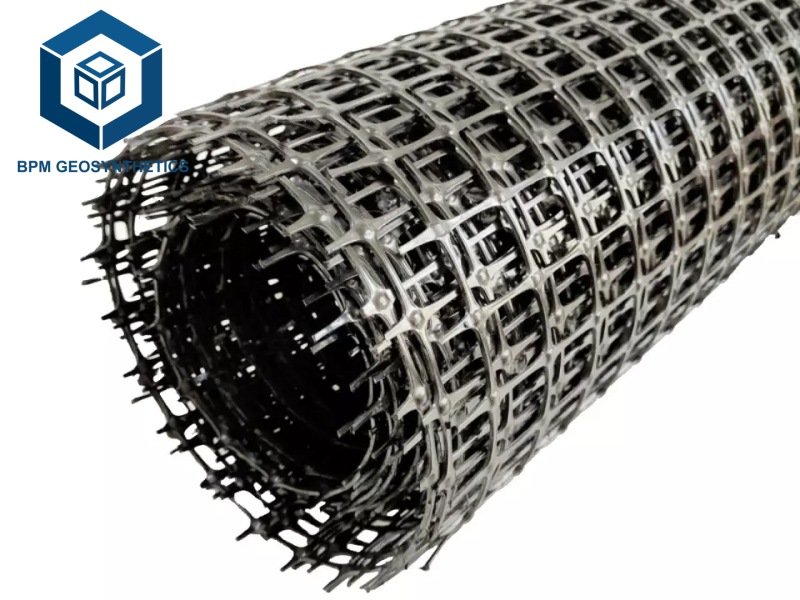
Geotextile filter fabric is a permeable synthetic material. Specifically, it consists of nonwoven polypropylene and polyester fibers. These fibers form a strong, needle-punched structure. Consequently, water passes through easily. Meanwhile, soil particles stay in place. BPM Geosynthetics (The Best Project Material Co.,Ltd) manufactures this fabric at 100g-1200g m2. As a result, it delivers excellent strength and durability.
1.2 Key Functions and Applications
This fabric performs several important functions.
- Geotextile Filter Fabric filters water and separates soil layers.
- Geotextile Filter Fabric reinforces weak ground and protects drainage systems.
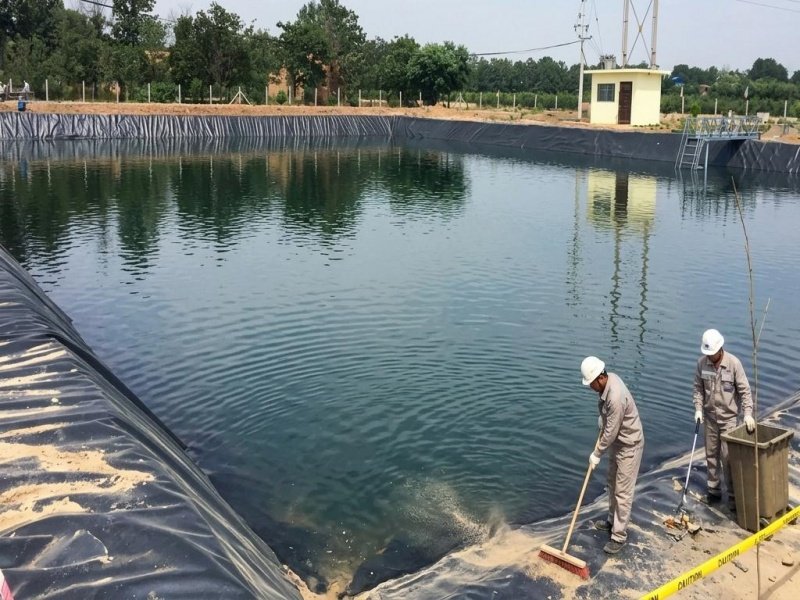
- Engineers use it in roads, ponds, and landfills. Landscaping projects also benefit from this material.
BPM Geosynthetics supplies geotextile filter fabric worldwide. Furthermore, BPM supports many civil engineering applications.
1.3 Why Proper Installation Matters
Correct installation ensures long-term performance. However, poor installation causes clogging and failure. Consequently, projects face costly repairs. Therefore, crews must follow proper procedures. Good installation improves drainage and stability. In addition, it extends the fabric’s service life. BPM Geosynthetics provides installation guidance to customers.
2. Preparation Before Installation
Preparation decides the success of any installation. Therefore, crews must plan carefully. Moreover, they should check site conditions first. BPM Geosynthetics recommends thorough preparation for every project.
2.1 Site Assessment and Surface Preparation
First, workers assess the site conditions. Then, they remove rocks and sharp objects. Next, they level the ground surface. As a result, the fabric stays safe from damage. Moreover, a smooth surface improves contact. Therefore, filtration works more effectively. BPM Geosynthetics advises clearing all debris beforehand.
2.2 Material Selection and Quantity Calculation
Second, crews select the right geotextile filter fabric. Specifically, they consider strength, permeability, and thickness. BPM Geosynthetics offers geotextile 500g-800g m2 for demanding projects. After that, teams calculate the required quantity. They measure the area and add overlap allowance. Consequently, they avoid material shortages. Proper planning saves both time and money.
2.3 Tools and Equipment Required
Third, workers gather the necessary tools. For instance, they need cutting tools and anchoring pins. In addition, they use measuring tapes and safety gear. Furthermore, heavy equipment helps with backfilling. Therefore, crews should check all tools beforehand. BPM Geosynthetics emphasizes safety and readiness on site.
3. Geotextile Filter Fabric Installation Process
This section explains the full installation process. Meanwhile, each step requires attention and care. BPM Geosynthetics follows strict quality standards during production.
3.1 Surface Clearing and Leveling
First, workers clear the installation area. Then, they remove vegetation and large stones. After that, they level the surface carefully. Consequently, the fabric lies flat and smooth. Moreover, leveling prevents punctures and tears. Therefore, crews should never skip this step.
3.2 Geotextile Filter Fabric Placement
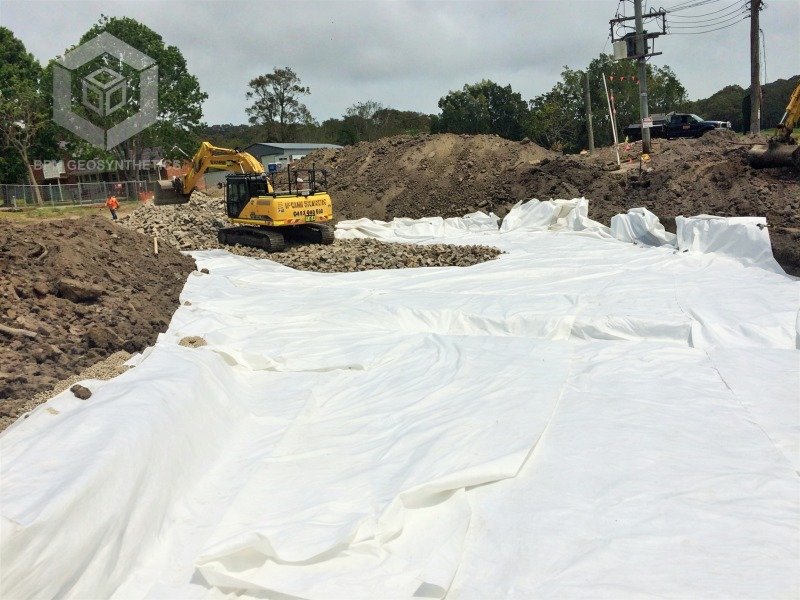
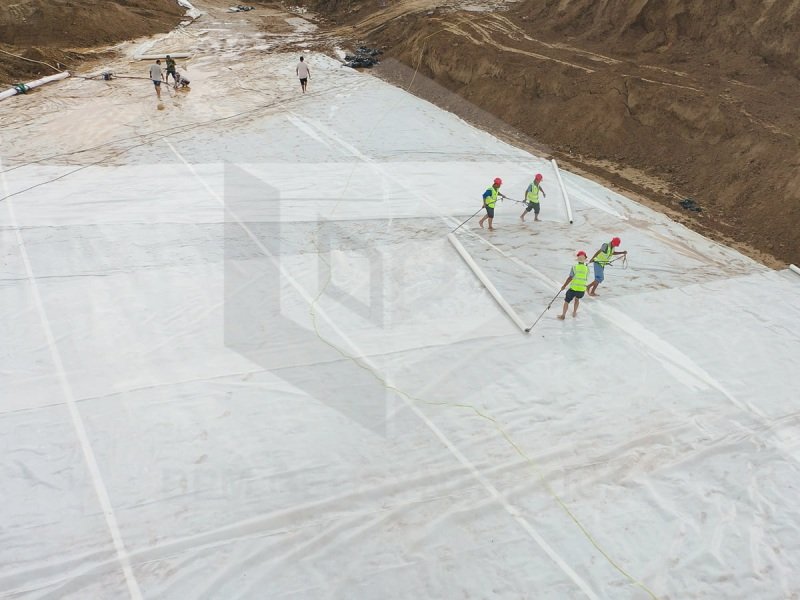
Next, workers unroll the geotextile filter fabric. They start from one end and move forward. Meanwhile, they keep the fabric tight and flat. In addition, they avoid wrinkles and folds. As a result, water flows evenly through the material. BPM Geosynthetics produces uniform rolls for easy placement.
3.3 Overlapping and Seaming Methods
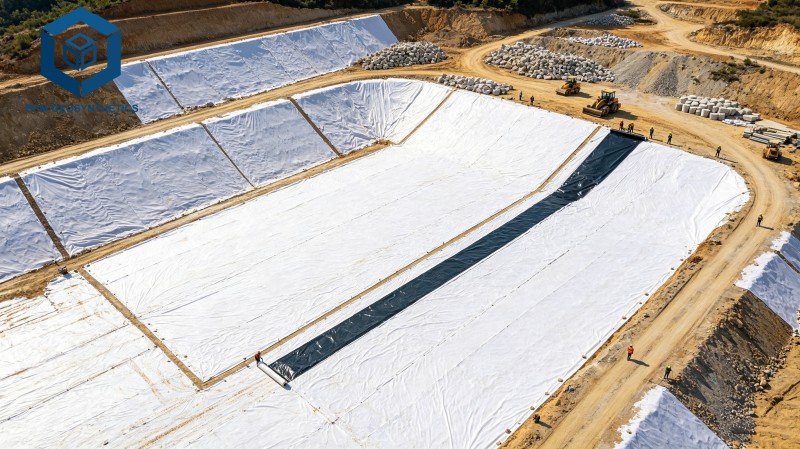
After placement, crews overlap adjacent fabric panels. Typically, the overlap ranges from 300 to 500 millimeters. Then, they seam or pin the panels together. Consequently, the fabric forms a continuous barrier. Moreover, proper overlap prevents soil migration. Therefore, workers must follow project specifications closely.
3.4 Fixing and Anchoring
Next, workers anchor the fabric in place. They use pins, staples, or sandbags. In addition, anchoring prevents movement during backfilling. Furthermore, it keeps overlaps secure. As a result, the installation stays stable. BPM Geosynthetics recommends strong anchoring for windy sites.
3.5 Backfilling and Covering
Finally, crews backfill over the fabric. They use suitable soil or gravel. Importantly, they avoid dropping large stones directly. Therefore, they protect the fabric from damage. After that, they compact the backfill gently. Consequently, the system performs well over time.
4. Quality Control and Inspection
Quality control ensures a successful installation. Therefore, crews inspect every stage carefully. BPM Geosynthetics supports strict quality inspection standards.
4.1 Visual Inspection Checklist
First, inspectors check for visible damage. They look for tears, wrinkles, and folds. In addition, they verify overlap widths. Furthermore, they confirm proper anchoring. Consequently, they catch problems early. Therefore, crews can fix issues quickly.
4.2 Permeability and Filtration Performance Check
Second, inspectors test water flow through the fabric. They confirm that water passes freely. Meanwhile, they check that soil stays retained. As a result, they verify filtration performance. Moreover, they compare results with project requirements. BPM Geosynthetics guarantees consistent permeability in every roll.
4.3 Acceptance Criteria
Finally, inspectors apply acceptance criteria. They confirm overlap, anchoring, and coverage. In addition, they review test results. Consequently, they approve or reject the installation. Therefore, only compliant work moves forward. BPM Geosynthetics helps customers define clear acceptance standards.
5. Common Installation Mistakes and Solutions
Many projects face similar installation problems. However, crews can prevent most of them. BPM Geosynthetics shares common solutions with its clients.
5.1 Improper Overlap or Seam Failure
Sometimes, workers overlap panels incorrectly. Consequently, soil escapes through the gaps. Therefore, filtration fails over time. To solve this, crews should measure overlaps carefully. In addition, they should secure seams properly. As a result, the fabric performs as intended.
5.2 Damage During Backfilling
Sometimes, backfilling damages the fabric. For example, large stones create punctures. Therefore, workers should use fine-grained material first. Moreover, they should avoid dropping heavy loads. Consequently, the fabric stays intact. BPM Geosynthetics recommends careful backfilling procedures.
5.3 Poor Surface Preparation
Sometimes, crews skip proper surface preparation. As a result, sharp objects tear the fabric. Therefore, workers must clear and level the ground. In addition, they should remove all debris. Consequently, the fabric lasts longer. BPM Geosynthetics stresses preparation before installation.
6. Conclusion
Proper installation ensures strong performance. Therefore, crews should follow each step carefully. Moreover, they should inspect the work regularly. As a result, geotextile filter fabric delivers lasting value. BPM Geosynthetics supports customers with quality products and guidance. First, prepare the site thoroughly. Second, choose the right geotextile filter fabric. Third, overlap and anchor panels correctly. Fourth, backfill with suitable material. Finally, inspect the installation at every stage. Consequently, projects achieve better drainage and stability. BPM Geosynthetics remains a trusted partner for geotextile solutions.