Description
This guide explains how to select geogrid for embankment reinforcement. Moreover, it covers key factors such as soil conditions, load requirements, and embankment height. In addition, it compares biaxial, uniaxial, and triaxial geogrid types. Furthermore, it reviews important technical properties like tensile strength, aperture size, and durability. Therefore, engineers and buyers can make better decisions. BPM Geosynthetics supports customers with quality geogrid products and expert guidance. As a result, readers can choose the right geogrid confidently. Consequently, embankment projects achieve stronger stability and longer service life.
1. Introduction to Geogrid for Embankment Reinforcement
Geogrid plays a key role in embankment reinforcement. Moreover, it strengthens soil and improves stability. Therefore, engineers trust it for many projects. BPM Geosynthetics produces reliable geogrid for global customers.
1.1 What Is Geogrid
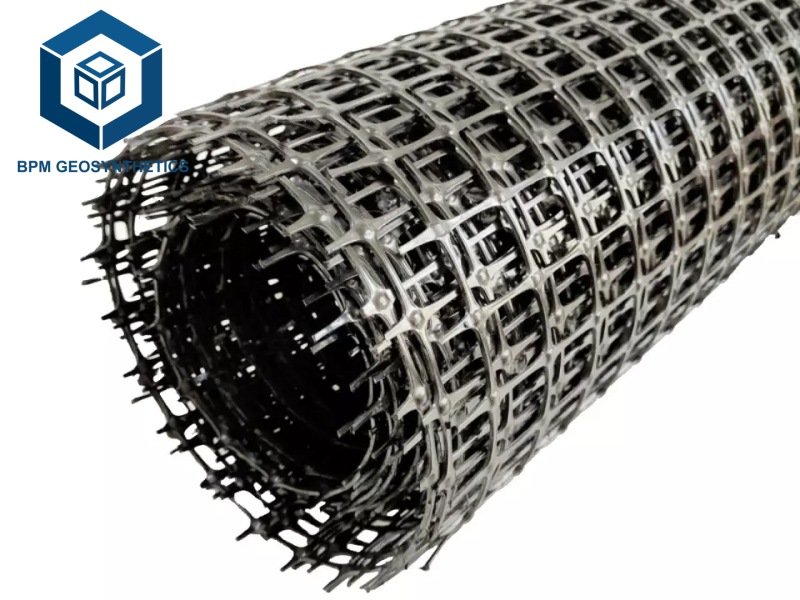
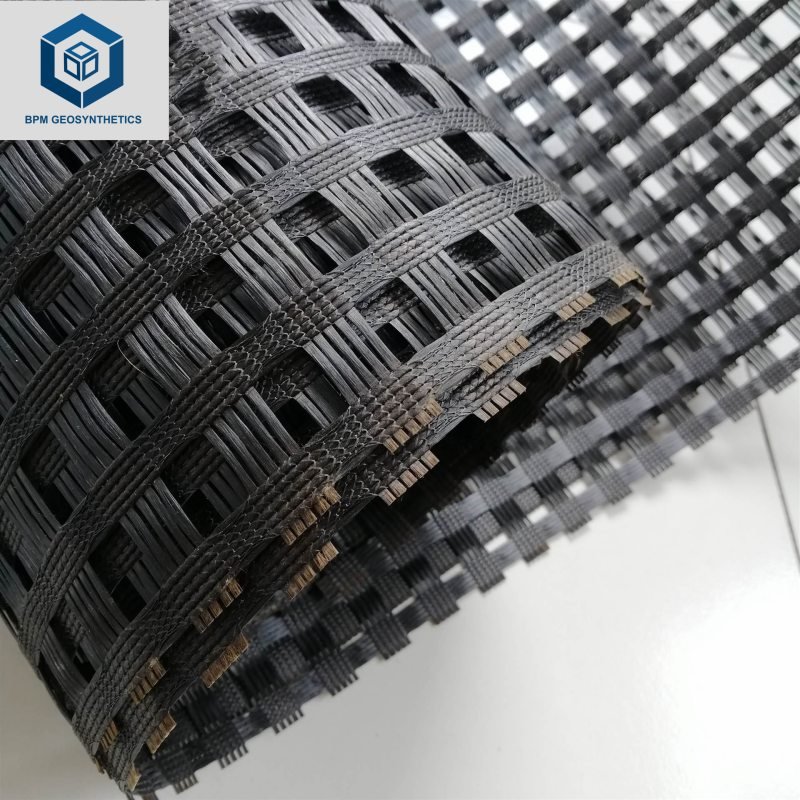
Geogrid is a geosynthetic material with an open grid structure. Specifically, it consists of interconnected polymer ribs. These ribs create strong tensile resistance. Consequently, soil interlocks with the openings. Meanwhile, the grid distributes loads effectively. BPM Geosynthetics manufactures different geogrid types for varied needs.
1.2 Why Embankments Need Reinforcement
Embankments often face settlement and slope failure. However, proper reinforcement reduces these risks. In addition, it improves load-bearing capacity. Therefore, engineers use geogrid to stabilize weak soil. Moreover, reinforcement extends the embankment’s service life.
1.3 Role of BPM Geosynthetics
BPM Geosynthetics supplies geogrid solutions worldwide. Furthermore, BPM offers technical support and guidance. As a result, customers select the right product confidently. In addition, BPM ensures consistent quality in every roll.
2. Key Factors for Selecting Geogrid
Selection depends on several important factors. Therefore, engineers must evaluate each one carefully. BPM Geosynthetics helps customers review these factors.
2.1 Soil Conditions
First, engineers examine the soil type. For example, soft clay needs stronger reinforcement. In addition, soil gradation affects interlocking performance. Consequently, soil testing guides the selection process. Moreover, poor soil demands higher tensile strength.
2.2 Load Requirements
Second, engineers assess expected loads. Traffic, embankment height, and surcharge matter. Therefore, they calculate the required tensile strength. As a result, they choose a suitable geogrid grade. BPM Geosynthetics offers multiple strength options.
2.3 Embankment Height and Slope
Third, engineers consider embankment height. Taller embankments create greater stress. In addition, steep slopes need stronger reinforcement. Consequently, height and slope shape the design. Therefore, engineers match geogrid strength to these conditions.
2.4 Environmental Conditions
Fourth, engineers review site conditions. Temperature, moisture, and chemical exposure matter. Moreover, UV resistance affects long-term performance. Therefore, they select durable polymer materials. BPM Geosynthetics tests products for harsh environments.
3. Types of Geogrid for Embankment Reinforcement
Different projects require different geogrid types. Therefore, engineers should understand each option. BPM Geosynthetics produces several geogrid categories.
3.1 Biaxial Geogrid
Biaxial geogrid offers strength in two directions. Consequently, it suits base reinforcement and embankments. Moreover, it distributes loads evenly. Therefore, many road projects use this type.
3.2 Uniaxial Geogrid
Uniaxial geogrid provides strength in one direction. Specifically, it reinforces slopes and retaining walls. In addition, it handles high tensile stress. Consequently, engineers choose it for steep embankments.
3.3 Triaxial Geogrid
Triaxial geogrid delivers strength in three directions. Moreover, it improves interlocking with aggregate. As a result, it enhances load distribution. Therefore, it works well for heavy-duty applications.
3.4 Comparison Table
Geogrid Type | Strength Direction | Typical Application | Best For |
Biaxial | Two directions | Base reinforcement | Roads and embankments |
Uniaxial | One direction | Slope reinforcement | Steep slopes and walls |
Triaxial | Three directions | Heavy-duty bases | High-load projects |
BPM Geosynthetics supplies all three types. Furthermore, BPM helps customers compare options.
4. Technical Properties to Evaluate
Engineers must review key technical properties. Therefore, they should check each specification carefully.
4.1 Tensile Strength
Tensile strength measures load resistance. Consequently, higher strength suits heavier loads. Moreover, engineers match strength to design requirements. BPM Geosynthetics provides clear strength data.
4.2 Aperture Size
Aperture size affects soil interlocking. Specifically, the opening must fit the aggregate. Therefore, engineers select suitable aperture dimensions. As a result, interlocking improves performance.
4.3 Junction Efficiency
Junction efficiency shows rib connection strength. Moreover, strong junctions prevent grid failure. Consequently, engineers prioritize high junction efficiency. BPM Geosynthetics ensures strong junctions in every product.
4.4 Durability and UV Resistance
Durability affects long-term performance. Therefore, engineers consider UV and chemical resistance. In addition, they review installation damage resistance. As a result, they choose durable materials. BPM Geosynthetics tests durability thoroughly.
5. Installation Considerations
Installation quality affects reinforcement performance. Therefore, crews should follow proper procedures. BPM Geosynthetics provides installation guidance.
5.1 Subgrade Preparation
First, workers prepare the subgrade. They remove sharp objects and level the surface. Consequently, the geogrid lies flat. Moreover, proper preparation prevents damage.
5.2 Geogrid Placement
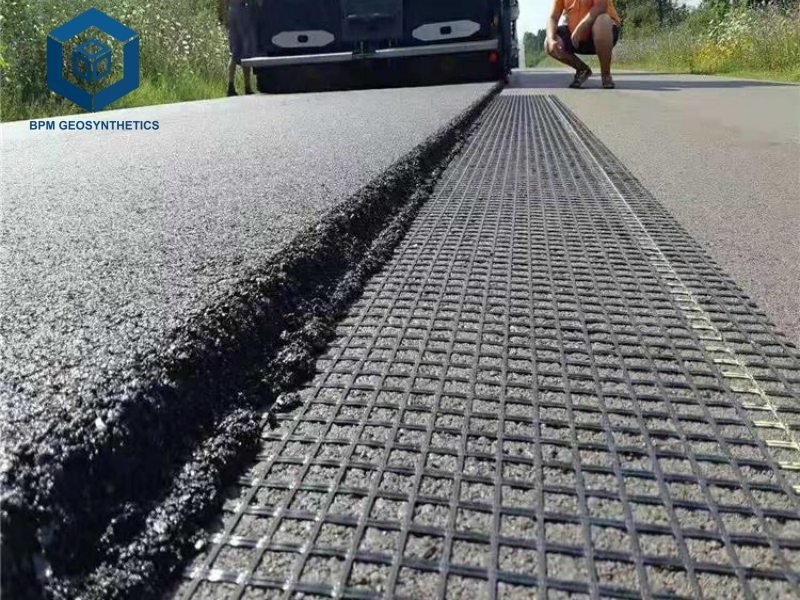
Next, workers unroll the geogrid. They place it tightly and evenly. In addition, they maintain correct overlap. As a result, the grid performs as designed.
5.3 Overlapping and Anchoring
Then, crews overlap adjacent panels. Typically, overlaps range from 300 to 500 millimeters. After that, they anchor the grid securely. Consequently, movement during filling decreases.
5.4 Backfilling and Compaction
Finally, workers place fill material over the grid. They compact each layer carefully. Therefore, the reinforcement system works effectively. BPM Geosynthetics recommends controlled compaction.
6. Common Selection Mistakes
Many projects suffer from poor selection. However, engineers can avoid these mistakes. BPM Geosynthetics shares common lessons with customers.
6.1 Choosing Low Tensile Strength
Some buyers choose weak geogrid. Consequently, the embankment fails under load. Therefore, engineers should calculate strength properly.
6.2 Ignoring Soil Conditions
Some projects ignore soil testing. As a result, the geogrid performs poorly. Therefore, soil analysis remains essential.
6.3 Skipping Durability Checks
Some buyers overlook durability. Consequently, the geogrid degrades quickly. Therefore, engineers should review UV and chemical resistance.
7. Conclusion
Selecting geogrid requires careful evaluation. Therefore, engineers should review soil conditions, load requirements, and embankment height. Moreover, they should compare geogrid types and technical properties. First, test the soil conditions. Second, calculate load requirements. Third, compare biaxial, uniaxial, and triaxial geogrid options. Fourth, evaluate tensile strength, aperture size, and durability. Finally, ensure proper installation and compaction. Consequently, projects achieve strong reinforcement and long-term stability. BPM Geosynthetics supports customers with quality geogrid and expert guidance. As a result, BPM Geosynthetics remains a trusted partner for geogrid solutions.