1.Introduction
Geomembrane High Density Polyethylene, commonly known as HDPE geomembrane, has become one of the most essential barrier materials in modern geotechnical and environmental engineering. Construction engineers, environmental contractors, and hydraulic project designers widely choose this material for anti-seepage, isolation, and anti-pollution purposes. Compared with traditional waterproof materials such as clay layers, cement mortar, and ordinary plastic films, HDPE geomembrane shows more stable performance, stronger adaptability, and a much longer service life. It plays a vital role in protecting soil structure, preserving water resources, and preventing chemical contamination in various infrastructure projects.
2.Definition and Basic Composition
Geomembrane High Density Polyethylene,HDPE geomembrane is a flexible waterproof polymer sheet derived from high-density polyethylene resin. Manufacturers use high-purity polyethylene particles as the base material and mix a reasonable proportion of functional additives. These additives include carbon black, anti-oxidants, ultraviolet stabilizers, and toughening agents. Every ingredient serves a clear purpose and improves the overall performance of the finished membrane.
Carbon black effectively resists ultraviolet radiation and prevents material aging under sunlight. Antioxidants slow down chemical oxidation and extend service life. Other special agents enhance flexibility and mechanical toughness. Factories mainly adopt blow molding and calendaring techniques for production. These advanced processes create a uniform and dense molecular structure inside the sheet. The tight molecular arrangement gives HDPE geomembrane excellent waterproof and anti-seepage abilities that ordinary low-density plastic films cannot match.
3.Outstanding Characteristics
3.1Powerful Anti-seepage Performance
Geomembrane High Density Polyethylene features an extremely low permeability coefficient. Its compact internal structure blocks water, sewage, and soluble chemical substances effectively. It stops liquid penetration and prevents underground water loss in water storage projects. In waste disposal sites, it isolates toxic leachate and avoids groundwater pollution. This reliable barrier ability makes HDPE geomembrane the primary choice for high-standard anti-seepage engineering.
3.2Excellent Chemical and Weather Resistance
HDPE material maintains stable performance in complex chemical environments. It resists erosion from acid, alkali, salt solution, and most industrial chemical liquids. It does not dissolve, deform, or degrade under long-term chemical contact. The material also adapts to extreme weather conditions. It works normally in temperatures ranging from -60 degrees Celsius to 60 degrees Celsius. Anti-UV and anti-aging additives allow the membrane to withstand long-term outdoor exposure without quality decline. High-quality HDPE geomembrane can maintain intact performance for more than 50 years under regular service conditions.
3.3Superior Mechanical Strength
Geomembrane High Density Polyethylene possesses strong tensile strength, tear resistance, and puncture resistance. It has a stretching elongation rate of over 600 percent. This high flexibility helps the membrane adapt to ground settlement, foundation deformation, and subtle structural changes. It will not crack or break easily when external pressure changes. The material can resist sharp stones, plant roots, and mechanical friction during and after construction. Such stable mechanical performance ensures the long-term integrity of the entire anti-seepage system.
3.4Eco-friendly and Cost-saving Advantages
Geomembrane High Density Polyethylene contains no toxic or harmful ingredients. It does not release pollutants into soil or water environments. It fully meets environmental protection standards for drinking water projects, ecological restoration projects, and aquaculture farms. Meanwhile, the product adopts large-width roll design. This design reduces welding joints during construction, shortens project cycles, and cuts labor and material costs. It provides high economic benefits for large-scale engineering projects.
4.Product Classification and Common Specifications
Industry markets divide Geomembrane High Density Polyethylene into two major types according to surface texture: smooth surface type and textured surface type.
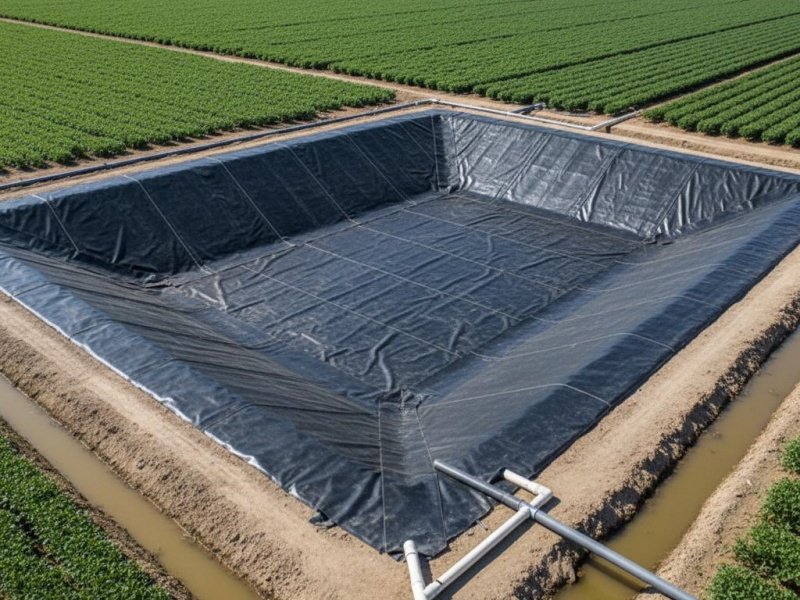
Smooth Geomembrane High Density Polyethylene has a flat and even surface. It fits flat foundation environments such as artificial lakes, landscape waters, fish ponds, shrimp ponds, and domestic water storage tanks. It provides neat lining effects and stable anti-seepage performance for conventional water storage and water conservation projects.
Textured Geomembrane High Density Polyethylene includes single-sided texture and double-sided texture styles. The rough surface greatly increases friction force between the membrane and the foundation. It effectively prevents sliding on steep slopes and inclined structures. Engineers widely use textured geomembrane for landfill slopes, tailing pond slopes, and high-gradient hydraulic projects.
Common thickness specifications range from 0.75mm to 3.0mm. Aquaculture and landscape projects usually select 1.0mm to 1.5mm thickness. Sanitary landfill, chemical anti-corrosion, and tailing pond projects require thicker membranes of 2.0mm or above to meet higher safety standards.
5.Construction Technology
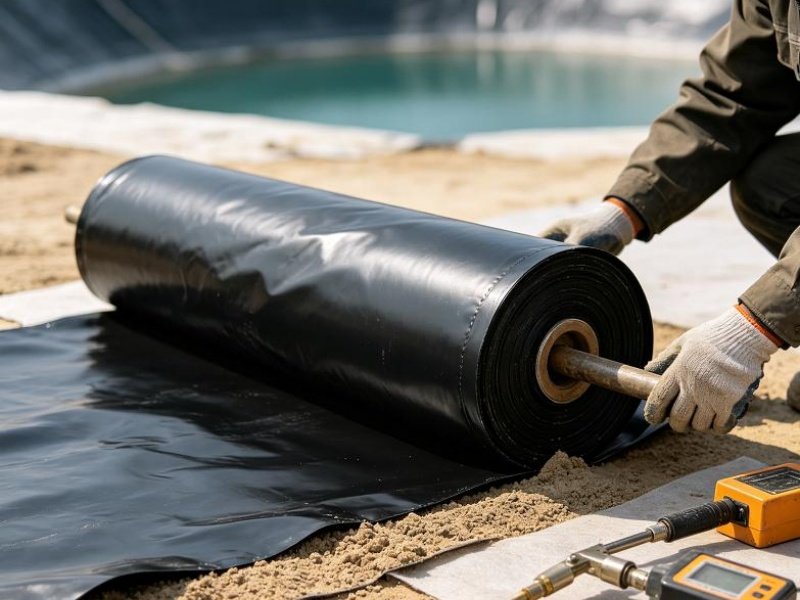
Workers adopt professional hot melt welding technology for Geomembrane High Density Polyethylene installation. Construction staff heat the overlapping edges of two membrane sheets until the material melts, and then press the parts tightly for fusion molding. The welding process connects scattered membrane sheets into a complete and seamless whole. Welded positions maintain the same anti-seepage strength and stability as the membrane body. The whole construction process is simple, fast, and safe, and does not require complex auxiliary materials. Professional inspection equipment can detect welding quality easily and guarantee construction accuracy.
6.Wide Application Scope
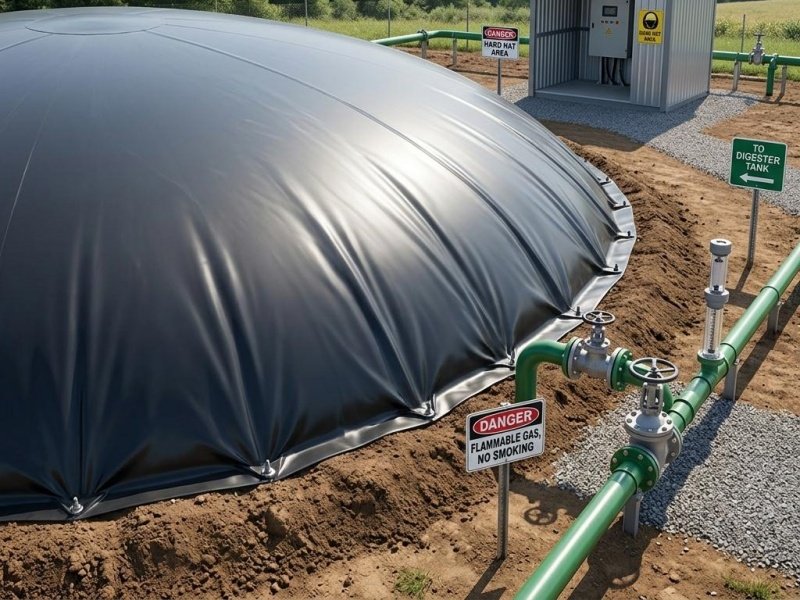
Geomembrane High Density Polyethylene serves multiple industries and engineering fields. In environmental protection engineering, it lines municipal solid waste landfills, sewage pools, regulating tanks, and industrial waste storage yards. It prevents toxic leachate from penetrating underground and protects soil and groundwater resources.
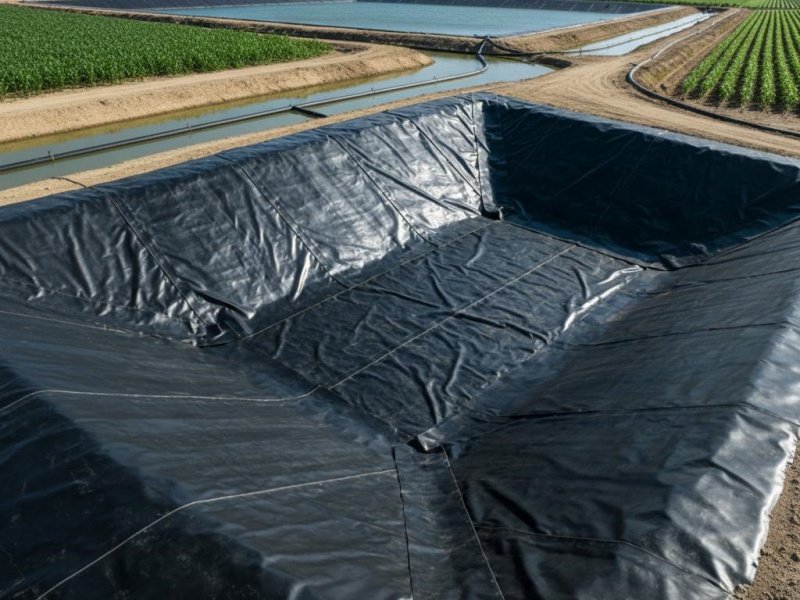
In water conservancy engineering, it applies to reservoir anti-seepage, river regulation, canal lining, and dam reinforcement projects. It reduces water seepage loss and improves water resource utilization efficiency. In aquaculture industry, it creates clean and stable pond environments, avoids water leakage, and improves breeding output. In mining and chemical industries, it adapts to tailing ponds, chemical storage pools, and salt fields to resist severe corrosion.
7.Conclusion
Geomembrane High Density Polyethylene integrates excellent anti-seepage performance, strong mechanical stability, outstanding environmental adaptability, and economic construction value. It solves common seepage, deformation, and pollution problems in modern engineering. With reliable quality and long service life, HDPE geomembrane continues to be the most trusted anti-seepage material for environmental protection, water conservancy, municipal construction, and industrial projects worldwide.