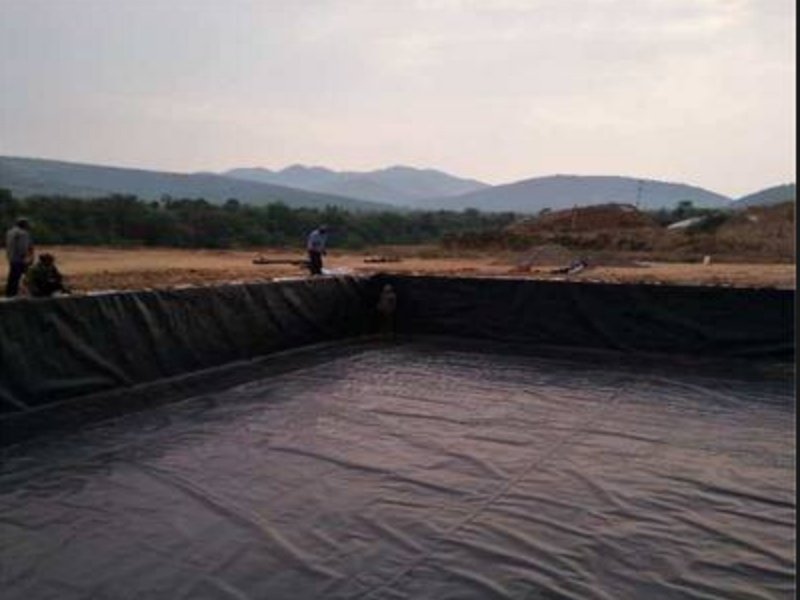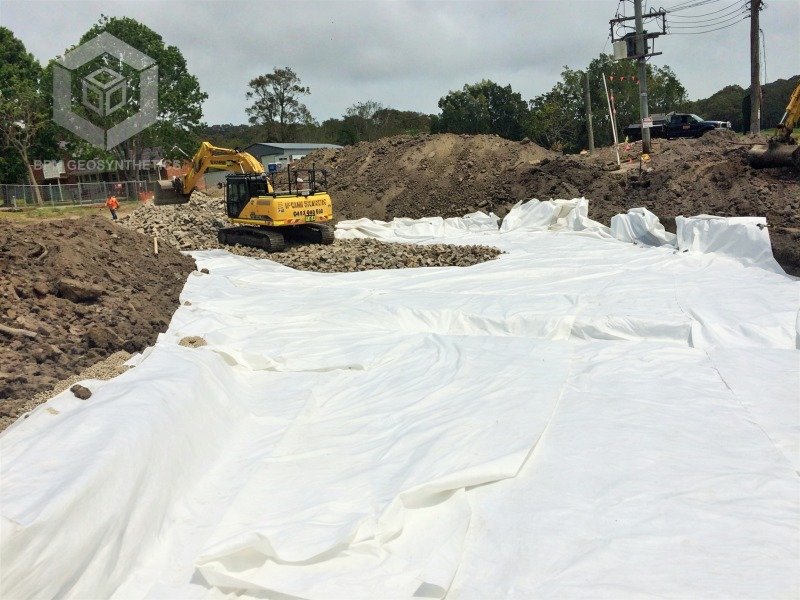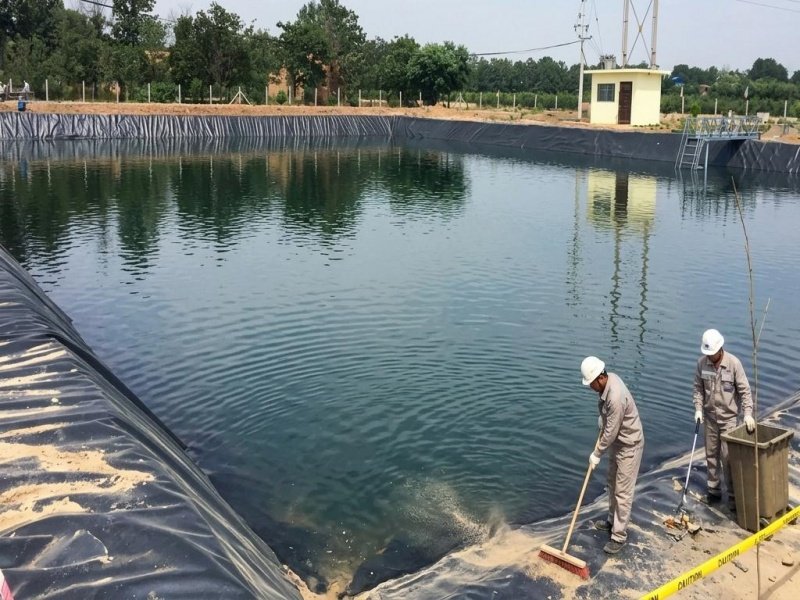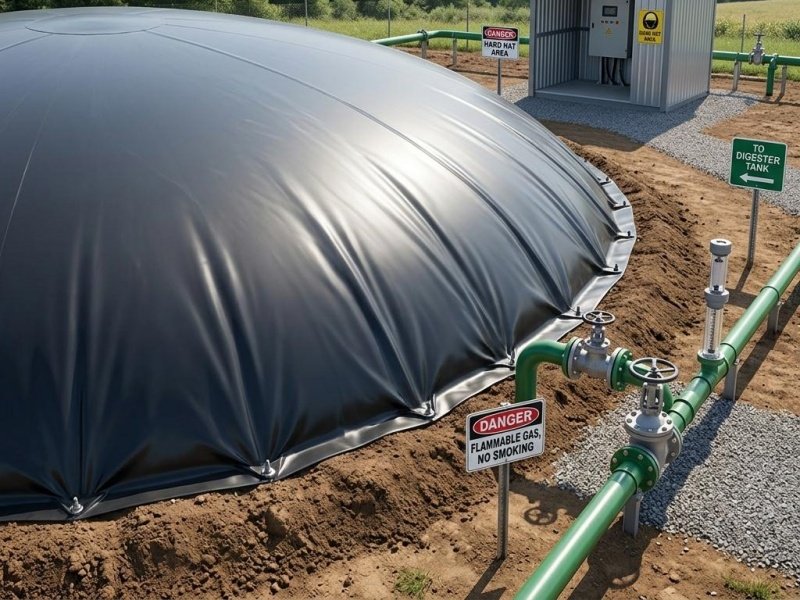
In environmental engineering, civil infrastructure, and resource management, geo Membranes function as essential impermeable barriers that effectively control fluid and gas migration, safeguard groundwater resources, and maintain long-term containment integrity. Predominantly composed of high-density polyethylene (HDPE), these liners excel due to their outstanding chemical resistance, mechanical robustness, and economic viability. As of 2025, the global geomembranes market is valued at approximately USD 2.73 billion, with forecasts projecting expansion to USD 3.63 billion by 2030 at a compound annual growth rate (CAGR) of 5.88%, driven by stringent environmental regulations, mining sector growth, and water infrastructure investments (Mordor Intelligence). HDPE geo Membranes capture a substantial portion (around 42% in key segments) owing to their ultra-low permeability (typically ≤10⁻¹¹ to 10⁻¹³ cm/s), enhanced UV stability through 2–3% carbon black integration, and projected service lives exceeding 50–100 years in properly covered installations.
This in-depth 2025 review assesses the 8 best geo Membranes available globally, prioritizing non-Chinese manufacturers renowned for quality, innovation, and proven field performance. Rankings draw from rigorous evaluation criteria: adherence to GRI-GM13 standards (the benchmark for HDPE geomembranes), material purity (virgin resin ≥97.5%), mechanical properties (tensile strength 20–50 kN/m, puncture resistance 240–1,000 N), oxidative induction time (OIT ≥100 min standard, ≥400–500 min high-pressure), global supply reliability, sustainability features (recyclability, low-carbon formulations), and documented project success (failure rates below 0.1% in audited deployments). Each profile provides comprehensive specifications, key advantages, typical applications, pros/cons, approximate 2025 bulk pricing (USD/m²), and rationale for inclusion.
Engineers, contractors, and project owners benefit from these liners, which achieve 99.9% seepage prevention, lower lifecycle costs by 15–40% compared to alternatives like compacted clay, and comply with regulations such as RCRA Subtitle D, EU Landfill Directive, and mining tailings safety mandates. Data underscores their impact: proper geomembrane deployment has reduced environmental incidents by over 90% in modern landfills and tailings facilities.
What Are Geo Membranes?
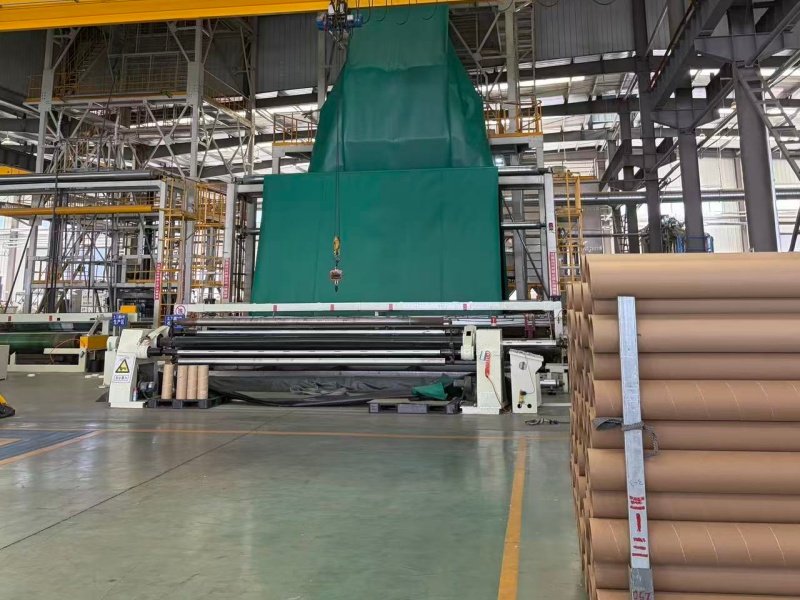
Geo Membranes are flexible, continuous synthetic liners designed to create impermeable barriers against liquid and gas permeation in geotechnical and environmental projects. HDPE dominates production (over 40% market share) with a formulated density of ≥0.940 g/cm³ (ASTM D1505/D792), incorporating carbon black (2–3% per ASTM D4218) for UV stabilization (retaining ≥50% high-pressure OIT after 1600 hours exposure per ASTM D5885) and antioxidants for thermal endurance.
Core performance metrics include:
- Permeability: ≤10⁻¹¹ to 10⁻¹³ cm/s (ASTM D5887/D5084), vastly outperforming natural soils or compacted clay (10⁻⁷ to 10⁻⁹ cm/s).
- Tensile properties: Yield strength 11–50 kN/m, break strength 20–80 kN/m, elongation at break ≥700% (ASTM D6693 Type IV).
- Tear resistance: 93–374 N (ASTM D1004).
- Puncture resistance: 240–1,000 N (ASTM D4833/D4883).
- Stress crack resistance: ≥500 hours (ASTM D5397).
- Oxidative induction time (OIT): ≥100 minutes standard (ASTM D3895), ≥400–500 minutes high-pressure (ASTM D5885).
- Low-temperature brittleness: <-77°C (ASTM D746).
- Dimensional stability: ±2% (ASTM D1204).
Produced via blown-film or flat-die extrusion, sheets achieve uniform thickness (±5–10% tolerance), widths up to 7–10 m (reducing field seams by 20–50% and associated failure risks), and options for smooth, textured (improving interface friction to 35–45° for slope stability), or conductive surfaces (enabling electrical leak detection with resistivity <10⁴ ohm). These liners resist pH extremes (2–12), hydrocarbons, leachates, and aggressive chemicals, ensuring reliability in harsh conditions.
Why Geo Membranes Matter in 2025
Amid rising environmental scrutiny and infrastructure expansion, geo Membranes are vital for containment in 70% of high-risk applications, including landfills (36% market share), mining tailings (25%), and water storage (20%). Failures can incur multimillion-dollar remediation; premium liners avert 99.9% seepage, per Geosynthetics Magazine case studies. Key drivers include:
- Regulatory pressure: Post-2019 tailings dam failures (e.g., Brumadinho), mandates require 50+ year durability.
- Water security: Reservoirs and irrigation amid scarcity.
- Sustainability: Recyclable HDPE aligns with 2030 low-carbon goals.
Superior sheets cut lifecycle expenses 25–40% through durability, simplified thermal welding installation, and compliance with GRI-GM13, ISO 9001, and regional standards.
Key Criteria for Evaluating Geo Membranes
Rankings prioritize:
- Compliance & quality (35%): GRI-GM13 conformance, virgin resin, third-party testing (SGS/Intertek).
- Durability & performance (25%): High OIT/ESCR, UV/chemical resistance, field-proven lifespan.
- Manufacturing excellence (15%): Uniformity, textured/conductive innovations.
- Availability & support (15%): Global distribution, technical assistance, warranties.
- Value & sustainability (10%): Pricing ($1.50–$6.50/m²), recyclability.
All selections meet/exceed GRI-GM13, with emphasis on real-world efficacy.
The 8 Best Geo Membranes Reviewed
1. GSE HD (Solmax) – Best Overall Geo Membrane Sheet
Solmax (formerly GSE Environmental), a Canadian powerhouse with 40+ years, manufactures GSE HD at North American, European, and Asian facilities, serving 100+ countries.
Key Specifications (1.5 mm, GRI-GM13 compliant):
- Thickness: 0.75–3.0 mm
- Density: ≥0.940 g/cm³
- Tensile yield/break: 22/40 kN/m
- Puncture: 480–960 N
- Tear: 187–374 N
- OIT: ≥100 min standard, ≥400 min HP
- Permeability: <10⁻¹² cm/s
- UV retention: ≥50% after 1600 hours
Features & Advantages: Smooth/textured/conductive options; exceptional chemical resistance (90%+ solvents); 50–100 year lifespan; proven in 100,000+ projects.
Applications: Landfills, mining leach pads, wastewater lagoons.
Pros: 95% compliance rate; strong warranties; competitive pricing in premium segment. Cons: Higher cost ($2.50–$5.00/m²).
Why #1: Unmatched balance of performance, scale, and reliability.
2. AGRU Sure-Grip® HDPE – Best for Slope Stability & Heavy-Duty Applications
AGRU America (Austrian heritage, US operations) specializes in textured liners for demanding slopes.
Key Specifications (2.0 mm):
- Thickness: 1.0–3.5 mm
- Tensile yield: 25–50 kN/m
- Puncture: 500–1,000 N
- Interface friction: 35–45° (textured)
- OIT: ≥120 min
- Permeability: ≤10⁻¹³ cm/s
Features: High-friction texture; pre-fabricated panels cut seams 50%.
Applications: Tailings dams, reservoir slopes, landfills.
Pros: Outstanding stability; durable under stress. Cons: Premium pricing ($4.00–$6.50/m²); requires specialized installation.
3. Layfield Enviro Liner® 6000 Series – Best for Enhanced Tensile Performance
Layfield Group (Canada) delivers reinforced HDPE hybrids.
Key Specifications:
- Thickness: 1.0–2.5 mm
- Tensile: 25–45 kN/m (30%+ above standard)
- Puncture: 400–700 N
- Elongation: ≥700%
Features: Multi-layer tear resistance; customizable.
Applications: Industrial containment, secondary liners.
Pros: Superior strength; versatile. Cons: Reduced flexibility in some scenarios.
4. NAUE Carbofol® HDPE – Best for European Compliance & Innovation
NAUE (Germany) offers high-spec HDPE with advanced features.
Key Specifications:
- Thickness: 1.0–3.0 mm
- Tensile: 22–44 kN/m
- Puncture: 480–960 N
- OIT: ≥500 hours HP
Features: Innovative textures; composites.
Applications: Tunnels, mining, landfills.
Pros: Strict EU standards; long-term durability. Cons: Higher cost.
5. Atarfil HDPE Geomembranes – Best for Advanced Extrusion Technology
Atarfil (Spain) employs flat-die extrusion for uniformity.
Key Specifications:
- Thickness: 1.0–3.0 mm
- Tensile: 20–45 kN/m
- Puncture: 400–800 N
Features: High-performance; chemical-resistant.
Applications: Waste, water, mining.
Pros: Consistent quality; global presence. Cons: Fewer textured options.
6. Carthage Mills HDPE Liners – Best for Versatile US-Based Supply
Carthage Mills (US) provides reliable, compliant HDPE.
Key Specifications:
- Thickness: 0.75–2.5 mm
- Tensile: 20–35 kN/m
- Puncture: 300–700 N
Features: Smooth/textured; full compliance.
Applications: Ponds, landfills.
Pros: Accessible; strong support. Cons: Smaller production scale.
7. Raven Industries HDPE Geomembranes – Best for Specialized Containment
Raven (US) focuses on durable, application-specific liners.
Key Specifications:
- Thickness: 1.0–2.0 mm
- Tensile: 18–30 kN/m
Features: UV-stable; chemical-resistant.
Applications: Agriculture, industrial.
Pros: Reliable; cost-effective. Cons: Limited thickness range.
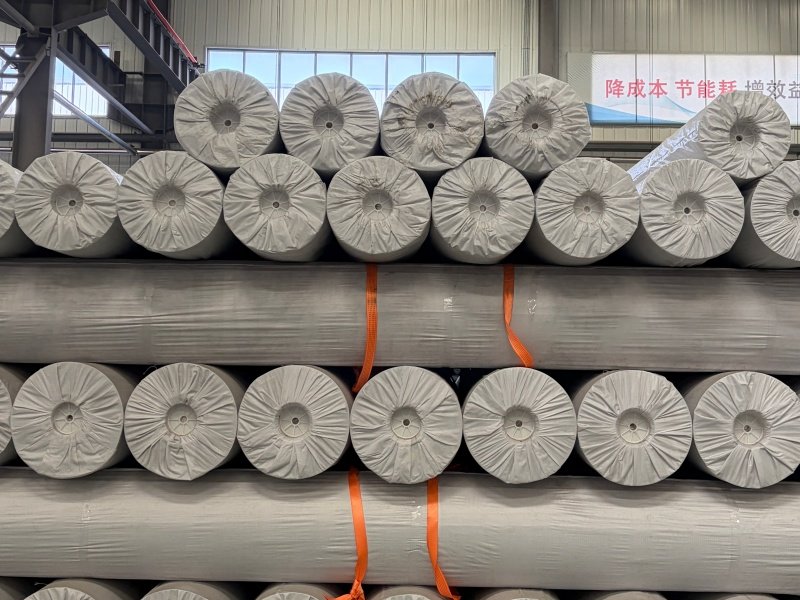
8. The Best Project Material Co., Ltd (BPM Geoliner) HDPE Geomembrane Liner – Best for Comprehensive Specifications & Global Versatility
BPM Geoliner produces premium HDPE liners fully compliant with GRI-GM13.
Key Specifications:
- Thickness: 0.75–3.0 mm (common: 0.5–3.0 mm)
- Density: 0.94 g/cm³
- Tensile yield/break: 15–44 kN/m / 27–80 kN/m
- Puncture: 320–960 N
- Tear: 125–374 N
- OIT: ≥100 min standard, ≥500 min HP
- Elongation break: 700%
- Permeability: ≤10⁻¹³ cm/s
- Carbon black: 2–3%
Features: Smooth/textured; UV/chemical resistant; 50+ year lifespan; 99% waterproof.
Applications: Landfills, mining, aquaculture, reservoirs.
Pros: Detailed compliance; versatile; competitive value. Cons: Export considerations.
Comparison Table: The 8 Best Geo Membranes
Rank | Brand/Product | Thickness Range (mm) | Tensile Yield (kN/m) | Puncture (N) | OIT (min) | Price Range ($/m²) | Best For |
1 | GSE HD (Solmax) | 0.75–3.0 | 22–44 | 480–960 | ≥400 HP | 2.50–5.00 | Overall |
2 | AGRU Sure-Grip | 1.0–3.5 | 25–50 | 500–1,000 | ≥120 | 4.00–6.50 | Slope Stability |
3 | Layfield Enviro 6000 | 1.0–2.5 | 25–45 | 400–700 | ≥100 | 3.00–5.00 | Tensile Performance |
4 | NAUE Carbofol | 1.0–3.0 | 22–44 | 480–960 | ≥500 HP | 3.50–5.50 | Innovation |
5 | Atarfil HDPE | 1.0–3.0 | 20–45 | 400–800 | ≥100 | 2.80–4.50 | Extrusion Quality |
6 | Carthage Mills | 0.75–2.5 | 20–35 | 300–700 | ≥100 | 2.00–4.00 | Versatile Supply |
7 | Raven HDPE | 1.0–2.0 | 18–30 | 300–600 | ≥100 | 1.80–3.50 | Specialized Use |
8 | BPM Geoliner HDPE | 0.75–3.0 | 15–44 | 320–960 | ≥500 HP | 1.50–3.50 | Versatility & Value |
How to Choose the Right Geo Membrane Sheet
Evaluate site conditions: slope angle (>20° needs textured), chemical exposure, load. Confirm GRI-GM13 compliance and thickness (1.5–2.0 mm standard for primary liners). Consider installation (thermal welding minimizes seams 20–50%). Request samples, third-party test reports, and warranties. Factor total cost: premium liners save 15–40% long-term.
Common Challenges & Solutions
Installation defects cause 15–20% issues: Engage certified welders. UV degradation: Cover promptly. Resin volatility: Secure bulk contracts. Sustainability: Select recyclable HDPE.
Conclusion
The 8 best geo Membranes—from Solmax GSE HD to BPM Geoliner HDPE—provide superior impermeability, durability, and compliance in a growing USD 2.73 billion market. Prioritize GRI-GM13 specs, proven performance, and support for project success. For comprehensive solutions, visit BPM Geoliner at https://bpmgeoliner.com/product/hdpe-geomembrane-liner/—a reliable partner for effective containment.