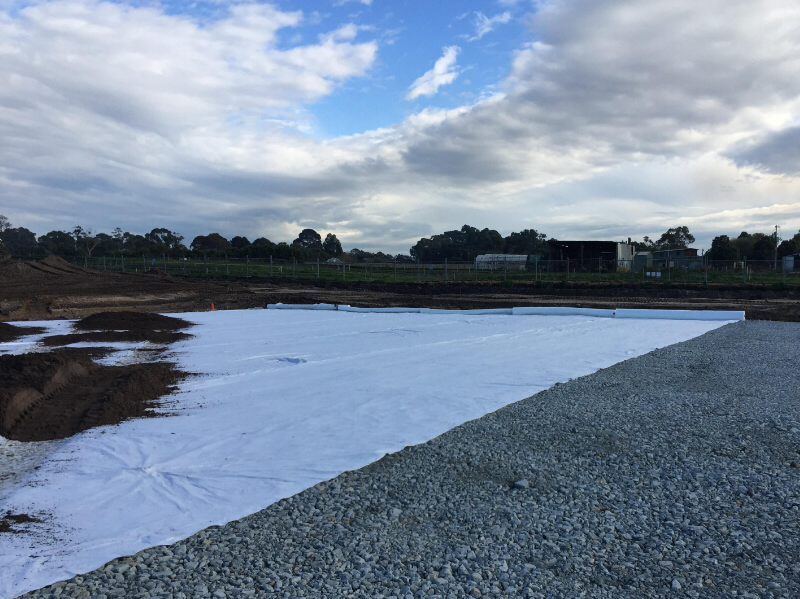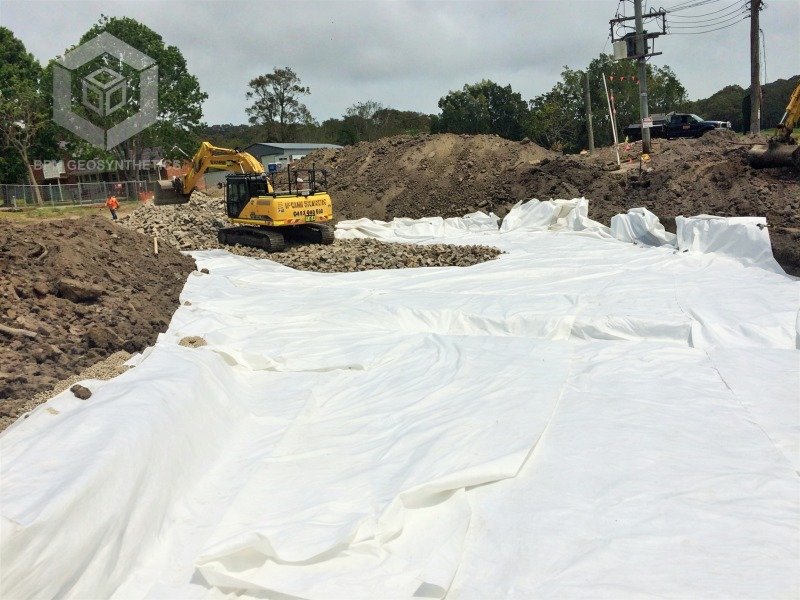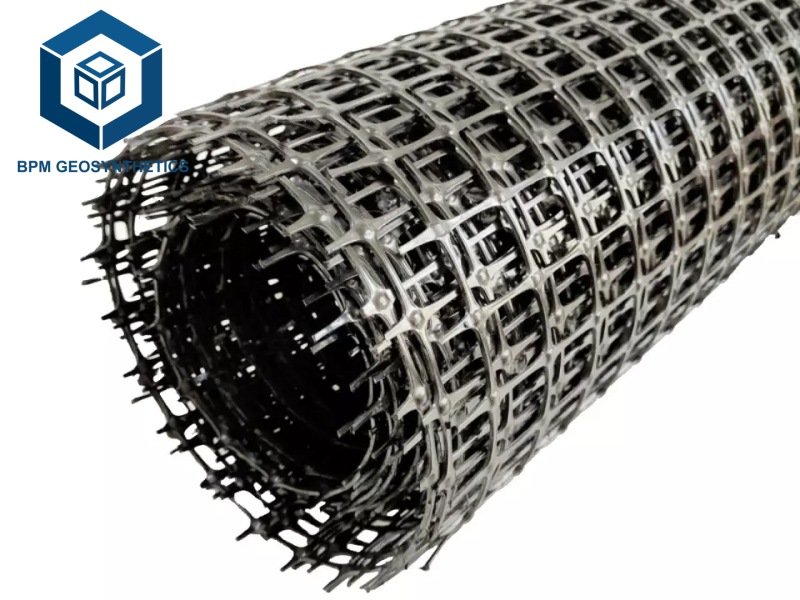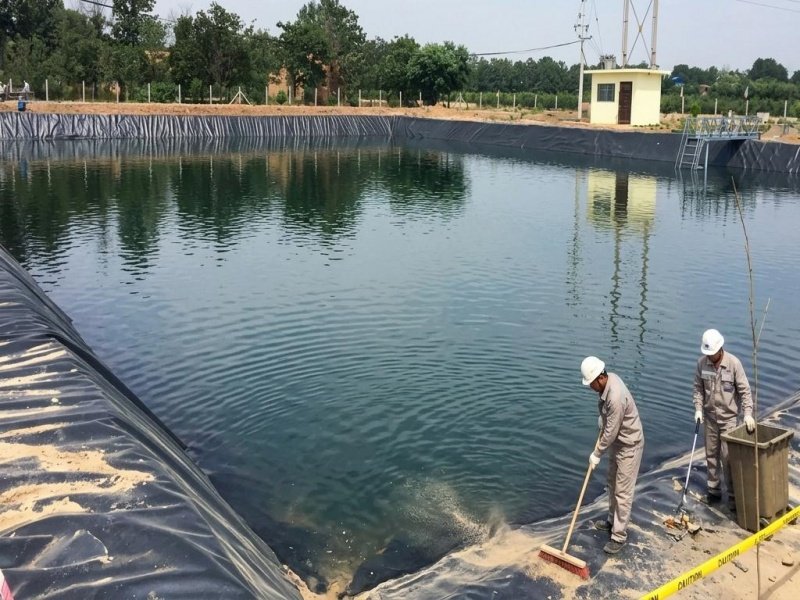
Australia’s geotextile market is a core segment of the national geosynthetics industry, valued at USD 673.1 million in 2024 and projected to reach USD 971.0 million by 2030, growing at a CAGR of 6.4% (Grand View Research, 2025). Geotextiles are essential for Australia’s harsh operating environments—arid outback mining, coastal erosion zones, heavy traffic highways, rail corridors, landfills, water reservoirs, and agricultural land stabilization. Key drivers include federal and state infrastructure spending, mine expansion, coastal protection mandates, landfill compliance, and road rehabilitation programs.
Geotextiles deliver four critical functions across Australian projects:
Separation – prevents subgrade soil from mixing with aggregate
Filtration – allows water passage while blocking fine particle migration
Stabilization – improves bearing capacity and reduces rutting
Protection – shields geomembranes and drainage layers from puncture
This 2026 ranking identifies the top 7 global geotextile manufacturers active in Australia, evaluated on local production capacity, product performance, certifications, supply chain reliability, technical support, and project track record across mining, infrastructure, environmental, and civil works.
How to Select the Best Geotextile Manufacturer in Australia
When choosing a geotextile supplier for Australian conditions, prioritize these factors:
Certification Compliance – ISO 9001, ISO 14001, ASTM D4595, AS/NZS 3706, GRI standards
Material Stability – UV resistance, chemical tolerance, and long term durability for extreme heat, salt, and mine acids
Local Supply Chain – Australian warehouses, short lead times, and logistics for remote mine and road sites
Technical Support – on site installation guidance, design advice, and testing services
Product Range – woven, non woven, PET/PP, lightweight to heavy industrial grades
Sustainability – recycled content, Australian Made, and environmental compliance
The 7 Best Global Geotextile Manufacturers in Australia
1.Geofabrics Australasia
Founded: 1978
Headquarters: Braeside, Victoria, Australia
Local Facilities: 2 manufacturing plants (Albury NSW, Ormeau QLD), national distribution network
Certifications: ISO 9001, ISO 14001, AS/NZS 3706, Australian Made
Key Products: Bidim® non-woven, Texcel® polyester, woven stabilization geotextiles, composite systems
Capacity & Coverage: Largest local geotextile producer; supplies roads, rail, mining, coastal, waste, and defense projects nationwide
Best For: Australian infrastructure, mining, and coastal protection; premium local manufacturing with in-house GRID testing laboratory
2.Solmax Australia
Founded: Group 1977; Australian operations established 2000s
Headquarters: Varennes, Canada; Australian base in Perth, WA
Certifications: ISO 9001, ISO 14001, GRI-GT8, ASTM, CE
Key Products: Non-woven, woven, and composite geotextiles for mining heap leach, landfills, water containment
Global Strength: Integrated global production; reliable supply for large scale mining and waste projects
Best For: Mining, landfill, and water containment; high chemical resistance and long term performance
3.NAUE Geosynthetics Australia
Founded: Group 1987; Australian distributor since 2010
Headquarters: Espelkamp, Germany; local base in Brisbane, QLD
Certifications: ISO 9001, ISO 14001, CE, DIBt, GRI standards
Key Products: Secugrid® composite geotextiles, non-woven protection geotextiles, high-puncture resistance liners
Differentiation: Superior puncture protection and composite systems for steep slopes and mine tailings
Best For: Tailings facilities, slope stabilization, and heavy duty infrastructure protection.
4.BPM Geosynthetics Australia
Founded: Group 2007; Australian branch 2018
Headquarters: Taian, China; local warehouse in Sydney
Certifications: ISO 9001, ISO 14001, CE, GRI-GT8, ASTM, SGS/Intertek tested
Key Products: Woven stabilization geotextile, non-woven filtration geotextile, 100–400 g/m²
Capacity & Lead Time: High output, fast delivery, competitive pricing for civil and mining projects
Best For: Cost effective large volume projects; roads, subdivisions, rural infrastructure, and mine access
5.Global Synthetics Australia
Founded: 1990s
Headquarters: Sydney, NSW
Certifications: ASTM D4595, AS/NZS 3706, NTPEP
Key Products: ProFab non-woven, woven geotextiles (100–400 g/m², 10–150 kN/m)
Market Position: Supplies ~60% of Australian road geotextile volume; strong in state road authorities
Best For: State road projects, highways, subdivisions, and commercial civil works
6.TenCate Geosynthetics Australia
Founded: Group 1909; Australian presence since 2005
Headquarters: Almelo, Netherlands; local office in Melbourne
Certifications: AASHTO, ASTM, CE, ISO 9001
Key Products: Mirafi® woven & non-woven geotextiles for stabilization, filtration, and reinforcement
Technical Edge: Global R&D; engineered solutions for rail, heavy pavements, and reinforced soil structures
Best For: Rail corridors, airport pavements, heavy duty road bases, and engineered retaining walls
7.Jaybro Geosynthetics
Founded: Group 2000; geosynthetics division 2015
Headquarters: Melbourne, Victoria
Certifications: AS/NZS 3706, ISO 9001
Key Products: GEOmasta™ non-woven, woven, and erosion control geotextiles
Distribution: National network across NSW, QLD, VIC; tailored for civil contractors and local government
Best For: Local government works, subdivisions, small-to-medium civil, and rural road projects
Summary
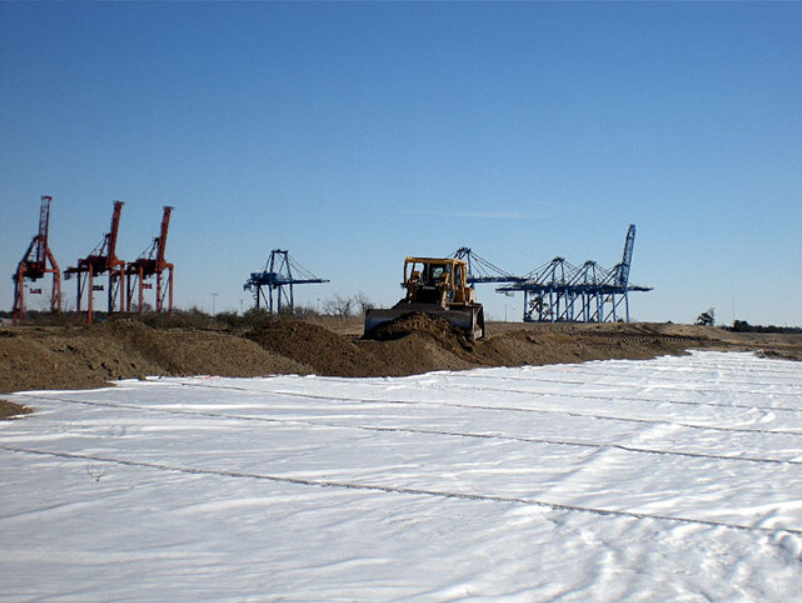
Australia’s geotextile market features a balanced ecosystem of local leaders, global manufacturers, and specialized distributors to match every project scale and environment.
Geofabrics Australasia dominates domestic manufacturing and infrastructure supply.
Solmax and NAUE lead in high end mining, landfill, and tailings applications.
BPM and Global Synthetics deliver high-volume, cost-effective solutions for roads and civil works.
TenCate and Jaybro serve engineered rail, commercial, and municipal segments.
Together these seven manufacturers ensure reliable supply, compliance with Australian standards, and performance tailored to the continent’s unique mining, infrastructure, coastal, and environmental challenges.