Ultimate Guide To HDPE Sheet for Farm Pond
Farmers today face a relentless challenge: conserving water while maximising land use. Unlined farm ponds often lose thousands of gallons through seepage and evaporation, wasting valuable resources and driving up operational costs. Fortunately, modern geosynthetic technology offers a powerful solution. High-Density Polyethene (HDPE) sheets have revolutionised water management by providing a durable, chemical-resistant barrier that locks in moisture. This guide explores every aspect of HDPE liner, helping you make informed decisions for your agricultural investment.
1. Introduction to HDPE Liners for Farm Ponds
1.1 Why Liners Are Essential for Modern Agriculture
Water scarcity directly impacts crop yields and livestock health. Without a reliable liner, farm ponds suffer significant water loss, forcing farmers to rely on unpredictable rainfall or expensive well pumping. HDPE liner transforms a simple dugout into a controlled reservoir, ensuring water availability during critical dry spells.
1.2 What Makes HDPE Liner the Preferred Choice
You need a material that withstands harsh conditions. HDPE outperforms alternatives because it combines high tensile strength with exceptional chemical resistance. Unlike concrete, HDPE flexes with ground movement without cracking. Unlike clay liners, it maintains consistent impermeability regardless of soil type.
1.3 Overview of Benefits: Durability, Cost-Effectiveness, and Environmental Safety
HDPE sheet delivers three core advantages.
- First, they offer exceptional durability, often lasting 20 years or more.
- Second, they provide cost-effectiveness by drastically reducing water waste and minimizing repair needs.
- Third, they ensure environmental safety, as HDPE is non-toxic and prevents contaminants from leaching into groundwater.
2. Understanding HDPE: Material Properties and Specifications
2.1 What Is HDPE? Composition and Manufacturing Process
HDPE originates from high-density polyethylene resin, a thermoplastic known for its crystalline structure. Manufacturers like BPM Geosynthetics extrude this resin into uniform sheets, creating a robust barrier. The process ensures consistent thickness and eliminates weak points that might compromise performance.
2.2 Key Physical Properties: Tensile Strength, Flexibility, and UV Resistance
HDPE boasts remarkable tensile strength, allowing it to resist punctures from roots or rocks. Its flexibility enables it to conform to uneven pond bottoms without tearing. Additionally, manufacturers add carbon black for UV resistance, preventing sun damage that degrades other materials over time.
2.3 Thickness Options: From 20 mil to 80 mil – How to Choose
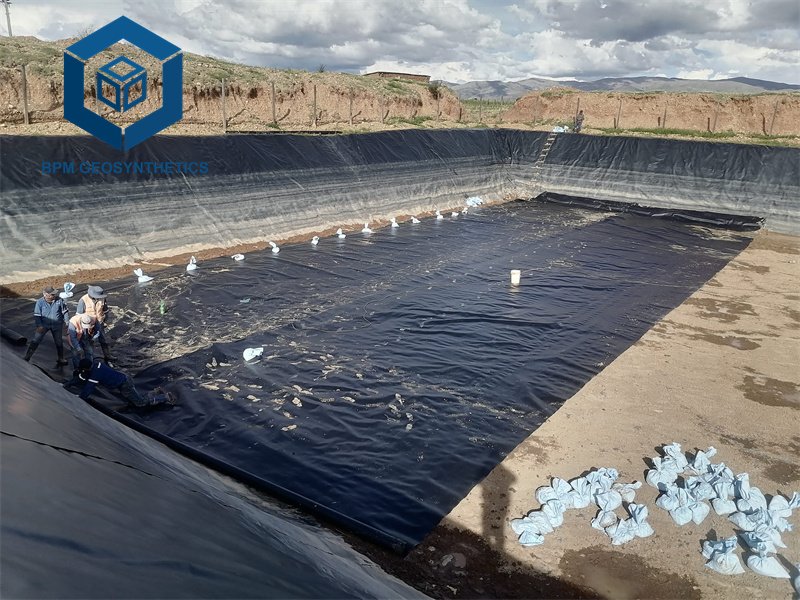
Thickness directly affects puncture resistance and installation demands. A 20-mil liner suits small, well-prepared ponds with minimal traffic. For larger reservoirs or areas with rocky soil, you should select 40 to 80 mil. Thicker liners provide greater safety margins against accidental damage.
2.4 Understanding Textured vs. Smooth HDPE Liners
Smooth liners offer lower material costs and work well for sloped applications where friction is not critical. Textured liners, however, feature a textured surface that increases friction. When you install on steep slopes, textured HDPE prevents slippage and enhances overall stability.
3. Benefits of Using HDPE Sheets in Farm Ponds
3.1 Water Conservation: Reducing Seepage and Evaporation
An HDPE liner virtually eliminates seepage, allowing you to retain every drop of rainfall or pumped water. Furthermore, the dark surface absorbs solar heat, but the barrier itself prevents water from escaping into the subgrade. Consequently, you achieve maximum water conservation with minimal loss.
3.2 Longevity: Resistance to Chemicals, Roots, and Weather Extremes
You benefit from HDPE’s exceptional lifespan. The material resists chemical degradation from fertilizers and pesticides. Its dense structure blocks root penetration, preventing biological damage. Even under extreme temperature fluctuations, HDPE maintains flexibility and integrity.
3.3 Cost Efficiency: Lower Maintenance vs. Concrete or Clay Liners
Concrete cracks require expensive repairs, and clay liners demand constant compaction. In contrast, HDPE requires minimal upkeep. A simple annual inspection suffices to maintain performance. Over time, the reduced labor and material costs make HDPE the most economical choice.
3.4 Environmental Safety: Non-Toxic and Safe for Livestock and Crops
HDPE meets stringent safety standards. It contains no plasticizers or harmful additives that could leach into the water. Therefore, you can confidently use the pond for livestock watering, irrigation, or even fish farming without risking animal health or soil contamination.
4. Choosing the Right HDPE Liner for Your Farm Pond
4.1 Comparing HDPE with Other Liners: PVC, EPDM, and Clay
PVC offers flexibility but lacks UV resistance and longevity. EPDM rubber provides excellent elasticity but comes at a higher cost and lower puncture resistance. Clay liners require specific soil types and extensive compaction. HDPE combines durability, chemical resistance, and cost-effectiveness, making it the superior choice for most farm applications.
4.2 Selecting Thickness Based on Pond Usage and Soil Conditions
You should match the thickness to your specific conditions. For a simple irrigation pond with sandy soil, 30 mil often works well. For aquaculture ponds where fish movement might stress the liner, 40 to 60 mil provides extra strength. For heavy equipment access, 80 mil ensures maximum durability.
4.3 UV-Stabilized vs. Non-Stabilized: When It Matters
UV stabilization is critical for exposed ponds. Non-stabilized liners degrade rapidly under sunlight, cracking within months. Always choose UV-stabilized HDPE, especially in regions with intense sun exposure. Reputable suppliers like BPM Geosynthetics exclusively offer fully stabilized products designed for long-term outdoor use.
4.4 Color Options: Black vs. White – Impact on Algae and Water Temperature
Black liners absorb heat, which can accelerate algae growth in shallow ponds but also helps warm water for certain crops. White liners reflect sunlight, keeping water cooler and reducing algae proliferation. Your choice depends on your climate and the pond’s primary use.
5. Maintenance and Long-Term Care
5.1 Routine Inspection: Checking for Punctures, Tears, and Seam Integrity
You should inspect your liner twice a year, ideally after extreme weather events. Walk the perimeter and examine seams carefully. Look for any signs of lifting or exposed edges. Early detection of small issues prevents major failures later.
5.2 Cleaning and Algae Control
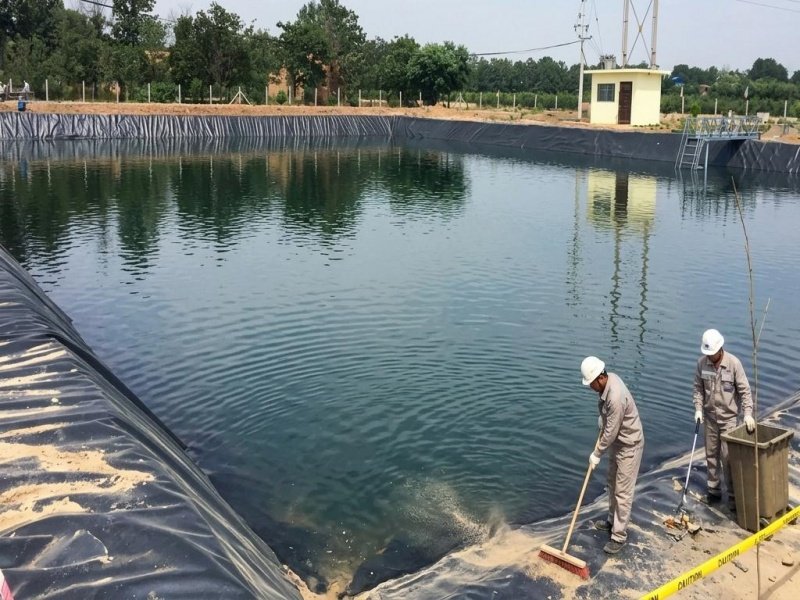
Algae growth does not damage HDPE, but it can clog pumps and reduce water quality. You can manage algae by introducing aeration systems or using safe algaecides. Simply rinsing the liner with a pressure washer removes accumulated debris without harming the material.
5.3 Repairing Damaged Areas: Patching Kits and Procedures
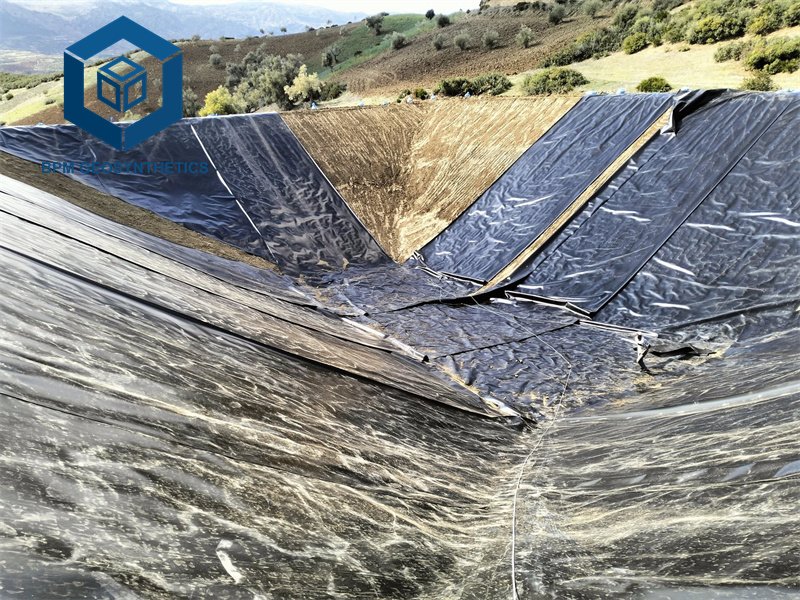
When damage occurs, repairs are straightforward. You cut a patch from compatible HDPE material, clean the area thoroughly, and weld or adhere the patch over the puncture. Many suppliers, including BPM Geosynthetics, offer ready-to-use repair kits with detailed instructions.
5.4 Managing Water Level Fluctuations and Sediment Buildup
Repeated drawdowns expose the liner to UV radiation and temperature swings. To protect it, avoid draining the pond completely unless necessary. Additionally, periodic sediment removal prevents abrasive particles from grinding against the liner surface.
6. Cost Analysis and Budgeting
6.1 Material Costs per Square Foot: Factors Affecting Price
Material prices vary based on thickness, texture, and quantity. Thicker liners cost more per square foot, but they deliver greater longevity. Bulk purchases reduce per-unit costs significantly. You should request quotes from multiple suppliers to compare value rather than just price.
6.2 Installation Costs: DIY vs. Professional Contractors
DIY installation saves labor costs if you have a small pond and experience with geomembranes. However, large ponds require professional crews with welding equipment to ensure seam integrity. Hiring certified installers adds upfront expense but eliminates costly leaks and rework.
6.3 Long-Term ROI: Reduced Water Loss and Extended Pond Lifespan
When you calculate return on investment, consider water savings. A lined pond reduces pumping energy, extends water availability, and eliminates the need for expensive clay importation. Most farmers recoup their liner investment within three to five years through operational savings.
7. Environmental Impact and Sustainability
7.1 Preventing Groundwater Contamination
Unlined ponds allow fertilizers and animal waste to seep into groundwater. HDPE forms a complete barrier, protecting aquifers from contamination. This proactive measure safeguards community water supplies and complies with environmental regulations.
7.2 Reusability and Recyclability of HDPE Materials
At the end of its service life, HDPE remains valuable. You can remove, clean, and repurpose the liner for other projects. Additionally, manufacturers recycle HDPE into new products, closing the material loop and reducing landfill waste.
7.3 Contribution to Sustainable Water Management in Agriculture
By minimizing evaporation and eliminating seepage, HDPE liners promote sustainable water use. They enable farmers to harvest rainwater efficiently and store it for dry periods. This approach reduces reliance on groundwater extraction and supports long-term agricultural resilience.
8. Frequently Asked Questions (FAQs)
8.1 How long does an HDPE pond liner last?
With proper installation and UV stabilization, HDPE liners typically last 20 to 30 years. Factors like water chemistry, mechanical stress, and maintenance practices influence actual lifespan.
8.2 Can HDPE liners be used for fish farming?
Yes, HDPE is safe for aquaculture. It resists fish waste chemicals and provides a clean, non-toxic environment. Many commercial fish farms rely on HDPE liners for their durability and ease of cleaning.
8.3 Is underlayment always necessary?
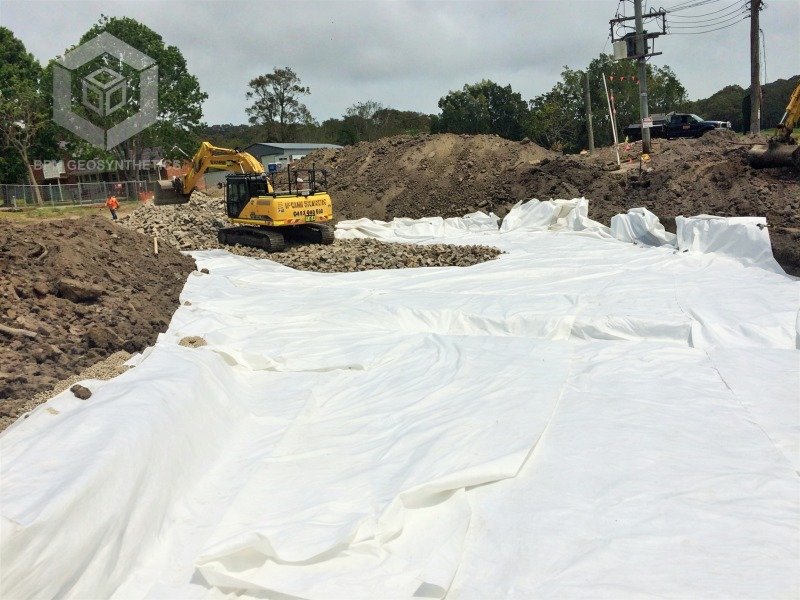
You should always use underlayment when the soil contains sharp rocks, roots, or debris. Geotextile underlayment cushions the liner and prevents punctures. For smooth, sandy subgrades, underlayment may be optional but still recommended.
8.4 What thickness is best for a farm pond?
For most farm ponds, 40 to 60 mil offers the best balance of durability and cost. If you anticipate heavy equipment use or rocky conditions, choose 80 mil. For small, low-risk ponds, 30 mil suffices.
9. Conclusion
9.1 Final Recommendations for Farmers and Landowners
You should view an HDPE liner as a long-term investment in water security. Start by assessing your pond’s soil, slope, and usage patterns. Then select an appropriate thickness and texture. Prioritize UV-stabilized materials from trusted manufacturers to ensure longevity.
9.2 Where to Source Quality HDPE Sheets and Professional Installers
You must partner with reputable suppliers who provide certified materials and technical support. BPM Geosynthetics stands out as a reliable source, offering high-quality HDPE sheets backed by industry expertise. They can also connect you with experienced installation contractors who ensure proper seaming and anchoring. By choosing quality materials and professional installation, you secure a water resource that will serve your farm for decades.