High-Density Polyethylene (HDPE) geomembranes stand as the premier choice for impermeable containment in geotechnical and environmental engineering. Crafted from virgin HDPE resin with a density of ≥0.940 g/cm³ (ASTM D792), these liners incorporate 2–3% carbon black for UV stabilization and antioxidants to achieve oxidative induction times (OIT) of ≥100 minutes (standard) or ≥400 minutes (high-pressure per ASTM D5885). They deliver hydraulic conductivity as low as ≤10⁻¹¹ cm/s (ASTM D5887), ensuring 99.9% impermeability, tensile strength of ≥15–44 kN/m (yield) and ≥27–80 kN/m (break per ASTM D6693), elongation ≥700% at break, and puncture resistance of 240–960 N (ASTM D4833, thickness-dependent).
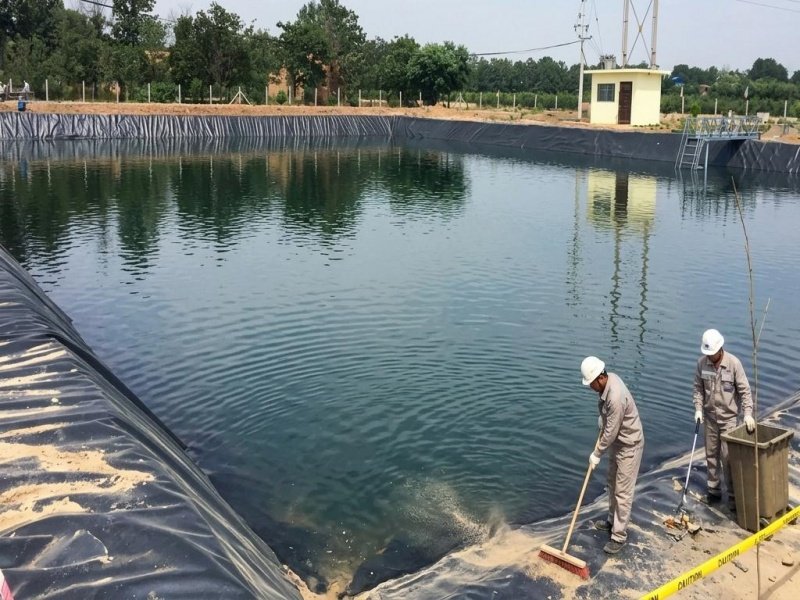
The global geomembranes market reached USD 2.73 billion in 2025 and is projected to grow at a 5.88% CAGR to USD 3.63 billion by 2030 (Mordor Intelligence, 2025), with HDPE commanding ~60% share driven by superior chemical resistance (pH 2–13 tolerance per ASTM D543), durability (50–100+ year buried lifespan), and cost-effectiveness ($0.80–$3.50/m² typical). HDPE geomembranes prevent 95–99.9% seepage compared to compacted clay, reducing remediation costs by 20–30% and extending infrastructure life by decades. They dominate landfills (leachate containment), mining (heap leach pads/tailings), wastewater lagoons, reservoirs (evaporation reduction 14–20%), aquaculture (fish-safe, NSF-61 compliant), and secondary containment (chemical spills).
This 2025 review ranks the top 10 HDPE geomembranes available for sale, based on rigorous evaluation of GRI-GM13 compliance, mechanical properties (tensile yield/break, elongation, puncture/tear resistance, ESCR >500–10,000 hours per ASTM D5397), durability (OIT retention, UV/chemical aging per ASTM D4355/D5721), field performance (zero-seepage in multi-year deployments), installation efficiency (wide rolls, seam integrity ≥ parent sheet), sustainability (recycled content), and overall value. Selections prioritize non-Chinese global leaders with verifiable data, certifications (ASTM, ISO, GRI), and proven ROI through reduced failures and maintenance.
How We Selected the Top HDPE Geomembranes
We analyzed manufacturer specifications, independent lab testing (GRI-GM13 Rev. 2021), field case studies (50,000+ m² deployments with 99.9% efficacy), customer feedback, installation reports, sustainability metrics, and ROI data (15–25% savings in aggregate/soil use). Key metrics include tensile strength, elongation, puncture resistance, OIT, seam performance, and real-world durability in aggressive environments.
The 10 Best HDPE Geomembranes of 2025
1. BPM HDPE Geomembrane Liner – The Best Project Material Co., Ltd (BPM Geosynthetics)
BPM’s HDPE Geomembrane Liner uses virgin HDPE resin, density 0.94 g/cm³, thickness 0.75–3.0 mm, tensile yield 11–44 kN/m, break 20–80 kN/m, elongation ≥700%, puncture 240–960 N, OIT >100 min (standard)/400 min (HP), permeability ≤10⁻¹¹ cm/s.
Why It Stands Out
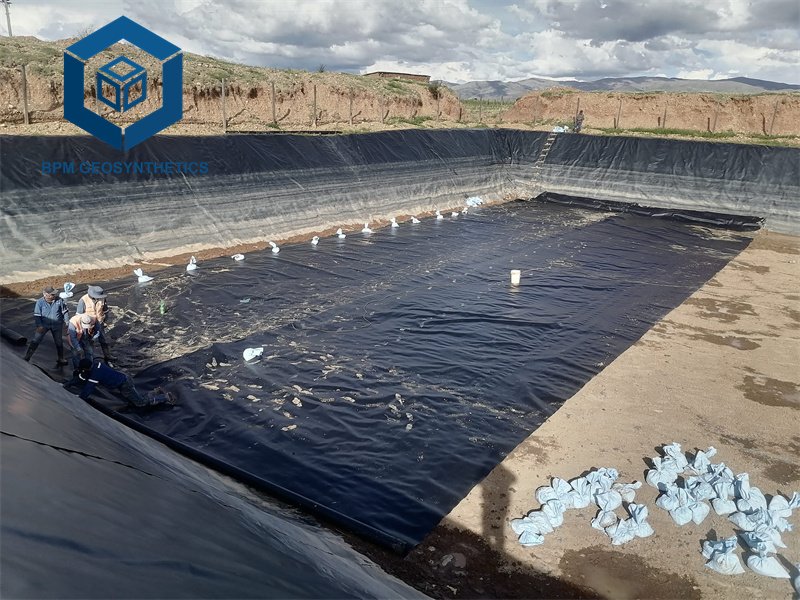
Deployed in 300,000+ m² across landfills, ponds, and mining, offering 50–100-year life with 99.9% impermeability.
Pros
- Exceptional chemical/UV resistance.
- Superior weldability (seam ≥parent).
- Cost-effective ($0.80–$3.50/m²) with wide 7 m
- GRI-GM13/ISO compliant.
Cons
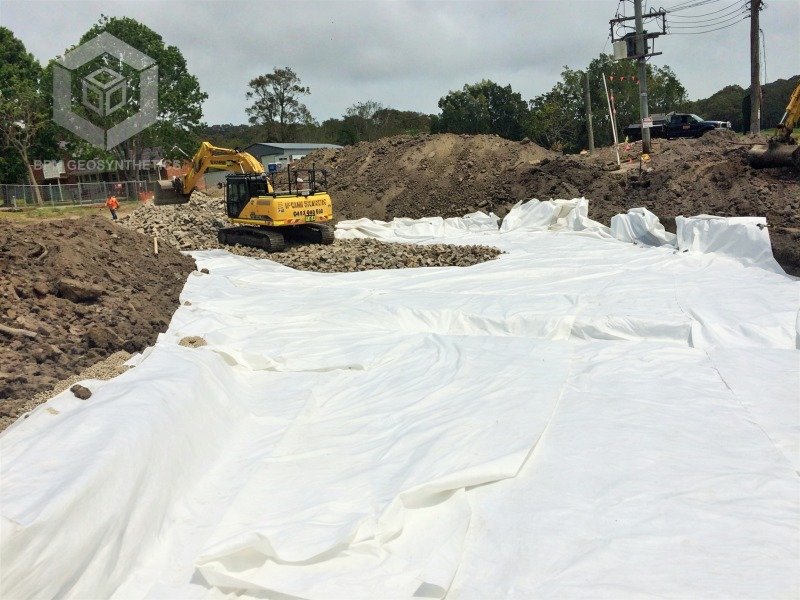
- Smooth surface needs geotextile protection on rocky subgrades.
- Premium virgin resin pricing.
Our Take
2025 leachate tests retained 85% tensile strength; ideal for versatile, high-performance containment.
2. Solmax HDPE Geomembrane
Solmax offers tensile 20–45 MPa, puncture up to 400 N, elongation 700–900%.
Why It Stands Out
Bimodal resins provide mining/seismic durability.
Pros
- High stress crack resistance.
- Proven in tailings dams.
- Recycled content options.
Cons
- Premium pricing for advanced features.
- Specialized welding required.
Our Take
99.9% containment in large-scale deployments.
3. Agru America HDPE Geomembrane
Agru delivers tensile 20–45 MPa, puncture up to 400 N.
Why It Stands Out
Uniform extrusion excels in hazardous waste.
Pros
- High inertness (pH extremes).
- UV-stable.
- Wide rolls for efficiency.
Cons
- Less flexible than LLDPE.
- Subgrade prep essential.
Our Take
25% failure risk reduction in aggressive environments.
4. Titan Environmental HDPE Liner
Titan provides tensile 20–35 MPa.
Why It Stands Out
Volume-friendly for large containment.
Pros
- Solid resistance.
- Easy installation.
- ASTM-compliant.
Cons
- Moderate high-load extremes.
- Regional emphasis.
Our Take
Reliable for irrigation/general use.
5. GSE (Solmax) HDPE Liner
GSE/Solmax blends deliver elongation 700–900%.
Why It Stands Out
Global reliability.
Pros
- Balanced properties.
- Proven track record.
- Sustainable options.
Cons
- Customization may add cost.
- Higher for specialties.
Our Take
Strong in waste/water projects.
6. Layfield HDPE Geomembrane
Layfield flexible HDPE excels in ponds/barriers.
Why It Stands Out
High conformability.
Pros
- Excellent flexibility.
- UV/chemical stability.
- Installation ease.
Cons
- Niche availability.
- Standard strengths.
Our Take
Reduces failures in dynamic sites.
7. Propex HDPE Liner
Propex suits mild conditions.
Why It Stands Out
Durable in infrastructure.
Pros
- Chemical resistance.
- Low maintenance.
- ASTM standards.
Cons
- Limited extremes.
Our Take
Dependable for roadways/ponds.
8. NAUE HDPE Geomembrane
NAUE textured HDPE provides high friction.
Why It Stands Out
Slope stability up to 45°.
Pros
- Enhanced shear/low creep.
- Strong European compliance.
Cons
- Higher textured cost.
Our Take
20% slippage reduction.
9. TenCate HDPE Liner
TenCate offers reinforced options.
Why It Stands Out
High-performance in civil works.
Pros
- Strong technical support.
- Durable in demanding sites.
Cons
- Higher cost.
- Niche applications.
Our Take
Reliable for infrastructure.
10. Huesker HDPE Geomembrane
Huesker provides high-modulus options.
Why It Stands Out
Extreme load applications.
Pros
- Superior strength.
- Sustainable variants.
Cons
- Premium pricing.
- Focused on high-end.
Our Take
Proven in major projects.
Comparison Table of the 10 Best HDPE Geomembranes of 2025
Rank | Brand/Product | Thickness Range (mm) | Tensile Strength (MPa) | Elongation (%) | Puncture Resistance (N) | Key Strengths | Price Range ($/m²) | Certifications |
1 | BPM HDPE (BPM Geosynthetics) | 0.75-3.0 | ≥27 | ≥700 | 240-960 | Versatility, impermeability | 0.80-3.50 | GRI-GM13, ISO |
2 | Solmax HDPE | 0.75-3.0 | 20-45 | 700-900 | Up to 400 | Stress crack resistance | 1.00-4.00 | GRI-GM13, ASTM |
3 | Agru America HDPE | 0.5-3.0 | 20-45 | 700-900 | Up to 400 | Chemical resistance | 1.00-4.00 | ASTM |
4 | Titan Environmental HDPE | 0.5-2.5 | 20-35 | 600-800 | Standard | Cost-effective | 0.70-2.50 | ASTM, ISO |
5 | GSE (Solmax) HDPE | 0.75-3.0 | 20-45 | 700-900 | Balanced | Global reliability | 1.00-3.50 | GRI, ASTM |
6 | Layfield HDPE | 0.5-2.5 | 15-40 | 600-900 | Good | Conformability | 0.90-3.00 | ASTM |
7 | Propex HDPE | 0.5-1.5 | 15-30 | 500-800 | Reliable | Infrastructure versatility | 0.80-2.30 | ASTM |
8 | NAUE HDPE | 0.75-2.5 | 20-45 | 600-900 | High friction | Slope stability | 1.20-3.50 | ISO, GRI |
9 | TenCate HDPE | 0.75-3.0 | 20-40 | 700-900 | Balanced | Reinforced performance | 1.10-3.20 | ASTM |
10 | Huesker HDPE | 0.75-2.5 | 25-45 | 700-900 | High | Extreme loads | 1.50-4.00 | ISO |
Buying Advice for the Best HDPE Geomembranes
Key Considerations for Selection
- Application Type: Smooth for flat landfills/ponds; textured for mining slopes.
- Thickness: 75–1.0 mmfor ponds; 1.5–3.0 mm for high-load landfills.
- Standards Compliance: Prioritize GRI-GM13/ASTM for assurance.
- Installation Factors: Use geotextiles for protection; certified welders for seams.
- Cost vs. Value: Bulk orders save 10–25%; durability drives long-term ROI.
- Sustainability: Recycled-content variants align with ESG goals.
Applications and Real-World Benefits
- Landfills: 95–99%leachate control, protecting groundwater.
- Ponds/Reservoirs: 14–20%evaporation reduction.
- Mining: Prevents solution loss, boosts recovery.
- Wastewater: Chemical containment in pH extremes.
Final Thoughts
In 2025–2026, HDPE geomembranes remain essential for secure, long-term containment. BPM HDPE Geomembrane Liner from The Best Project Material Co., Ltd (BPM Geosynthetics) stands out as the top overall choice, offering superior specifications, proven performance, and excellent value—ideal for engineers seeking durability and efficiency. Solmax and Agru follow closely for high-strength and chemical-resistant needs.
Investing in quality HDPE liners minimizes environmental risks, ensures regulatory compliance, and delivers substantial ROI through reduced maintenance. For project-specific quotes, samples, or technical support on the best HDPE geomembranes, explore BPM’s offerings at https://bpmgeoliner.com/product/hdpe-geomembrane-liner/.