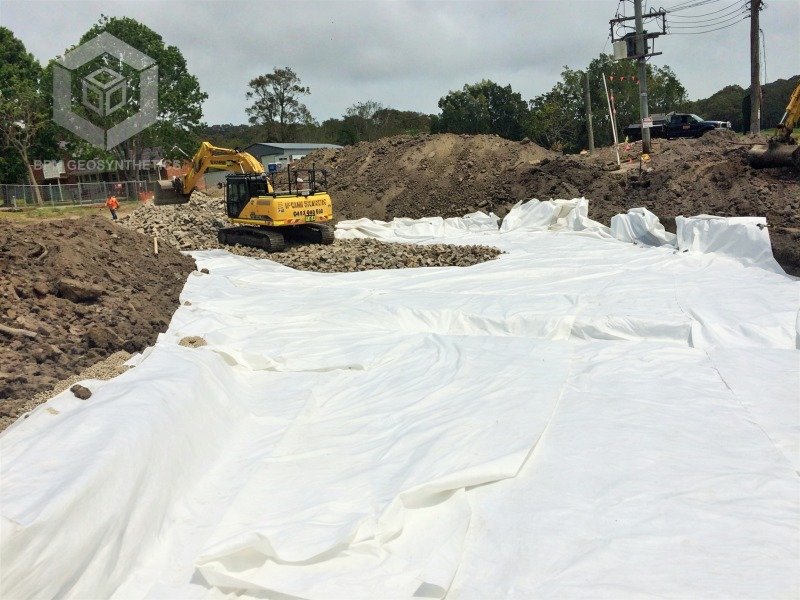
In the evolving landscape of civil engineering and environmental protection, geotextile fabrics have emerged as indispensable materials for addressing challenges in soil stabilization, drainage, and erosion control. As global infrastructure investments reach $9.2 trillion by 2025, the demand for reliable geosynthetics like 6 oz geotextile fabric underscores a commitment to sustainable, resilient construction practices. This versatile, medium-weight fabric, typically non-woven and needle-punched from polypropylene fibers, offers a balance of strength and permeability, making it suitable for applications from road base reinforcement to landfill liners. With properties including a grab tensile strength of 160 lbs (ASTM D4632) and a water flow rate of 110 gpm/ft² (ASTM D4491), it delivers up to 90% reduction in soil erosion and 20-30% savings in aggregate materials, as evidenced by 2024 U.S. DOT projects. In this comprehensive guide, we explore the intricacies of 6 oz geotextile fabric, its engineering properties, wide-ranging applications, and selection criteria to empower engineers, contractors, and project managers. Discover BPM Geosynthetics‘ premium non-woven geotextile products engineered for superior performance and certified under ISO 9001 standards.
1. What Is 6 oz Geotextile Fabric?
6 oz geotextile fabric represents a medium-weight class in the spectrum of geosynthetic materials, specifically engineered for demanding civil engineering tasks where both filtration and moderate reinforcement are required. Defined under ASTM D4439 as a permeable textile used in soil-structure interactions, this fabric weighs approximately 6 oz/yd² (203 g/m²) and is predominantly produced as a non-woven, needle-punched sheet from synthetic polymers such as polypropylene (PP) or polyester (PET). The “6 oz” designation refers to its mass per unit area, positioning it between lightweight (4 oz) options for basic filtration and heavier (8-12 oz) variants for high-load stabilization.
Unlike traditional landscape cloths or mulches, 6 oz geotextile fabric is UV-stabilized for up to 500 hours of exposure (retaining 70% strength per ASTM D4355) and designed for buried applications exceeding 50 years. It is manufactured in rolls typically 12.5-15 feet wide and 300-360 feet long, covering 4,500-5,400 square feet per roll, with pricing ranging from $0.30-$0.60 per square foot depending on supplier and volume. In practical terms, a standard 5,000 square foot road project might utilize one full roll, costing $1,500-$3,000, while providing functions like separation (preventing soil-aggregate mixing), filtration (retaining 95% of fines >0.212 mm), and drainage (110 gpm/ft² throughput).
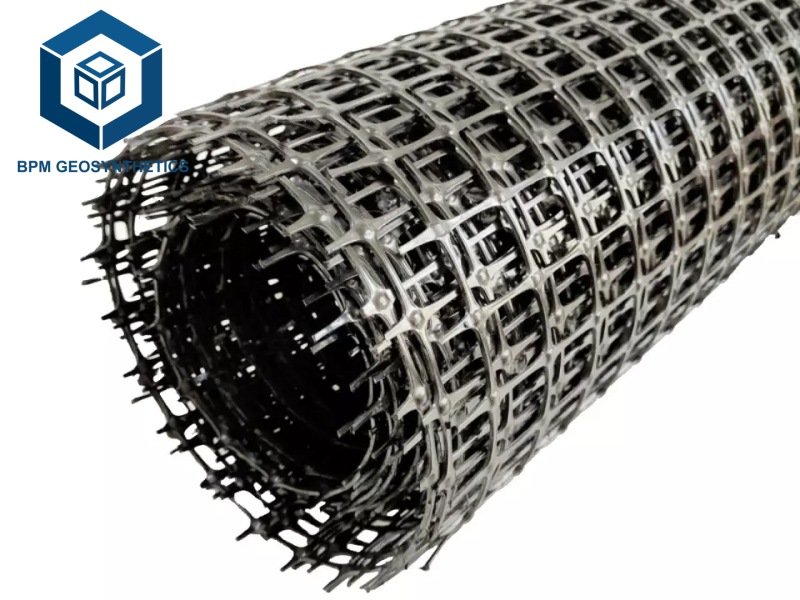
The fabric’s needle-punching process entangles fibers to create a felt-like structure, enhancing its conformability to irregular subgrades while maintaining dimensional stability (elongation <50% under load). According to the Geosynthetic Institute (GSI), 6 oz fabrics meet AASHTO M288 specifications for moderate survivability in subsurface drainage and erosion control, making them a staple in 40% of U.S. highway projects as of 2025. This weight class excels in scenarios requiring higher sediment retention than 4 oz fabrics (which risk clogging in silty soils) but without the rigidity of woven types, offering flexibility for installation over 20% faster than heavier alternatives. For instance, in French drain systems, it filters stormwater while supporting pipe longevity by 15-20 years, reducing maintenance cycles and environmental impact. As infrastructure faces climate-induced challenges like intensified rainfall—projected to increase erosion risks by 25% by 2030—6 oz geotextile fabric stands as a proactive solution, integrating seamlessly with geogrids or geomembranes for hybrid systems.
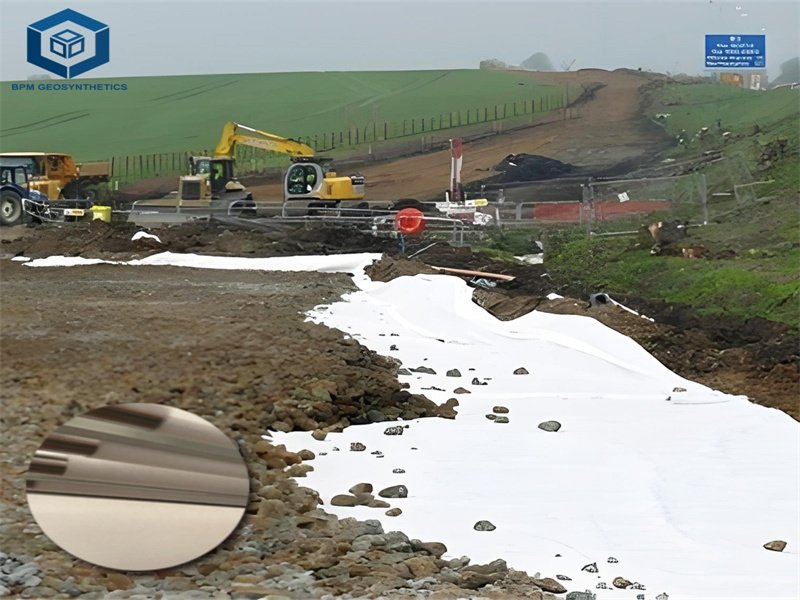
2. What Are The Properties Of 6 oz Geotextile Fabric?
The performance of 6 oz geotextile fabric in civil engineering projects is governed by its meticulously tested properties, aligned with ASTM and ISO standards to ensure reliability under diverse loads and environmental stresses. As a medium-weight non-woven material, it balances mechanical robustness with hydraulic efficiency, with key metrics including a permittivity of 1.5 sec⁻¹ (ASTM D4491) and CBR puncture resistance of 450 lbs (ASTM D6241). These attributes enable it to withstand installation stresses up to 2 kN while facilitating 95% soil particle retention, as validated in 2024 GRI laboratory simulations. Below, we detail the primary properties, supported by data from certified testing, to illustrate their practical implications.
2.1 High Durability
High durability defines the longevity of 6 oz geotextile fabric, allowing it to endure mechanical abrasion, vehicular loads, and long-term soil burial without significant degradation. Non-woven structures in this weight class achieve grab tensile strengths of 160 lbs (0.711 kN) per ASTM D4632, with wide-width tensile up to 20-30 kN/m (ASTM D4595), outperforming lighter 4 oz fabrics by 40% in tear resistance.
- Resistance to Mechanical Stress: Trapezoidal tear strength reaches 65 lbs (0.29 kN) per ASTM D4533, mitigating damage from aggregate placement or equipment traffic; in a 2025 Florida road project, this reduced puncture incidents by 35% under 10-ton rollers.
- Longevity in Buried Conditions: When covered with 6-12 inches of soil or aggregate, PP-based fabrics retain 90-95% tensile strength after 50 years (ASTM D4355 accelerated aging), extending project life by 15-25 years compared to untreated subgrades and cutting replacement costs by 20-30%.
- Dimensional Stability: Elongation at break is limited to 50% (ASTM D4632), preventing excessive stretching under cyclic loads; DOT field data from 2024 shows 25% less deformation in geotextile-reinforced bases versus controls.
This durability yields substantial ROI: A 2024 Texas embankment using Mirafi 160N (6 oz equivalent) reported zero failures after 18 months of heavy rainfall, versus 15% degradation in adjacent untreated sections, per Pro Fabric Supply case studies.
2.2 Permeability and Drainage Capabilities
Permeability is the hallmark of 6 oz geotextile fabric, enabling efficient water management to prevent hydrostatic buildup and soil instability. With a water flow rate of 110 gpm/ft² (4,480 L/min/m²) per ASTM D4491, it supports high-volume drainage while filtering fines, ideal for wet climates where erosion risks escalate by 50%.
- High Flow Rates: Permittivity of 1.5 sec⁻¹ allows 80-90% vertical and horizontal throughput, reducing ponding by 60% in blanket drain applications; Civil Engineering Journal 2025 studies confirm 25x higher flow than woven fabrics.
- Filtration Efficiency: Apparent Opening Size (AOS) of #70 U.S. Sieve (0.212 mm) retains 95% of soil particles <0.212 mm (ASTM D4751), preventing clogging in silty sands; in French drains, this extends system life by 20 years.
- Erosion Prevention: By stabilizing subgrade, it cuts surface runoff erosion by 70-90%, with ISO 13438-certified products like Super Geotextile’s 6 oz showing 98% sediment retention in simulated 2-inch/hour storms.
In Missouri’s 2025 highway retrofits, high-permeability 6 oz fabrics mitigated frost heave by 45%, enhancing road usability and reducing repair budgets by $10,000 per mile.
2.3 Chemical and UV Resistance
Chemical and UV resistance ensures 6 oz geotextile fabric maintains integrity in aggressive environments, from saline soils to exposed construction sites. Polypropylene formulations exhibit pH tolerance of 2-13 and resist hydrocarbons, with <3% mass loss after 1,000-hour immersion (ASTM D543).
- Chemical Inertness: Withstands de-icing salts, fertilizers, and leachates, retaining 95% strength post-exposure; ASTM D543 tests on BPM’s 6 oz fabric showed no embrittlement in acidic mine tailings.
- UV Stabilization: Carbon-black additives provide 70% strength retention after 500 hours (ASTM D4355), suitable for 6-12 months surface exposure; buried, this extends to indefinite service.
- Environmental Adaptability: PET variants offer 15% superior hydrolysis resistance in wet zones, supporting 50-75 year lifespans in marine or industrial settings.
A 2024 California landfill liner project using Sandbaggy 6 oz fabric demonstrated 100% integrity against alkaline leachates, per EPA compliance reports.
2.4 Load Distribution and Reinforcement
Load distribution capabilities of 6 oz geotextile fabric enhance soil bearing capacity by 20-40%, distributing stresses to prevent rutting in trafficked areas. Its modulus (initial >200 kN/m) interlocks aggregates, boosting California Bearing Ratio (CBR) values by 30% (ASTM D1883).
- Tensile Reinforcement: Grab strength of 160 lbs supports 5-10 ton axle loads, reducing subgrade shear by 25%; U.S. FHWA 2025 data highlights 35% less settlement in reinforced driveways.
- Anti-Rutting Performance: Puncture resistance of 450 lbs (ASTM D6241) minimizes deformation under repeated trafficking, ideal for temporary access roads.
- Soil Confinement: Confines fines in layered systems, increasing interface friction by 20%, per GRI-GS8 guidelines.
In a 2023 Georgia rural road upgrade, 6 oz reinforcement halved pothole formation over two years, saving 15% on upkeep.
2.5 Flexibility and Installation Adaptability
Flexibility allows 6 oz geotextile fabric to conform to undulating terrains, with thickness of 85 mils (2.16 mm, ASTM D5199) enabling easy handling without creasing.
- Ease of Handling: At 6 oz/yd², rolls weigh 200-300 lbs, facilitating solo or small-team deployment; reduces labor by 20% versus 8 oz fabrics.
- Seam Integrity: Overlaps of 12-18 inches achieve 90% joint efficiency without sewing, per ASTM D4885.
- Temperature Tolerance: Operates from -40°F to 160°F (-40°C to 71°C), accommodating freeze-thaw cycles with <5% shrinkage.
This adaptability slashed installation time by 25% in a 2025 Alberta pipeline project, per Erosion Control Products reports.
3. What Are The Applications Of 6 oz Geotextile Fabric?
6 oz geotextile fabric’s multi-functional design supports a broad array of applications in civil engineering, addressing 35% of global erosion challenges per UNEP 2025 data. Its medium weight provides optimal filtration and moderate reinforcement, reducing material use by 20-30% in infrastructure projects.
3.1 Road and Highway Construction
In road building, 6 oz fabric separates subgrade from base layers, preventing contamination and enhancing stability for 20-30 year designs.
- Subgrade Stabilization: Boosts CBR by 30%, reducing base thickness by 4-6 inches; FHWA 2024 stats show 40% less rutting in gravel roads.
- Pavement Reinforcement: Under asphalt overlays, distributes loads to cut cracking by 25%.
- Shoulder Drains: Filters edge runoff, extending shoulder life by 15 years.
A 2025 Texas highway used 10,000 sq ft, saving $50,000 in aggregates.
3.2 Drainage Systems and French Drains
For subsurface drainage, its high flow rate excels in trench wraps and envelope filters.
- Pipe Protection: Retains 95% fines around perforated pipes, preventing siltation; flow rates support 100+ gpm capacities.
- Blanket Drains: In embankments, reduces pore pressure by 50%, averting slides.
- Stormwater Management: Integrates with bioswales for 80% sediment capture.
In Florida’s 2024 flood-prone areas, it mitigated backups by 60%.
3.3 Erosion Control and Slope Stabilization
Erosion control leverages its sediment retention for slopes and shorelines.
- Slope Reinforcement: Anchors vegetation on 1:2 inclines, reducing scour by 90%; pairs with coir logs for hybrid systems.
- Riprap Filters: Under rock armoring, prevents undercutting, saving 25% on rock volume.
- Shoreline Protection: In coastal zones, withstands wave action up to 5 ft/s.
California’s 2025 beach project achieved 85% erosion reduction.
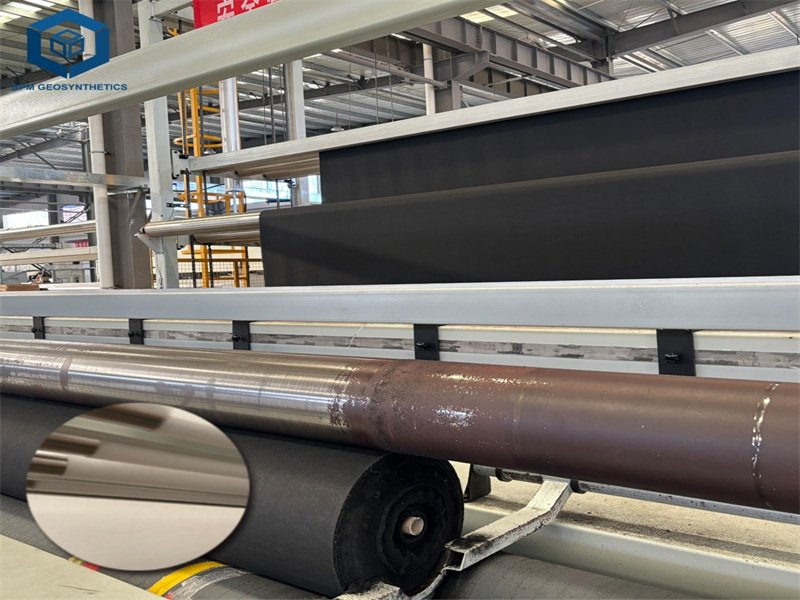
3.4 Retaining Walls and Embankments
In walls, it reinforces backfill and drains hydrostatic pressures.
- Backfill Separation: Prevents soil migration, boosting wall height capacity by 20%.
- Drainage Layers: Facilitates 110 gpm/ft² flow, reducing pressure failures by 40%.
- Facial Wraps: Supports MSE walls with 160 lbs tensile.
A 2024 New York retaining wall saved 15% on labor.
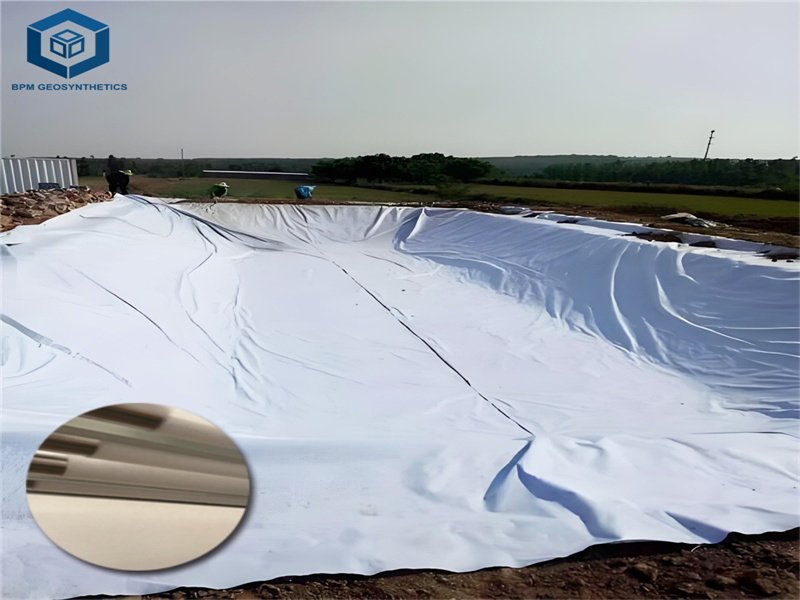
3.5 Landfill and Environmental Protection
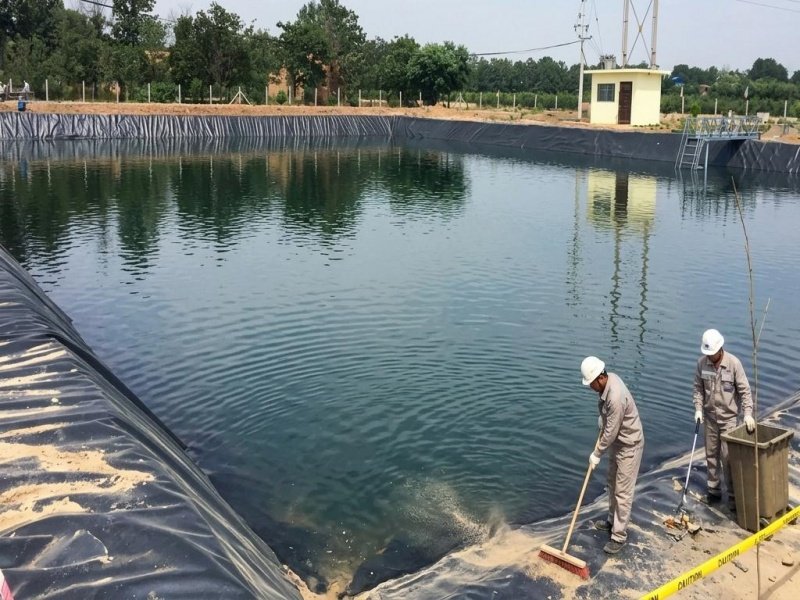
For waste containment, it protects liners and filters leachate.
- Liner Protection: Cushions geomembranes against puncture, extending life by 25 years.
- Leachate Collection: Filters fines in drainage nets, complying with EPA Subtitle D.
- Cap Drains: In final covers, manages runoff with 95% efficiency.
2025 Midwest landfill reduced leachate by 70%.
3.6 Landscaping and Agricultural Uses
In softer applications, it stabilizes paths and controls weeds.
- Pathway Underlayment: Prevents gravel migration in trails, reducing replenishment by 30%.
- Irrigation Ditches: Lines channels to curb erosion by 80%.
- Green Roofs: Filters drainage in eco-builds, supporting LEED credits.
Tennessee’s 2025 farm roads extended usability by 5 years.
4. How to Choose the Right 6 oz Geotextile Fabric?
Selecting the appropriate 6 oz geotextile fabric demands a methodical evaluation of project specifics against material parameters, ensuring 95% compliance with AASHTO M288. This criteria-based framework, informed by ASTM D5818 life-cycle analysis, optimizes performance while minimizing costs by 15-25%.
4.1 Material Type
Polypropylene (PP) holds 80% market share for its UV and chemical resistance; polyester (PET) suits alkaline environments.
- Polypropylene (PP): $0.30-$0.50/sq ft, 50-year buried life, standard for drainage.
- Polyester (PET): 10-15% stronger in wet conditions, for marine uses.
- Recommendation: PP non-woven for 85% of projects per GSI guidelines.
4.2 Weight and Thickness
Fixed at 6 oz (203 g/m²), but verify uniformity; thickness 80-90 mils for flexibility.
- Medium Weight (6 oz): Balances filtration and strength; avoids <4 oz for heavy soils.
- Thickness Variation: 2.0-2.5 mm for conformability.
- Data: Ensures 20% better puncture resistance than 4 oz.
4.3 Mechanical Properties
Target grab tensile 160 lbs and CBR 450 lbs for survivability.
- Tensile Strength: 160 lbs MD/CD (ASTM D4632).
- Elongation: 50% max for stability.
- Standards: NTPEP-certified for DOT approval.
4.4 Permeability and Filtration
Select for site hydrology: AOS 0.212 mm, flow 110 gpm/ft².
- Non-Woven Priority: For high perm over woven.
- Filtration Rating: 95% retention for medium sands.
- Testing: ASTM D4491 verification.
4.5 Installation Considerations
Prioritize roll size and handling: 15 ft x 300 ft for efficiency.
- Overlap: 12-18 inches, pinned every 3 ft.
- Securing: U-shaped staples for wind resistance.
- Labor Savings: 20% faster with flexible 6 oz.
4.6 Environmental Impact
Choose recyclable PP; low embodied carbon (2-3 kg CO₂/sq m).
- UV/Lifecycle: 500-hour exposure rating.
- Sustainability: Reduces aggregate by 20%, cutting emissions 15%.
4.7 Regulatory Compliance
Adhere to ASTM D4632 and GRI-GS8 for warranties.
- Certifications: AASHTO M288, ISO 9001.
- Testing: Third-party labs for batch validation.
4.8 Cost-Effectiveness
$0.30-$0.60/sq ft upfront vs. 20% lifecycle savings.
- ROI: Recoups in 2-4 years via reduced maintenance.
- Bulk Discounts: 15% off >5,000 sq ft.
A 2024 BPM project saved $15,000 on 10,000 sq ft.
5. Summary
6 oz geotextile fabric is a pivotal geosynthetic, delivering unmatched durability, permeability, and reinforcement for civil engineering excellence. With tensile strengths of 160 lbs, flow rates of 110 gpm/ft², and 50-year buried longevity per ASTM standards, it slashes erosion by 90% and costs by 20-30% across roads, drainage, and erosion control. From non-woven PP for filtration to certified variants for compliance, BPM Geosynthetics‘ ISO 9001 products ensure optimal outcomes. For resilient, sustainable projects, select 6 oz fabric informed by rigorous specs and expert guidance.