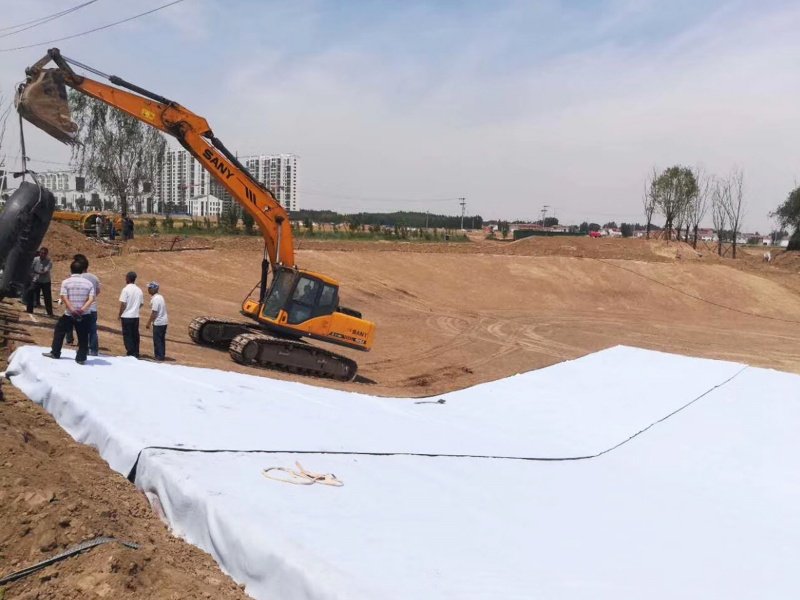
Geomembrane is a versatile geosynthetic material engineered for impermeable, waterproof, and corrosion-resistant applications across environmental protection, water conservancy, municipal engineering, agriculture, and construction. Composed of polymer resins (such as polyethylene, polyvinyl chloride, or ethylene-vinyl acetate) blended with anti-aging, UV-resistant, and reinforcing additives, it is manufactured through extrusion, calendering, or blow molding processes. BPM bpmgeosynthetics provides a comprehensive breakdown of geomembrane costs, ranging from $0.20–$6.80 per square foot ($2.15–$73.10/m²), exploring key influencing factors, material types, specification impacts, installation costs, and cost-saving tips to help projects achieve 99% anti-seepage efficiency while reducing expenses by 20–35%.
1.What is Geomembrane?
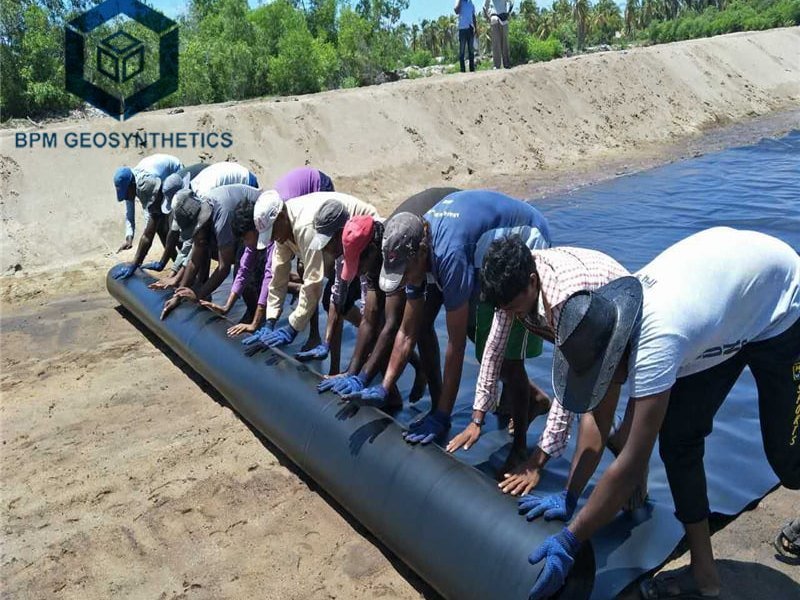
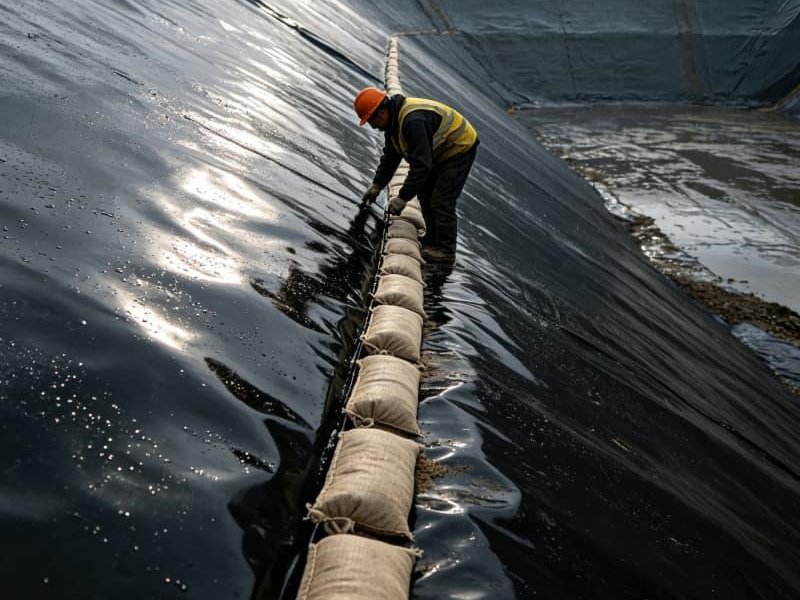
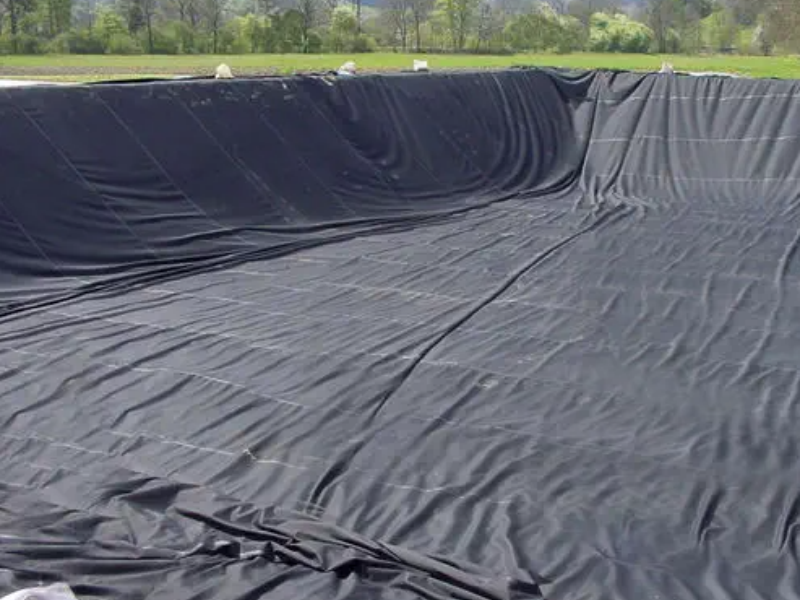
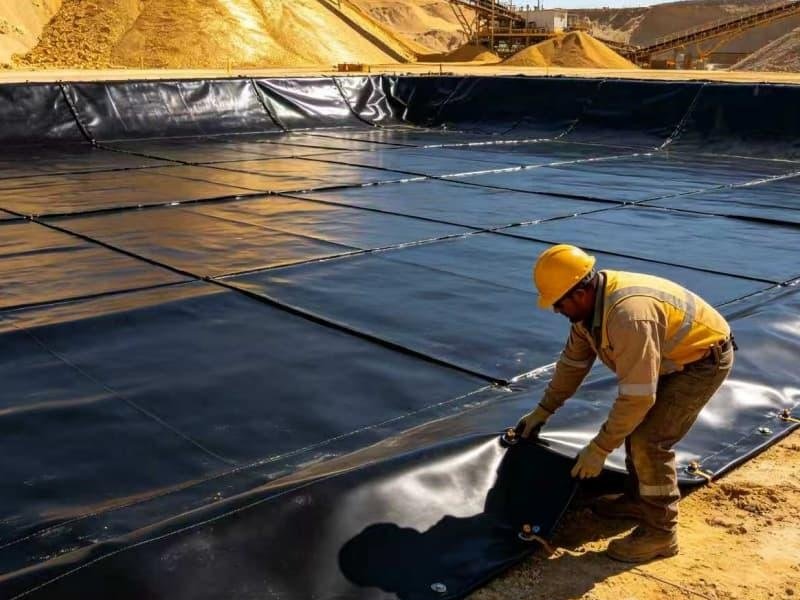
Geomembrane is a flexible, low-permeability sheet material designed to block the migration of liquids, gases, or solids. Its core principle relies on the dense molecular structure of polymer materials to form a physical barrier, while its excellent flexibility and elongation allow it to adapt to base settlement and deformation without damage. During construction, it is laid on prepared substrates and joined into a continuous system via hot-melt welding, adhesive bonding, or mechanical fastening, effectively preventing leakage in projects like landfills, reservoirs, artificial lakes, and roof gardens. Unlike traditional materials such as concrete or asphalt, geomembrane offers lighter weight, easier transportation, and faster installation, making it a preferred choice for both small-scale and large-scale engineering projects.
2.Types of Geomembrane
Geomembranes are classified by material type, structure, and application, with common categories including:
2.1By Material Type
- HDPE Geomembrane: High-density polyethylene-based, accounting for ~60% of the market. Boasts excellent chemical stability and long service life (50–70 years), ideal for high-demand projects like landfills and industrial sewage pools.
- LDPE/LLDPE Geomembrane: Low-density/linear low-density polyethylene-based, more flexible but lower tensile strength. Suitable for temporary projects or irregularly shaped sites like agricultural ponds.
- PVC Geomembrane: Polyvinyl chloride-based, flame-retardant and easy to install. Widely used in municipal wastewater treatment plants and roof waterproofing.
- EVA Geomembrane: Ethylene-vinyl acetate-based, resistant to low temperatures (-40°C to 80°C) and corrosion. Perfect for cold-region water conservancy projects and chemical storage facilities.
2.2By Structure
- Smooth Geomembrane: Flat surface, easy to weld and lay, the most cost-effective option for general anti-seepage projects.
- Textured Geomembrane: Surface with concave-convex texture (thickness of texture 0.3–0.8mm), enhancing friction coefficient by 30–50% to prevent slippage. Essential for steep slopes (slope ratio >1:3) or vertical anti-seepage works.
- Reinforced Geomembrane: Combined with non-woven geotextiles or fiberglass mesh, improving tensile strength by 40–60% and anti-puncture performance, suitable for harsh environments like mine tailings ponds or high-pressure reservoirs.
3.Factors Influencing Geomembrane Costs
3.1. Material Type–Geomembrane Cost
- HDPE Geomembrane: $0.80–$3.20/sq ft (virgin), $0.25–$1.30/sq ft (recycled).
- LDPE/LLDPE Geomembrane: $0.50–$2.00/sq ft, 20–30% cheaper than virgin HDPE.
- PVC Geomembrane: $1.20–$3.80/sq ft, higher cost due to flame-retardant and plasticizer additives.
- EVA Geomembrane: $1.50–$4.50/sq ft, premium pricing for low-temperature resistance and chemical stability.
3.2. Specifications–Geomembrane Cost
- Thickness: Common range 0.2–3.0mm. A 2.0mm membrane costs 150–250% more than 0.5mm, as thicker membranes require more raw materials and stricter production control.
- Width: 6–8m wide membranes cost 15–30% more than 2–4m ones but reduce welding joints by 50–70%, lowering leakage risks and installation time.
- Structure: Textured geomembranes are 10–25% pricier than smooth; reinforced types cost 30–50% more due to additional composite layers.
4. Production & Brand–Geomembrane Cost
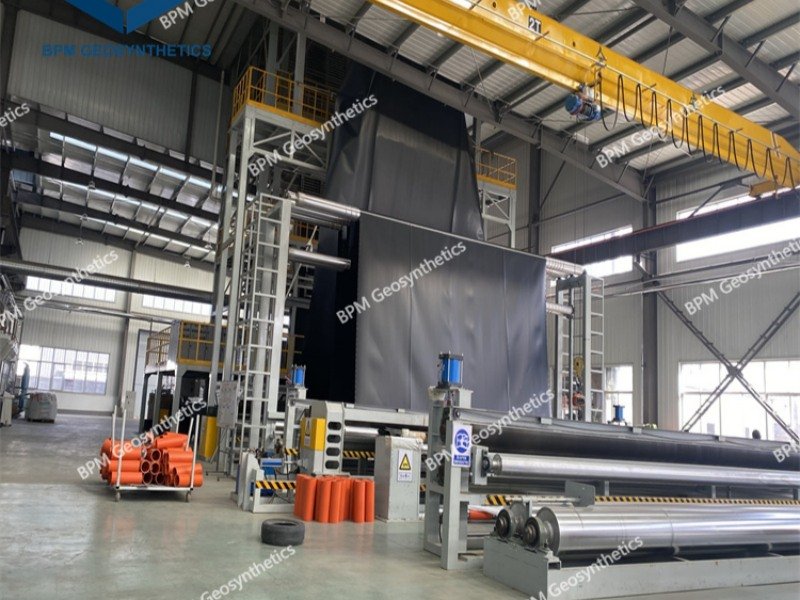
- Process: Advanced extrusion with online thickness detection and defect scanning technology adds 10–15% to cost but ensures thickness deviation <±5% and defect rate <0.3%.
- Brand: Reputable brands (e.g., GSE, Solmax) charge 15–25% more than generic ones, offering ISO/ASTM certifications and 5–10 year quality warranties.
5. Order & Procurement–Geomembrane Cost
- Bulk orders (≥10,000 sq ft) qualify for 15–25% discounts; small orders (<2,000 sq ft) have 20–30% higher unit costs due to fixed mold setup and transportation fees.
- Imported vs. local: Imported geomembranes incur 25–45% extra cost due to tariffs (5–12% of product value), ocean shipping ($0.10–$0.25/sq ft), and customs clearance fees.
6. Installation & Site Conditions (30–55% of total cost)–Geomembrane Cost
- Site preparation: Clearing, leveling, and compacting cost $0.30–$0.90/sq ft; rocky/uneven terrain requires additional gravel cushioning (cost $0.50–$1.20/sq ft), doubling overall prep costs.
- Labor: $0.40–$1.30/sq ft in urban areas, 20–30% lower in rural regions; complex terrain (mountains, wetlands) increases labor time by 60–100%, raising expenses.
- Welding/adhesives: Hot-melt rods cost $0.10–$0.35/sq ft; special adhesives for PVC/EVA (resistant to high humidity) cost $0.25–$0.60/sq ft.
7. Environmental & Regulatory Requirements–Geomembrane Cost
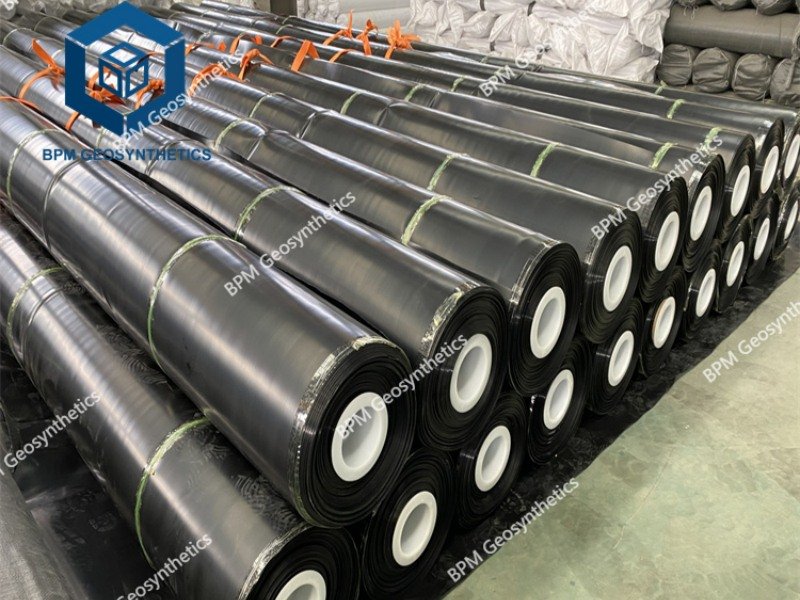
Projects in environmentally sensitive areas (e.g., near rivers or nature reserves) may require HDPE Liners with eco-friendly certifications (e.g., REACH, RoHS), increasing material costs by 8–15%. Some regions mandate third-party inspection of welding quality, adding $0.05–$0.15/sq ft to inspection fees.
7.1Geomembrane Price Breakdown
- Material: $0.25–$4.50/sq ft (varies by type and thickness); accessories (welding rods, adhesives, seam tapes) $0.10–$0.60/sq ft.
- Installation: Site prep $0.30–$0.90, labor $0.40–$1.30, welding/bonding $0.10–$0.35, equipment rental (welding machines, compactors) $0.15–$0.45/sq ft.
- Logistics & Overhead: Shipping $0.15–$0.45/sq ft (remote areas +20%), import tariffs $0.25–$0.60, admin/tax $0.05–$0.30/sq ft.
Typical total costs by application:
- Agricultural ponds/ditches: $0.70–$2.20/sq ft (recycled HDPE/LLDPE, 0.5–0.8mm).
- Municipal artificial lakes: $2.20–$4.80/sq ft (virgin HDPE/PVC, 1.0–1.5mm textured).
- Landfills: $3.80–$6.80/sq ft (enhanced HDPE/reinforced geomembrane, 1.5–2.0mm).
- Chemical storage tanks: $4.00–$6.50/sq ft (EVA/PVC, 1.2–2.0mm, chemical-resistant).
- Roof waterproofing: $3.20–$5.00/sq ft (PVC/EVA, 1.0–1.5mm smooth).
7.2Cost-Saving Strategies
- Choose the right material: Use recycled HDPE for low-demand projects; opt for local materials to avoid import tariffs and shipping costs.
- Optimize specifications: Select thickness based on project needs (e.g., 0.8mm for agricultural use vs. 1.5mm for landfills) to avoid overspending on unnecessary thickness.
- Bulk procurement: Combine orders with other projects or partner with other contractors to meet bulk discount thresholds.
- Simplify site prep: Clear vegetation and level terrain in advance; use sand cushions instead of gravel for slightly uneven sites to reduce material costs.
- Optimize welding efficiency: Train workers to improve welding speed (reduce labor time by 15–20%) and reduce material waste (keep welding rod waste <5%).
- Long-Term Lifecycle Planning: Invest in high-quality virgin or reinforced geomembrane for high-demand projects—though initial cost is 20–30% higher, it reduces replacement and maintenance costs by 50–70% over 20 years.
8.Conclusion
Geomembrane offers a cost-effective alternative to traditional waterproofing materials, with 50% lower initial costs than concrete lining, 70%+ reduced maintenance, and 2–3x longer lifespan. Total costs range from $0.70–$6.80/sq ft, depending on material, specifications, installation complexity, and regulatory requirements. For reliable performance, choose certified manufacturers with advanced production technology, customizable solutions, and on-site technical support. Whether for light-duty agricultural projects, municipal landscapes, or heavy-duty environmental protection works, geomembrane balances efficiency, durability, and cost savings, making it a cornerstone material for modern anti-seepage and waterproofing engineering.