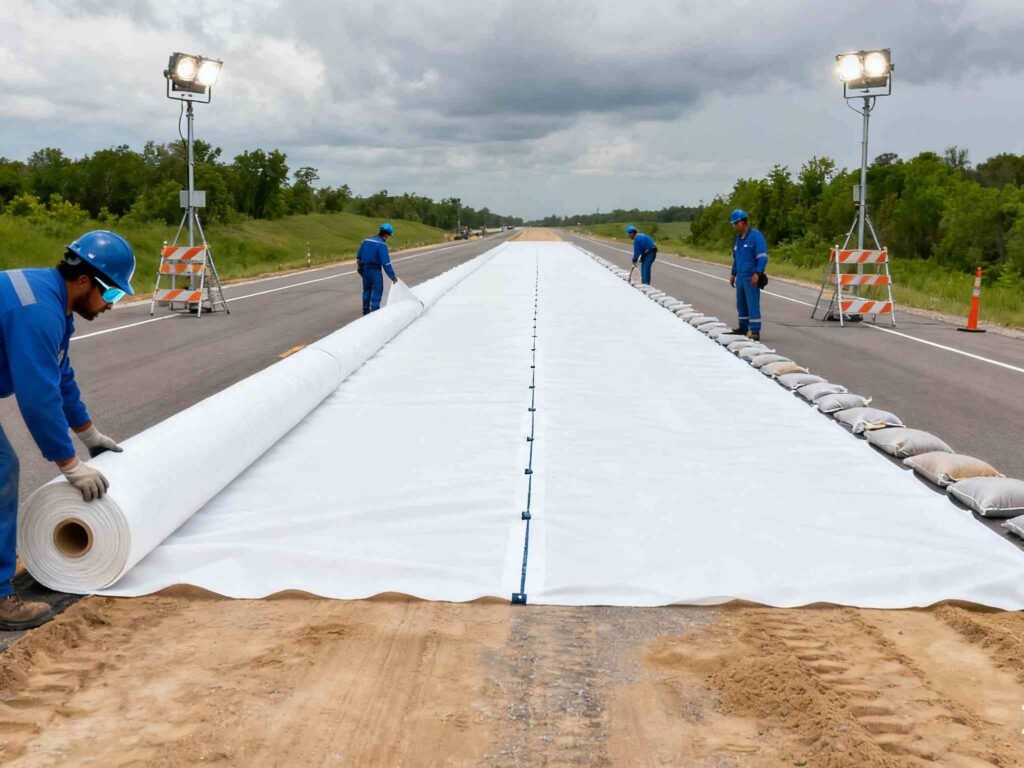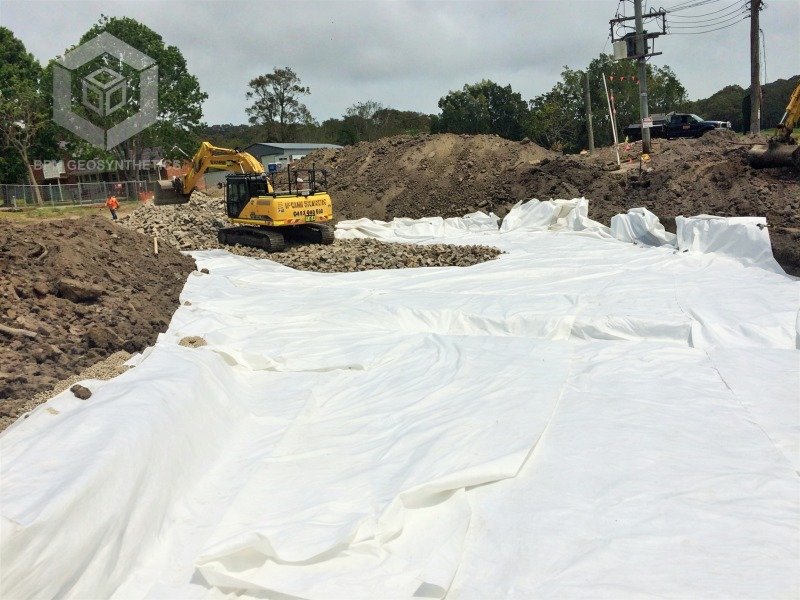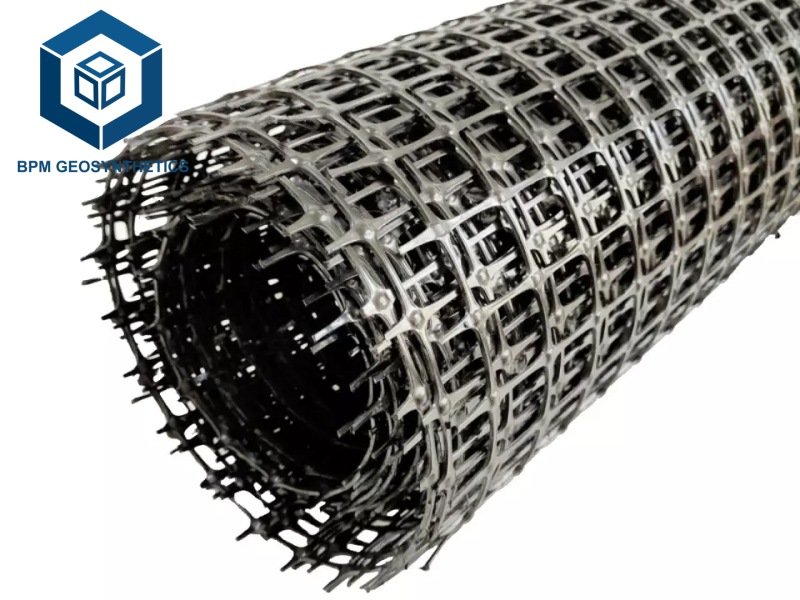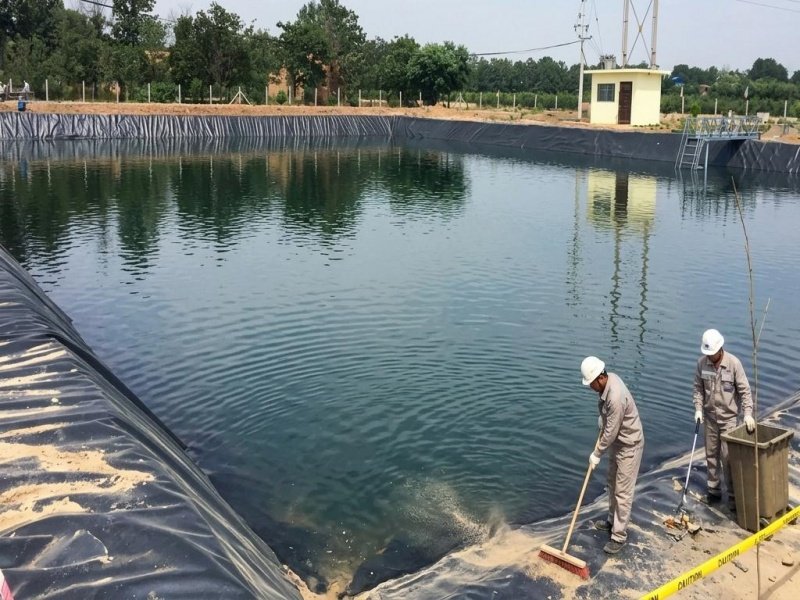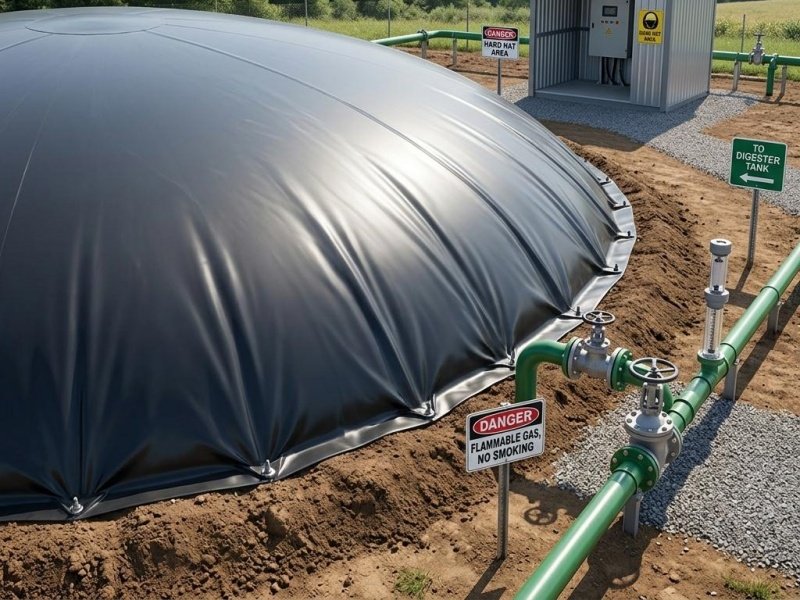
Geotextile cloths, versatile permeable fabrics integral to geotechnical engineering, are deployed in civil construction, environmental remediation, and landscaping to execute functions such as soil separation, filtration, reinforcement, drainage, and erosion mitigation.
As worldwide infrastructure outlays are forecasted to escalate to USD 9.5 trillion by 2030, propelled by rapid urbanization and climate-resilient development mandates, the imperative for these resilient materials intensifies, catalyzing breakthroughs in polymer engineering and fabrication efficiencies.
According to Grand View Research, the global geotextiles market, estimated at USD 7.99 billion in 2024, is anticipated to expand at a compound annual growth rate (CAGR) of 6.69% to achieve USD 13.40 billion by 2032, wherein road construction represents 47% of utilization, erosion control 25%, and drainage systems 20%.
For geotechnical engineers, project coordinators, contractors, and procurement executives, discerning geotextile cloth pricing is paramount for rigorous fiscal forecasting and securing protracted project viability.
In 2025, pricing per square meter ordinarily fluctuates from $0.20 to $5.00 (exclusive of deployment and adjunctive outlays), contingent upon fabric typology, constituent makeup, mass density, and procurement magnitude.
BPM Non-woven geotextile cloths, optimized for hydraulic filtration and drainage, generally occupy the lower echelon ($0.20–$2.50 per square meter), whereas high-tenacity woven cloths for structural reinforcement incur premiums up to $3.00 per square meter.
Voluminous acquisitions surpassing 10,000 square meters can attenuate expenditures by 10–30%, and adherence to rigorous benchmarks like ASTM D4595 for tensile robustness and ISO 9001 for manufacturing integrity from esteemed vendors circumvents operational failures, which could augment aggregate disbursements by 20–50%.
This authoritative compendium interrogates geotextile cloth pricing intricacies, appropriating 2025 sectoral intelligence from BPM Geosynthetics, EarthShields, and Mordor Intelligence.
We dissect elemental tenets, cloth categorizations, pricing determinants, contemporaneous market spectra, curation directives, quantitative methodologies, emplacement regimens, ascendant paradigms, and vendor appraisals to impart utilitarian, datum-substantiated directives.
Through lifecycle fiscal appraisals, practitioners can attain 25–45% amplified project proficiency and up to 95% regulatory conformity, diminishing sustenance by 15–30%. Tailored for undertakings spanning arterial reinforcements, refuse disposal enclosures, or erosion-susceptible topographies, this treatise furnishes the profundity indispensable for perspicacious adjudications.
1. What Are Geotextile Cloths?
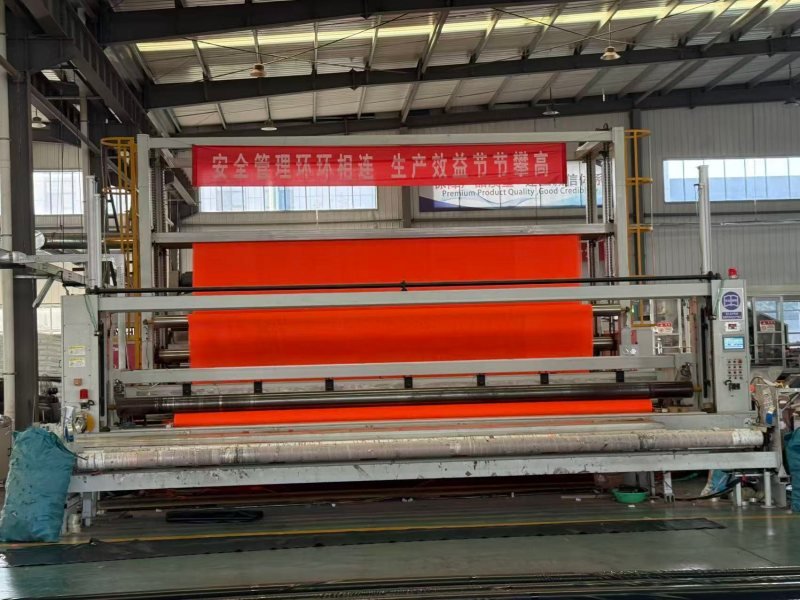
Geotextile cloths, synonymous with geotextiles, comprise contrived permeable textiles engineered to amalgamate with soil or aggregate in geotechnical and ecological milieus. Chiefly constituted from polypropylene (PP), polyester (PET), or polyethylene (PE), these cloths augment geotechnical efficacy by redressing exigencies encompassing erosion, deficient hydrology, and configurative frailty. Dissimilar to impermeable geomembranes, geotextile cloths sanction aqueous transmittance concomitant with particulate sequestration, positioning them as cornerstone constituents for ecologically sound edification praxis.
1.1 Core Functions and Advantages
Geotextile cloths discharge five primordial functions, authenticated by ASTM D4491 for hydraulic attributes and ASTM D4632 for tensile metrics:
- Separation: Demarcates heterogeneous soil tiers, for instance, segregating subgrades from granular footings in arterials, augmenting pavement endurance by 25–35% via curtailed intermingling.
- Filtration: Accommodates hydraulic throughput (permeability 10⁻¹ to 10⁻⁴ cm/s) whilst apprehending 90–98% of particulates, pivotal for 70% of drainage architectures such as sub-surface conduits.
- Drainage: Reroutes superfluous humidity laterally or vertically, assuaging pore pressure by 40–60% in dikes and buttresses.
- Reinforcement: Magnifies soil tensile fortitude by 30–50%, sanctioning 1:1 gradients and abbreviating aggregate imperatives by 20% in pavements.
- Protection: Insulates geomembranes in refuse interment locales from perforations, manifesting 200–800 N resilience (ASTM D4833), thereby extending serviceability by 20–30%.
Preeminences transcend utilitarianism: geotextile cloths abate aggregate project disbursements by 10–20% relative to orthodox methodologies (ASTM D4439), attenuate erosion by 50–70% in fluvial and littoral contexts, and tender 20–50-year sepulchral durabilities (UV-reinforced iterations: 5–15 years superficial). They synchronize with precepts like the EU Water Framework Directive, husbanding resources and mitigating excavation by 15–25%.
1.2 Evolution and Market Dynamics
Originating from 1960s granular surrogates to amalgamated composites with imbedded transducers, geotextile cloths now incorporate biodegradable proxies like coir (3–5 years). Asia-Pacific commandeers 45% market suzerainty in 2025, invigorated by China’s infrastructural efflorescence, whilst North America’s Build America, Buy America (BABA) ordinances favor autochthonous, verdant iterations. Astute geotextile cloths amalgamating IoT humidity detectors append 20–40% to disbursements but attenuate oversight by 10–20%.
Geotextile cloths transcend banal textiles, proffering quantifiable boons: 40% load-bearing escalation and 95% filtration proficiency.
2. How Much Does a Geotextile Cloth Cost?
Geotextile cloth pricing in 2025 medians $0.20–$5.00 per square meter, sculpted by constitution, attributes, and dimension. Non-woven iterations (55% market) tariff $0.20–$2.50 per square meter for aqueous roles; woven (40% portion) $0.50–$3.00 for architectonic exigencies. Niche configurations like containment sacks: $5.00–$54.00.
2.1 Geotextile Cloth Cost – Material Type
2.1.1 Polypropylene (PP)
PP, commanding 60% market hegemony, proffers 95% chemical impassivity (pH 2–13) and thriftiness. Non-woven PP (100–800 g/m²): $0.20–$2.00 per square meter; woven: $0.50–$2.50. Tensile: 5–50 kN/m; longevity: 50+ years interred. Utilizations: Drainage (65% adoption), thoroughfares. Exemplar: BPM PP non-woven ($0.30/m²) for subsurface drains, detaining 98% fines.
2.1.2 Polyester (PET)
PET furnishes 20% superior UV fortitude but hydrolyzes in alkalines. Tariffs: $0.75–$2.50 per square meter; tensile: 20–150 kN/m. Apt for unveiled inclines. Exemplar: Elevated-tenacity PET woven ($1.50/m²) in abutments, bolstering firmness 30%.
2.1.3 Polyethylene (PE) and Natural Fibers
PE accommodates economical filtration ($0.50–$2.00/m²); coir/jute biodegradables ($0.30–$1.00/m², 3–5 years) for verdant ventures, economizing abatement by $1,000/acre.
Material | Tensile (kN/m) | Cost ($/m²) | Key Use |
PP Non-Woven | 5–50 | 0.20–2.00 | Drainage |
PET Woven | 20–150 | 0.75–2.50 | Reinforcement |
Coir | 10–30 | 0.30–1.00 | Erosion Control |
2.2 Geotextile Cloth Cost – Weight and Thickness
GSM (100–800 g/m²) propels 20–40% of tariffs: 100–200 g/m² ($0.20–$0.50/m²) for facile filtration; 400–800 g/m² ($1.00–$5.00/m²) for onerous safeguarding. Caliper (0.5–3 mm) appends 10–15% for perforation resistance (200–800 N). Exemplar: 300 g/m² woven ($1.20/m²) vs. 100 g/m² ($0.40/m²) yields 25% superior ROI in thoroughfares.
2.3 Geotextile Cloth Cost – Project Size and Scale
Magnitude economies: <1,000 m² accrues 15–20% surcharges ($0.50–$6.00/m²); >10,000 m² descends to $0.15–$3.50/m² (10–30% abatement). Freight for 50,000 m²: $0.05–$0.20/m².
2.4 Geotextile Cloth Cost – Installation Method and Labor
Deployment: 30–50% of allocation ($0.50–$2.00/m²). Superpositions (300–600 mm): $0.10–$0.30/m²; stitching/agrafing: $0.20–$0.50/m². Manpower: $10–$50/hour geographically. Inclines append 20%.
2.5 Geotextile Cloth Cost – Raw Material Quality
Pristine resin (PP $1.20–$1.50/kg) vs. reprocessed (10–20% thriftier, 5–10% potency decrement). Adjuvants (UV/ignition): +5–15% ($0.05–$0.30/m²).
2.6 Geotextile Cloth Cost – Transportation and Logistics
Conveyance: $0.05–$0.20/m²; Asia minimal ($0.10/m²), Europe maximal ($0.50/m²). Levies append 5–10%.
2.7 Geotextile Cloth Cost – Maintenance and Lifetime Costs
Longevity (20–100 years) prorates: $0.01–$0.10/m²/year. Malfunctions tariff 20–50% extraneous; accredited truncates by 15%.
Factor | Cost Impact ($/m²) | Mitigation |
Weight (100 vs. 500 g/m²) | +50–100% | Site-test soil |
Scale (>10k m²) | -10–30% | Bulk buy |
Installation | +30–50% | Train crews |
3. How to Choose the Right Geotextile Cloth
Procuring geotextile cloths necessitates locale-centric scrutiny for superlative efficacy and valuation.
3.1 Assess Project Requirements
Gauge soil (CBR >20: elevated GSM), hydrology (>100 L/m²/s: non-woven), and burdens (AASHTO M288 Class 1: 50 kN/m tensile).
3.2 Prioritize Quality
Elect ISO/ASTM-endorsed (10–15% premium) for 20% lifecycle thrift. Pristine PP for endurance.
3.3 Evaluate Installation Needs
Correlate to technique: Pliant non-woven for irregular locales; rigid woven for junctures.
3.4 Consider Long-Term Costs
Incorporate 15–25% thrift from biodegradables in ephemeral utilizations.
3.5 Compare Suppliers
Juxtapose BPM ($0.20–$3.00/m²) vs. TenCate ($0.50–$2.50/m²) for 10–15% bargaining latitude.
Exemplar: 2024 thoroughfare with BPM woven economized $100,000 via 20% slenderer foundation.
4. Industry Trends Affecting Geotextile Cloth Costs
- Verdancy Ascendance: Biodegradables (coir) escalate 10–15%, economizing $1,000/acre abatement; reprocessed PP 15–25% thriftier.
- Astute Technology: Sensor-incorporated +20–50% ($2.00–$10.00/m²), truncating oversight 15%.
- Constituent Volatility: PP ascends 5–7% from energetics; safeguard pacts.
- Locale Shifts: Asia exports -5% levies; U.S./EU +3–7% via BABA.
Amalgamates burgeon 20%; PFAS-exempt iterations +10% premium for ecological conformity.
5. Conclusion
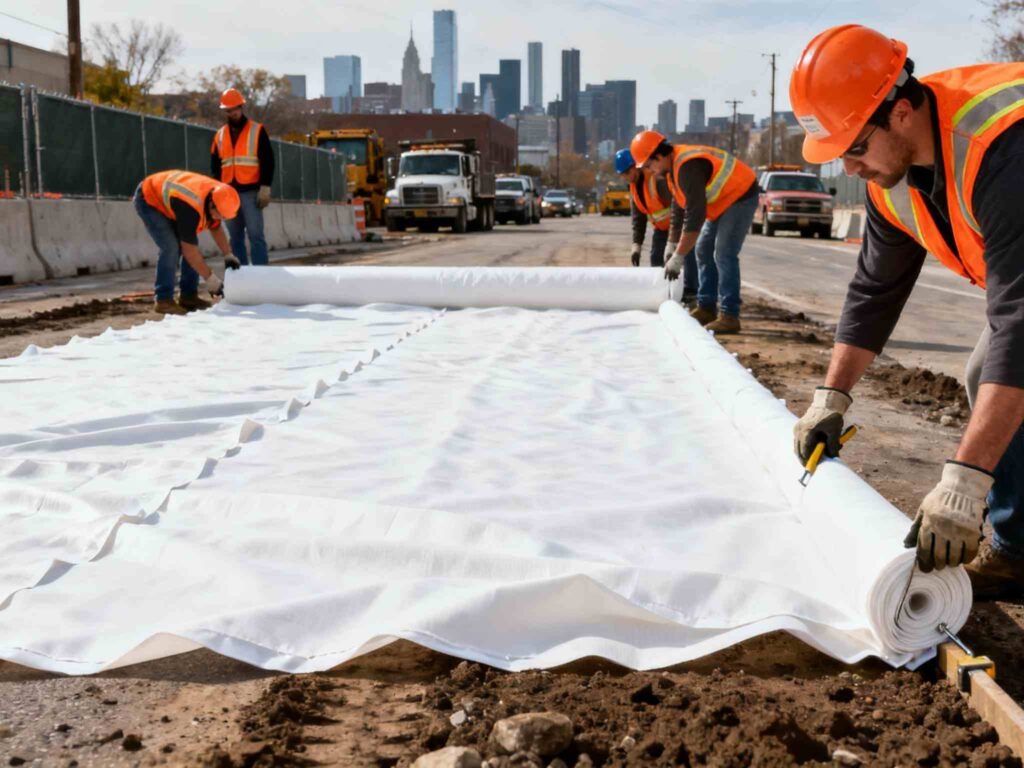
BPM Geotextile cloth tariffs in 2025, spanning $0.20–$5.00 per square meter, pivot on classification, heft, and magnitude, yet erudite selections unbar 10–30% thrift and 95% potency. Non-woven ($0.20–$2.50/m²) preeminence in drainage (70% utilizations), woven ($0.50–$3.00/m²) in fortification (50% thoroughfares), per ASTM. Aggregate outlays (cloth +30–50% deployment) necessitate tactical congruence for 30–50% soil boons and 60% erosion abatements.
For tariffs and acumen, interface The Best Project Material Co., Ltd (BPM Geosynthetics). Our ISO-endorsed array refines allocations with 98% dependability. Email sales@bpmgeoliner.com.
Lorem ipsum dolor sit amet, consectetur adipiscing elit. Ut elit tellus, luctus nec ullamcorper mattis, pulvinar dapibus leo.