1. What is geomembrane ?
1.1 Definition
Geomembrane is a high-molecular composite material made of polyethylene (PE) through extrusion and stretching. It features high temperature resistance, water impermeability, chemical corrosion resistance, and aging resistance, and is widely used in water conservancy, transportation, agriculture, and environmental fields.
1.2 Classification
Based on different uses and applications, geomembranes can be classified into various types, including HDPE geomembrane, LDPE geomembrane, LLDPE geomembrane, and PVC geomembrane. HDPE geomembrane is currently the most widely used type, characterized by its toughness, corrosion resistance, and resistance to high and low temperatures. It is widely used in landfills, sewage treatment plants, water conservancy projects, and hydrological construction.
1.3 Applications
Water Conservancy Engineering: Applied to seepage prevention, isolation, and protection projects such as reservoirs, dikes, river channels, and tunnels;
Environmental Protection: Applied to landfills, hazardous waste, temporary urban waste disposal sites, and wastewater treatment;
Transportation Construction: Applied to pavement protection for highways, streets, and railways, as well as waterproofing for tunnels and underground projects;
Agricultural Construction: Applied to water conservancy, irrigation, seepage prevention, and water storage;
Building Engineering: Applied to foundation treatment, building material protection, and thermal insulation projects.

2.Geomembrane Big Demanding the Thailand
Thailand has a substantial demand for geomembranes, and this demand is expected to continue its steady growth trend in the coming years.
This is primarily due to Thailand’s ongoing investment in infrastructure development, water resource management, and agricultural modernization. The following is an analysis of several key demand areas:
2.1 Water Resource Management (Largest Source of Demand)
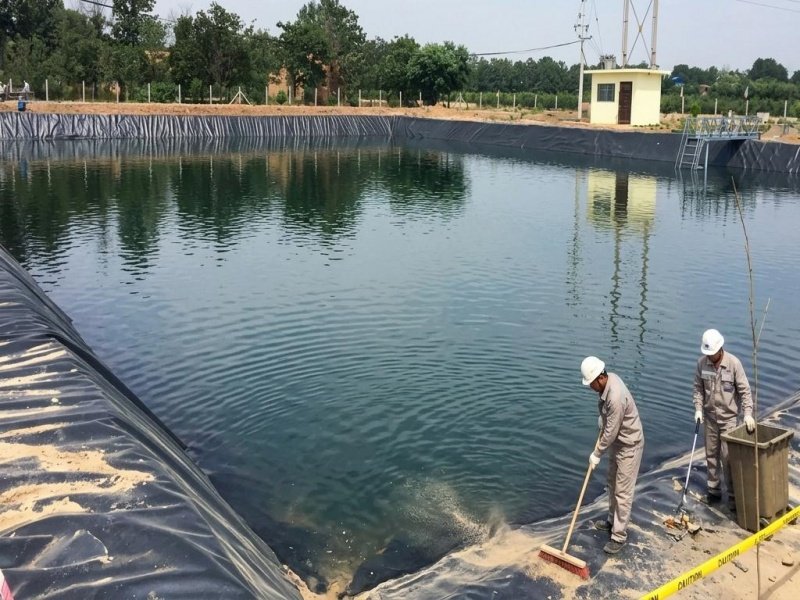
Reservoirs and Irrigation Ponds: Thailand has a developed agricultural sector, but seasonal rainfall is uneven. To ensure water supply during the dry season, the government and individuals are heavily investing in the construction and repair of reservoirs, irrigation ponds, and water storage tanks. Geomembranes, with their excellent impermeability, are the preferred material for lining these facilities, effectively reducing water loss through seepage.
Canal and Ditch Lining: To improve water conveyance efficiency and prevent irrigation water from seeping into the ground during transport, geomembranes are widely used for lining canals and ditches.
Sewage Treatment and Oxidation Ponds: With increasing environmental awareness, wastewater treatment plants and oxidation ponds (stabilization ponds) in industrial areas and communities require reliable impermeable layers to prevent sewage leakage and contamination of groundwater and soil. Geomembranes are a core material in this context.
2.2 Environmental Engineering
Landfills: This is a classic application of geomembranes. Thailand is promoting more modern waste management methods, and newly built sanitary landfills must use HDPE geomembranes as impermeable lining systems to isolate leachate and protect the environment.
Industrial Waste Disposal Sites: Waste and tailings from mining, power generation, and other industries require safe disposal; geomembranes are used to prevent the leakage of hazardous substances.
2.3 Aquaculture
Thailand is a major global aquaculture producer (such as shrimp and fish). Geomembrane-lined aquaculture ponds offer advantages such as easy cleaning, prevention of pathogen growth, water level control, and improved survival rates, making them popular with large-scale and high-standard aquaculture farms and gradually replacing traditional earthen ponds.
2.4 Infrastructure Construction
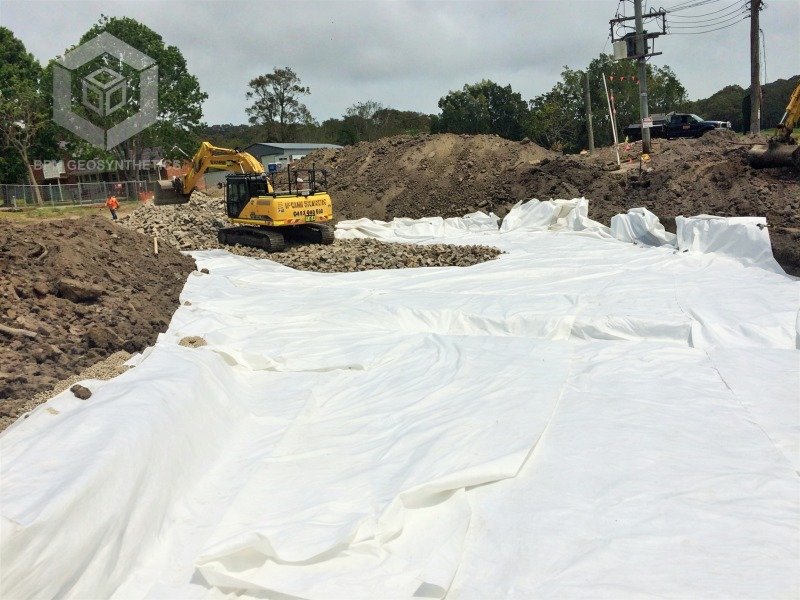
Roads and Railways: When constructing roads on soft soil foundations, geomembranes are often combined with geotextiles as isolation and reinforcement layers to prevent the roadbed material from mixing with the soft soil and improve roadbed stability.
Tunnels and Underground Engineering: Used for waterproofing and moisture protection.

3.The 6 Geomembrane Factories in Thailand
3.1. GSE Environmental (now part of Solmax)
3.1.1 Advantages:
Global Brand and Technology: Possesses globally recognized brand reputation and state-of-the-art production technology, ensuring high and stable product quality.
Complete Product Line: Offers various specifications of HDPE and LLDPE geomembranes, meeting high-standard requirements from landfills to mining projects.
3.1.2 Disadvantages:
Higher Price: Compared to local brands, its products are relatively expensive.
3.2. AGRU
3.2.1 Advantages:
Unique Technology: Its micro-textured geomembranes exhibit excellent friction performance on slopes, resulting in higher safety. The extrusion die technology produces geomembranes with uniform performance.
High Quality Standards: Adheres to strict European quality standards, resulting in excellent product performance in details such as flatness and thickness uniformity.
3.2.2 Disadvantages:
High Price: Typically one of the highest-end and most expensive options on the market.
Target Market Clearly Defined: Primarily targets high-end projects; may not offer a price advantage for ordinary agricultural ponds and similar projects.
3.3. NAUE GmbH & Co. KG
3.3.1 Advantages:
A well-known German manufacturer of geosynthetics, renowned for its Bentofix® bentonite waterproofing blankets and other products, and also produces high-quality geomembranes.
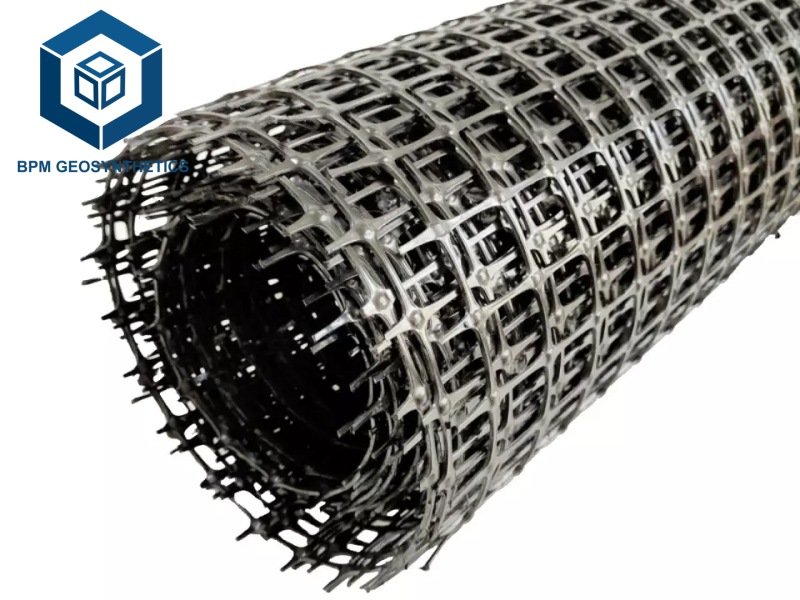
Comprehensive Solutions: Offers not only geomembranes but also complete geotechnical solutions including geotextiles and geogrids.
3.3.2 Disadvantages:
Relatively high price; primarily involved in projects with extremely stringent quality requirements.
3.4 The Best Project Material Co., Ltd.
3.4.1 Advantages:
Superior Quality: The company’s geomembranes (HDPE, LDPE, etc.) strictly adhere to national standards (GB/T) and international standards (ASTM, GRI), providing complete third-party authoritative testing reports. Its products perform excellently in key indicators such as environmental stress cracking resistance, UV resistance, and chemical corrosion resistance, meeting the demanding environmental requirements and expected service life of projects.
Extensive Experience: The company’s products have been widely applied in numerous key national engineering projects, including water conservancy, environmental protection, transportation, and municipal engineering, boasting a large number of successful project cases. This valuable practical experience enables it to anticipate and resolve various potential problems in engineering projects.
3.4.2 Disadvantages:
Insufficient brand awareness.
3.5. Thai German Trutzschler (TGT)
Background: This is a typical Thai-German joint venture, combining German technology with Thai manufacturing and market capabilities, making it very strong in local Thai manufacturing.
3.5.1 Advantages:
Local Manufacturing Advantage: Having a factory in Thailand provides advantages in production costs and delivery time.
Comprehensive Product Certifications: Typically possessing Thai Industrial Standards (TIS) and other international certifications, making it easily accepted by local projects.
3.5.2 Disadvantages:
International Brand Awareness: Slightly inferior to top global brands such as Solmax and AGRU.
In extremely demanding and specialized application areas, it may still not be able to completely replace top international brands.
3.6. Maccaferri (Thai) Ltd.
Background: An Italian global company with an extremely broad product line, including gabion mesh, geogrids, geotextiles, etc. They have a strong presence in Thailand and also supply geomembranes (sometimes acting as an agent or collaborating with other brands).
3.6.1 Advantages:
One-stop solution: Customers can obtain almost all geotechnical engineering materials from Maccaferri, which is very convenient for large contractors.
Strong engineering support: Provides in-depth engineering design and technical support services.
3.6.2 Disadvantages:
Geomembranes may not be their core product (compared to products like gabion mesh), and are sometimes considered “part of a solution” rather than a specialized product.

4.Conclusion
The Thai geomembrane market has huge demand and broad prospects. Its driving force stems from the rigid needs of national development: ensuring water resource security, protecting the environment, developing modern agriculture, and advancing infrastructure construction.
If you are a geomembrane manufacturer or supplier, Thailand is undoubtedly a market worth focusing on. The key to success is: Providing high-quality products that meet standards.
Gain a deep understanding of the specific needs of different application areas (such as water management, environmental protection, and aquaculture).
Establish reliable local distribution channels or partners to provide strong technical support and after-sales service.
Actively participate in relevant industry exhibitions and engineering presentations, and build connections with government departments and large engineering contractors.