Introduction
Peru’s mining industry, agricultural development, and environmental infrastructure projects create strong demand for reliable waterproofing and containment materials. HDPE geomembrane has become an important solution for mining facilities, landfill systems, irrigation reservoirs, wastewater treatment plants, and industrial containment projects.
Among the available specifications, 1.5mm thickness HDPE geomembrane is widely considered for applications requiring dependable impermeability, mechanical strength, and chemical resistance. When manufactured and tested according to applicable ASTM methods and project specifications, HDPE geomembrane can provide a durable barrier against liquid leakage and soil contamination.
Selecting the right supplier is essential for project owners, contractors, distributors, and engineering companies in Peru. This guide introduces seven suppliers or companies worth evaluating when sourcing HDPE geomembrane for Peruvian projects. The list is intended as a procurement starting point rather than an independently verified ranking. Buyers should confirm current product availability, applicable certifications, and delivery arrangements directly with each company.
1. What Is 1.5mm ASTM Standard HDPE Geomembrane?
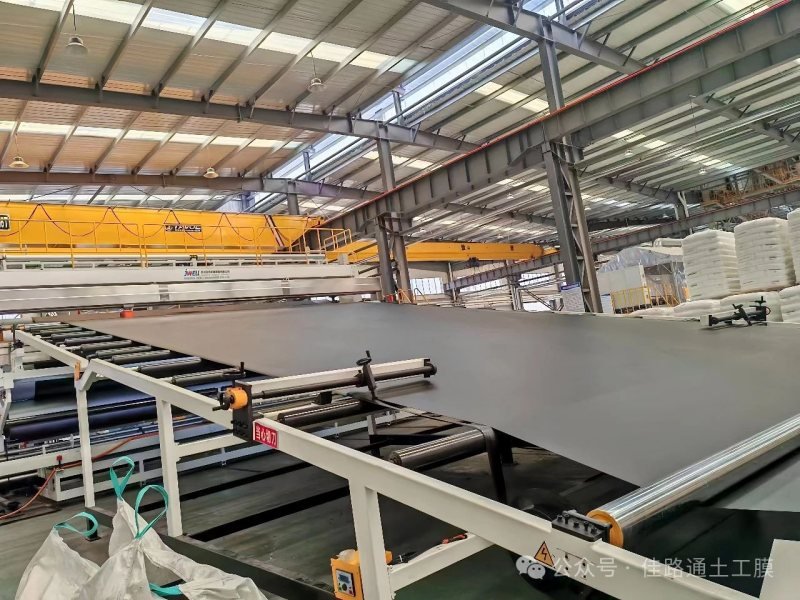
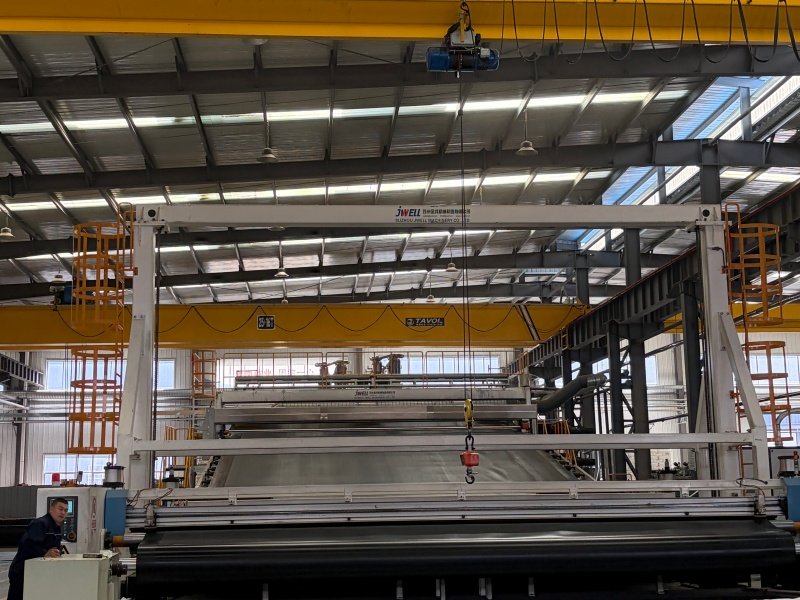
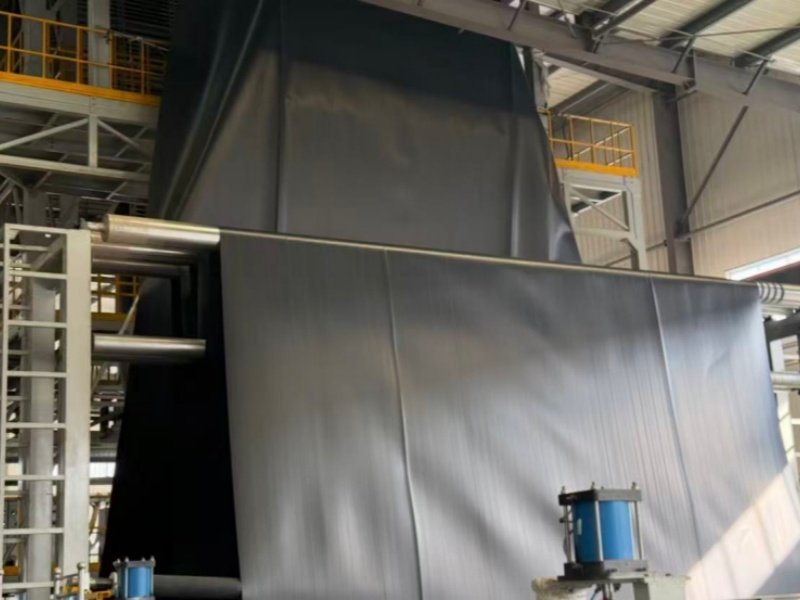
HDPE geomembrane is a synthetic waterproofing barrier manufactured from high-density polyethylene resin. Its low permeability and resistance to many chemicals make it suitable for a wide range of environmental and civil engineering applications.
A 1.5mm geomembrane provides a balance between material thickness, mechanical performance, handling, and installation requirements. Smooth surfaces are commonly considered for flat areas, while textured surfaces can provide increased interface friction on engineered slopes.
ASTM standards provide recognized test methods for evaluating geomembrane properties. Depending on the project, relevant methods may include ASTM D5199 for thickness measurement, ASTM D6693 for tensile properties, and ASTM D4833 for index puncture resistance. The appropriate test methods and acceptance criteria should be specified in the project documents.
2. The 7 Best Suppliers to Consider in Peru
1. BPM Geosynthetics – An International Manufacturing Option
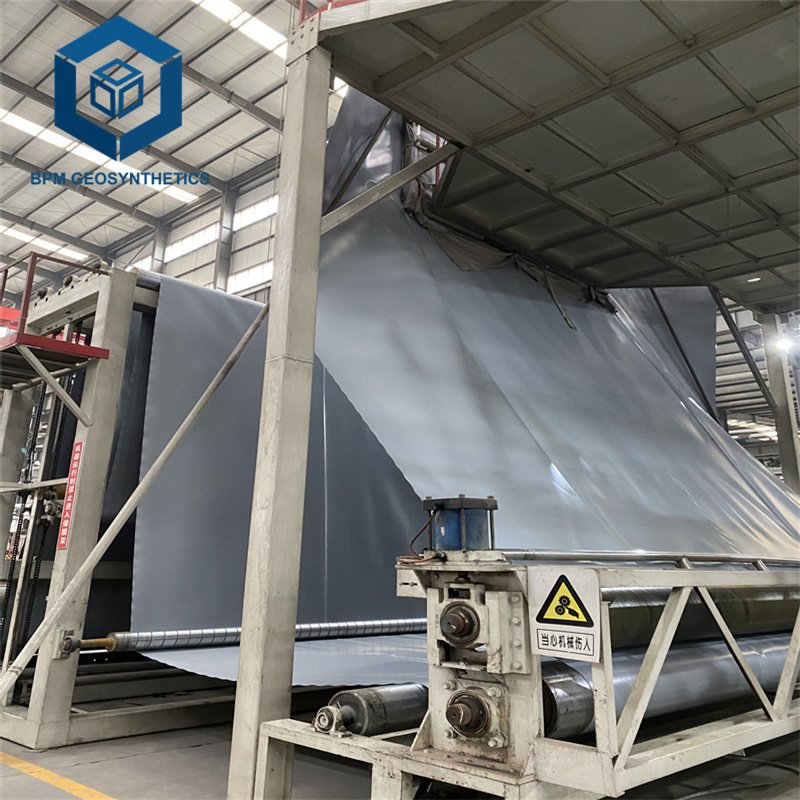
BPM Geosynthetics is an international manufacturer and supplier of geosynthetic products, including HDPE geomembranes for containment and waterproofing applications.
Its product range serves markets such as mining, agriculture, aquaculture, landfill engineering, and environmental protection. For Peruvian buyers comparing imported geomembranes, BPM is an option to contact for technical specifications and export quotations.
Key advantages to evaluate:
International supply capabilities.
HDPE geomembrane options for different engineering applications.
Product specifications available for quotation and technical review.
Opportunities to discuss customized roll dimensions and project requirements.
Buyers should confirm the availability of 1.5mm material, the relevant ASTM test reports, shipping costs, and delivery schedules to Peru.
Website: https://bpmgeomembrane.com/
2. Geosynthetics Perú S.A.C. – Local Market Enquiries
Geosynthetics Perú S.A.C. is a company to investigate when researching geosynthetic products and related services in the Peruvian market.
Local sourcing may help project teams coordinate transportation, procurement schedules, and technical communication.
Important purchasing considerations:
Current HDPE geomembrane product range.
Availability of 1.5mm thickness.
Technical documentation and quality records.
Delivery options and installation services, if available.
Confirm the company’s current offerings directly before including it in a procurement shortlist.
3. T&T Ingeniería y Construcción – Engineering Project Solutions
T&T Ingeniería y Construcción is another company to evaluate when researching engineering-related materials and geosynthetic solutions in Peru.
For large construction and environmental projects, buyers should assess whether a supplier can meet both material specifications and installation requirements.
Evaluation criteria:
Relevant project experience.
Availability of HDPE geomembrane.
Technical support and installation capabilities.
Documentation matching the project’s specifications.
Request a detailed quotation specifying the 1.5mm thickness and applicable testing requirements.
4. GEOIMPERÚ S.A.C. – Waterproofing Applications
GEOIMPERÚ S.A.C. is a potential company to investigate for geomembrane-related waterproofing projects.
HDPE geomembranes are used in reservoirs, agricultural ponds, industrial containment, and other applications where a suitable impermeable barrier is required.
Before purchasing, verify product availability, technical specifications, delivery conditions, and the scope of any installation services.
5. Geo Soluciones Perú – Geosynthetic Supply and Installation Enquiries
Geo Soluciones Perú is another business to investigate when comparing geosynthetic supply and installation options.
Projects that require professional installation should evaluate not only the price of the liner but also welding quality, seam inspection, and construction supervision.
Questions to ask include:
Is 1.5mm HDPE geomembrane currently available?
What product documentation is provided?
Are installation and seam testing services available?
What are the delivery schedule and warranty conditions?
6. Grupo GHA – Comparing Geomembrane Specifications
Grupo GHA is another company buyers can research when comparing geomembrane products and waterproofing materials.
When evaluating a 1.5mm HDPE liner, compare its actual thickness, tensile properties, puncture resistance, roll dimensions, and supporting quality documentation rather than relying on the product name alone.
Confirm current stock and technical compliance directly with the company.
7. GEO-Proyectos Perú S.A.C. – Engineering and Installation Considerations
GEO-Proyectos Perú S.A.C. is another business to investigate for geosynthetic products and engineering-related applications.
For containment projects, installation practices can significantly affect long-term performance. Proper surface preparation, qualified welding personnel, and systematic seam testing are essential parts of quality assurance.
Buyers should request relevant project references, product information, and confirmation of the company’s current supply and installation capabilities.
Note: The companies above are research leads, not a verified ranking of suppliers that currently stock 1.5mm ASTM-compliant HDPE geomembrane. Their product offerings and certifications should be confirmed before publication or procurement.
3. Key Technical Requirements for 1.5mm HDPE Geomembrane
A reliable purchasing decision should be based on the applicable project specification and documented test results.
Important parameters may include:
Thickness: Nominal thickness of 1.5mm, with tolerances defined by the applicable specification.
Density: Appropriate HDPE density and resin quality.
Tensile properties: Strength and elongation verified using an applicable test method.
Puncture resistance: Performance suitable for the prepared subgrade and anticipated loading.
Carbon black content and dispersion: Relevant for products requiring long-term UV resistance.
Stress crack resistance: Important for evaluating long-term durability under applicable conditions.
Seam integrity: Welding procedures and inspection methods suitable for the liner system.
ASTM test methods do not automatically certify a product or guarantee compliance with every project requirement. Buyers should request the specific test reports and acceptance criteria required by the engineer or project owner.
4. How to Choose a Reliable Supplier in Peru
Compare technical documentation. Request product data sheets, batch traceability, and relevant test reports.
Evaluate total project cost. Compare material price, transportation, unloading, installation, accessories, and testing costs.
Check delivery capability. Confirm roll sizes, quantities, lead times, packaging, and delivery arrangements in Peru.
Review installation quality. Ensure that the installation team uses suitable welding equipment and performs the required seam testing.
Confirm warranty terms. Obtain written information on product warranties, exclusions, and technical support.
The lowest unit price is not necessarily the most economical option. Material consistency and installation quality can have a major impact on long-term project performance.