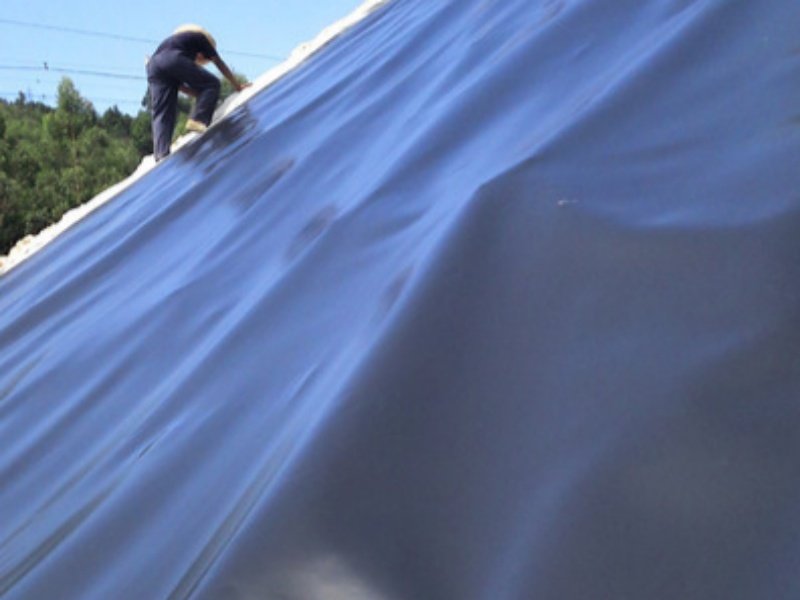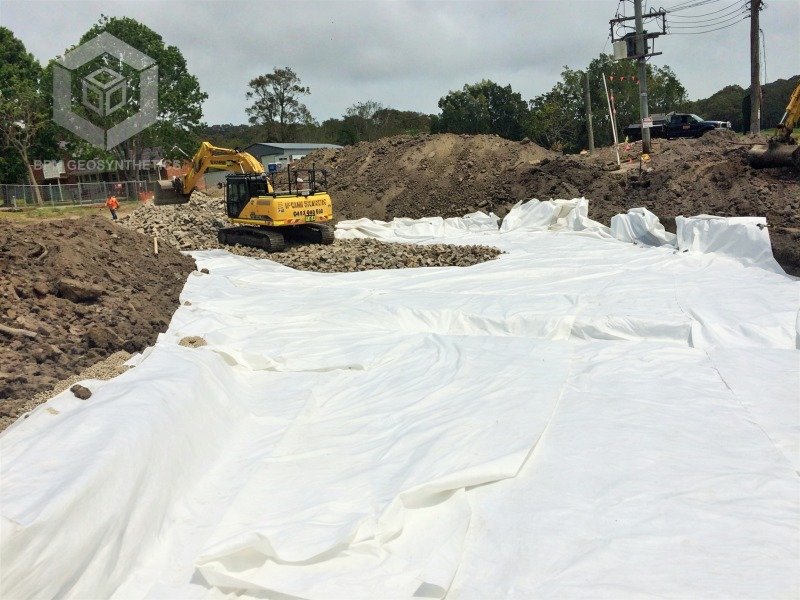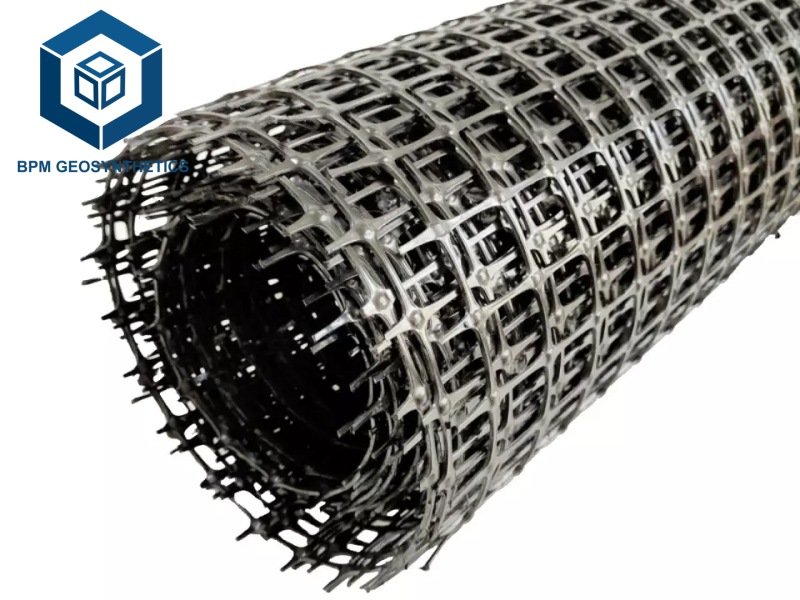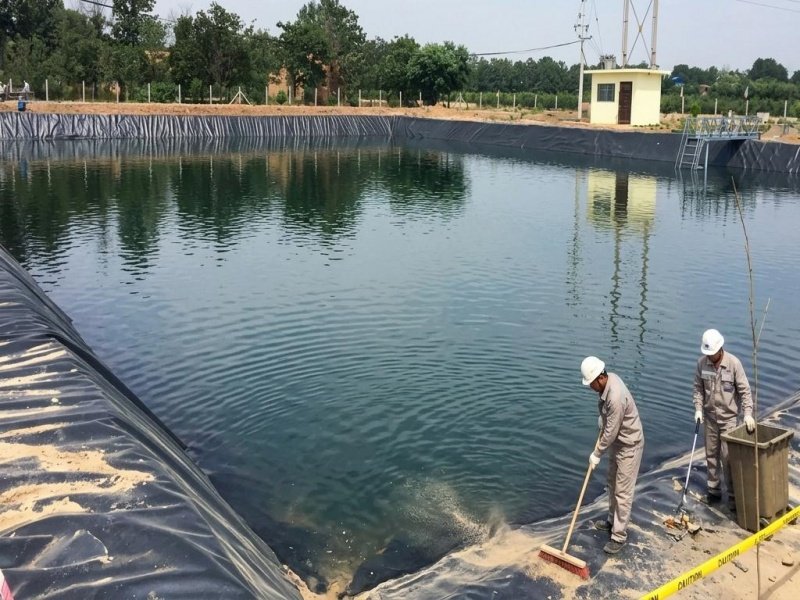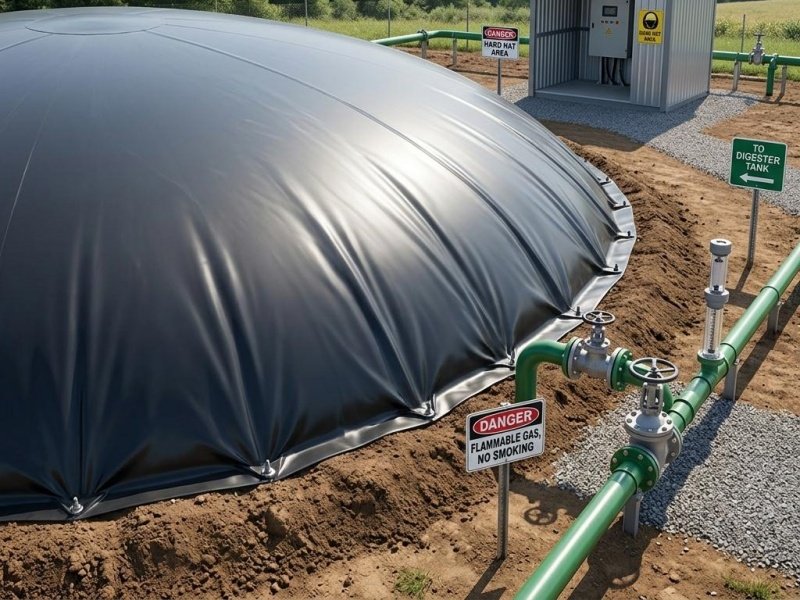
Bituminous geomembranes (BGMs), also known as bituminous geomembrane liners or BGM liners, represent a specialized class of geosynthetic barriers engineered for superior impermeability, durability, and adaptability in demanding environmental containment projects. Composed primarily of elastomeric bitumen (asphalt-based binder) impregnated into reinforcing layers like non-woven polyester geotextiles, often with additional fiberglass fleece or protective films, BGMs deliver exceptional performance where traditional polymeric geomembranes may fall short.
In applications such as landfill base liners and caps, mining heap leach pads and tailings ponds, reservoirs, canals, and secondary containment, BGMs excel due to their low permeability (often <10⁻¹⁴ m/s per ASTM E96), high puncture resistance, and ability to handle rough subgrades with angular aggregates up to 75mm. Their high density (>1.2 g/cm³) reduces wind uplift and allows for direct vehicular traffic (up to 8 tons on rubber tires) during installation, while a low coefficient of thermal expansion (around 2.2 × 10⁻⁵ mm/m/°C) minimizes wrinkling from temperature fluctuations—unlike HDPE, which can expand significantly under solar heat.
Market demand for BGMs has surged in recent years, driven by stricter environmental regulations and the need for long-term containment in harsh conditions. Industry reports highlight their growing adoption in mining and waste management, where they often outperform or complement HDPE liners (e.g., as bottom liners paired with HDPE tops for cost-effective double systems). Studies show BGMs maintain mechanical integrity longer in certain leachates, with puncture resistance enabling reduced protective cover thicknesses and faster installation.
This review evaluates the 6 best bituminous geomembranes based on 2025-2026 data from field installations, laboratory testing (ASTM D7275 for tensile, ASTM D4833 for puncture), and real-world performance in landfills, mining ponds, and hydraulic structures. Selections prioritize non-Chinese manufacturers or globally recognized brands, focusing on proven durability, seam integrity, and value.
Understanding Bituminous Geomembranes
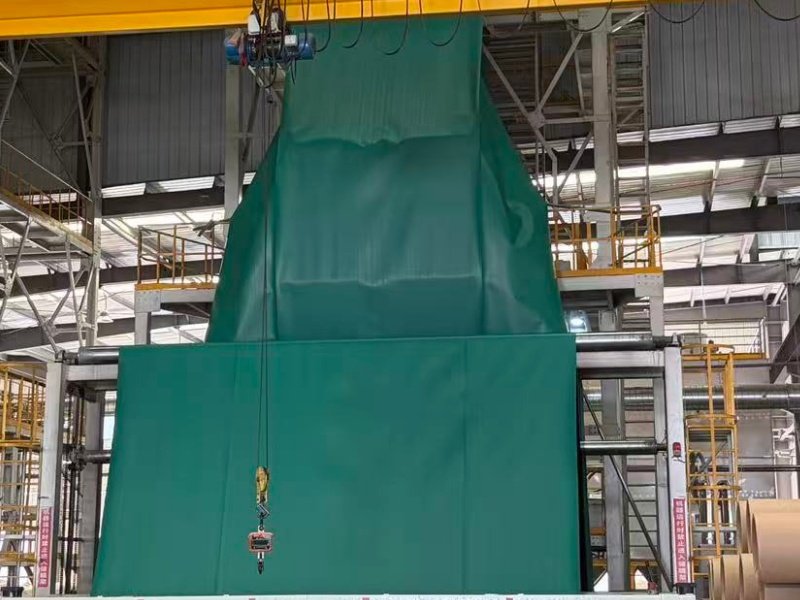
Bituminous geomembranes combine bitumen’s waterproofing with geotextile reinforcement for a composite structure that provides both flexibility and strength.
How Bituminous Geomembranes Work
BGMs feature an elastomeric bitumen core impregnated into a non-woven geotextile (often polyester) and sometimes a fiberglass layer for added stability. The bitumen ensures ultra-low permeability, while reinforcements handle tensile stresses and prevent tearing. Installation involves thermal welding or torching for seams, creating monolithic barriers resistant to differential settlement.
Key Advantages Over Other Geomembranes
- Superior Puncture and Impact Resistance— BGMs handle larger aggregates and light construction traffic without damage, reducing subgrade preparation costs.
- Flexibility and Conformability— Excellent elongation (>60%) and low-temperature performance make them ideal for uneven terrain or cold climates.
- High Interface Friction— Friction angles up to 34° enhance slope stability, allowing steeper angles without slippage.
- UV and Chemical Durability— Better exposed performance than many polymers, with slower degradation in certain leachates.
- Thermal Stability— Minimal expansion/contraction prevents wrinkles and seam stress.
Compared to HDPE, BGMs offer better flexibility on rough subgrades and higher puncture resistance, though HDPE may edge out in extreme chemical resistance for aggressive mining solutions.
Common Applications
BGMs shine in:
- Landfill liners and caps for leachate containment.
- Mining tailings ponds and heap leach pads.
- Water reservoirs, irrigation canals, and wastewater ponds.
- Secondary containment for tanks and industrial sites.
Key Factors to Consider When Choosing a Bituminous Geomembrane
Thickness and Mass per Unit Area
Thicker options (4.1–4.8 mm, 4700–5200 g/m²) provide greater durability in high-stress environments.
Mechanical Properties
Look for tensile strength >10–15 kN/m and puncture resistance >2–4 kN.
Permeability and Chemical Resistance
Target <10⁻¹³ cm/s permeability; test compatibility with site-specific leachates.
Installation and Seam Performance
Wide rolls (up to 5.1m) speed coverage; evaluate welding ease and wind resistance.
Long-Term Durability
Arrhenius modeling predicts service life; thicker variants degrade slower in leachates.
Top 6 Bituminous Geomembranes Reviewed
1. COLETANCHE® ES Range (Soprema / Titan Environmental)
COLETANCHE® ES stands as a premium elastomeric BGM with exceptional UV and low-temperature resistance.
Key Specifications
- Thickness: 4–5 mm nominal
- Mass per Unit Area: ~5,000–5,500 g/m²
- Tensile Strength: High (exact > ASTM D7275 standards)
- Puncture Resistance: Excellent, supports heavy aggregates
- Permeability: Ultra-low (<10⁻¹⁴ m/s)
- Roll Width: Up to 5.1m
Features and Benefits
- High elastic bitumen for flexibility in exposed conditions.
- Polyester non-woven and fiberglass reinforcement.
- Proven in over 30 million m² installed globally.
Pros
- Outstanding UV resistance for exposed mining ponds.
- Allows direct ballast placement; reduces cover needs.
- Long-term durability in harsh climates.
Best For — Exposed reservoirs and mining applications.
2. COLETANCHE® XP Range (Soprema / Titan Environmental)
A streamlined variant of ES, offering similar performance with optimized thickness.
Key Specifications
- Thickness: ~4 mm
- Mass per Unit Area: ~4,700 g/m²
- Tensile Strength: Comparable to ES
- Puncture Resistance: Strong
- Permeability: Equivalent low levels
Features and Benefits
- Single-structure polyester geotextile with elastomeric bitumen.
- Cost-effective for moderate-stress sites.
Pros
- Lighter yet robust; easier handling.
- Maintains mechanical integrity in landfills.
Best For — Landfill caps and moderate mining ponds.
3. Teranap TP (Siplast / BMI / Geofabrics)
Teranap TP features SBS-modified bitumen with silica sand coating for enhanced grip.
Key Specifications
- Thickness: 4–5 mm
- Reinforcement: Long-fiber non-woven geotextile + glass fleece
- Friction Angle: High (~34°)
- Wind Resistance: 3–4x higher than polymeric liners
Features and Benefits
- Silica sand surface improves interface shear.
- Ideal for steep slopes in canals and dams.
Pros
- Superior slope stability.
- Proven in irrigation and wastewater projects.
Best For — Canals, dams, and landfill side slopes.
4. Elastomeric BGM (Various Global Suppliers, e.g., Penteco Variants)
Generic high-performance elastomeric BGMs with polyester/geotextile cores.
Key Specifications
- Thickness: 4.1–4.8 mm
- Mass per Unit Area: 4,700–5,200 g/m²
- Elongation at Break: >60%
- Density: ~1.27 g/cm³
Features and Benefits
- Low thermal expansion for wrinkle-free installation.
- Supports vehicular traffic during construction.
Pros
- Versatile for multiple applications.
- Cost-effective durability.
Best For — General waste containment and ponds.
5. High-Density BGM Composites (e.g., Variants from Titan/Penteco)
Thick, reinforced options for extreme conditions.
Key Specifications
- Thickness: Up to 6 mm
- Puncture Resistance: High (ASTM standards)
- Chemical Stability: Excellent in MSW leachates
Features and Benefits
- Multi-layer designs for added toughness.
Pros
- Extended service life predictions via modeling.
Best For — High-stress mining tailings.
6. BPM HDPE Geomembrane Liner (The Best Project Material Co., Ltd – BPM Geoliner)
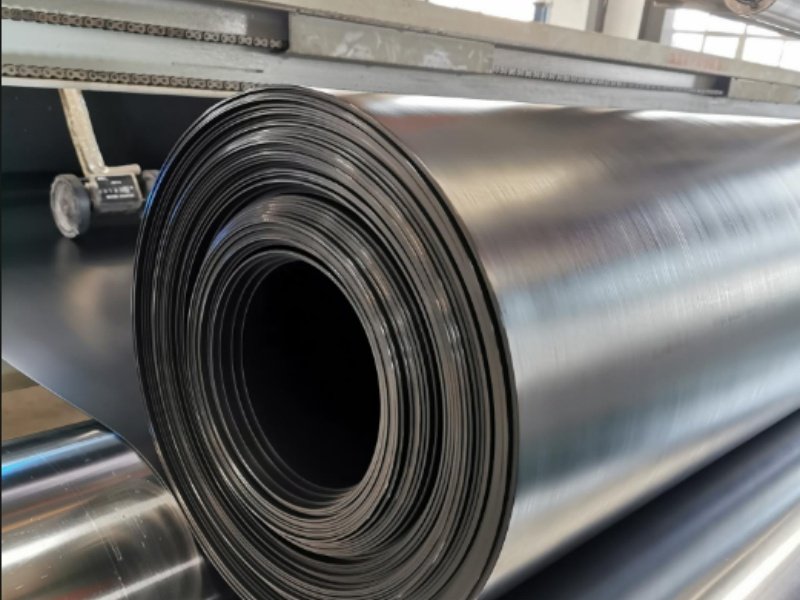
While primarily HDPE-focused, BPM’s offerings complement BGM systems in hybrid applications; however, for pure BGM needs, consider their versatile liners. For detailed specs on their HDPE liner (often paired with BGMs), visit https://bpmgeoliner.com/product/hdpe-geomembrane-liner/. This product features:
- Thickness: 0.3–3.0 mm (customizable)
- Tensile Strength: 20–45 kN/m
- Permeability: ≤10⁻¹¹ cm/s
- UV Retention: ~80% after simulated 50 years
Pros
- Reliable for secondary containment or hybrid setups.
- Proven in global projects for chemical resistance.
Best For — Complementary use in mining/landfill double-liner systems.
Comparison Table
Rank | Product | Thickness (mm) | Mass (g/m²) | Tensile (kN/m) | Puncture (kN) | Best Application | Approx. Strengths |
1 | COLETANCHE® ES | 4–5 | 5,000+ | High | Excellent | Exposed mining/ponds | UV & low-temp resistance |
2 | COLETANCHE® XP | ~4 | ~4,700 | High | Strong | Landfill caps | Cost-effective moderate stress |
3 | Teranap TP | 4–5 | High | High | High | Canals/dams | Slope friction & wind resistance |
4 | Elastomeric BGM | 4.1–4.8 | 4,700–5,200 | > ASTM | Strong | General containment | Thermal stability |
5 | High-Density Composites | Up to 6 | High | High | Very High | Extreme mining | Long-term modeling |
6 | BPM HDPE (Hybrid) | 0.3–3.0 | Varies | 20–45 | 2.5–4.0 | Secondary/hybrid | Versatile & reliable |
Buying Guide and Installation Tips
Select based on site stress, exposure, and budget. Thicker BGMs (e.g., 4.8 mm) show slower degradation in leachates per studies. Ensure certified installers for seams; test panels for quality.
Market Trends
BGMs gain share in mining and landfills, often in hybrid HDPE/BGM systems. Sustainability drives adoption for lower maintenance.
Frequently Asked Questions
What is the lifespan of bituminous geomembranes?
Often 30–50+ years with proper installation, based on Arrhenius predictions.
How do BGMs compare to HDPE in landfills?
BGMs offer better flexibility and puncture resistance; HDPE excels in chemical resistance.
Can BGMs be used exposed?
Yes, especially ES ranges with high UV resistance.
Conclusion
In conclusion, bituminous geomembranes provide robust, data-backed solutions for critical containment needs. For hybrid or complementary options, explore BPM’s HDPE liner at https://bpmgeoliner.com/product/hdpe-geomembrane-liner/. Consult site-specific testing to select the optimal product for maximum environmental protection and ROI.