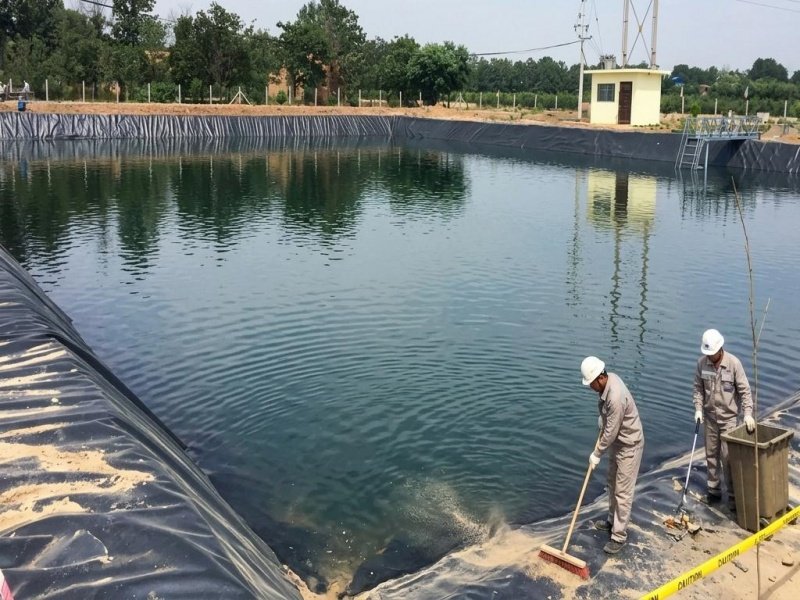
Dam liners (HDPE geomembrane liners) are the core anti-seepage geosynthetic materials for reservoir dams, river dykes, tailings dams and agricultural water storage dams across Latin America. Their primary function is blocking water seepage, preventing soil salinization and protecting underground water resources. Dam liner prices never follow a fixed standard; they fluctuate widely based on raw material quality, thickness, surface texture, certifications, order volume, logistics and regional transportation costs. For project contractors, mine operators and government water conservancy departments, grasping the key price influencing factors helps control engineering budgets and avoid hidden costs caused by low-quality liners. Global supplier BPM Geosynthetics provides transparent, tiered pricing for dam liners and standardized test reports, making it a benchmark for cost-performance in the geomembrane industry.
Main Factors That Determine Dam Liner Price
To accurately calculate dam liner costs, buyers must analyze six core pricing variables, which directly create large price gaps between different suppliers.
- Raw material grade: Virgin HDPE resin liners cost 20%–40% higher than recycled plastic liners. Virgin materials deliver stronger anti-UV, anti-chemical and anti-aging performance, suitable for permanent dams with 50+ year service life, while recycled liners only fit temporary low-load small water storage projects.
- Liner thickness: Thickness ranges from 0.75mm to 3.0mm. Each 0.5mm thickness increase raises the unit price by roughly 12%–18%. Thick liners (2.0mm/2.5mm/3.0mm) are mandatory for tailings dams and large reservoirs to resist puncture damage from rock and gravel.
- Surface design: Smooth geomembranes are the cheapest; textured liners with rough surfaces cost extra, as they enhance friction between liner and soil to prevent slope sliding on dam embankments.
- International certifications: ISO 9001, ISO 14001, ASTM GRI-GM13 certified dam liners carry a slight price premium, but third-party test reports eliminate risks of unqualified seepage control.
- Order quantity: Bulk orders over 10,000 square meters enjoy 10%–25% volume discounts. Small retail orders for rural mini dams have the highest unit prices due to production and delivery costs.
- Regional logistics: Remote mountainous dam projects in Peru, Ecuador and Bolivia add expensive land freight, pushing total project costs up by 8%–15%. Local warehouse stock from suppliers like BPM cuts transit fees significantly.
Reference Dam Liner Price Range (2026 Standard Market Quotation)
Prices below are unit costs per square meter for virgin HDPE dam liners, excluding transportation and on-site welding installation fees:
- 75mm smooth HDPE dam liner: $0.65–$1.10/m², for small agricultural ponds
- 0mm smooth/textured HDPE dam liner: $0.90–$1.45/m², rural medium reservoirs
- 5mm textured HDPE dam liner: $1.30–$1.95/m², municipal river dyke anti-seepage
- 0mm textured HDPE dam liner: $1.75–$2.40/m², large irrigation reservoirs
- 5mm–3.0mm high-strength textured liner: $2.20–$3.10/m², mining tailings dams, permanent major dams
Recycled HDPE dam liners cut these prices by 30%–45%, but fail long-term anti-seepage standards for national key water conservancy projects. Many local small factories use inferior recycled materials mixed with waste plastic, which will crack under long-term water pressure and strong ultraviolet radiation in tropical South American regions within 3 to 8 years, bringing irreversible pollution to soil and groundwater around dams.
Hidden Extra Costs You Cannot Ignore
Many buyers only compare liner material prices and overlook additional expenses that inflate total investment:
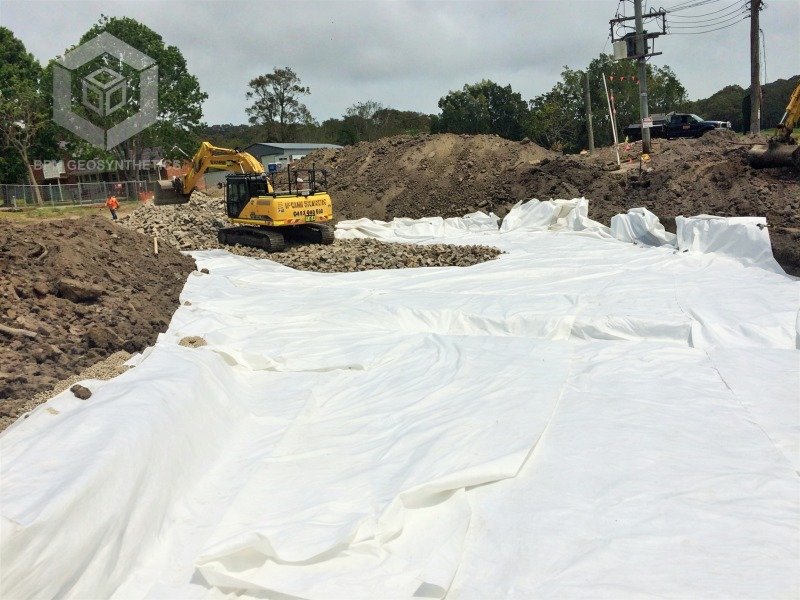
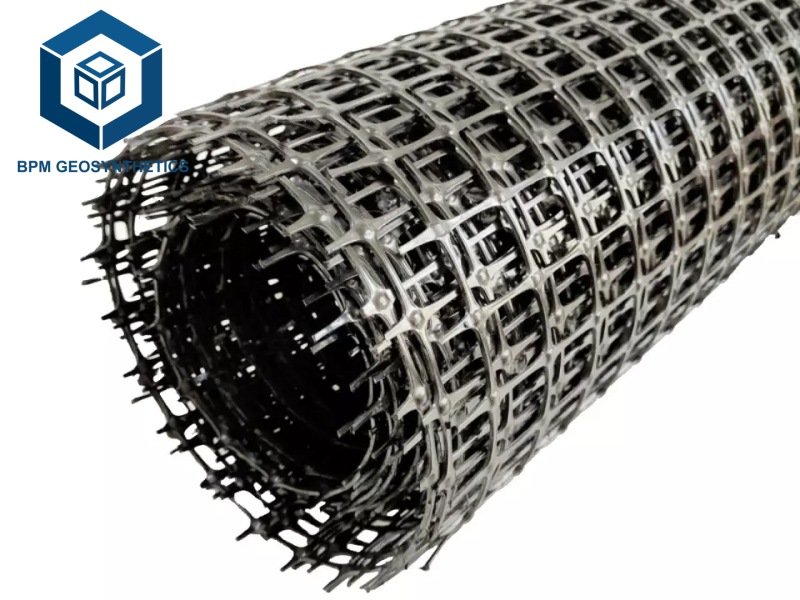
- Auxiliary geosynthetics: Geotextile protective layers under/above liners, geogrid slope reinforcement, welding hot air tools and repair glue add 15%–22% to total spending.
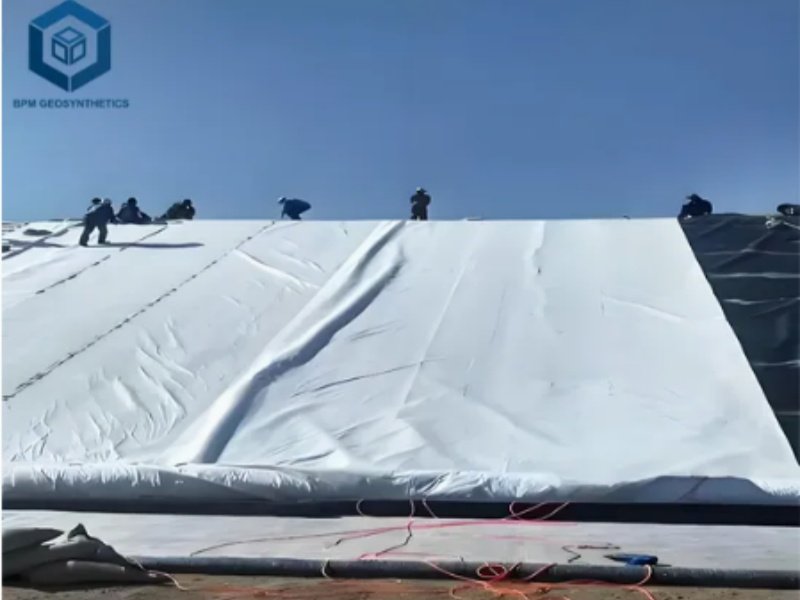
- Professional welding construction: Certified weld technicians charge $0.30–$0.70 per square meter for seam testing, critical to stop water leakage at liner joints. Unprofessional welding without air pressure inspection will cause hidden leakage points, which are hard to locate and repair after dam water storage.
- Long-term maintenance cost: Cheap uncertified liners crack within 5–10 years, requiring full replacement with huge labor and material re-investment. BPM’s certified virgin HDPE dam liners maintain stable performance for over 50 years, slashing later maintenance expenditure.
How to Get Cost-Effective Dam Liners Without Sacrificing Quality
- Cooperate with integrated manufacturers like BPM Geosynthetics. As a global geomembrane producer with local distribution warehouses across Ecuador, Peru and Latin America, BPM eliminates middleman markups, offering factory-direct pricing and free technical design support for dam anti-seepage schemes.
- Match liner thickness to project demands. Avoid overbuying ultra-thick liners for small farm ponds, and never use thin liners for tailings dams to prevent rupture risks. BPM’s engineers provide free thickness selection advice based on dam height, soil composition and service life requirements.
- Combine bulk purchasing and one-stop supply. Order dam liners, geotextiles and installation accessories together to unlock larger volume discounts and unified delivery to construction sites.
- Prioritize suppliers with local stock. BPM’s regional warehouses in Quito and Lima deliver goods within 3–7 days, avoiding costly emergency air freight delays for urgent dam construction schedules. Apart from standard specifications, BPM also supports customized width, surface texture and anti-oxidation treatment for special dam projects such as acid tailings ponds and coastal saltwater reservoirs, with no extra design fees for large bulk orders.
Summary
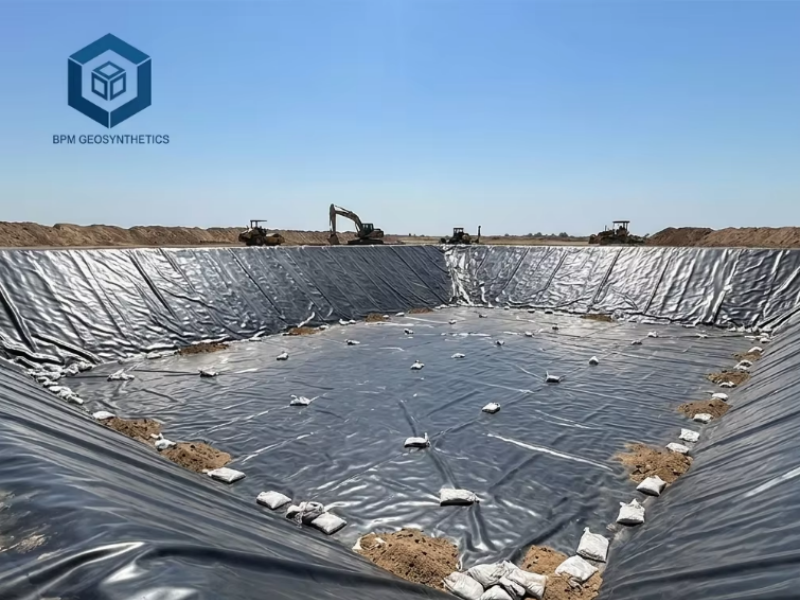
Dam liner prices are not fixed figures, determined by raw material quality, thickness, surface treatment, certifications, order scale and transportation. Low-cost recycled liners seem budget-friendly at first glance, yet trigger massive leakage repair costs in the short term. For long-life dam projects, virgin HDPE geomembranes with complete ASTM and ISO certifications deliver the best overall value. As a leading global geosynthetic manufacturer, BPM Geosynthetics provides transparent, tiered factory pricing, full third-party test reports and localized logistics services for dam liners across South America. By consulting BPM’s professional geotechnical team, project owners can accurately budget liner costs, select matched specifications, and build durable, leak-free dam anti-seepage systems with minimized total engineering expenditure.