1. Introduction to Geoweb Geocell
Soil instability costs the construction industry billions of dollars every year. Weak ground, steep slopes, and erosion damage roads, walls, and channels worldwide. Engineers therefore seek reliable solutions that stabilize soil without heavy excavation. The Geoweb Geocell has become one of the most trusted answers. This three-dimensional cellular confinement system confines infill material and distributes loads evenly. As a result, projects last longer and require less maintenance. BPM Geosynthetics supplies Geoweb Geocells for demanding civil engineering applications. This article explains what the Geoweb Geocell is, how it works, and where engineers apply it.
2. What Is the Geoweb Geocell?
2.1 Physical Structure
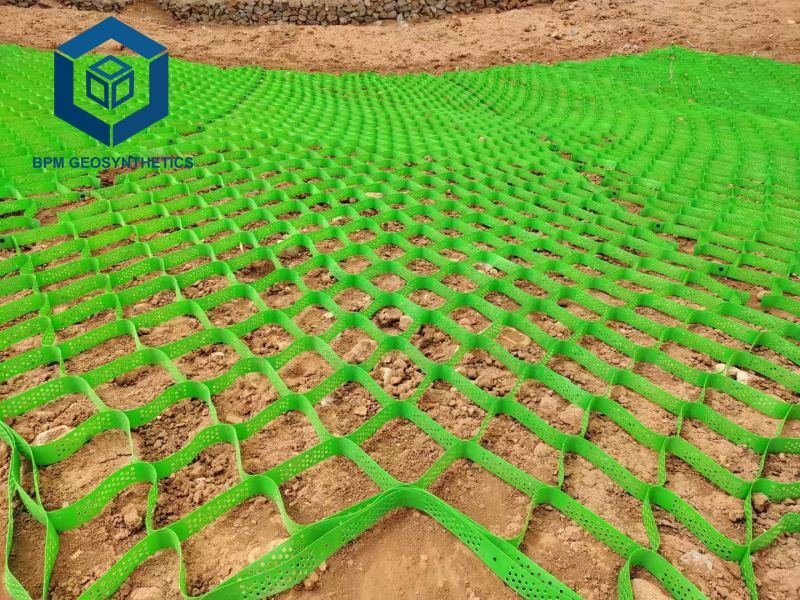
The Geoweb Geocell is a three-dimensional cellular confinement system. It consists of an interconnected honeycomb structure. This design forms expandable cells that hold soil, aggregate, or concrete. The cells confine and stabilize the infill material. Consequently, they create a stable, load-bearing structure.
2.2 Material Composition
Geoweb Geocells typically use virgin high-density polyethylene (HDPE). Manufacturers choose this material for its strength, flexibility, and durability. HDPE delivers consistent performance in demanding applications. Moreover, it is environmentally friendly and has over 40 years of proven field use.
2.3 Key Mechanical Properties
The Geoweb Geocell system distributes loads over weak soils. Therefore, it reduces settlement and improves stability. The cellular structure resists erosive forces and protects slopes and channels. Furthermore, HDPE allows flexibility while maintaining structural integrity. Finally, the Geoweb Geocell offers superior weld strength compared to other geocells.
3. How Do Geoweb Geocells Stabilize Soil?
3.1 Load Distribution and Stress Reduction
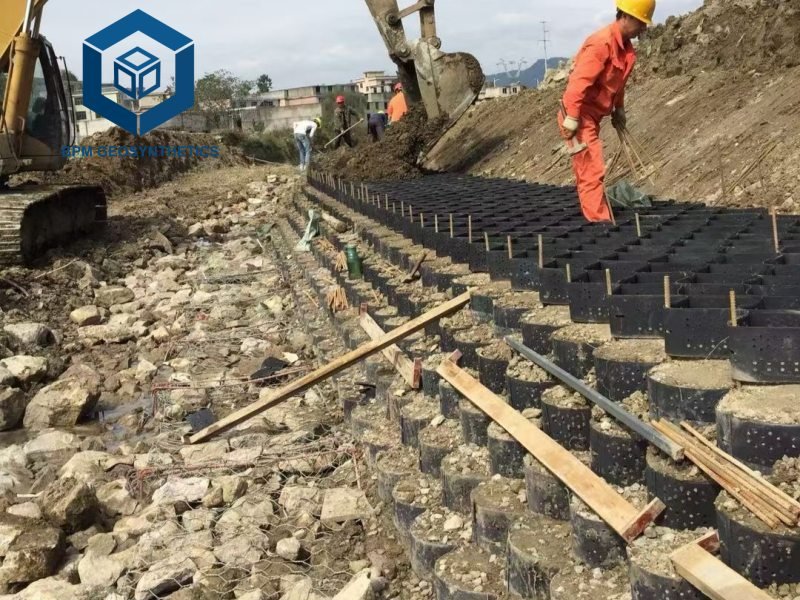
The three-dimensional system encapsulates the infill material within the cells. This confinement prevents lateral movement of the infill. Consequently, applied loads spread more evenly over a larger area. Vertical stress on the underlying soil decreases. As a result, the risk of soil failure and settlement drops significantly.
3.2 The Role of Infill Material
The infill material is crucial to system performance. Soil, aggregate, or concrete interacts with the Geocell structure. This interaction adds strength and stability. Confinement enhances the load-bearing capacity of the infill. For example, aggregate infill improves drainage while maintaining structural integrity. Therefore, choosing the right infill matters greatly.
4. Geoweb Geocell Applications
4.1 Load Support and Road Construction
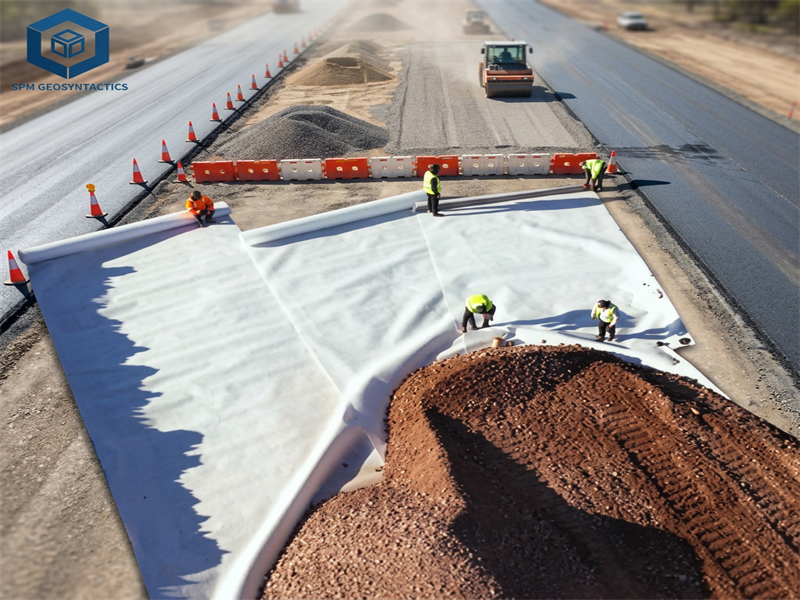
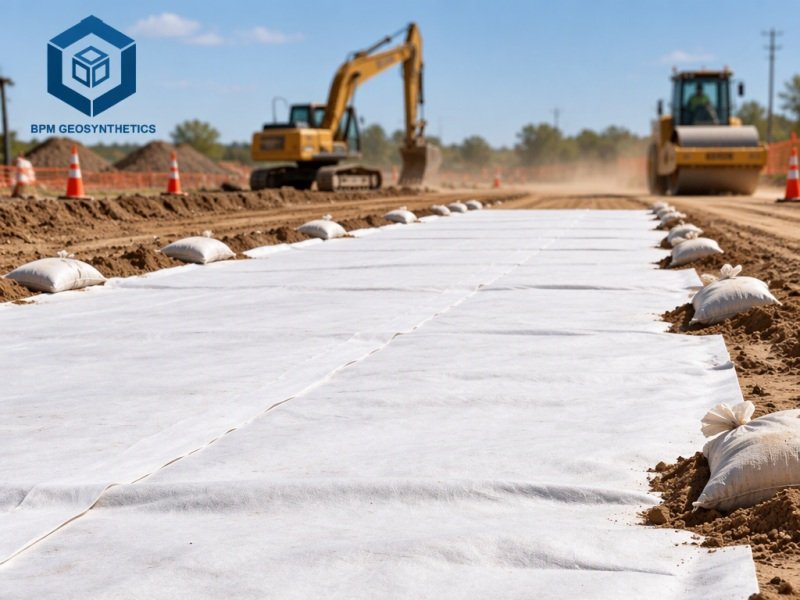
Geoweb Geocells support unpaved and paved roads. They stabilize the base layer and reduce rutting. Consequently, road surfaces last longer and need fewer repairs. Contractors also use Geocells for parking lots and industrial yards. The system distributes traffic loads effectively. Therefore, it protects weak subgrades from failure.
4.2 Retaining Walls and Earth Structures
The Geocell system builds retaining walls that provide structural support. These walls prevent soil erosion even on poor base conditions. Moreover, the cellular confinement system enhances wall stability. Engineers therefore specify Geocells for bridge abutments and embankments. The result is a durable, cost-effective earth-retaining structure.
4.3 Channel Protection and Hydraulic Works
Geoweb Geocells protect channels from erosion caused by water flow. Engineers use them in stormwater management systems to control runoff. Additionally, the cells prevent channel degradation during heavy rainfall. This protection extends the service life of hydraulic structures. Consequently, maintenance costs drop over time.
4.4 Slope Protection and Erosion Control
Geoweb Geocells prevent soil erosion and landslides on slopes. The cellular system stabilizes soil and provides long-term stability. In erosion control projects, Geocells minimize soil loss by resisting erosive forces. Furthermore, they combine well with vegetation. This combination creates a sustainable and environmentally friendly solution.
4.5 Environmental and Landscaping Projects
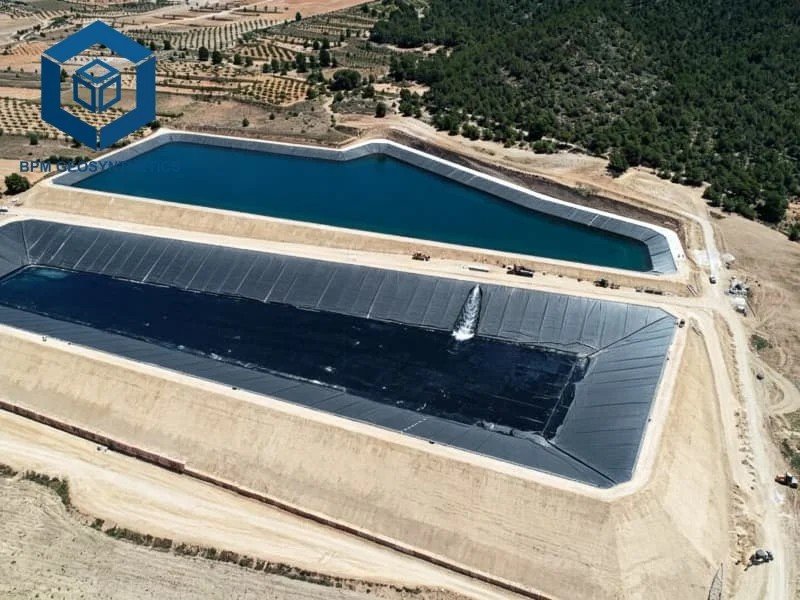
Geoweb Geocells serve landfill caps, geomembrane protection, and wastewater containment basins. They provide a stable barrier that prevents contaminant seepage. In landscaping, Geocells create vegetated embankments, permeable paving, and green walls. They support vegetation growth and deliver aesthetically pleasing, sustainable results. BPM Geosynthetics supplies Geocells for all these environmental applications.
5. Primary Advantages of Geoweb Geocells
5.1 Enhanced Soil Stabilization
Geoweb Geocells actively confine soil on slopes and uneven terrain. This confinement prevents erosion and landslides. Moreover, it ensures long-term structural integrity. Engineers therefore trust Geocells for challenging ground conditions.
5.2 Load Distribution and Reduced Settlement
The three-dimensional structure distributes loads evenly over large areas. As a result, vertical stress on underlying soil decreases. This reduction minimizes settlement and improves overall stability. Consequently, structures perform better over their service life.
5.3 Flexibility and Durability
Made from HDPE, Geoweb Geocells adapt to various terrains. They maintain structural integrity under demanding conditions. Additionally, they resist UV degradation, chemical corrosion, and biological degradation. Therefore, they deliver reliable performance over decades.
5.4 Cost-Effective and Easy Installation
Geoweb Geocells offer cost-effective alternatives to traditional materials. They reduce excavation and compaction needs, saving time and resources. Installation is quick because the modular design requires minimal equipment. Moreover, maintenance needs are low, which reduces long-term costs.
5.5 Environmental Benefits
Geoweb Geocells use recyclable materials, so they are environmentally friendly. They also support vegetation growth in landscaping projects. Furthermore, they require less infill material than traditional methods. This reduction lowers both costs and environmental impact. BPM Geosynthetics prioritizes these sustainable advantages in its Geocell production.
6. Summary
BPM Geosynthetics is a leading provider of innovative geotechnical solutions. Its Geoweb Geocell is a versatile option for civil engineering projects. The three-dimensional confinement system stabilizes soil, distributes loads, and reduces erosion. Made from HDPE, Geoweb Geocells offer strength, flexibility, and durability. BPM Geosynthetics supplies Geocells for load support, slope protection, channel protection, retaining walls, and erosion control. Clients also use them in environmental and landscaping projects for sustainable, attractive results.