Introduction
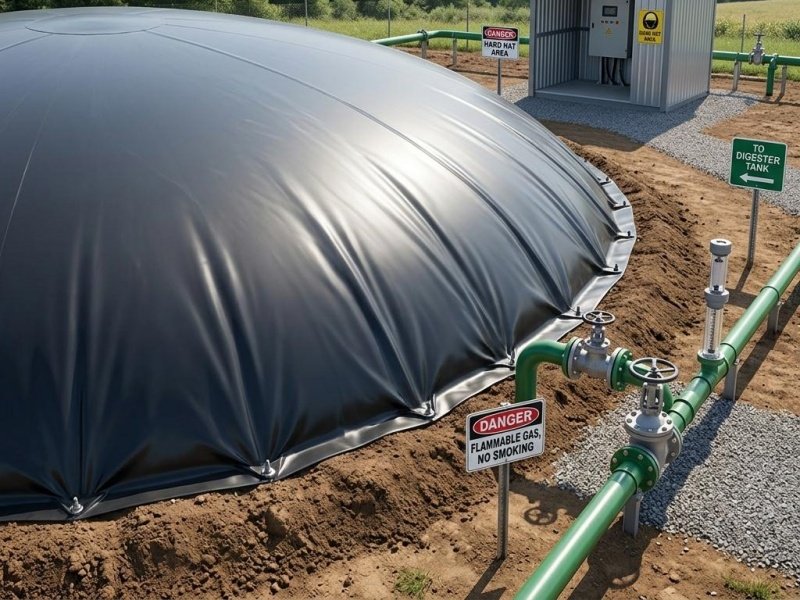
Geo filter fabrics are essential components in civil engineering, landscaping, and environmental protection projects. These specialized geotextiles allow water to pass through while retaining soil particles, preventing clogging and maintaining drainage efficiency. From retaining walls to road construction and erosion control, selecting the right geotextile filter fabric directly impacts project longevity and performance. This review examines the six best geo filter fabrics available on the market, comparing their features, applications, and specifications to help you make an informed decision.
Understanding Geo Filter Fabrics
What Are Geotextile Filter Fabrics?
Geotextile filter fabrics are permeable materials used to allow water flow while preventing soil particle migration . Unlike granular filters, the opening size distribution of a geotextile filter is controlled directly through the manufacturing process . These fabrics are generally made from one of three polymer types: polypropylene (PP), polyester (PET), and polyethylene (PE), with PP and PET accounting for the majority of geotextile manufacture .
Woven vs. Non-Woven Filter Fabrics
The manufacturing process yields two principal styles of geotextile for filtration applications: woven and non-woven fabrics .
Woven geotextiles are made from individual polymer strands that are aligned and interwoven on an industrial loom, yielding a planar fabric. The strand itself can be a tape, monofilament, or multifilament yarn . Woven fabrics offer high tensile strength and are ideal for reinforcement applications.
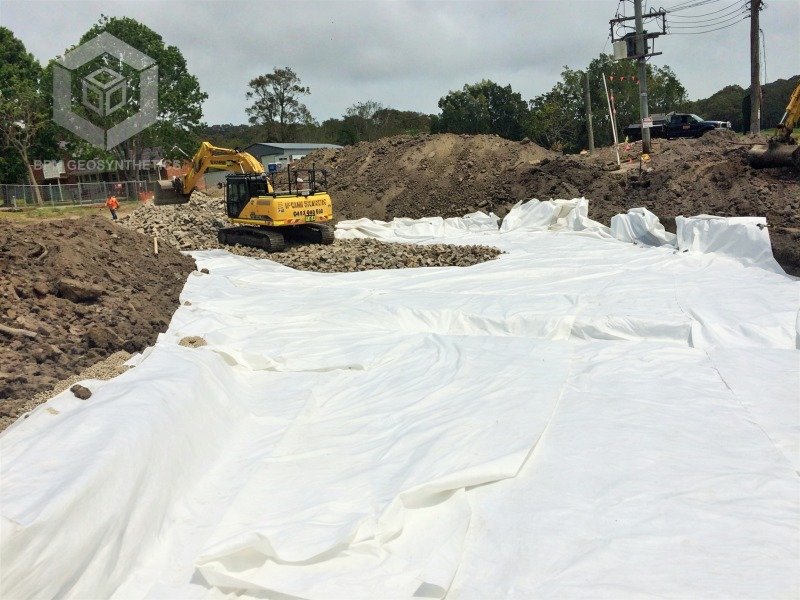
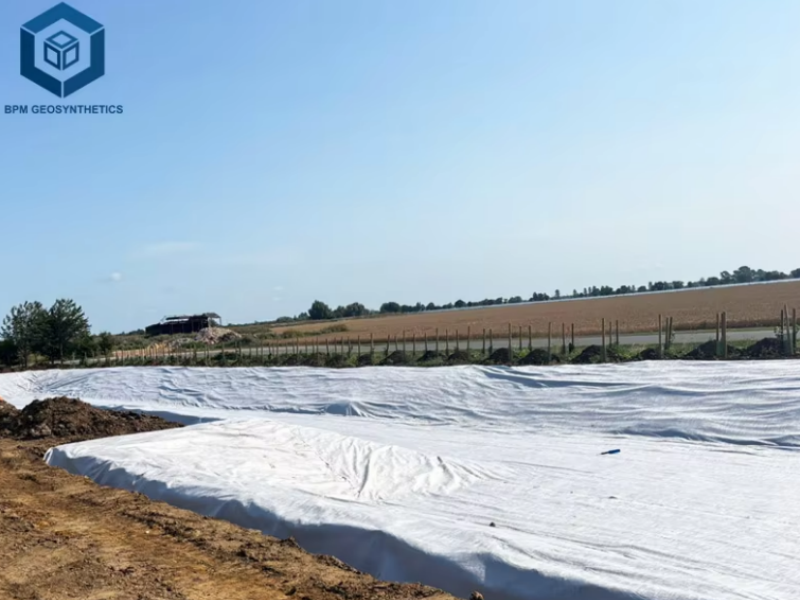
Non-woven geotextiles comprise a layer of many randomly oriented polymer strands bonded to obtain a planar fabric. The common methods of bonding are either physical entanglement (needle-punched) or thermal fusing (heat-bonded) . Non-woven fabrics excel in filtration and drainage applications due to their three-dimensional structure .
Key Performance Parameters
When evaluating geo filter fabrics, consider these critical specifications:
Apparent Opening Size (AOS): Determines soil particle retention capability
Water Permittivity: Measures the fabric’s ability to transmit water
Grab Tensile Strength: Indicates resistance to installation and operational stresses
UV Resistance: Essential for exposed applications
The 6 Best Geo Filter Fabrics
1. mastaTEX FiltaFabric
Overview: mastaTEX FiltaFabric is a high-quality staple fibre geotextile filter fabric designed for landscaping and small civil works .
Key Specifications:
Material: Staple fibre geotextile
Dimensions: 1m x 50m rolls
Applications: Retaining walls, drainage, filtration, soil stockpiles, temporary erosion control
Advantages: Due to its three-dimensional structure, FiltaFabric provides effective drainage both through the pores and within the fabric itself . It is commonly used as a filtration layer in trenches, as pipe and aggregate wrap, or behind retaining walls.
Limitations: Not approved for road or railway applications due to mechanical properties of short fibre material .
Best For: Landscaping projects, residential drainage, and small-scale civil works.
2. Shandong Luke Non-Woven Geotextile Filter Fabric
Overview: Produced by Shandong Luke Composite Co., Ltd., this non-woven geotextile filter fabric is manufactured from polyester or polypropylene fibre through needle-punching, creating a porous, felt-like structure .
Key Specifications:
Weight: 100g to 800g/m²
Width: 1m to 6m
Thickness: 0.9mm to 5mm
Material: PP or PET
Advantages: The random fibre arrangement enhances water flow and provides superior particle retention without clogging . The fabric conforms to uneven surfaces and accommodates ground movement while resisting UV rays, chemicals, and biological degradation .
Key Functions: Filtration (prevents soil particles from clogging drainage systems), separation (keeps different soil layers from mixing), drainage (facilitates lateral water flow, reducing hydrostatic pressure), and protection (shields waterproof membranes from punctures) .
Best For: Highway construction, railway drainage, landfill protection, and erosion control.
3. Taian Road Engineering Geotextile Filter Fabric
Overview: Taian Road Engineering Materials Co., Ltd. operates a large-scale facility exceeding 130,000 m², making it ideal for mega-projects requiring bulk supply .
Key Specifications:
MOQ: 100,000 m²
Unit Price: approximately $0.69/m² for standard 300g/m² non-woven polypropylene
Certifications: ISO and CE
Advantages: Lower unit cost due to economies of scale makes this supplier suitable for large infrastructure projects . The company’s massive production capacity ensures reliable supply for tight construction schedules.
Best For: Large-scale road construction, airport runways, and major infrastructure projects.
4. Taian Dingkun Composite Geotextile Filter Fabric
Overview: Taian Dingkun New Material Co., Ltd. specializes in high-strength composite geotextiles with advanced quality control laboratory capabilities .
Key Specifications:
Customer Rating: 5.0/5.0
Response Time: ≤1 hour
Unit Price: approximately $0.78/m² for standard 300g/m² non-woven polypropylene
MOQ: 50,000 m²
Advantages: Premium quality product with full certification package . The company’s advanced QC lab ensures consistent batch-to-batch performance. Excellent UV resistance makes it suitable for exposed applications.
Best For: High-risk environments such as landfills, coastal embankments, and projects requiring long-term durability.
5. Woven Monofilament Filter Fabric
Overview: This specification covers monofilament woven geotextile filter fabric primarily used for construction of silt fences for soil retention in erosion and sediment control applications .
Key Specifications:
Material: Monofilament polypropylene yarn
Color: Black
UV Resistance: 70% minimum (ASTM D4355)
Dimensions: 3ft x 300ft rolls
Advantages: Highly durable and inert to biological degradation . The monofilament construction provides excellent resistance to UV and naturally encountered chemicals, alkalis, and acids. This fabric meets stringent ASTM standards for grab tensile strength and water permittivity .
Best For: Silt fences, erosion control, and protecting drain grates against sediment ingress.
6. Shandong Jinruixiang Woven Geotextile
Overview: Shandong Jinruixiang Geotextile Material Co., Ltd. is recognized for high-quality woven geotextiles with consistent batch-to-batch performance .
Key Specifications:
Customer Rating: 5.0/5.0
Unit Price: approximately $0.75/m² for standard 300g/m² non-woven polypropylene
MOQ: 30,000 m²
Advantages: Excellent balance of price and puncture resistance . The company demonstrates efficient communication protocols with sub-three-hour response times and reliable supply capabilities .
Best For: Road reinforcement, soil stabilization, and drainage applications requiring consistent quality.
How to Choose the Right Geo Filter Fabric
Application-Based Selection
Application | Recommended Type | Key Consideration |
Retaining walls | Non-woven | Excellent filtration and drainage |
Road construction | Woven | High tensile strength required |
Silt fences | Woven monofilament | UV resistance and durability |
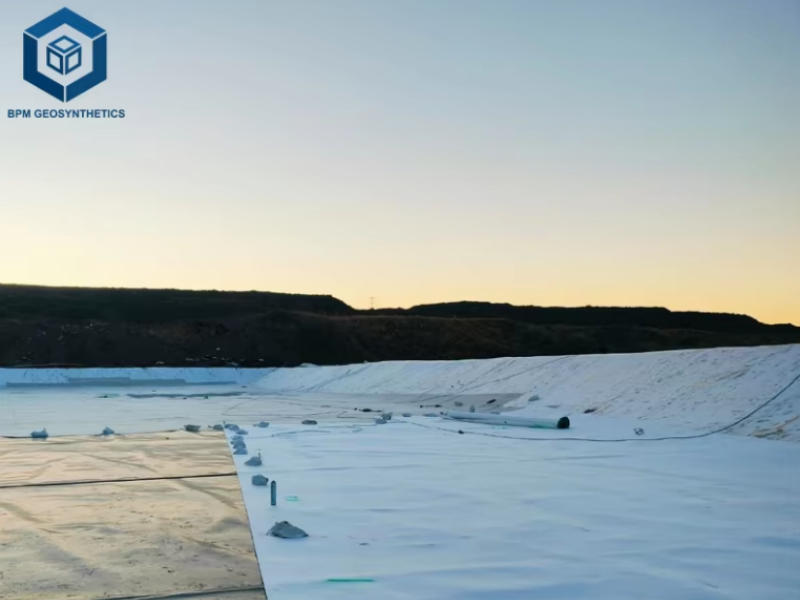
Pond liner protection | Non-woven | Puncture protection |
Landfill drainage | Non-woven | Chemical resistance |
Erosion control | Woven or non-woven | Soil retention capability |
Critical Specifications to Verify
Apparent Opening Size (AOS): For non-woven fabrics, AOS should be ≤0.3mm for soils with >85% passing #200 sieve . For woven fabrics, percent open area (POA) should be ≥4% for most applications .
Permittivity: Minimum 0.02 sec⁻¹ for standard applications, with higher values required for fine soils .
Tensile Strength: Grab tensile strength should meet minimum 100 lbs for standard applications and 180 lbs for extra strength requirements .
Supplier Insights and Recommendations
The data reveals that Shandong-based companies dominate the high-performance segment, combining technological maturity with responsive service . Taian Dingkun New Material Co., Ltd. and Earth Shield Environmental Technology stand out with perfect ratings and sub-one-hour response times, making them ideal for time-sensitive tenders or emergency repairs .
For buyers prioritizing cost-efficiency, Anhui Zhonglu offers aggressive pricing at approximately $0.62/m², though this comes with trade-offs in proven performance . For high-risk environments, investing in higher-grade materials ensures longevity and reduces lifecycle maintenance costs .
Conclusion
Selecting the right geo filter fabric requires careful consideration of application requirements, material properties, and supplier reliability. Non-woven geotextiles excel in filtration and drainage applications, while woven fabrics provide superior reinforcement capabilities. Shandong-based manufacturers offer competitive pricing and consistent quality, with top-rated suppliers like Taian Dingkun and Shandong Luke providing reliable products backed by ISO certifications. By verifying key specifications such as AOS, permittivity, and tensile strength, you can choose the best geo filter fabric for your specific project needs and ensure long-term performance.