Introduction
Finding trustworthy HDPE pond liner suppliers is essential for any water containment project. Whether you are constructing a fish farm, an irrigation reservoir, or a decorative garden pond, the quality of your HDPE geomembrane directly impacts water retention, durability, and long-term maintenance costs. The global geomembrane market, valued at approximately $2.6-2.85 billion in 2025, continues to grow at a CAGR of 5.4-7.7%, driven by increasing demand for water conservation and aquaculture development. This comprehensive guide explores the key factors to consider when selecting HDPE pond liner suppliers and highlights what makes a supplier truly reliable in today’s competitive market.
Understanding HDPE Pond Liners
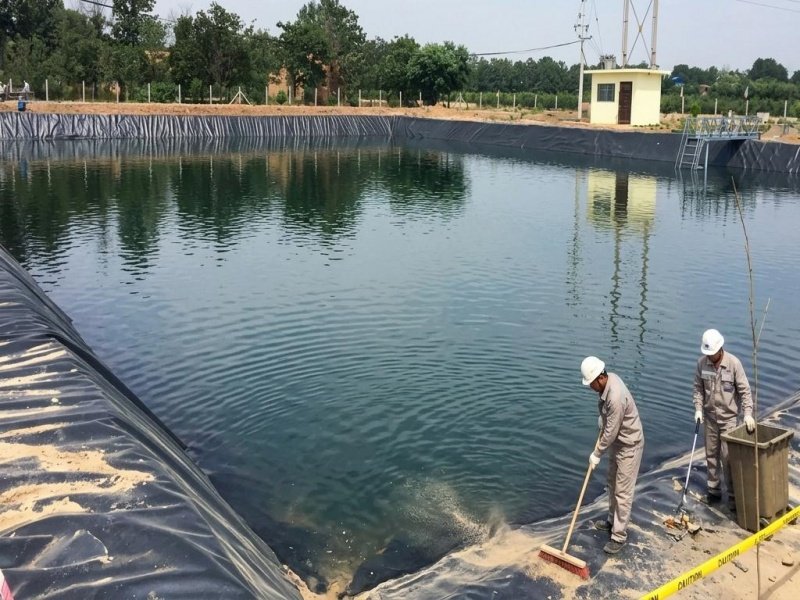
High-density polyethylene (HDPE) pond liners are impermeable geomembranes designed to prevent seepage in decorative ponds, aquaculture farms, irrigation reservoirs, stormwater detention basins, and commercial water features. HDPE holds approximately 65-70% market share in large-scale pond applications due to its superior properties. Premium HDPE pond liners achieve hydraulic conductivity as low as ≤10⁻¹¹ cm/s, tensile strength of 27-45 kN/m, and puncture resistance of 300-1,000+ N. These properties enable service lives of 50-100+ years, delivering 20-40% cost savings through reduced water loss, lower maintenance, and minimized environmental remediation.
Material Composition and Quality
Quality HDPE pond liners are manufactured from virgin-grade high-density polyethylene resin combined with 2-3% premium carbon black for optimal UV protection. This combination ensures consistent material properties and predictable performance over decades. The resin selection directly affects tensile strength, elongation, and resistance to environmental stress cracking. Manufacturers with rigorous quality control systems test each production batch for oxidative induction time (OIT), ensuring the liner’s ability to resist long-term degradation.
Key Performance Parameters
When evaluating HDPE pond liner suppliers, understanding key specifications is essential:
Thickness Range: Professional suppliers offer liners in thicknesses from 0.5mm to 3.0mm (20-120 mil). Thinner liners suit decorative ponds and temporary applications, while medium thickness (1.0-1.5mm) serves aquaculture and agricultural reservoirs. Heavy-duty applications require 2.0-3.0mm for maximum durability.
Tensile Strength: Yield strength of 15-25+ kN/m and break strength of 27-45+ kN/m ensure the liner withstands installation stresses and long-term loading.
Elongation: Minimum 700% elongation provides flexibility for ground settlement and thermal expansion.
Puncture Resistance: 300-1,000+ Newtons protects against installation damage and long-term stress from overlying materials.
What Makes a Quality HDPE Pond Liner Supplier
Product Range and Specifications
Top HDPE pond liner suppliers offer comprehensive product ranges to meet diverse project requirements. This includes multiple thickness options, surface textures (smooth and textured), and roll dimensions. Smooth liners are preferred for flat applications and factory-fabricated panels, while textured liners provide enhanced friction for slope stability on steep banks. Quality suppliers offer roll widths up to 8-10 meters to minimize field seams and reduce installation costs. Factory-fabricated panels further reduce installation time and potential weak points.
Quality Certifications
Reliable HDPE pond liner suppliers maintain certifications that verify product quality and safety:
GRI-GM13 Certification: This industry standard for HDPE geomembranes validates physical and mechanical properties including tensile strength, puncture resistance, and oxidative induction time. Suppliers meeting GRI-GM13 ensure consistent quality across all production batches. The specification covers property requirements, test methods, and quality assurance procedures essential for critical containment applications.
NSF-61 Certification: Critical for aquaculture and potable water applications, NSF-61 certification ensures the liner material does not leach harmful substances into the water. This certification is essential for fish farms, drinking water reservoirs, and any application involving aquatic life or human consumption.
ISO 9001 and ISO 14001: These certifications indicate quality management and environmental responsibility. ISO 9001 ensures consistent production quality, while ISO 14001 demonstrates commitment to environmental sustainability in manufacturing processes.
CE Marking: Required for products sold in European markets, CE marking confirms compliance with European health, safety, and environmental protection standards.
Technical Support and Services
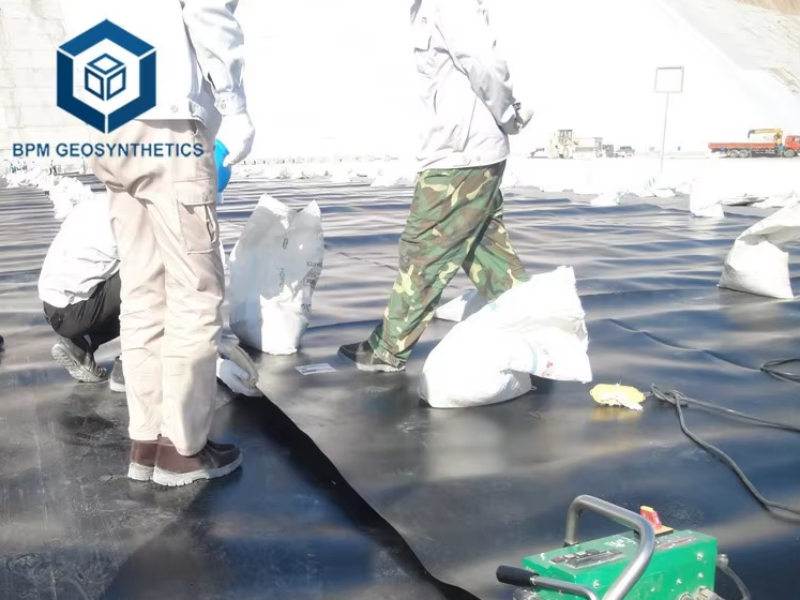
Professional supplier geomembrane partners provide comprehensive technical support including product selection guidance, installation recommendations, seam welding specifications, and troubleshooting assistance. This support helps ensure successful project completion and optimal liner performance. Experienced suppliers understand the challenges of different applications and can recommend the most suitable products for specific conditions, including soil types, water chemistry, and climate factors.
The Importance of Supplier Experience and Global Reach
Industry Experience
Suppliers with years of industry experience bring valuable knowledge to project planning. They understand the challenges of different applications and can recommend the most suitable products for specific conditions. Experience also translates to established supply chains and reliable delivery schedules. Long-established suppliers have refined their production processes and quality control systems over decades, ensuring consistent product quality.
Global Logistics Capabilities
Top HDPE pond liner suppliers serve customers worldwide, with established export networks to 80+ countries. Their logistics capabilities ensure timely delivery, even for large-scale projects requiring multiple containers. Suppliers with global experience understand international shipping regulations, documentation requirements, and customs procedures. This expertise minimizes delays and ensures projects stay on schedule.
Supply Chain Reliability
Quality suppliers maintain inventory and production capacity to meet project schedules, even for large-scale orders. Multiple production lines with substantial capacity ensure reliable supply for tight construction schedules. Suppliers with diversified supply chains can maintain delivery commitments even during periods of high demand or supply chain disruptions.
Applications Requiring Quality HDPE Pond Liners
Aquaculture
Fish farms rely on HDPE liners to create clean, safe environments for aquatic life. Liners prevent contamination from surrounding soil while providing easy cleaning surfaces. NSF-61 certified liners ensure fish health and product safety. The smooth surface of HDPE liners prevents bacterial growth and simplifies cleaning operations, reducing disease risks and improving production efficiency. In aquaculture applications, liner selection directly affects water quality, fish health, and operational costs.
Agricultural Reservoirs
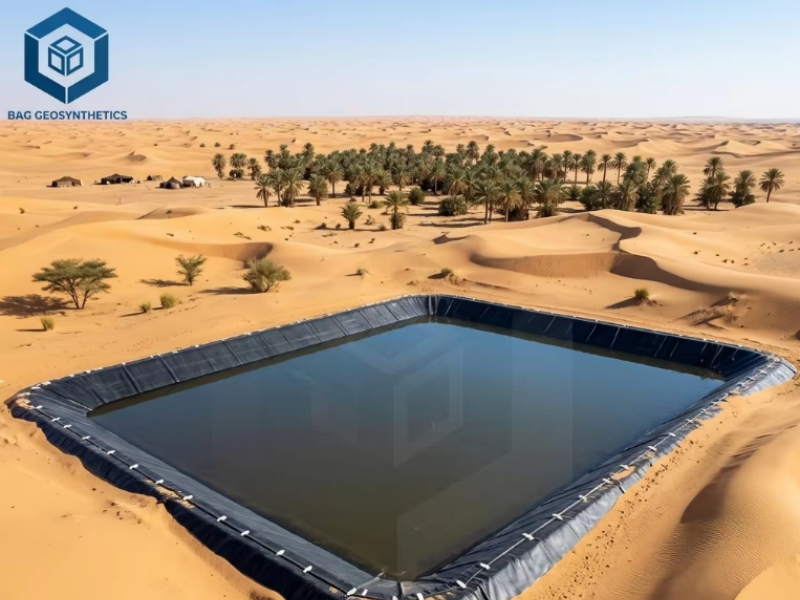
Farmers use HDPE liners to capture and store irrigation water, achieving up to 99% seepage prevention. This water conservation translates to 20-40% cost savings through reduced pumping and maintenance. Lined reservoirs also protect groundwater resources from agricultural chemicals and fertilizers. In regions facing water scarcity, HDPE-lined reservoirs enable efficient water management and sustainable agricultural practices.
Stormwater Management
Municipalities use HDPE liners for stormwater detention and retention basins, meeting environmental regulations for groundwater protection. Liners prevent contaminated stormwater from infiltrating groundwater supplies while enabling controlled release of stormwater. This application requires liners with excellent chemical resistance and long-term durability.
Decorative Water Features
Landscape architects specify HDPE liners for their aesthetic flexibility and proven durability in creating natural-looking ponds, waterfalls, and water gardens. HDPE liners conform to complex shapes while maintaining integrity over decades. The black color provides a natural appearance while UV stabilizers protect against degradation from sunlight exposure.
Cost Considerations and Value Analysis
Initial Cost vs. Lifecycle Value
While price is always a consideration, the lowest price rarely delivers the best value. Quality HDPE liners from reputable suppliers provide decades of service life, minimizing replacement costs and project downtime. Request samples and detailed quotations to compare value across suppliers. Consider the total lifecycle cost including installation, maintenance, and replacement when evaluating supplier quotations.
Factors Affecting Pricing
HDPE pond liner pricing typically ranges from $0.60-2.50/m² depending on thickness, texture, and volume. Factors affecting pricing include resin costs, manufacturing efficiency, shipping distances, and order volume. Quality suppliers provide transparent pricing with clear specifications of product properties and certifications.
Selecting the Right HDPE Pond Liner Supplier
Evaluation Criteria
When comparing HDPE pond liner suppliers, consider:
Certifications: GRI-GM13, NSF-61, ISO 9001/14001
Product range: Thickness options, textures, roll sizes
Customization: OEM/ODM capabilities
Logistics: International shipping experience and reliability
Technical support: Installation guidance and engineering consultation
Industry reputation: Client references and project experience
Partnering with Professional Suppliers
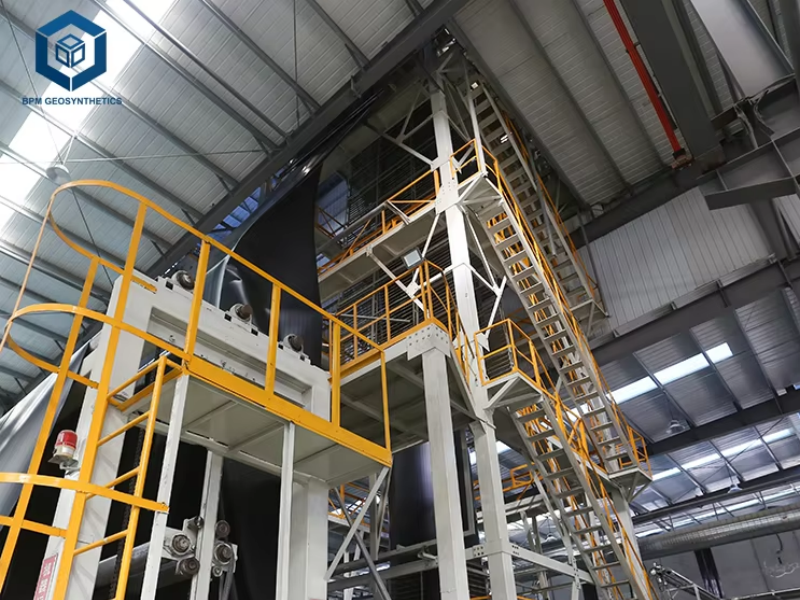
The Project Material Co., Ltd. (BPM Geosynthetics) is a leading HDPE pond liner supplier serving customers in 80+ countries. With modern manufacturing facilities spanning 26,000-36,000 m², GRI-GM13 and NSF-61 certifications, and comprehensive technical support, BPM provides quality solutions for aquaculture, agricultural, and infrastructure projects worldwide. Their competitive pricing of $0.60-2.50/m², combined with 15-30% cost advantages through efficient production, makes them a preferred partner for projects of all scales.
Conclusion
Selecting the right HDPE pond liner supplier is crucial for project success. Evaluate potential suppliers based on certifications, product range, experience, and technical support capabilities. Quality suppliers deliver products that ensure regulatory compliance, minimal seepage, and long-term performance. Partner with proven suppliers like BPM Geosynthetics for quality products, reliable delivery, and expert guidance for your water containment project. With proper selection and installation, HDPE pond liners provide decades of reliable service, protecting water resources and delivering substantial lifecycle savings.